
The magic of croissant making
What makes a croissant so special?
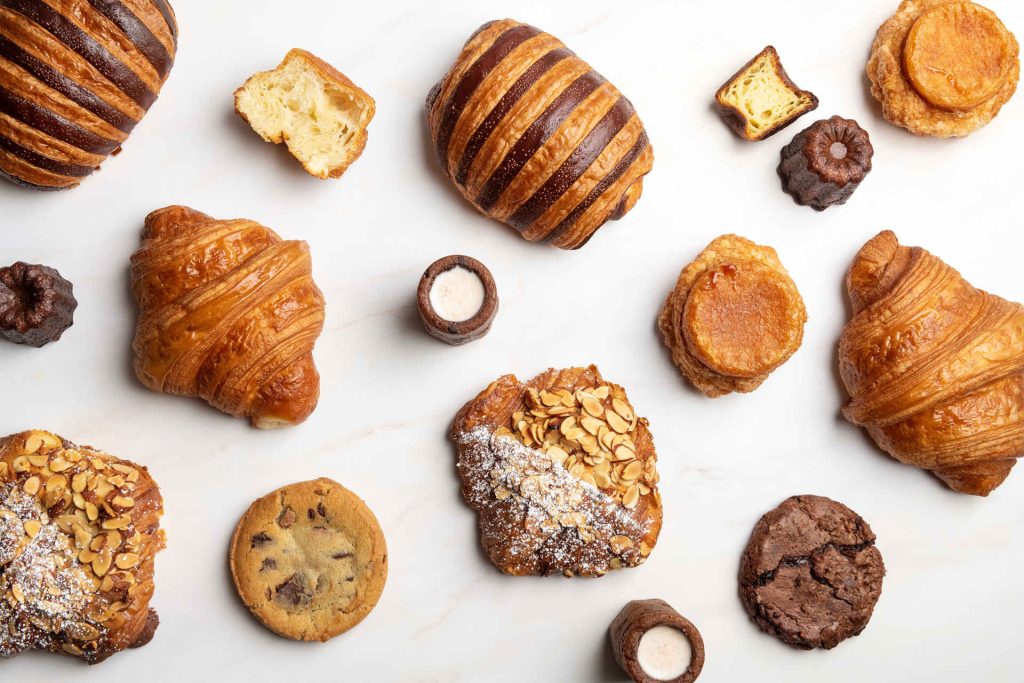
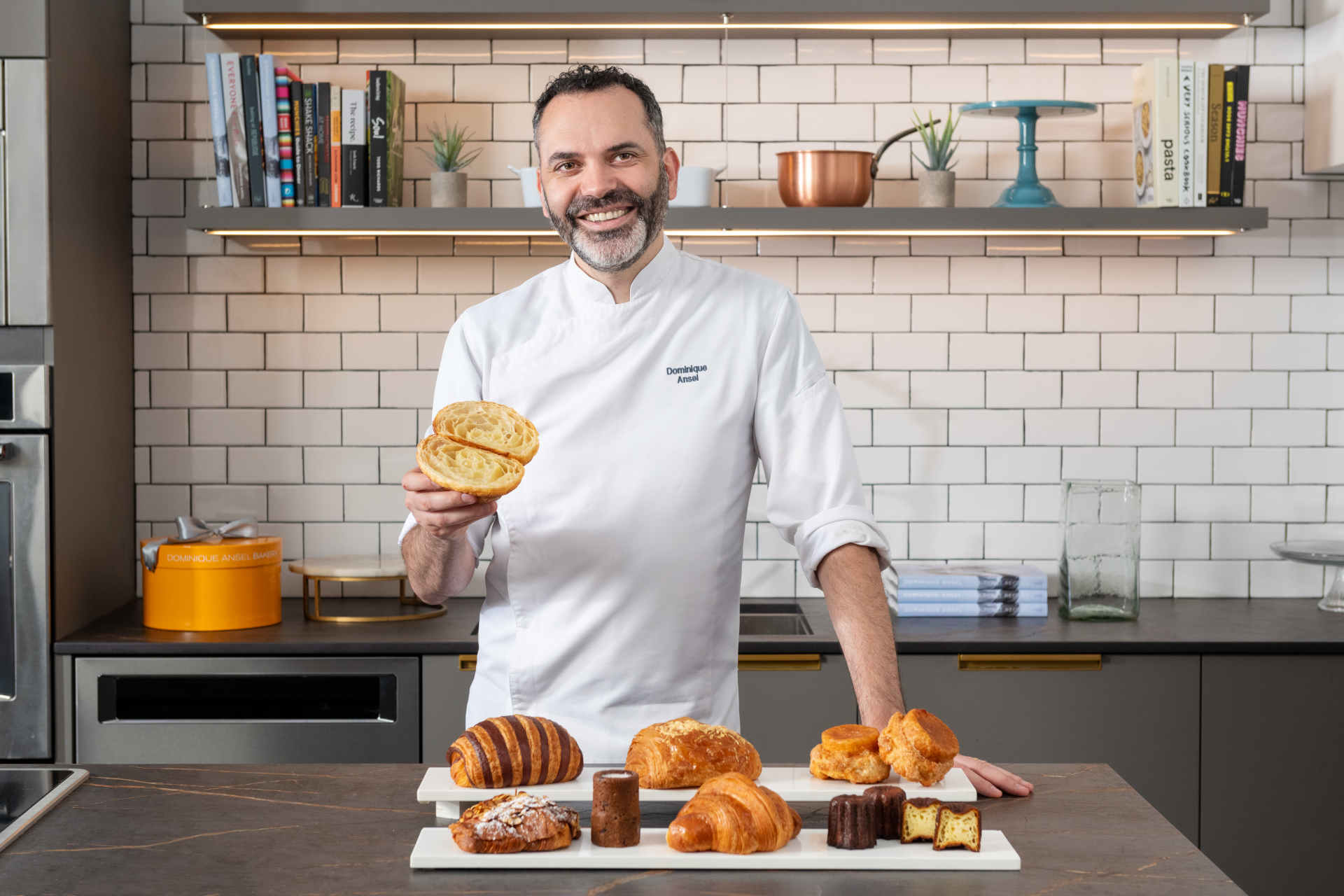
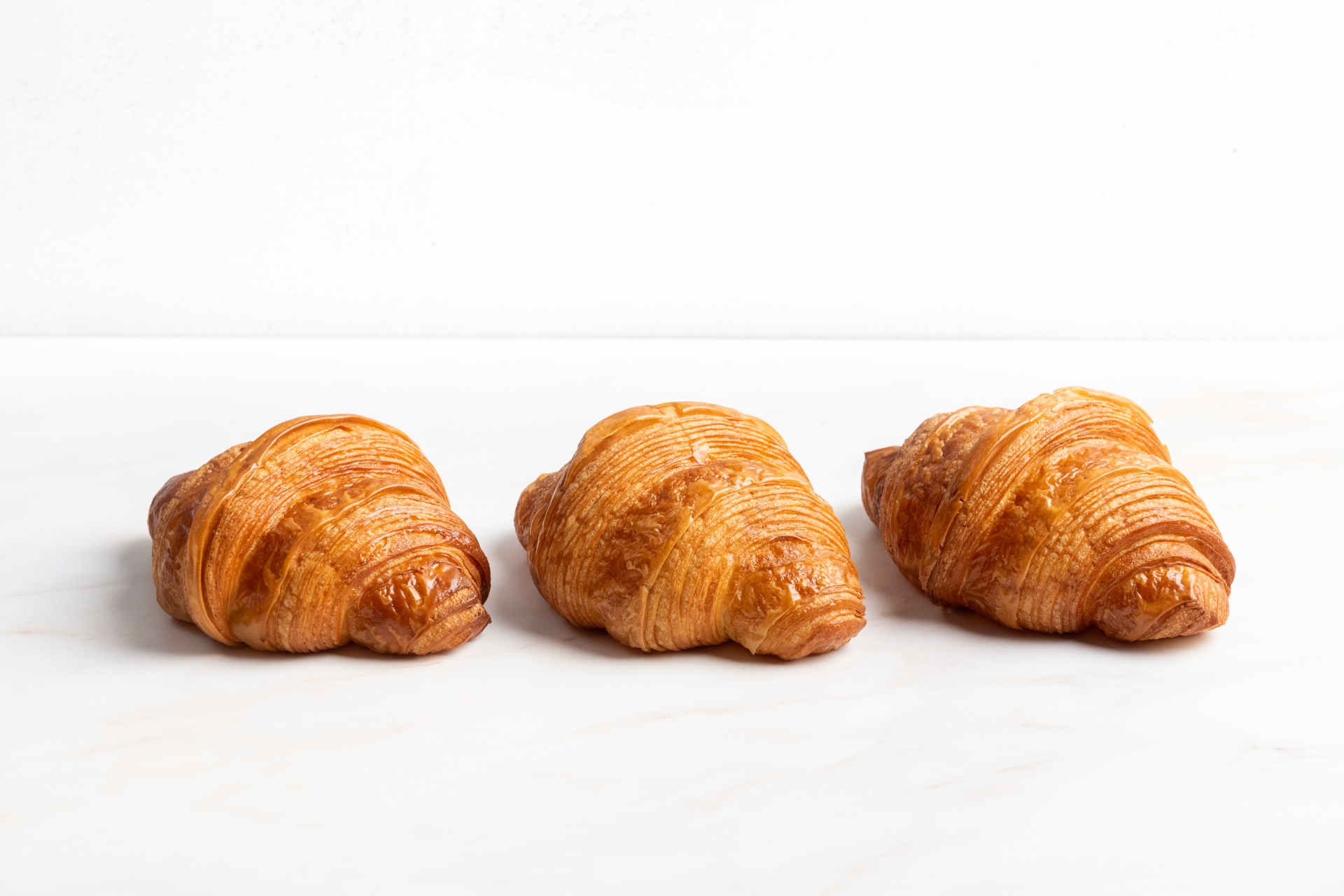
A croissant consists of just a few ingredients: butter, flour, water, egg, sugar, cream and salt. But mastering the correct technique takes years of practice and refinement. Dominique Ansel describes croissant making as a constant journey to perfection. Why? Because every detail, from laminating the dough to fermentation, makes the difference between a good croissant and an outstanding one. A croissant should not be too long and too flat, it is characterized by a fluffiness, with high layers and golden color, shiny, even egg wash. The croissant must have a nice honeycomb crumb and must not have risen too little. If it has not risen enough, the croissant will have uneven, large air pockets.
The art of laminating
Laminating is the process of layering dough and butter into very thin, alternating layers. This technique is crucial to the characteristic flakiness and lightness of a croissant. During laminating, a block of butter is folded into the dough and rolled out and folded again multiple times to create numerous layers.
Why are the layers important?
A well-made croissant should have a honeycomb-like structure when cut. These layers not only provide the light and airy texture, but also the distinctive taste and mouthfeel.
Dominique Ansel's masterpieces
DKA – Dominiques Kouign Amann
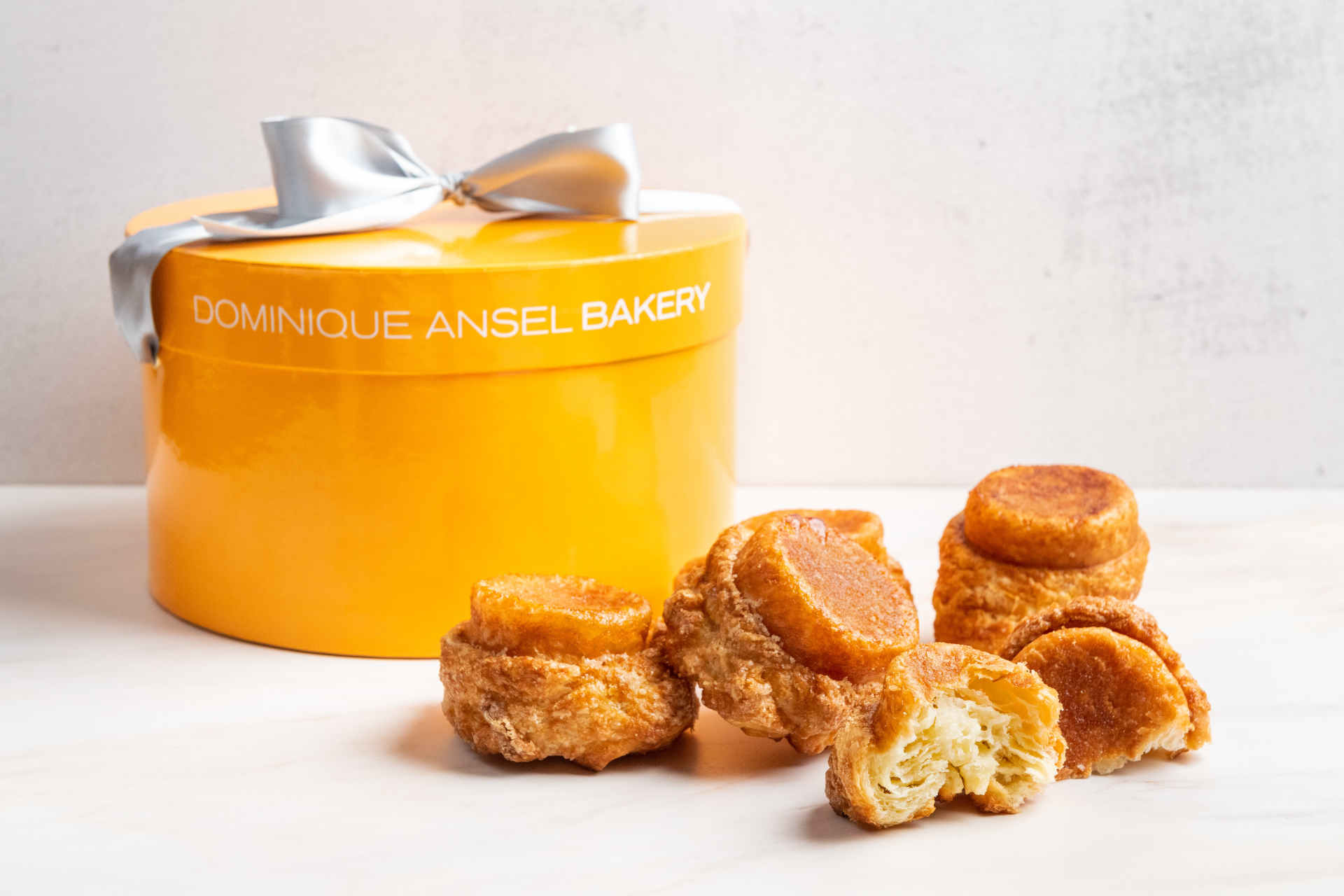
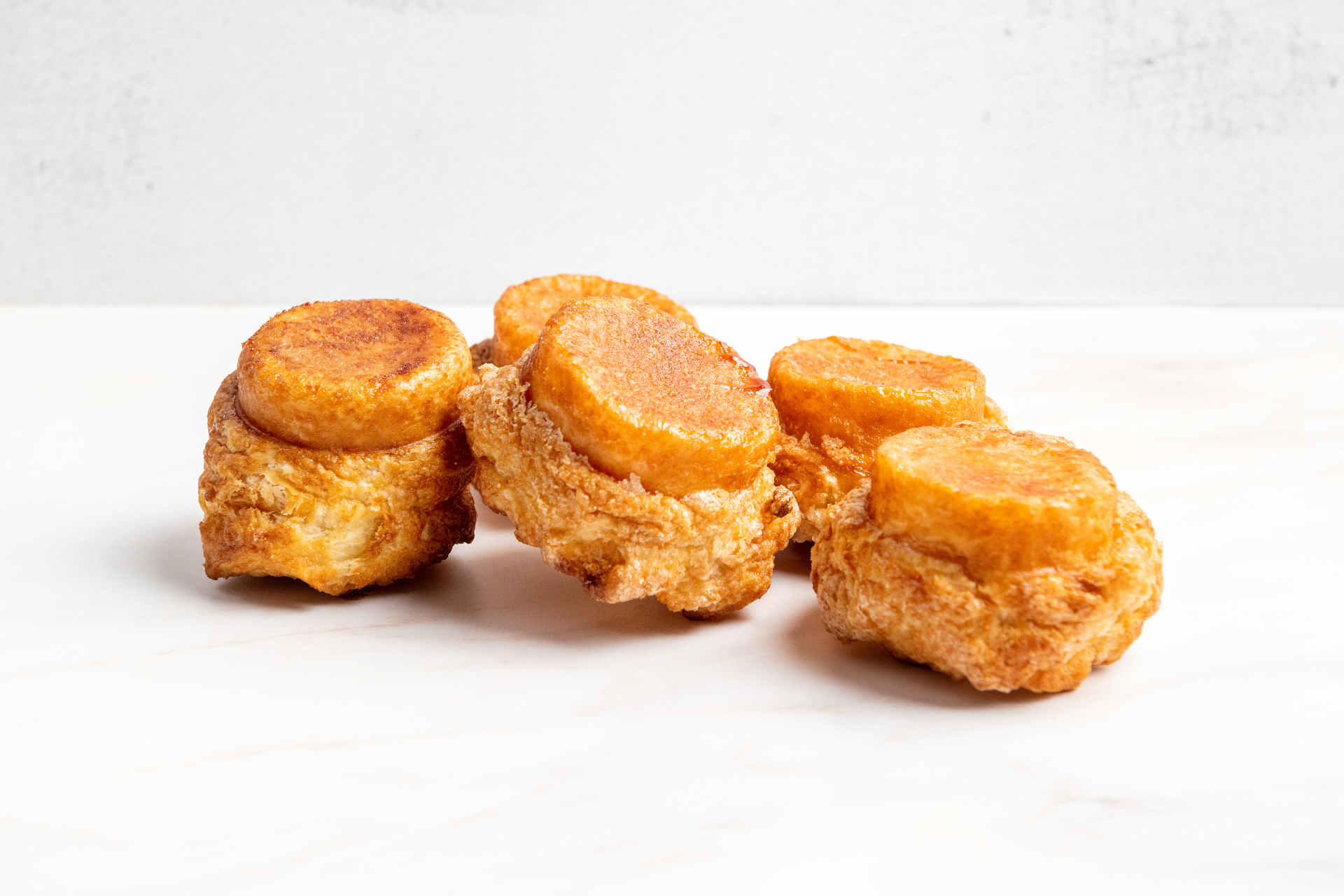
Another highlight from Dominique Ansel's kitchen is the DKA, a type of caramelized croissant with delicate, flaky layers on the inside and a crispy crust on the outside. It is his trademark and bestseller.
Pain au Chocolat
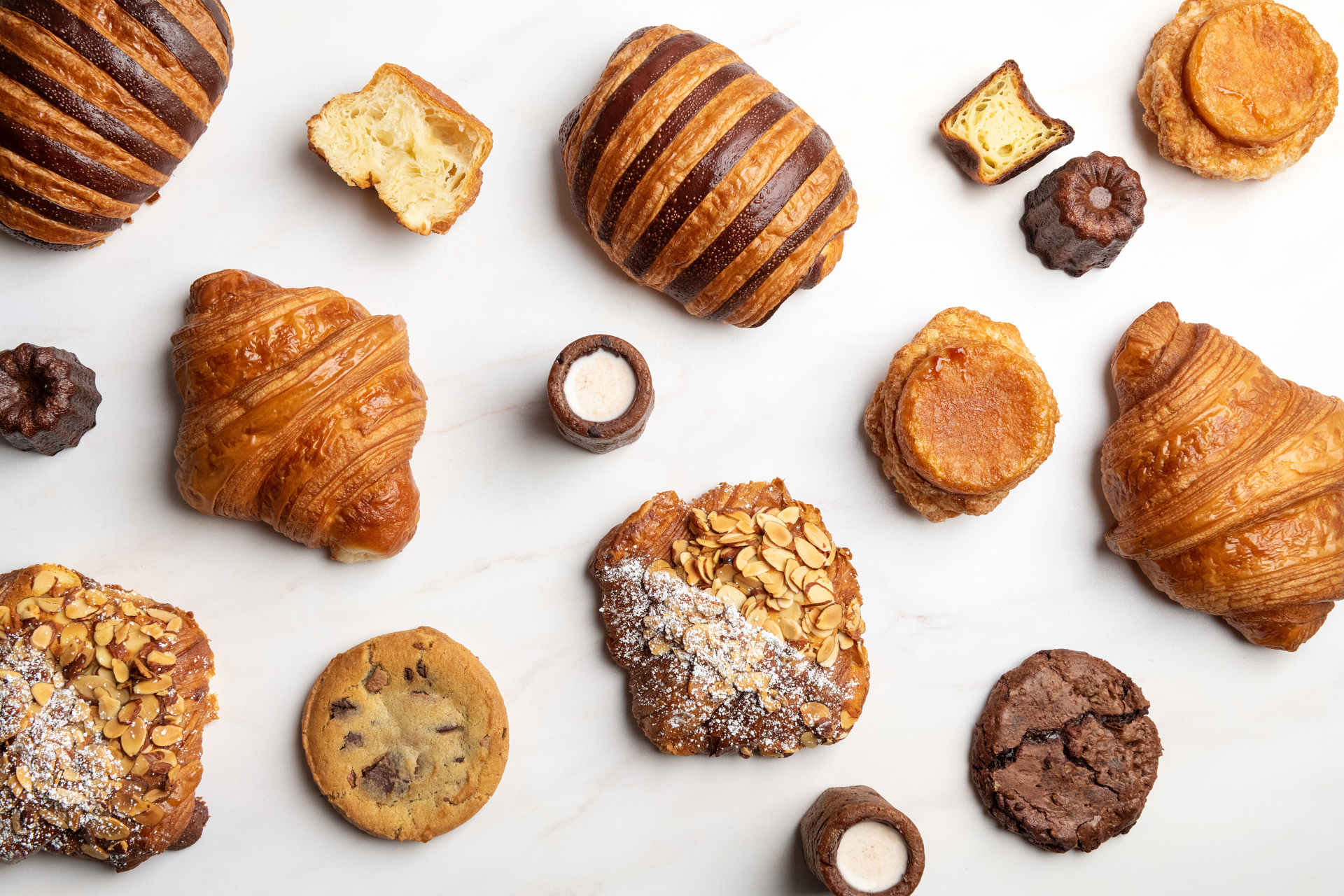
For chocolate lovers, Pain au Chocolat is a must. With three chocolate bars inside, it offers an intense chocolate experience in every bite.
Interesting facts about the croissant
What is Viennoiserie?
The term Viennoiserie comes from French and means “things from Vienna”. This category includes baked goods made from yeast dough such as croissants, Danish pastries, pain au chocolat, kouign amann and brioches.
Where does the croissant really come from?
Although the croissant is considered a French symbol, its roots come from Austria. The Austrian Kipferl, a small, curved white pastry, is considered the forerunner of today's croissant.
How healthy is a croissant?
Croissants are a high-calorie delicacy. Due to the combination of simple carbohydrates, sugar and a lot of fat in the puff pastry, they are not particularly healthy, but they offer an incomparable taste experience.
How many layers does a croissant have?
A traditional croissant has 27 layers of dough and fat. These layers are created by the repeated rolling and folding of the dough during the lamination process.
A few more terminology explanations:
- LEVAIN: This is the starter used to make many types of bread, consisting of equal parts flour and water that gradually ferments over time and acts as a leavening agent in your dough.
- BUTTER BLOCK: The square of butter that is folded into dough during the lamination process. Other types of laminated pastries require different proportions of butter in the dough.
- LAMINATING: The technique of layering dough and butter multiple times to achieve very thin, aging layers of butter and dough, which are responsible for the flaky texture of many of our products. This method is performed on favorite classic French pastries such as croissants, puff pastries, danishes and more.
- LETTER FOLD & BOOK FOLD: Depending on which pastry is being prepared, either the letter fold, which is always folded in thirds like an envelope, or the book fold, which is folded in the middle like a book fold, is used.
- FERMENTATION: The process by which yeast dough rises and develops both volume and flavor.
- PROOFING: The final proofing of bread dough before baking.
- HONEYCOMB CRUMB: When a well-made croissant is cut open, the cross-section resembles a honeycomb with a beautiful airy spiral structure inside.
Our Outlook for the future
Making croissants is an art that requires time, patience and precision. With Dominique Ansel's tips and techniques, you too can experience the magic of croissant making and maybe even bake the perfect croissant. Immerse yourself in the world of Viennoiserie and enjoy every crunchy, buttery bit of this French classic. No matter how fast the world turns, traditional pastries will always have a place in our lives.