More than just decoration

Art in gastronomy and the hotel industry
Christian Behnke / Katrin Kerschbaumer / Christian Schneider
Alexandra-Embacher-c-Martin-Guggenberger-Photography-web
22. August 2023 | 
Alexandra Embacher
22. August 2023
|
Alexandra Embacher

“For me, art is a way of approaching the world and things and topics that you have to deal with in your business environment.”

Max Schlereth, owner of Living Hotels

Surrounding yourself with beautiful things – numerous hotels and catering businesses have jumped on this bandwagon. Each with its own individual input and output, because art is certainly never the same. The Hirschen in Dornbirn, for example, exhibits the sculptures of self-taught artist Günter Nussbaumer, while the restaurant of the same name in Lambach makes room in the Herzogstube for openings by young up-and-coming artists from Upper Austria under the motto „Kinski & Kunst“. And the Malerwinkel in the Styrian Vulkanland region even describes itself as an art hotel, as “eat+art” artist Peter Troißinger is at home here.

Reaching out to the world

Art and gastronomy or the hotel industry go together wonderfully, but for Max Schlereth, owner of Living Hotels, not just as decoration: “For me, art is a way of approaching the world and things and topics that you have to deal with in your business environment.” Two approaches are essential for him here: on the one hand, a clear, sharp, analytical view of things, and on the other, an intuitive, pre-reflective, pre-minded approach. Both together make up the whole and “then the immeasurable complexity of a person meets a framework in the service”. And further: “This results in authenticity, which in turn is expressed through the stage, in our case the hotels, and this is where art and the hotel industry come together.”

Cultural venue

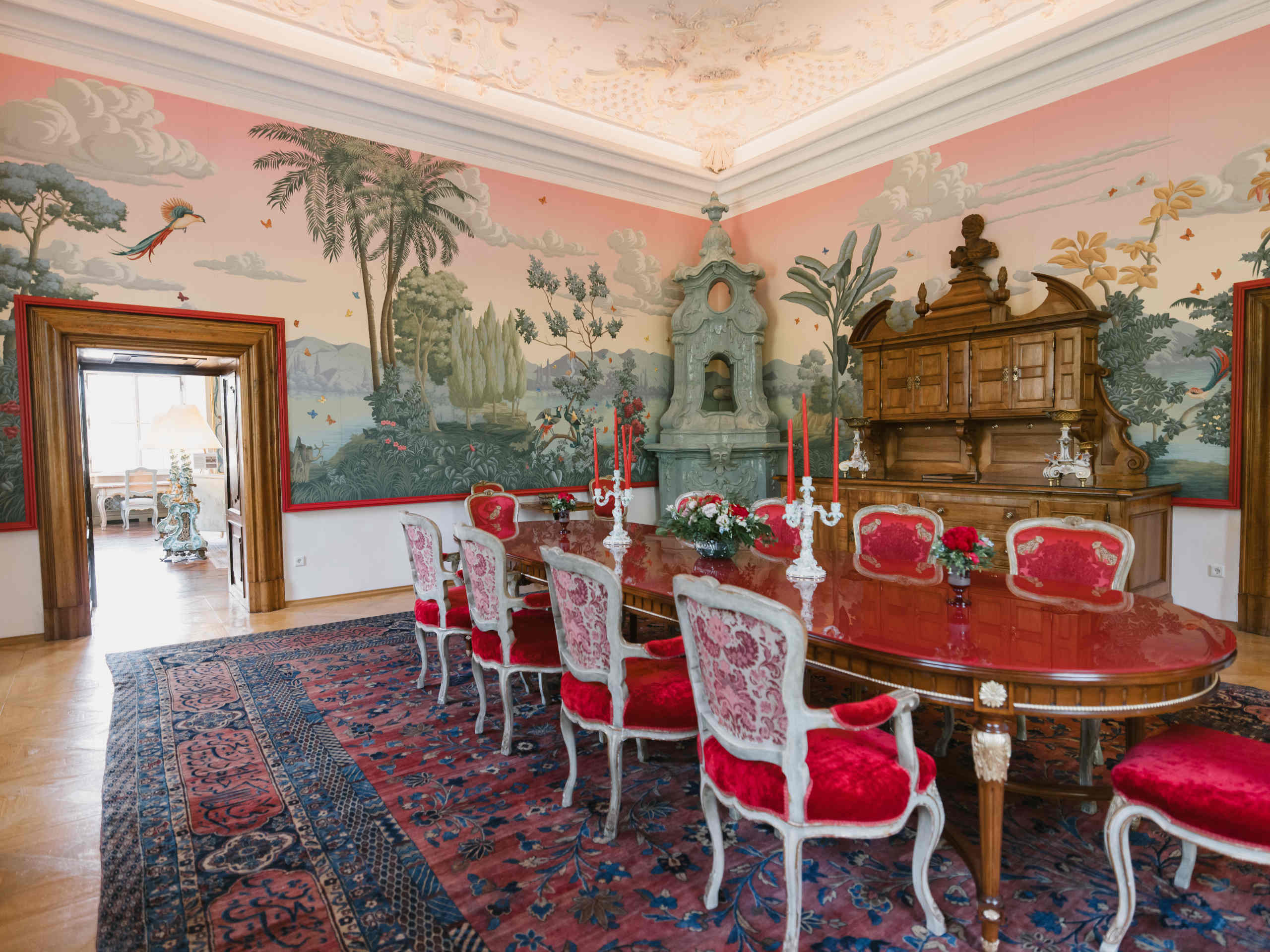
Elsewhere, in Salzburg, whose history lies in the hands of culture anyway, a similar approach is being taken: Schloss Leopoldskron recently hosted a cultural reception under the motto “New Splendor in the Red Salon”, to which Mozarteum University, Salzburg Global Seminar and the hotel were equally invited. Musical performances and recitations formed a symbiosis that once again turned the Salzburg event location into a cultural venue. “For me, culture is a part of society and what makes society what it is,” emphasized Schlereth, who also holds the position of Society President.

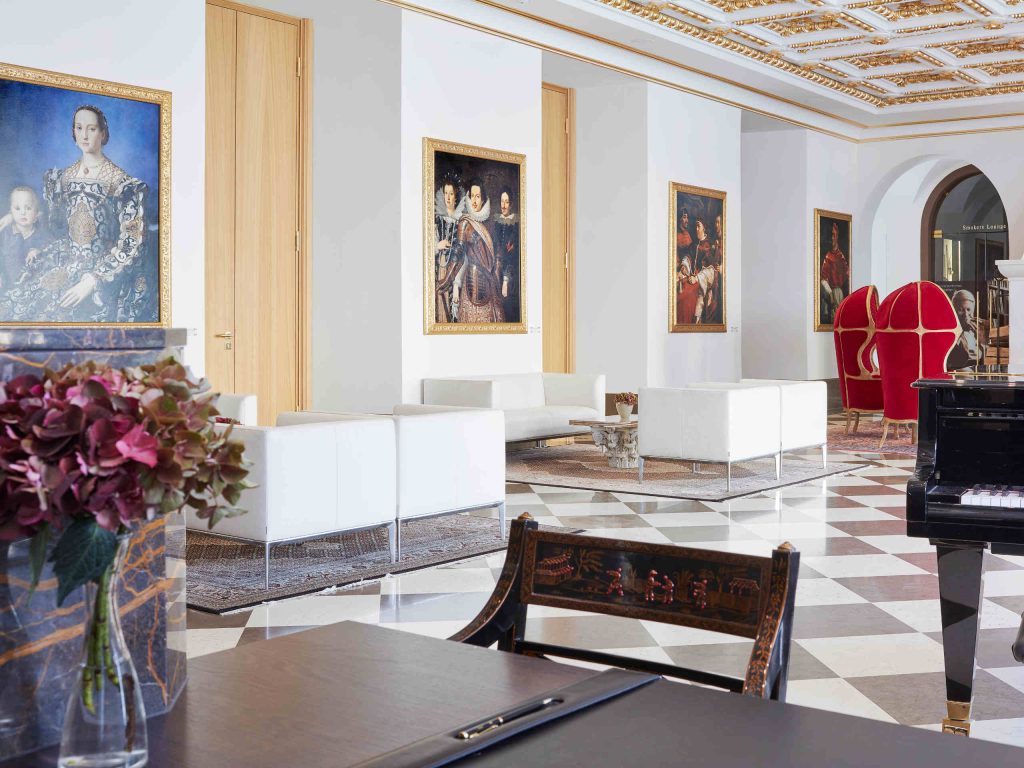
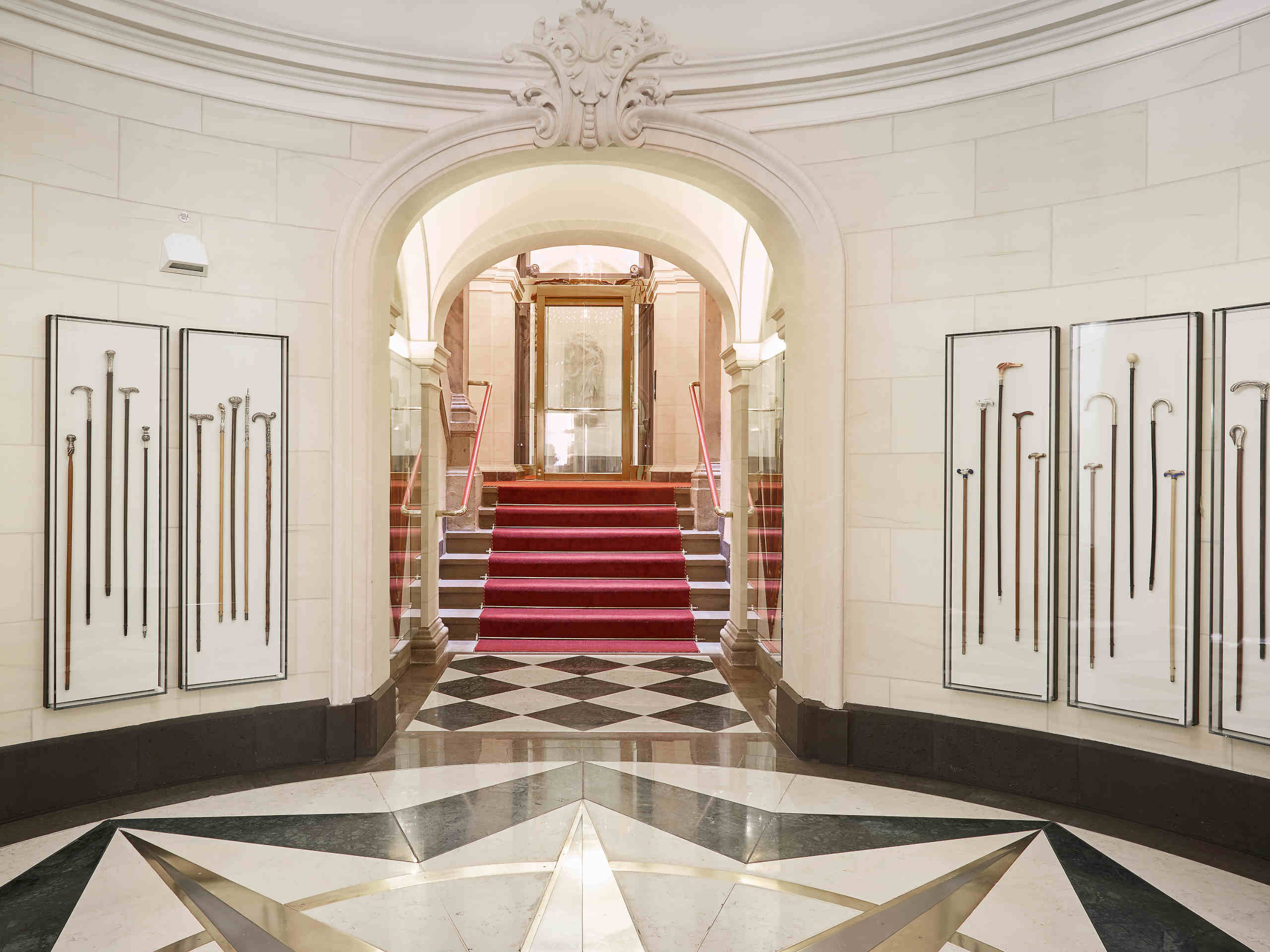
He was always surrounded by art, it accompanied him throughout his life. This is one reason why art objects can be found in the lobbies, public areas and rooms of the Living Hotels. In the De Medici House in Düsseldorf, part of his father's considerable art collection has even been exhibited, “so that art can be experienced in a very informal and indirect way”. This makes the De Medici the first art museum in this country where you can also sleep, says Schlereth and knows the nickname of the house: “Little Louvre on the Rhine”.
Hotels as a stage

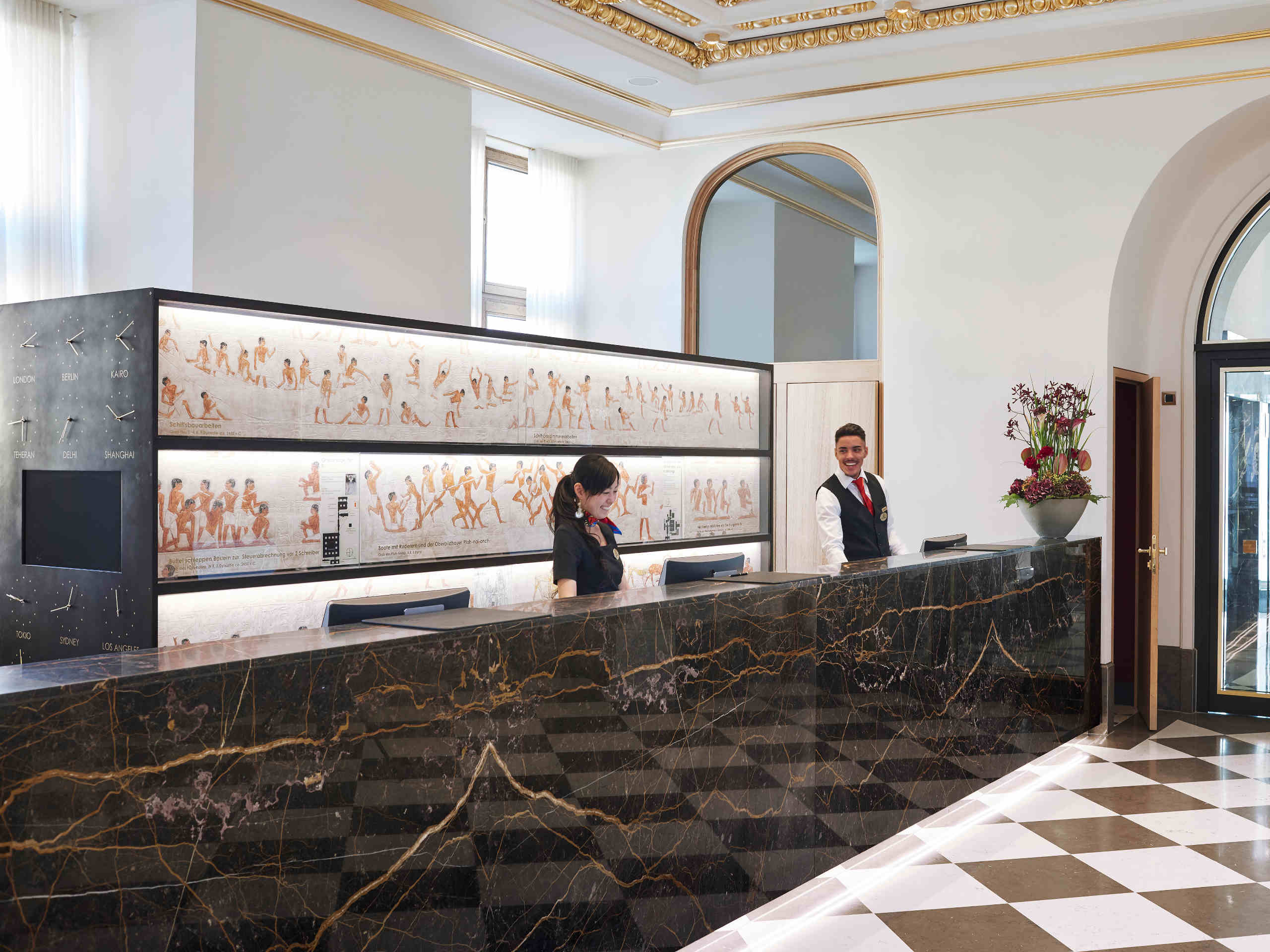
But how can art and gastronomy/hospitality be found in practice, apart from the obvious? Through the employees, as Schlereth explains: “An organic connection is created by removing the ritualized, the rigid and creating space for development - not in such a way that everyone is allowed to do everything, but that the hotel is seen as a stage on which the employees act as if in a play.” However, this should not be planned; mistakes should also be allowed to happen sometimes. This can result in unexpected encounters and events that have the potential to touch people - both the employees themselves and the guests. “So instead of turning a hotel purely into a gallery, I like the approach of creating many small works of art from the mutual experience on the hotel stage itself,” he concludes.

A la table, s'il vous plaît! A la table, s'il vous plaît! A la table, s'il vous plaît! A la table, s'il vous plaît!
Copyright for the featured images used:
Christian Behnke / Katrin Kerschbaumer / Christian Schneider

Humpback Whales, Biodiversity and the New Responsibility of Luxury Tourism

Why species conservation is becoming a quality marker for modern travel experiences

A humpback whale is more than just a spectacular sight. It is a symbol of how closely nature, travel and responsibility are intertwined today. When guests at One&Only Palmilla in Los Cabos are able to observe these majestic marine mammals during their seasonal migration between December and April, it is not just about an iconic wildlife experience. It is about raising awareness.

Humpback whales are among the most fascinating inhabitants of the oceans. Their tail fin patterns are as unique as a human fingerprint. At the same time, they play a vital role in the marine ecosystem: through their movements and excretions, whales help to distribute nutrients in the sea and promote the growth of phytoplankton. This, in turn, sequesters carbon dioxide and produces oxygen.

This is precisely where the new relevance lies: biodiversity is the foundation of every destination and is thus becoming a decisive quality feature for luxury hotels, resorts and responsible tour operators.

Laschenskyhof near Salzburg

How a family-run hotel combines sustainability, wellness and modern hospitality

The Laschenskyhof near Salzburg is a family-run 4-star superior wellness hotel that combines sustainability, regional cuisine and a modern staff culture. How this long-established establishment successfully blends wellness, hospitality and financial stability.

Modern workwear: CO:LAB chef’s dress

WEITBLICK presents the first professional chef’s dress for women in the catering and hospitality industries

With the new CO:LAB chef’s dress from WEITBLICK, WEITBLICK GmbH & Co. KG is bringing a genuine innovation to the market. For the first time, a professional chef’s dress has been developed specifically for women working in kitchens, service, hospitality and the hotel industry. The clear focus is on functionality, freedom of movement and modern design. In doing so, the company is sending a clear signal for greater appreciation, diversity and contemporary workwear in an industry that is increasingly shaped by women.

quick & dirty
Kunst im Living Hotels De Medici © Christian Behnke
More than just decoration

Surrounding yourself with beautiful things – numerous hotels and catering businesses have jumped on this bandwagon. Each with its own individual input and output, because art is certainly never the same. The Hirschen in Dornbirn, for example, exhibits the sculptures of self-taught artist Günter Nussbaumer, while the restaurant of the same name in Lambach makes room in the Herzogstube for openings by young up-and-coming artists from Upper Austria under the motto „Kinski & Kunst“. And the Malerwinkel in the Styrian Vulkanland region even describes itself as an art hotel, as “eat+art” artist Peter Troißinger is at home here.