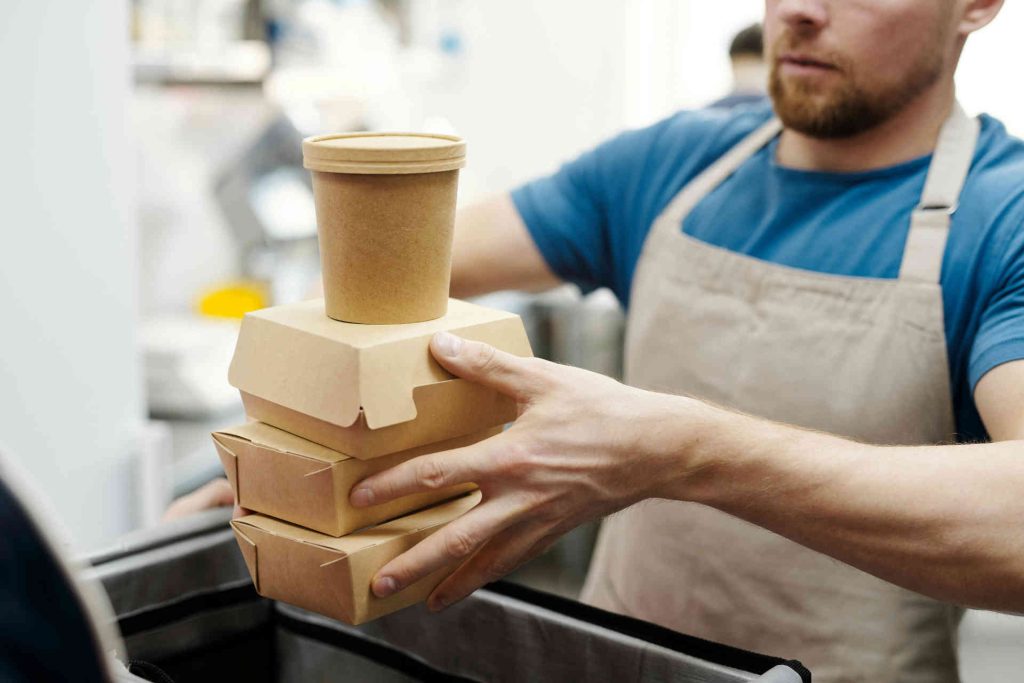

Capital of food delivery
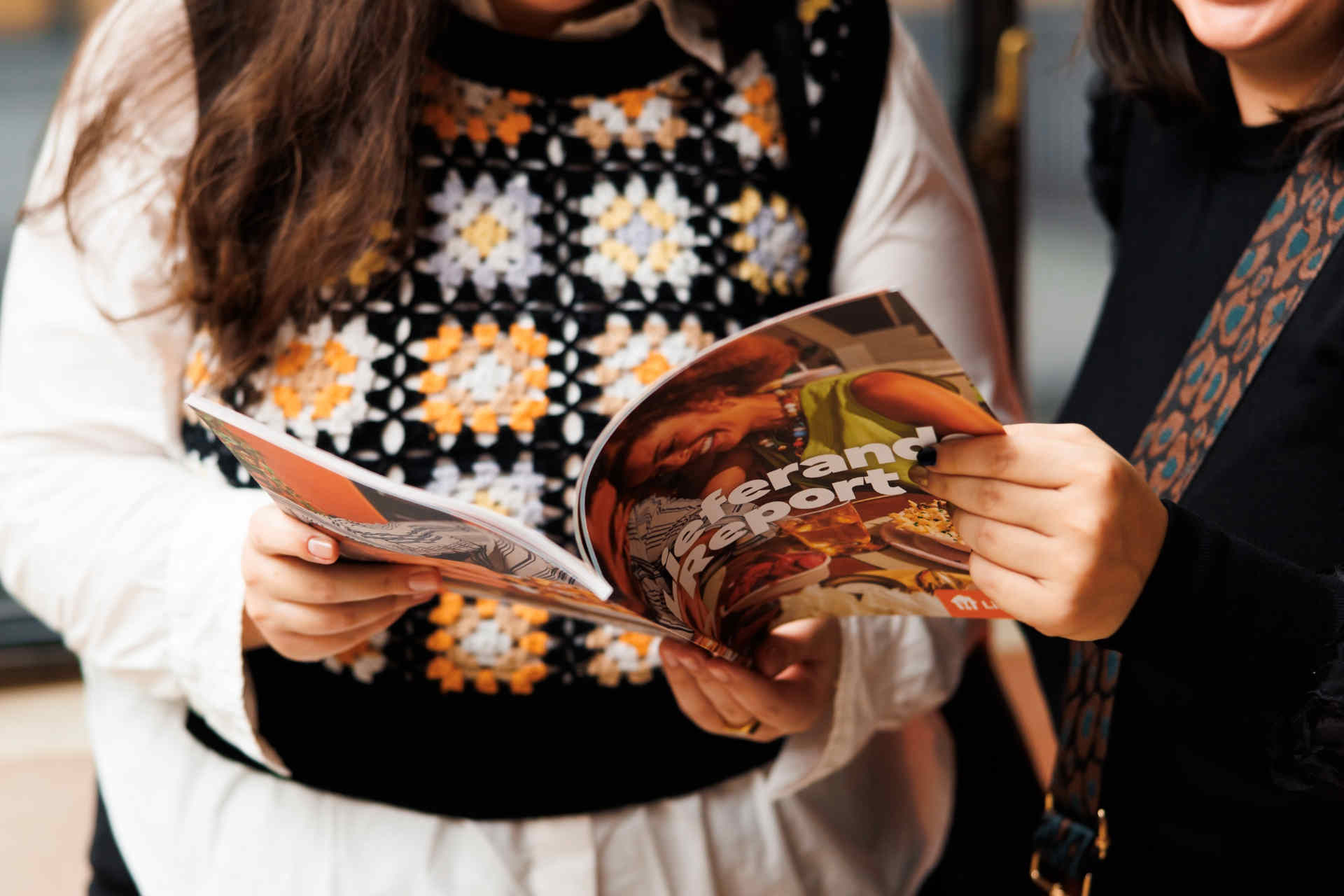
Vienna isn’t just the capital of Austria - it’s also the unofficial capital of food delivery. The Lieferando Report 2024 reveals how ordering habits are evolving and which culinary trends are taking center stage. Insights from 1.4 million users and a representative survey paint a clear picture: Austria is diverse, mindful, and indulgent when it comes to food.
1. Authentic Cuisine: Regional and Often Vegetarian
The love for regional dishes remains strong. 41% of Austrians prefer traditional meals, often in vegetarian variations. Notable highlights include:
- +5% Veggie Schnitzel
- +31% Veggie Käsekrainer
- +27% Organic Products
This trend reflects not only culinary values but also a growing awareness of sustainability. Authentic cuisine relies on fresh, local ingredients and supports regional producers.
2. Wellness Diet: Enjoyment Without Sacrifice
Healthy eating is no longer seen as deprivation but as enrichment. 91% of Austrians associate food with well-being. The data shows:
- 46% of orders are vegetarian.
- 20% are vegan.
- Products labeled “protein” saw a +20% increase in orders.
This trend highlights the growing popularity of mindful eating. As food trend expert Hanni Rützler puts it: “Eating should bring joy and contribute to long-term well-being - without rigid diet rules.”
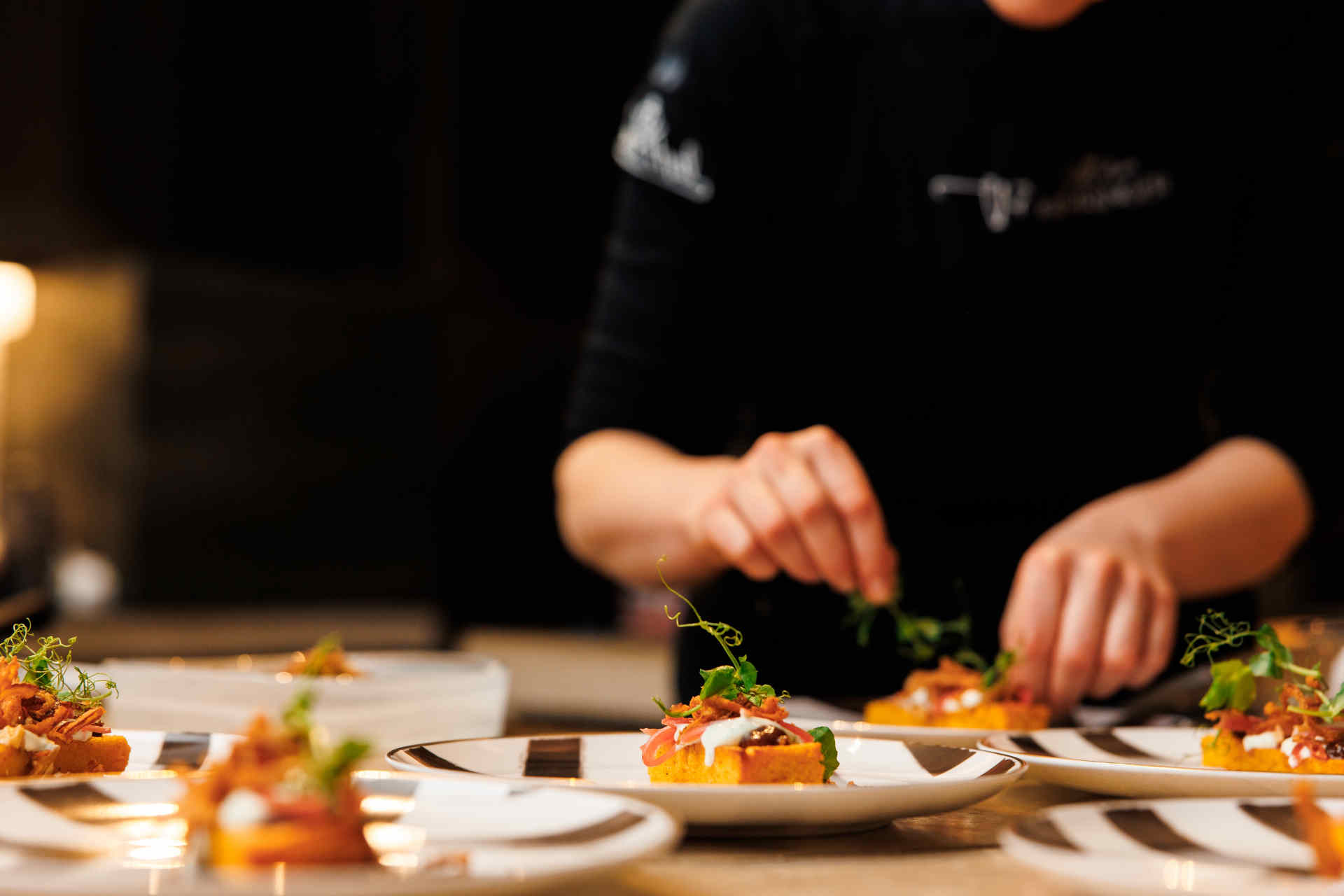
3. Mindful Snacking Culture: The Rise of Mini-Meals
The traditional structure of breakfast, lunch, and dinner is losing its significance. 51% of Austrians eat flexibly, often opting for snacks. Orders with the keyword “snack” increased by 20%, while late dinners after 9 PM grew by 8 to 12%.
Fun fact: 68% of all orders are placed in the evening. Snacks are no longer “in-between” meals but delightful little indulgences.
4. Culinary Fandom: The Growing Influence of Celebrities
Food and beverages endorsed by influencers or celebrities are gaining traction. 27% of Austrians have tried products from such collaborations. This trend underscores the significant impact of social media on eating habits.
5. Vienna: The Capital of Culinary Diversity
Vienna leads not only in order volume but also in variety. The city showcases several standout trends:
- Italian cuisine tops the ranking, with Pizza Margherita as the favorite.
- Russian cuisine shows the strongest growth.
- The quirkiest record: One customer placed 626 orders and consumed exactly 626 cans of Red Bull.
Our Takeaway for the Future
Today’s trends could become tomorrow’s standards. Veggie alternatives, regional ingredients, and flexible eating habits are shaping the culinary landscape sustainably. The data also reveals how globalized food trends – from Mexican to Russian cuisine – are gaining traction in Austria.
Whether it’s pizza, veggie Käsekrainer, or protein snacks, Austrians share a common trait: an ever-growing passion for diversity, indulgence, and sustainability.