
When trust is the most important ingredient
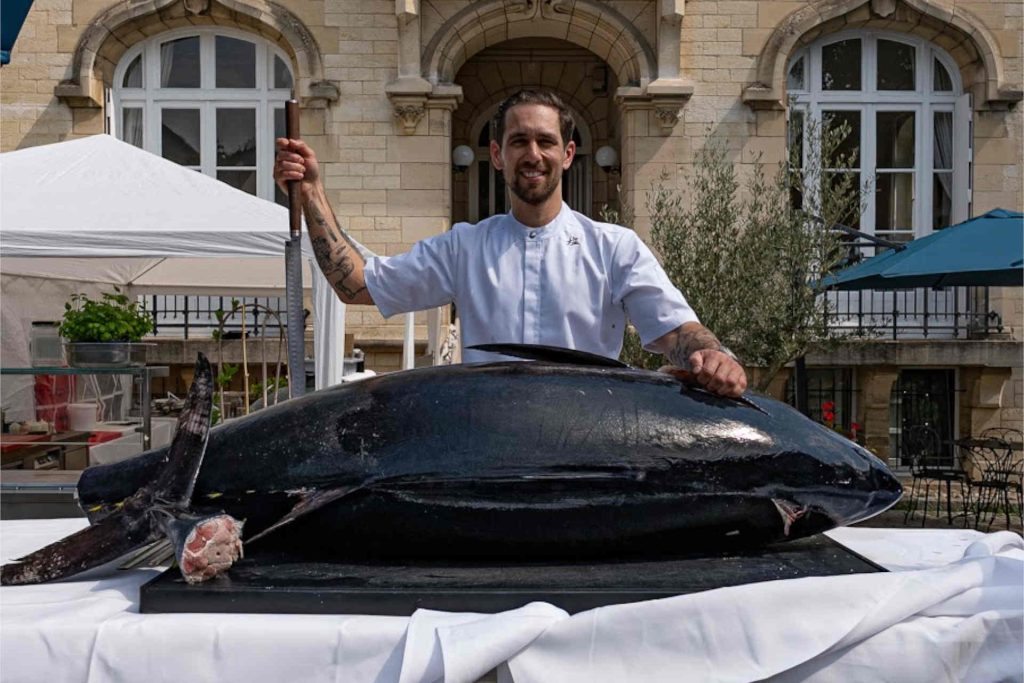
Hamburg's Schanzenviertel district is not necessarily known for Japanese high culture – but this is precisely where Shio is making a culinary statement. Host and sushi purist Hubert Haciski has deliberately opted for a radical concept: omakase – the Japanese surprise menu where guests place their complete trust in the chef.
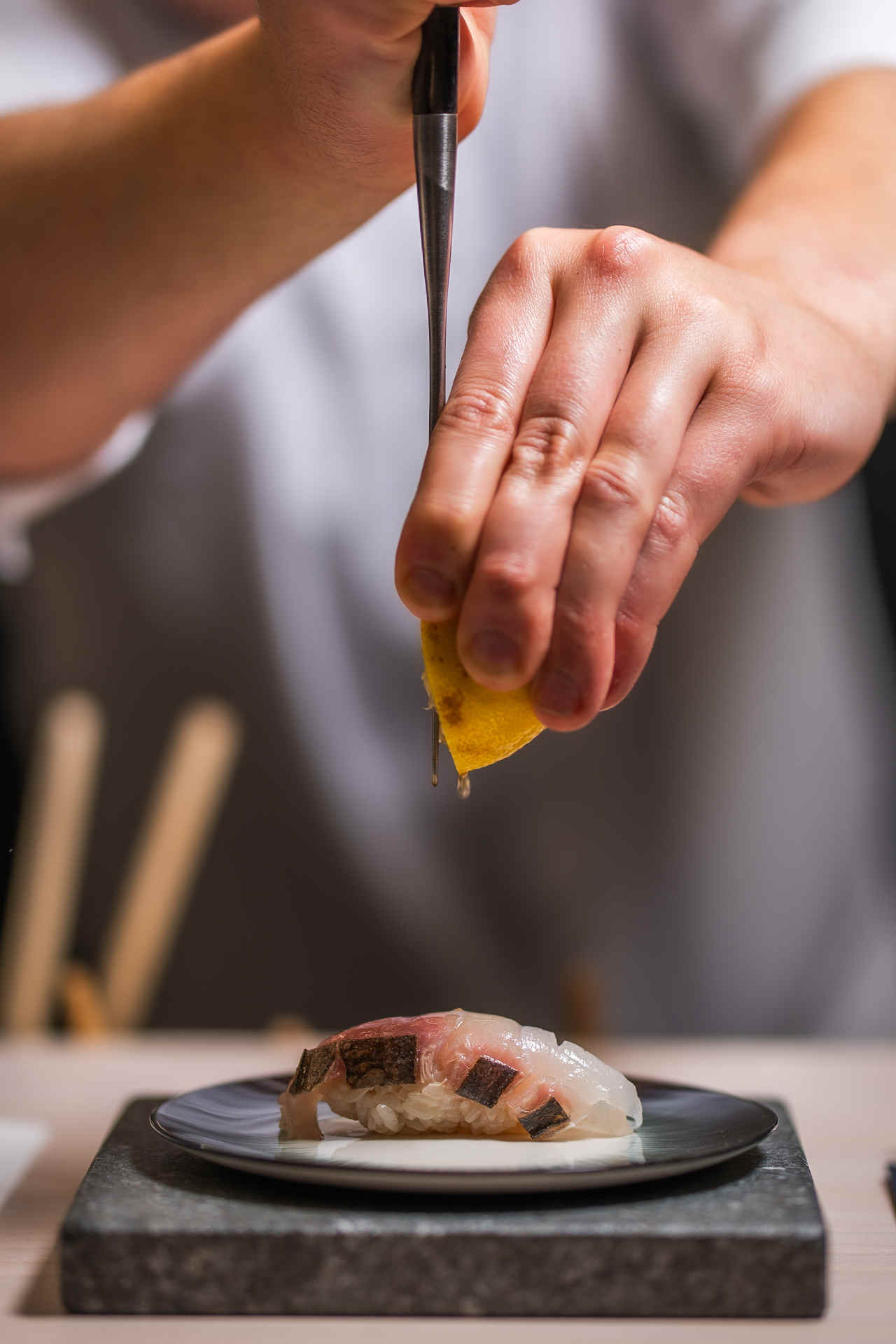
Eight seats, twelve courses, exclusively fish of the highest quality – served directly at the counter, prepared with Japanese precision and Nordic product philosophy. Since February 2025, Shio has been one of the most exciting sushi addresses in Germany – not least because of its uncompromising quality, sake expertise, and innovative dry-aging technique for fish.
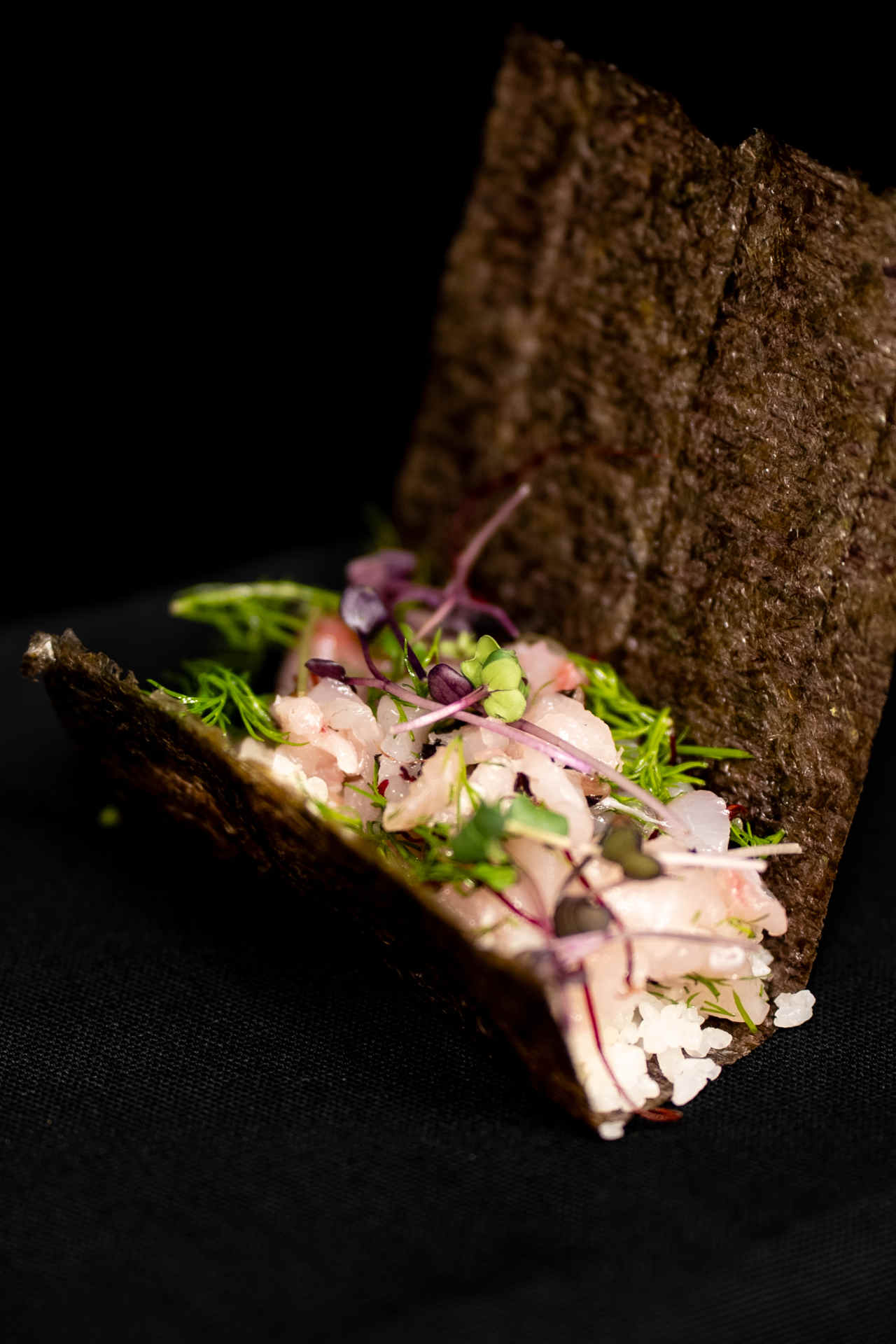
Interview with Hubert Haciski, Shio Hamburg
ALEXANDRA GORSCHE: Hamburg and Japan – how do they fit together?
HUBERT HACISKI: Omakase means “trust me.” That's exactly what it's all about. We work with products that are not often available in Germany. We want to show our guests something new – but that requires trust. Eight seats, twelve courses, and every menu is different. You have to be open to it.
Why is this concept working so well right now?
In the restaurant business, it's often the case that restaurants buy goods and then hope that guests will come. We do it the other way around – we sell the menu in advance. Like at the theater or the cinema. That gives us the freedom to focus completely on the product. We work exclusively with fish – because I love fish and because it's incredibly versatile.
You deliberately use fish from Northern Europe instead of imported fish from Japan. Why?
We don't want to fly everything in. Northern Europe has fantastic quality fish. We combine these products with Japanese techniques. It's more sustainable – and just as exciting in terms of taste.
Dry aging is more commonly associated with meat. What happens with fish?
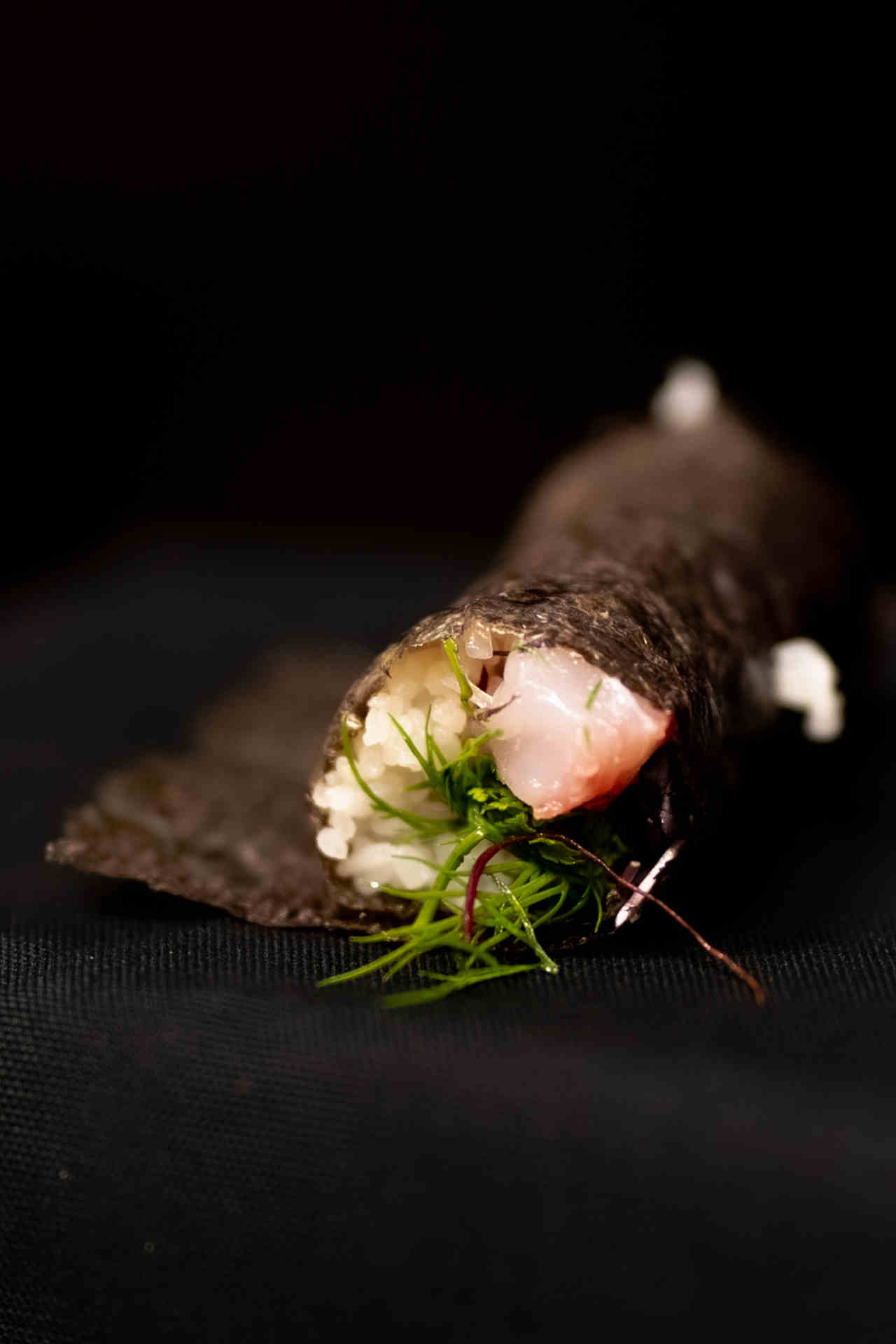
Fish loses water in the dry ager. This leaves the fat behind – and that's exactly what gives it its flavor. The texture changes and the umami content increases. Fish can easily be aged for one to two weeks. The result is significantly more intense and elegant.
How important is precision in your work?
Extremely important—but even more important is the journey the fish takes. We work with a supplier we trust completely, Hummer Pedersen. The relationship between the fisherman, the supplier, and the kitchen is crucial. When that's right, you can reach whole new culinary heights.
You often talk about “smart aging.” What do you mean by that?
Not every fish should be hung for as long as possible. It should be served when it is perfect. Ready-to-eat dry aging, if you will.
What trends do you see in the world of sushi?
Handroll bars are coming. Dry-aged fish will become normal. And we'll go even further: tuna chorizos, tuna salami, ham made from fish. A whole new world is opening up.
Where do you get your inspiration?
At trade fairs like Intergastra. In conversations with other professionals. And, of course, on Instagram and TikTok—there's an incredible amount happening there.
What would you like to convey to your guests?
A sense of craftsmanship. Not all fish is the same. There are A-grade, B-grade, and C-grade products—even from the same animal. I want guests to ask themselves: Where does my food come from? Why does one thing cost more than another? And if they don't know, I want them to simply trust us.