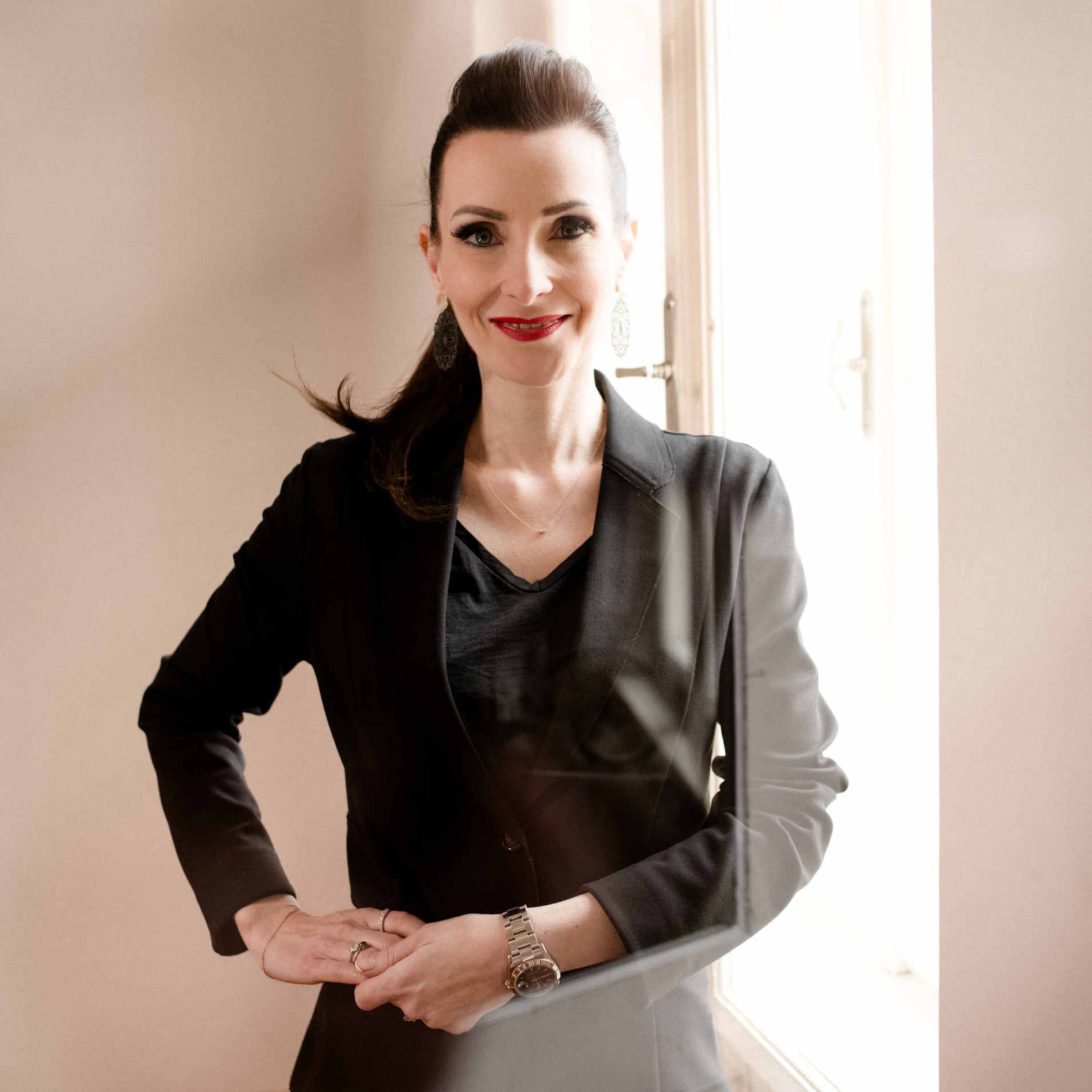

Community, craftsmanship, identity: Zolta Ceramics Studio, Vienna
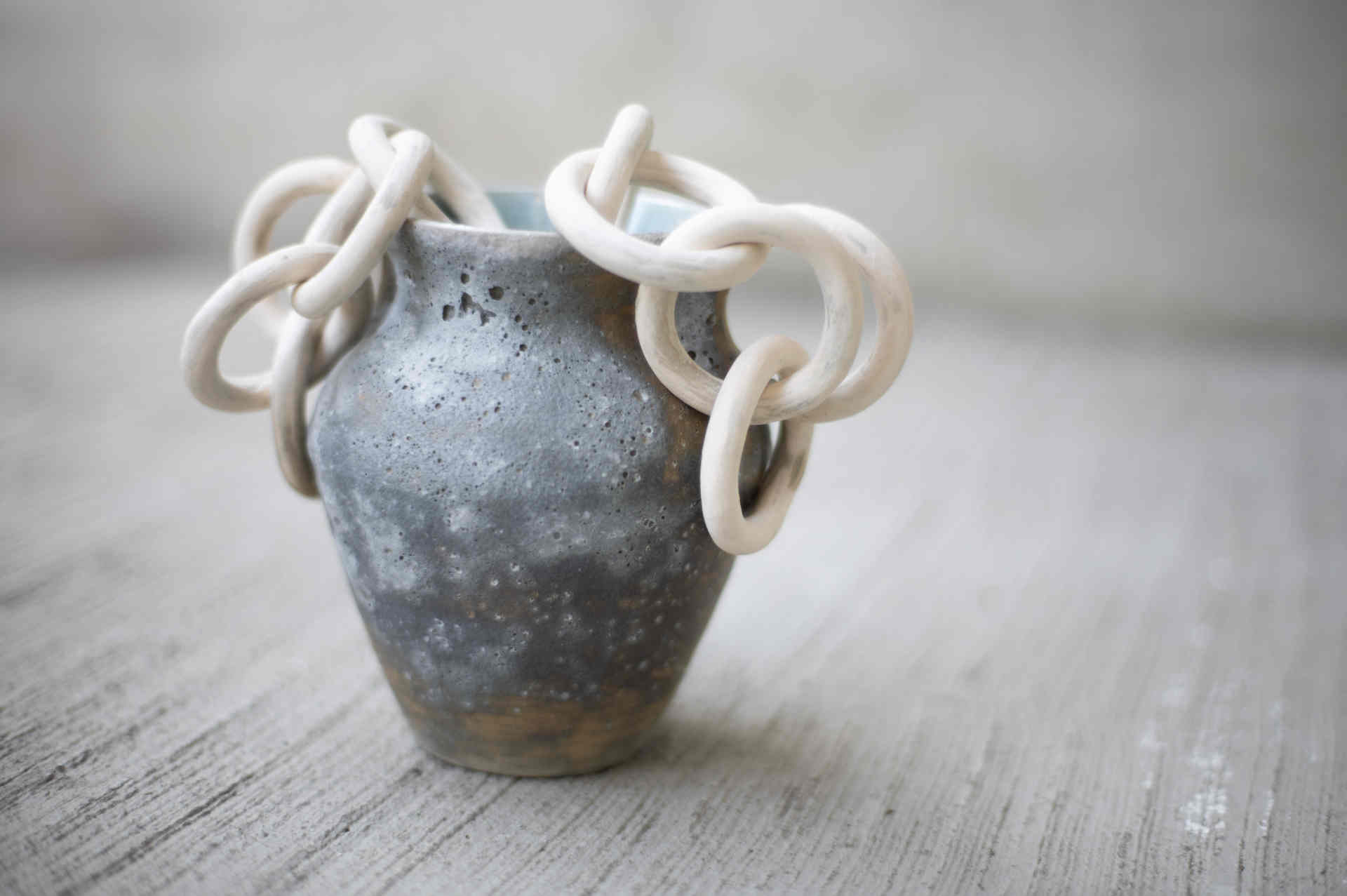
130 m² ceramics laboratory in the 3rd district: Painting Bar (low-threshold creative sessions with pre-made blanks), Ceramic Making Studio (7 potter's wheels, plaster molds, presses, two kilns), workshops, coffee corner, and shop. Founder Sirin AlMasri combines artistic ambition with social openness – the studio is at once a workshop, a place of learning, and a meeting place.
Special features
- Team-building format for companies (creative sessions, branding motifs, limited editions)
- Co-creation: Houseware or signature pieces (chef's table, amenities bowls, vases) in small series – differentiation in the market
- Event suitability: Workshops as guest retention (city hotels, resorts; family & lifestyle)
Sustainability & figures
- Local production, durable materials, repairability (glazing/firing service)
- Grand opening: October 5, 2025, Viehmarktgasse 3, 1030 Vienna
- Target groups: Private individuals, companies, collectors – can be planned for MICE supporting programs
Practical tip
An “Artist-in-Residence x Hotel” package with Zolta (3-month time slot, limited collection for the hotel, workshop weekend for regular guests) creates content, PR value, and measurable direct booking incentives.

Natural care, conscious enjoyment: Klar Seifen
Tradition meets zeitgeist: since 1840, Klar Seifen has been producing high-quality, natural-based care products in the Heidelberg area – vegan, plastic-free, and largely palm oil-free. Today, the traditional manufacturer is considered the oldest soap factory in Germany and combines craftsmanship with a clear focus on sustainability and modern natural cosmetics.
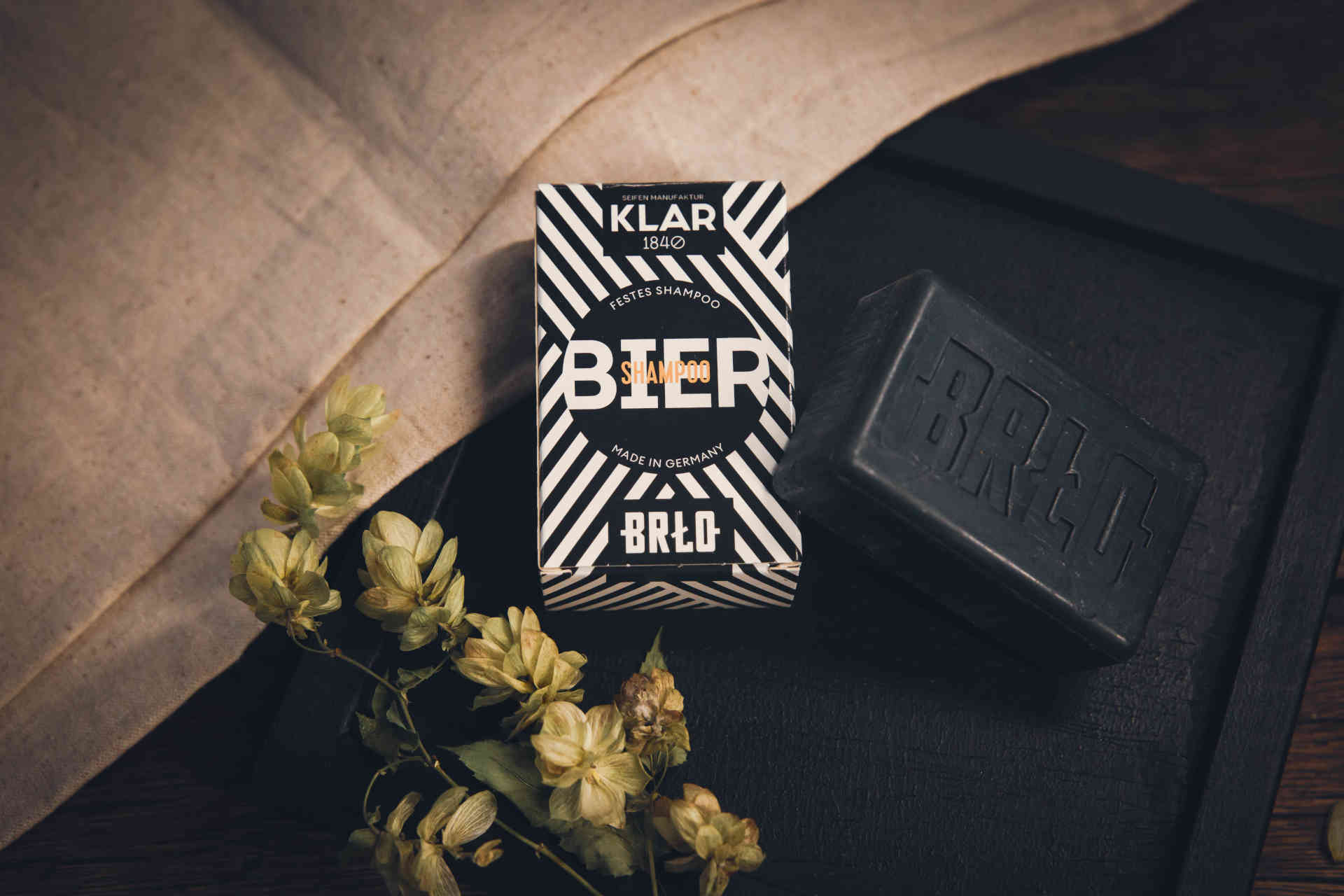
In cooperation with the Berlin-based brewery BRLO, a solid beer shampoo (100 g, approx. €10 retail price) was developed, which provides valuable nutrients and antioxidants for strong, well-groomed hair with hops and malt. A special rolling process makes it particularly economical, leak-proof, and ideal for spa, hotel, or travel use.
Equally distinctive are the wine soaps with Riesling and Pinot Noir, which nourish, moisturize, and visibly firm the skin with real grape seed extract. Both variants are based on plant-based ingredients, are vegan, palm oil-free, and packaged without plastic – a sustainable choice for conscious guests and retail concepts with a regional focus.
Special features
- Solid formats: hygienic, leak-proof, and ideal for spa and travel use—also popular with conscious consumers who value quality and sustainability
- Focus on natural cosmetics: The Klar Seifen range also includes high-quality care products such as deodorant creams, soaps, and shampoos
- Regional storytelling factor: beer and wine soaps with strong links to regional traditions.
- Personal branding: Klar Seifen also offers contract manufacturing and private labeling for tailor-made collaborations – find out more at www.seife.de.
Sustainability & figures
- Production in a modern, photovoltaic-powered factory in Plankstadt near Heidelberg
- Plastic-free packaging, long service life, fully recyclable materials
- PETA-certified, based on plant-based ingredients and mostly palm oil-free formulas
- Distribution via online shop, factory sales, and selected retail partners
Practical tip
The use of solid care products and natural cosmetics is not only a statement for conscious consumption, but also economically attractive: lower transport costs, longer shelf life, and less packaging material. As a sustainable addition to the spa or retail sector, they convey values such as quality, regionality, and ecological responsibility – issues that guests are increasingly aware of.
From Genusspunkt 3/2025