“For me, art is a way of approaching the world and things and topics that you have to deal with in your business environment.”
Max Schlereth, owner of Living Hotels
Surrounding yourself with beautiful things – numerous hotels and catering businesses have jumped on this bandwagon. Each with its own individual input and output, because art is certainly never the same. The Hirschen in Dornbirn, for example, exhibits the sculptures of self-taught artist Günter Nussbaumer, while the restaurant of the same name in Lambach makes room in the Herzogstube for openings by young up-and-coming artists from Upper Austria under the motto „Kinski & Kunst“. And the Malerwinkel in the Styrian Vulkanland region even describes itself as an art hotel, as “eat+art” artist Peter Troißinger is at home here.
Art and gastronomy or the hotel industry go together wonderfully, but for Max Schlereth, owner of Living Hotels, not just as decoration: “For me, art is a way of approaching the world and things and topics that you have to deal with in your business environment.” Two approaches are essential for him here: on the one hand, a clear, sharp, analytical view of things, and on the other, an intuitive, pre-reflective, pre-minded approach. Both together make up the whole and “then the immeasurable complexity of a person meets a framework in the service”. And further: “This results in authenticity, which in turn is expressed through the stage, in our case the hotels, and this is where art and the hotel industry come together.”
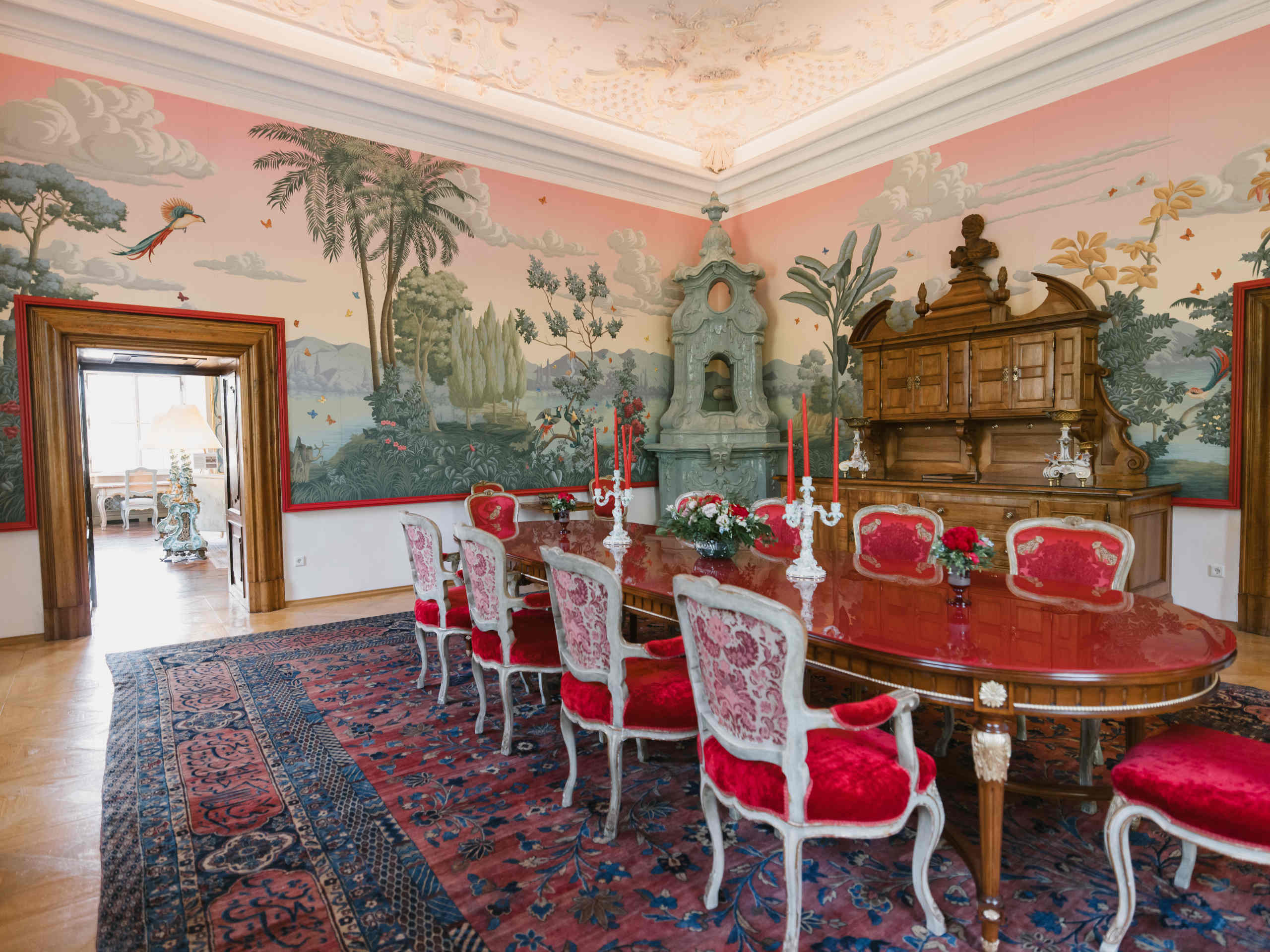
Elsewhere, in Salzburg, whose history lies in the hands of culture anyway, a similar approach is being taken: Schloss Leopoldskron recently hosted a cultural reception under the motto “New Splendor in the Red Salon”, to which Mozarteum University, Salzburg Global Seminar and the hotel were equally invited. Musical performances and recitations formed a symbiosis that once again turned the Salzburg event location into a cultural venue. “For me, culture is a part of society and what makes society what it is,” emphasized Schlereth, who also holds the position of Society President.
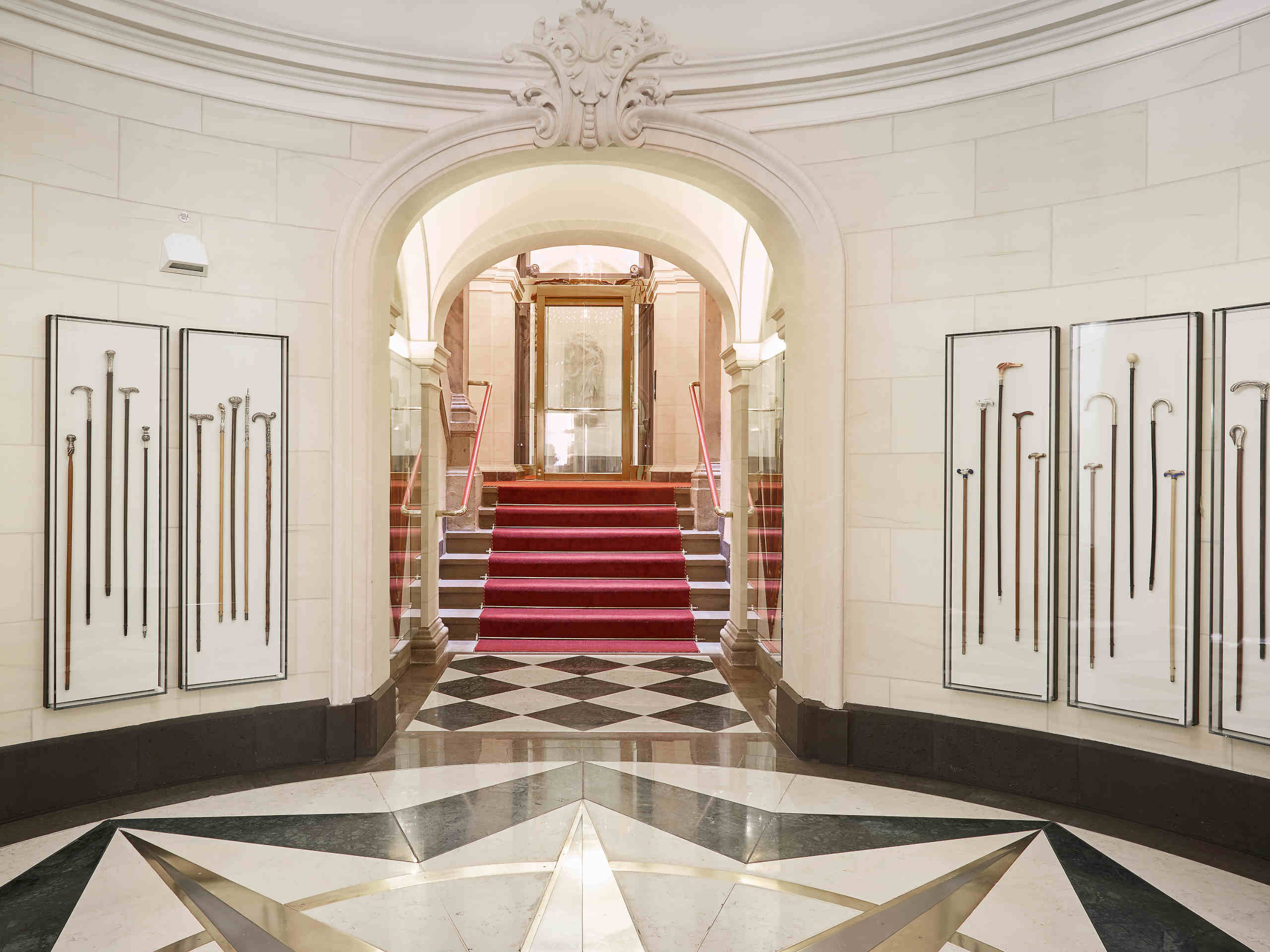
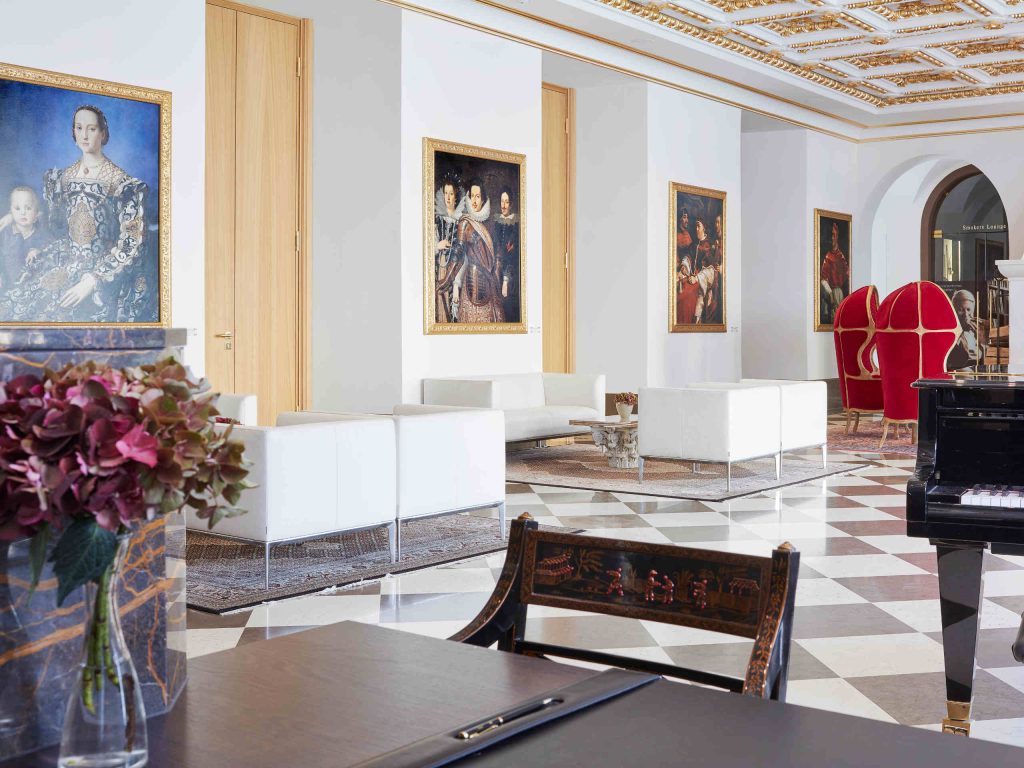
He was always surrounded by art, it accompanied him throughout his life. This is one reason why art objects can be found in the lobbies, public areas and rooms of the Living Hotels. In the De Medici House in Düsseldorf, part of his father's considerable art collection has even been exhibited, “so that art can be experienced in a very informal and indirect way”. This makes the De Medici the first art museum in this country where you can also sleep, says Schlereth and knows the nickname of the house: “Little Louvre on the Rhine”.
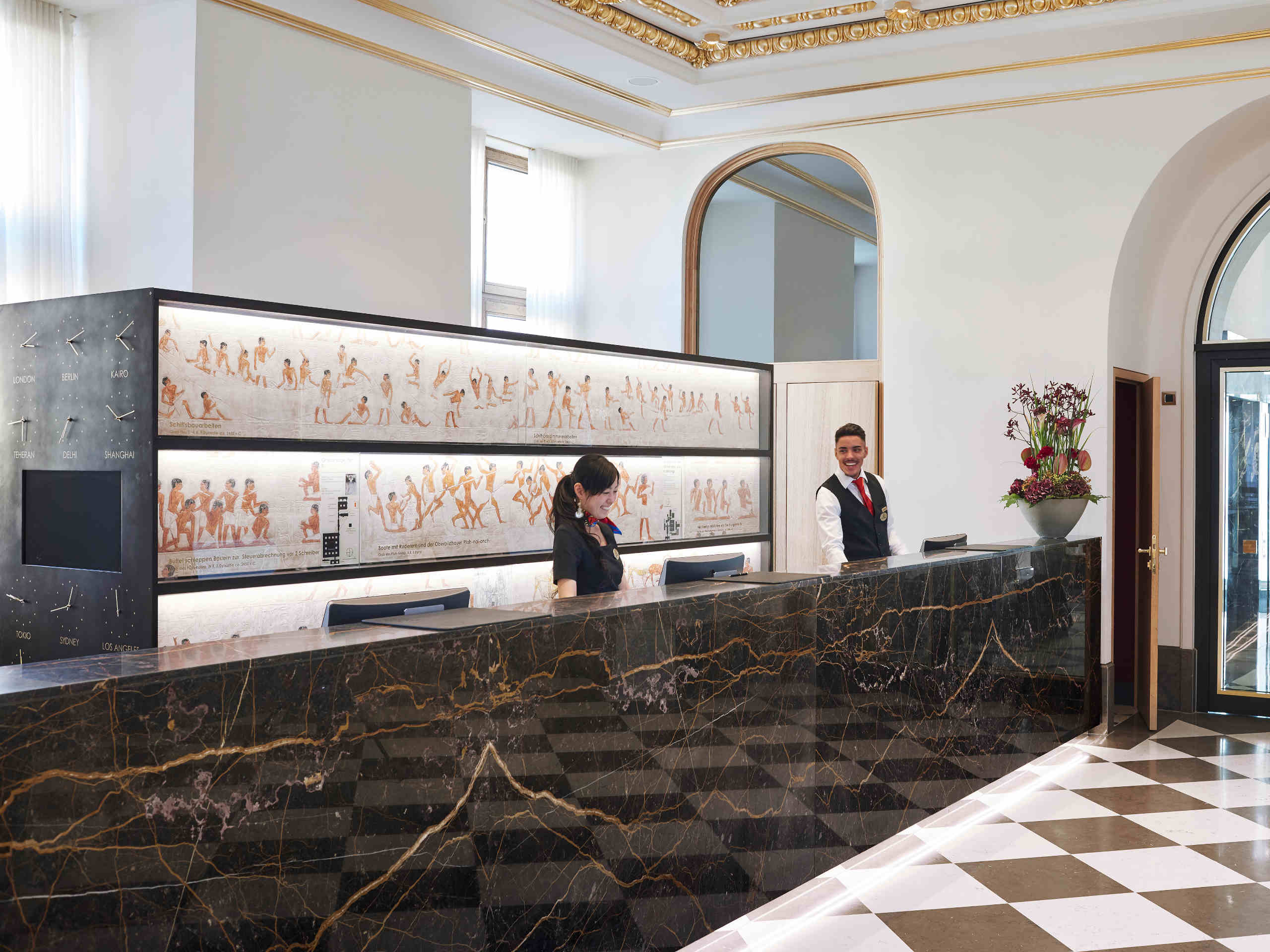
But how can art and gastronomy/hospitality be found in practice, apart from the obvious? Through the employees, as Schlereth explains: “An organic connection is created by removing the ritualized, the rigid and creating space for development - not in such a way that everyone is allowed to do everything, but that the hotel is seen as a stage on which the employees act as if in a play.” However, this should not be planned; mistakes should also be allowed to happen sometimes. This can result in unexpected encounters and events that have the potential to touch people - both the employees themselves and the guests. “So instead of turning a hotel purely into a gallery, I like the approach of creating many small works of art from the mutual experience on the hotel stage itself,” he concludes.

Buckwheat, affectionately known as ‘Hadn’ in Southern Carinthia, is one of those products that quietly disappeared – and is now making a natural comeback. HADN – The Buckwheat Cookbook is dedicated to this almost forgotten powerhouse grain with remarkable dedication: rooted in culinary, cultural and regional traditions.
Together with the Klopeiner See – South Carinthia – Lavant Valley tourism region, food expert and editor cookingCatrin (Catrin Ferrari-Brunnenfeld) embarks on a journey to the roots of Carinthian ‘Hadn’. The book combines over 55 creative sweet and savoury recipes with in-depth background knowledge – from cultivation and history to its modern-day significance as a gluten-free, nutrient-rich superfood. Buckwheat is not only presented as flour, but also as semolina or rice: given a modern twist, suitable for everyday use and surprisingly versatile.
INFO
HADN – The Buckwheat Cookbook
Authors: Catrin Ferrari-Brunnenfeld (cookingCatrin)
Publisher: Klopeiner See Tourism Region – Southern Carinthia – Lavant Valley / KSL Tourismus Marketing GmbH
Length: 180 pages
ISBN: 978-3-200-09933-3
Price: €24.90
Publication date: September 2025
With its new ongoing editorial series ‘The Personal Touch’, Portrait Hotels turns its attention to the individuals who shape the character of its properties in Milan, Florence and Rome: hosts, concierges, chefs, bartenders and members of the lifestyle team, whose stories, rituals and local perspectives become part of the Portrait Experience.
The focus is on personal insights, everyday Italian culture and those small gestures that turn a stay into more than just a trip. Rather than simply showcasing places, the series tells the stories of the people, memories and traditions that define the Italian way of life.
In July 2026, George Papazacharias, head chef at the acclaimed Delta restaurant in Athens, will bring his interpretation of modern Greek cuisine to Salzburg. At Restaurant Ikarus in Hangar-7, he will demonstrate why, in culinary terms, Greece has long been more than just moussaka, souvlaki and holiday memories, and how radically contemporary local produce can taste.
Surrounding yourself with beautiful things – numerous hotels and catering businesses have jumped on this bandwagon. Each with its own individual input and output, because art is certainly never the same. The Hirschen in Dornbirn, for example, exhibits the sculptures of self-taught artist Günter Nussbaumer, while the restaurant of the same name in Lambach makes room in the Herzogstube for openings by young up-and-coming artists from Upper Austria under the motto „Kinski & Kunst“. And the Malerwinkel in the Styrian Vulkanland region even describes itself as an art hotel, as “eat+art” artist Peter Troißinger is at home here.