
Glass becomes a stage – when design and art merge
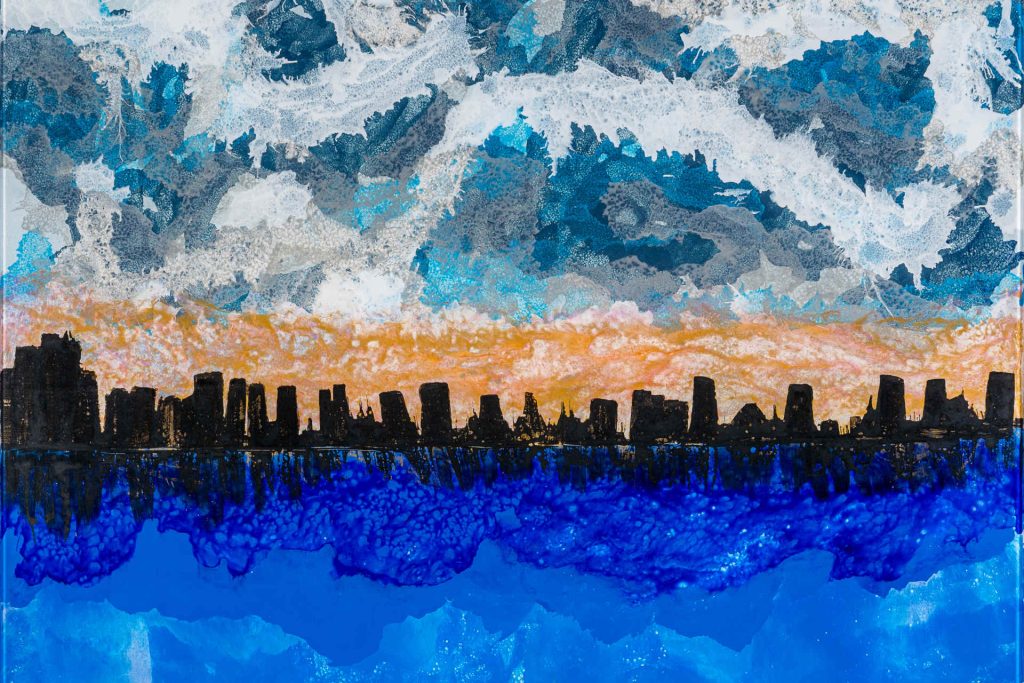
At Art X on Glass, glass becomes a projection surface for art that not only pleases, but also moves. Hand-painted surfaces create works with depth that integrate perfectly into modern interior design concepts – whether in hotels, spas, or private living spaces. Transparency and light meet structure, color, and emotion. The result: a tension between visibility and intimacy that immediately catches the eye of guests.
This concept fundamentally changes the approach to interior design. Glass, often used as a neutral substrate, becomes an active narrator through artistic processing. This gives rooms a visual language that is not intrusive but clearly positioned: individual, high-quality, and consciously designed. The result is a distinctive sense of space that cannot be copied.
Hand-painted unique pieces convey atmosphere and attitude
What makes Art X on Glass so special is its consistent rejection of industrial printing. Each piece is painted by hand, each motif bears the signature of a human being. This commitment to analog design not only creates a feeling of exclusivity, but also a palpable authenticity that many guests are looking for today. Aesthetics become an expression of appreciation.
At the same time, the unique pieces also convey a clear attitude: sustainability, individuality, and artistic integrity are not marketing buzzwords, but principles that are lived out in practice. This is precisely where the strategic added value lies for hotels, restaurants, and companies that want to position themselves—not through volume, but through substance and style. Those who work with Art X on Glass not only design spaces, but also create impact.
Hospitality reimagined: What art can really achieve
Art has the potential to create emotional connections that go far beyond pure aesthetics. In the hospitality industry, it is increasingly being used as a strategic tool to make a lasting impression on guests. The focus is no longer on the interior itself, but on the effect it has. Art becomes a silent host, a catalyst for conversation, an anchor for memories.
In hotels, restaurants, and spas in particular, art can be used specifically to create atmosphere, influence moods, and communicate values. Instead of interchangeable decoration, a new form of hospitality emerges: honest, thoughtful, and emotionally charged. Those who understand art not only as decoration but as a cultural statement strengthen the bond with their guests – on a deeper, more meaningful level.
Outlook: What comes after the uniform look?
If rooms are to speak, more than coordinated color palettes and recognizable pieces of furniture are needed. The longing for authenticity, individuality, and emotional depth is noticeably increasing. Hospitality concepts developed today must take this longing seriously—and consistently break new ground. The retreat from the thoroughly designed catalog style opens up an opportunity: identity is no longer defined by standards, but by bold signatures.
Trends in interior design of the future
Instead of standardized feel-good zones, the focus is shifting to hybrid spaces that allow for flexible use and adapt to changing requirements. Material mixes, regional references, visible craftsmanship, and curated individual pieces are replacing the generic look. Concepts that do not stage personality but make it believably tangible are the way of the future.
At the same time, the role of design is becoming increasingly linked to social responsibility. Those who design spaces shape quality of life – and must address issues such as circularity, transparency, and purpose. Guests can sense when spaces are not just pleasing, but meaningful. Interior design thus becomes an expression of attitude – rather than a copy of last year's trend.
Art as the key to sustainable brand success
Art offers the opportunity to combine memory, identification, and relevance. It creates visual anchors that have an impact beyond the moment and contribute to the emotional recognition of a brand. Whether large-format installations, subtle illustrations, or handcrafted details—art has the power to create distinctiveness.
Art unfolds its full potential when combined with storytelling and architecture: values become visible, stories become tangible, culture becomes palpable. Those who use art strategically are not only investing in design, but in a lasting brand experience. Art is thus much more than decoration—it is an economic factor with psychological depth.
Conclusion
Today, art and hospitality intersect where experience, attitude, and aesthetics meet. If you really want to reach guests, you have to think beyond classic design concepts – and create emotional spaces that create identity and are memorable. Art becomes a strategic partner in this process: it tells what words cannot say and makes brands tangible. The uniform look has had its day – concepts with character are in demand.
From Genusspunkt 3/2025