
Why this list is so important
The “51–100” series is much more than a preliminary stage to the main ranking: it highlights talents who are on the verge of making their international breakthrough and showcases cities where gastronomy is currently flourishing with particular vigor. At the same time, it reflects culinary movements that are relevant to chefs, hoteliers, and food lovers worldwide, and provides guidance for anyone who wants to plan their culinary journeys consciously and with inspiration. Above all, however, it shows how powerful food can be as a cultural expression—as a mirror of identity, origin, and the social zeitgeist.
The rankings are evaluated by the Latin America's 50 Best Restaurants Academy, consisting of 300 experts – journalists, chefs, producers, restaurateurs, and experienced gourmets. The processes are additionally audited by Deloitte.
A personal observation that shows why this list works
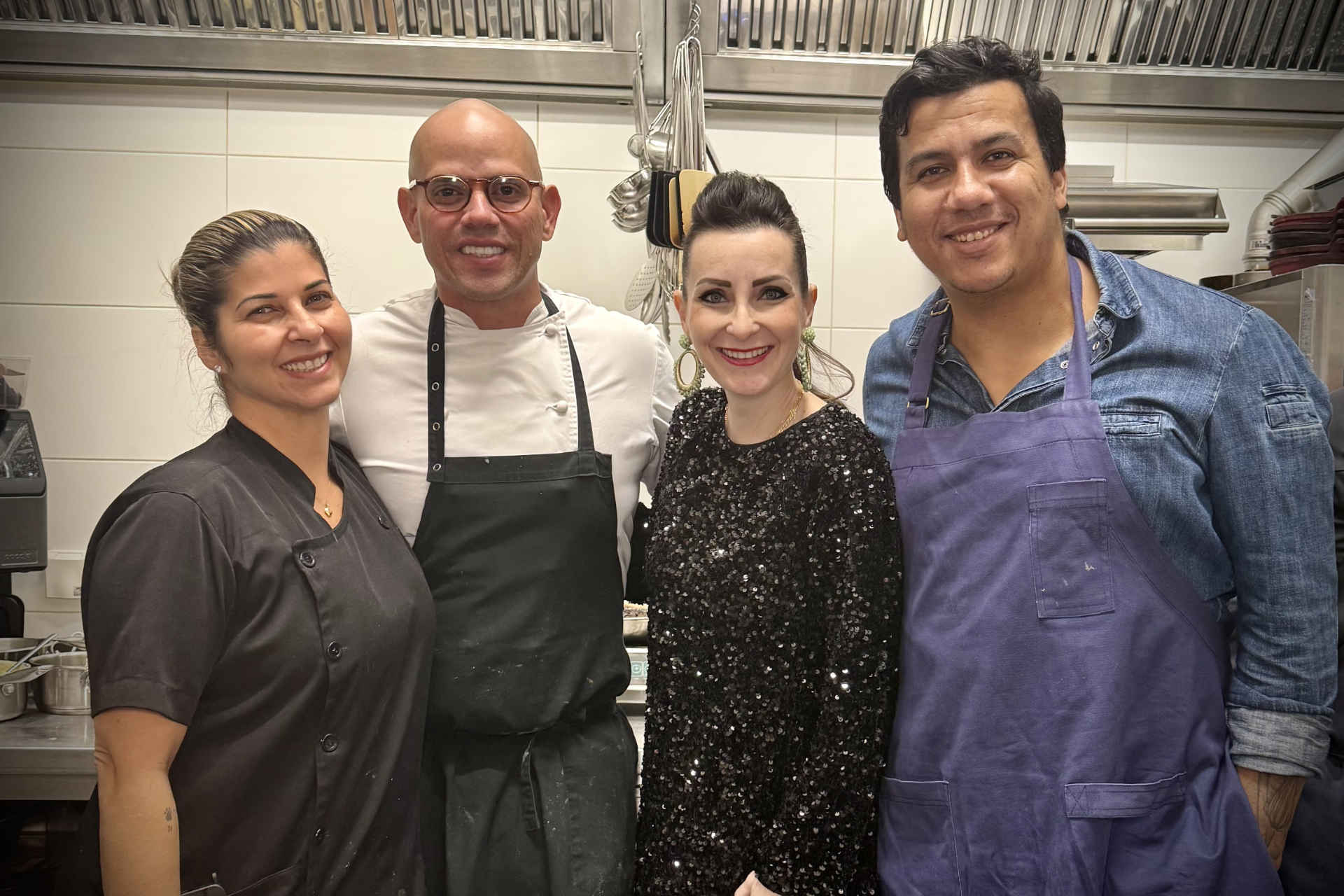
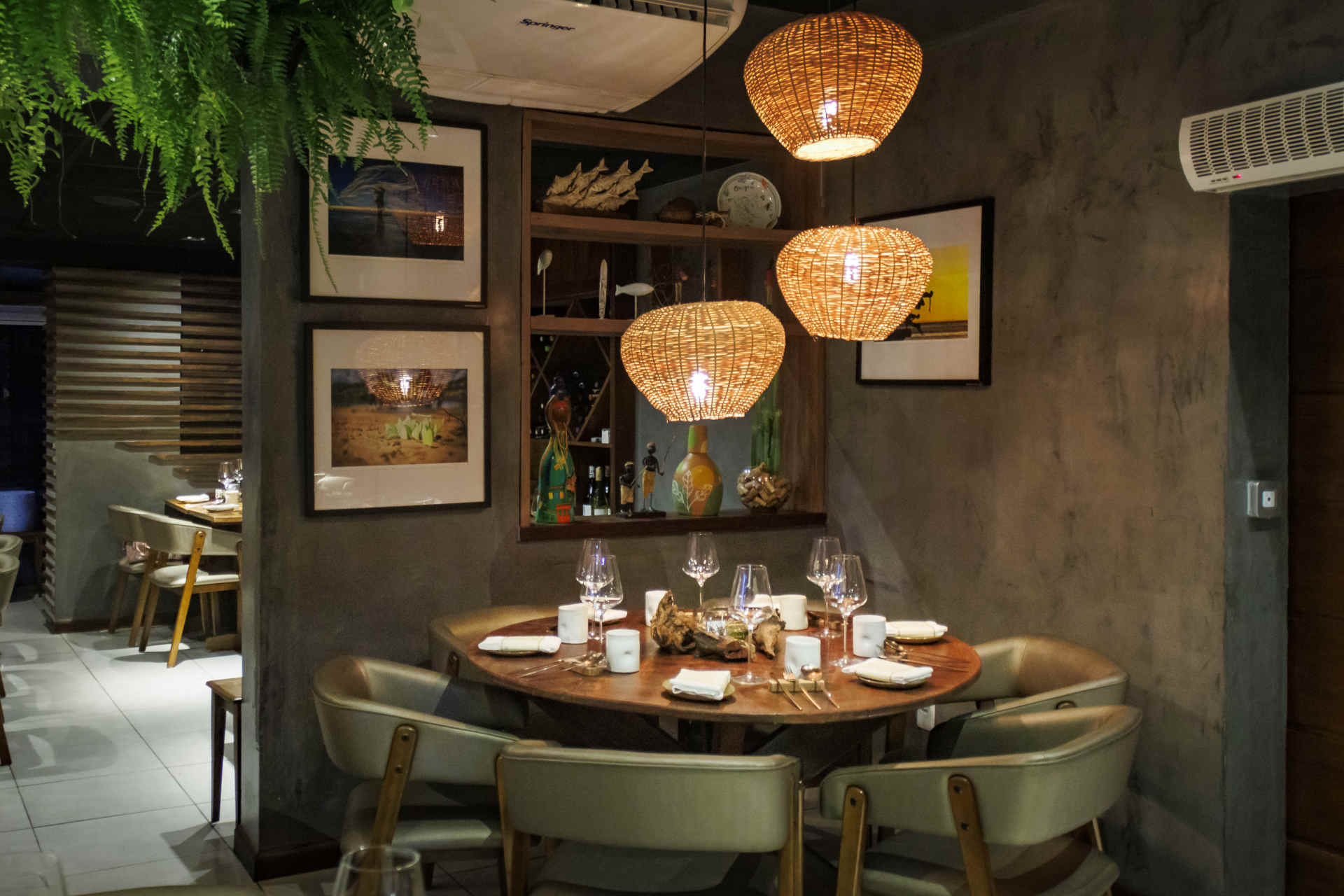
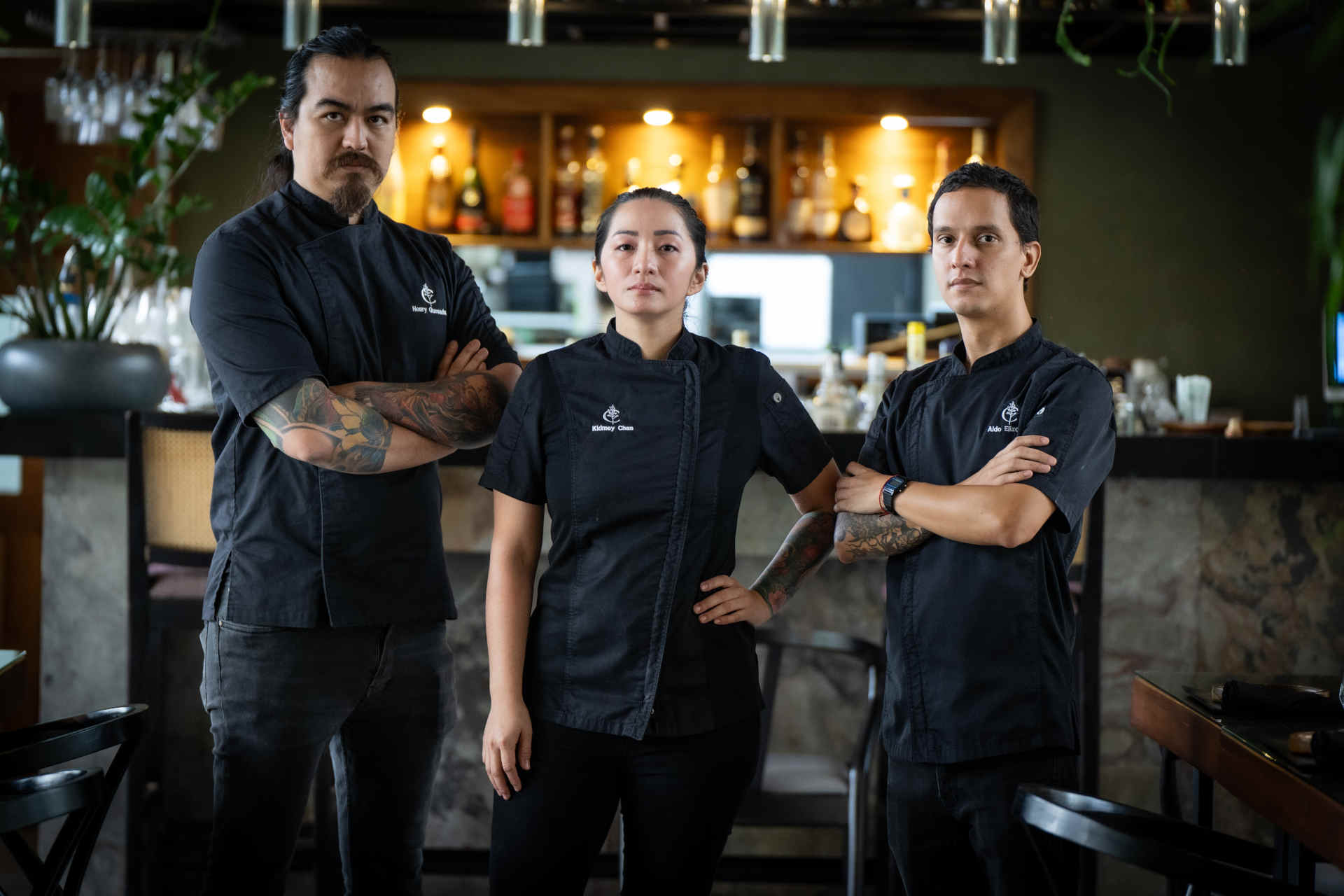
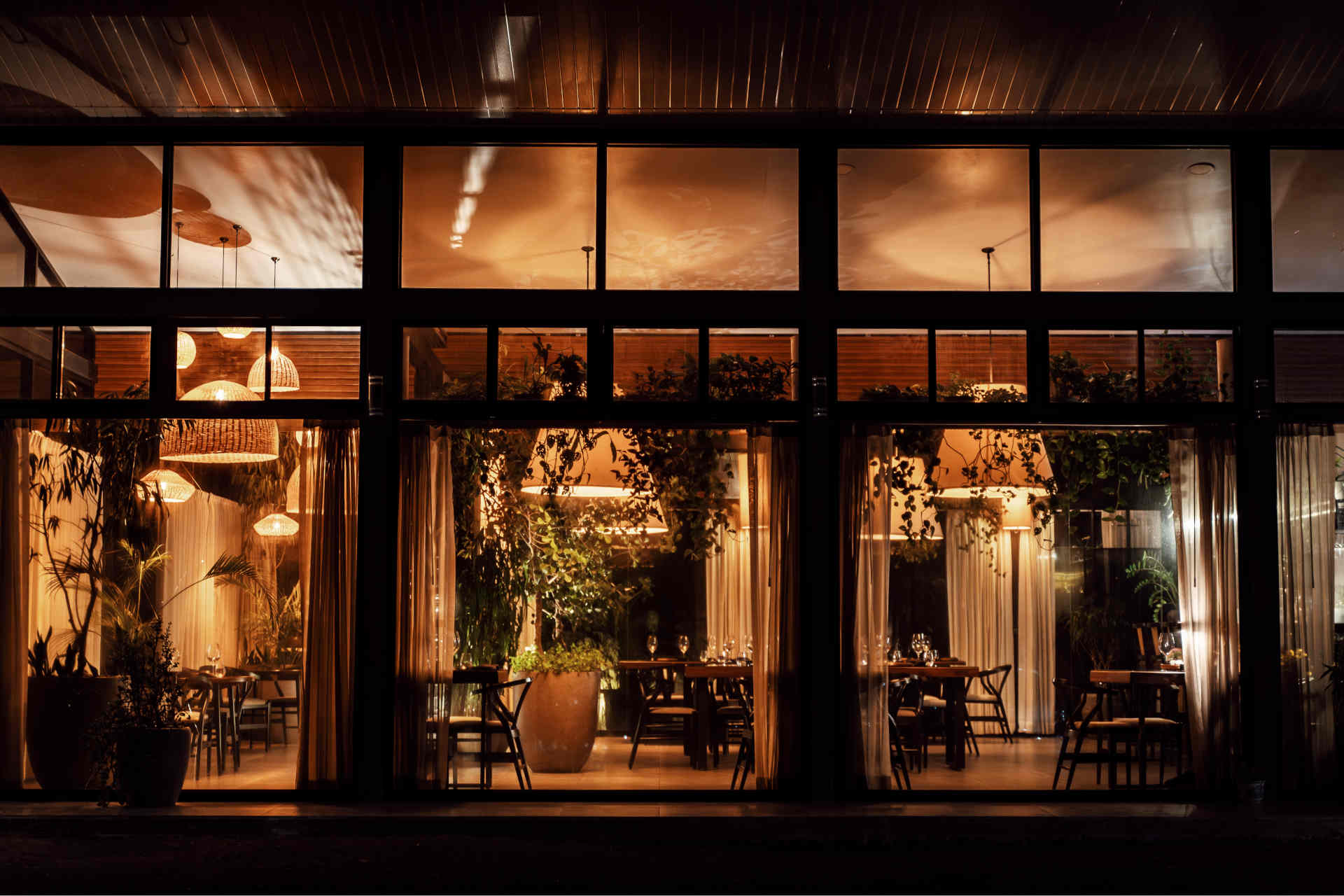
If you want to understand the energy of this region, you have to experience it—and sometimes you encounter key moments far away from their origin. In November 2025, an extraordinary culinary gathering took place in Vienna: a six-hands dinner at which Fabricio Lemos and Liliane Arouca from Restaurant Origem (Salvador, Brazil – #52) cooked together with Kias Burget at Kias – Modern Brazilian Restaurant. Two evenings where Brazilian depth, local flair, and international technique came together – impressive, focused, personal.
Encounters like these show why rankings such as the 50 Best play such a special role: they enable dialogue, open doors, create visibility, and connect culinary styles that otherwise rarely come together in this form.

Trends and movements: What shapes the 2025 list
- São Paulo as a powerhouse
With six restaurants on the list, the metropolis underscores its status as Latin America's leading culinary force. From Kotori and Metzi to D.O.M., the spectrum ranges from avant-garde and modern casual dining to iconic fine dining. - Lima with a strong new generation
The highest new entry comes from Peru: Shizen in Lima debuts at number 62 – a clear sign that the city continues to be one of the most important drivers of innovation. - Buenos Aires, Mexico City, Panama City, Santiago
These cities each have four restaurants on the list, confirming their role as creative, culturally charged food centers. - Rediscovered classics
After a hiatus, El Papagayo from Córdoba returns – a restaurant that has already attracted attention on several occasions with its distinctive signature style.
- New names to remember
Guatemala City, Caracas, Sosúa, and Valle de Guadalupe are making their mark: young, independent cuisines that show how far the region has opened up and professionalized.
The complete list 51–100 (2025)
51 Pujol — Mexico City
52 Origem — Salvador
53 Conservatorium — San José
54 Cara de Vaca — Monterrey
55 Kotori — São Paulo
56 Metzi — São Paulo
57 La Calma by Fredes — Santiago
58 Le Chique — Cancún
59 Sud 777 — Mexico City
60 Clara — Quito
61 La Tapa Del Coco — Panama City
62 Shizen — Lima
63 Pulpería Santa Elvira — Santiago
64 Ness — Buenos Aires
65 Oseille — Rio de Janeiro
66 Clon — Lima
67 Maní — São Paulo
68 Tributo — Quito
69 Mishiguene — Buenos Aires
70 Gran Dabbang — Buenos Aires
71 Em — Mexico City
72 Umi — Panama City
73 Cepa — São Paulo
74 D.O.M. — São Paulo
75 Gustu — La Paz
76 Oda — Bogotá
77 Alo’s — Buenos Aires
78 El Papagayo — Córdoba
79 Ancestral — La Paz
80 Manu — Curitiba
81 Astrid y Gastón — Lima
82 Fonda Lo Que Hay — Panama City
83 Parador La Huella — José Ignacio
84 Nicos — Mexico City
85 Debora — Bogotá
86 Manzanar — Montevideo
87 El Xolo — San Salvador
88 Aguají — Sosúa
89 La Casa Bistró — Caracas
90 Lunario — Valle de Guadalupe
91 Caleta — Panama City
92 Lo de Tere — Punta del Este
93 Notiê — São Paulo
94 Ana — Guatemala City
95 Demencia — Santiago
96 Selma — Bogotá
97 Azafrán — Mendoza
98 Sambombi Bistró Local — Medellín
99 Restaurante Manga — Salvador
100 Fukasawa — Santiago
Conclusion: A region full of drama, culture, and future
The extended list 51–100 impressively demonstrates that Latin America remains one of the most important culinary stages of our time. It reflects movement, courage, identity, social responsibility, and unbridled creativity—while also highlighting which establishments are on the verge of advancing to the international forefront.
Latin America doesn't just cook.
Latin America tells stories.
With energy, culture, and a unique artistic power that is unparalleled in global gastronomy.