
When cuisine meets culture: Milan as the stage for world cuisine
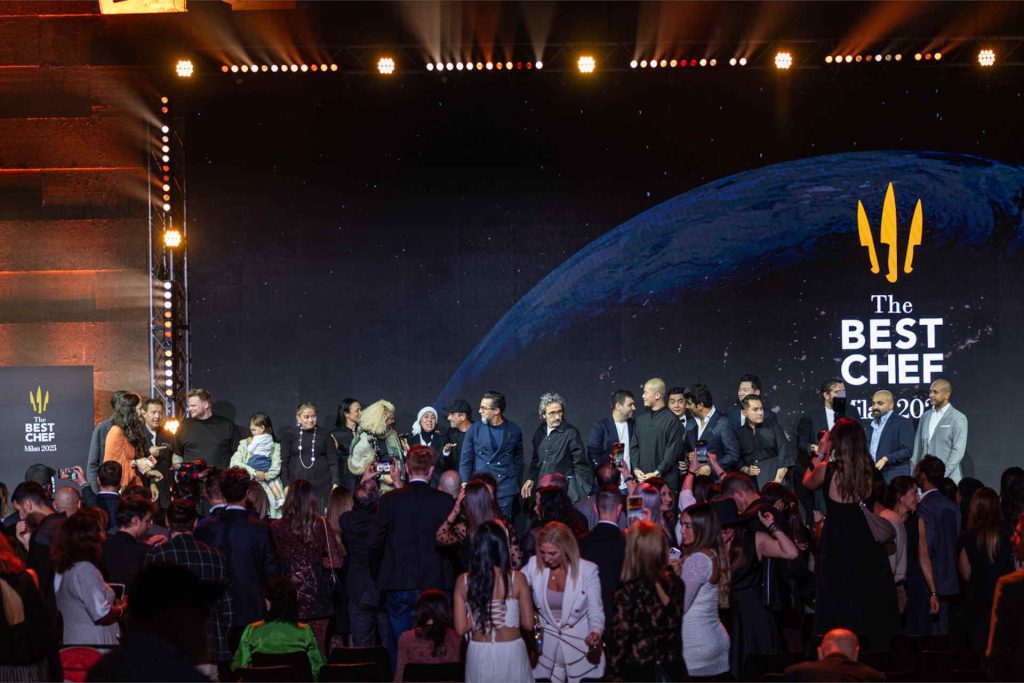
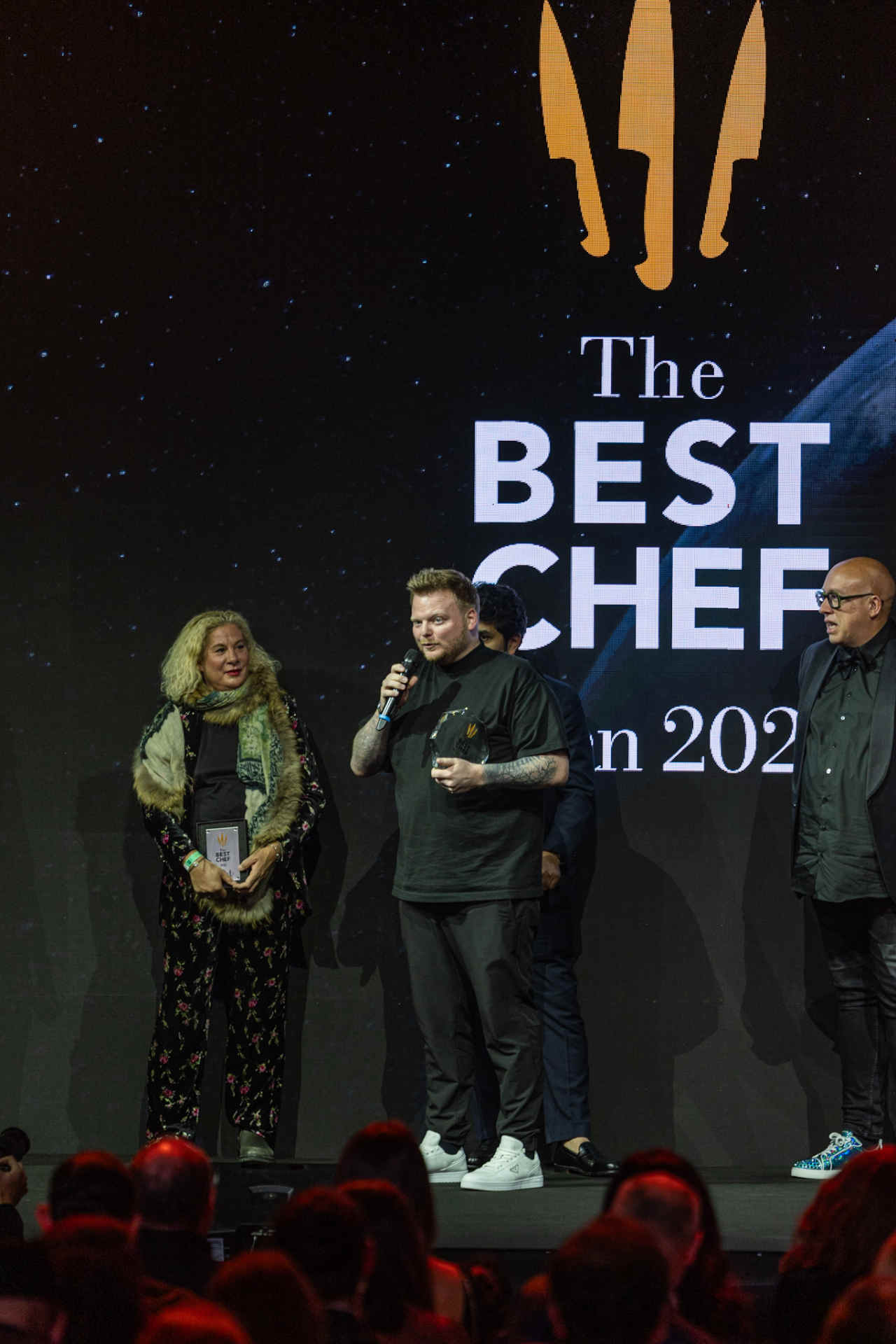
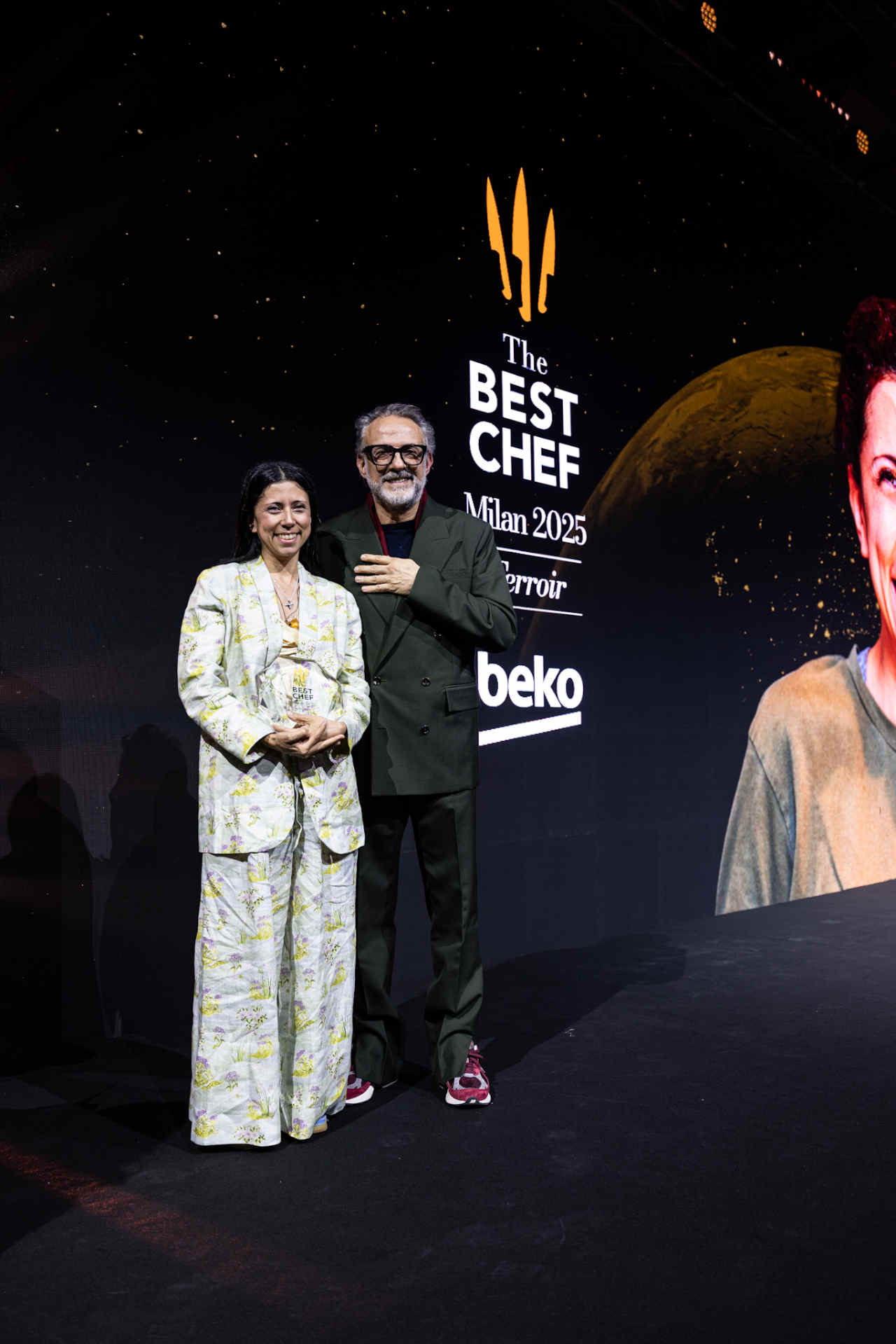
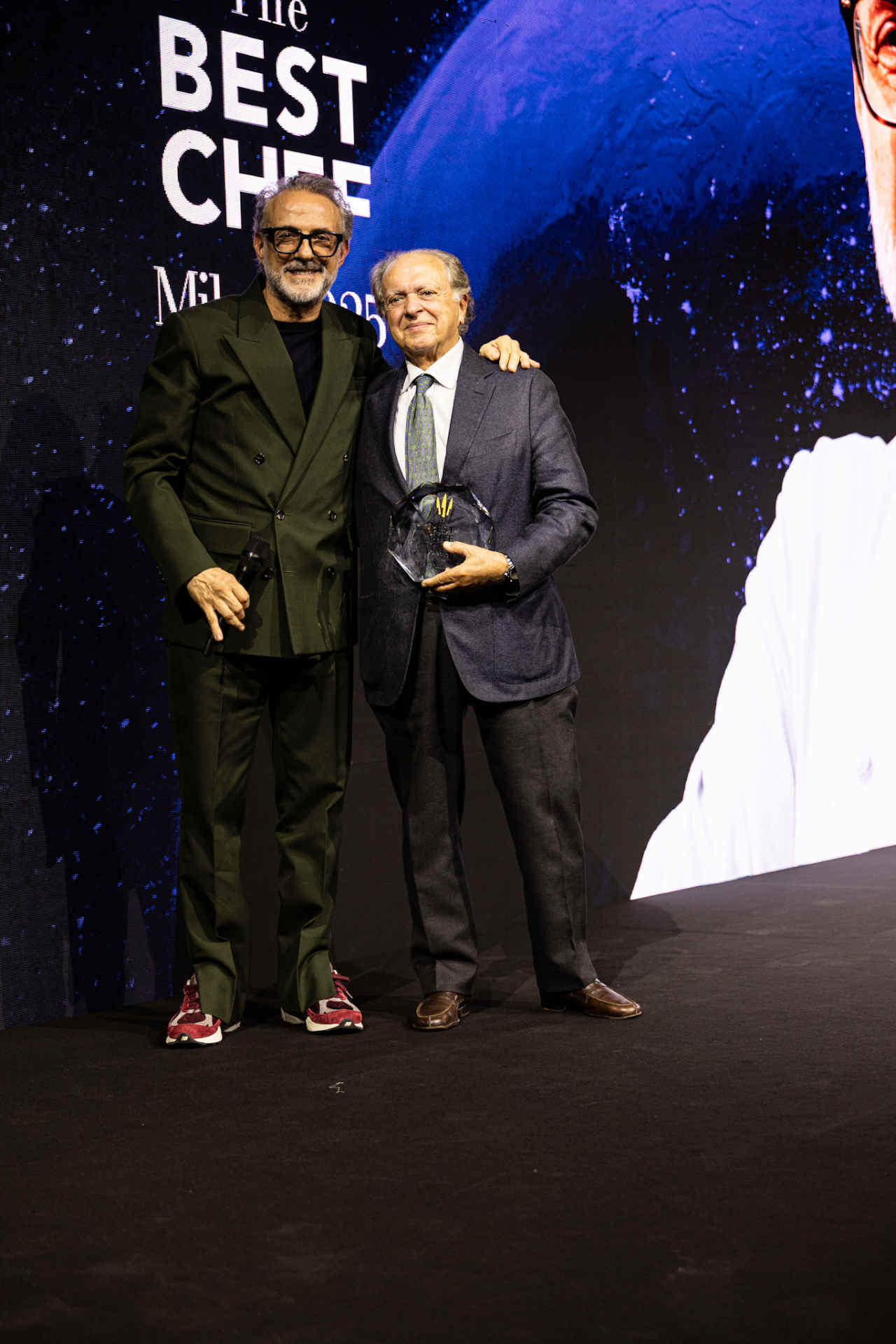
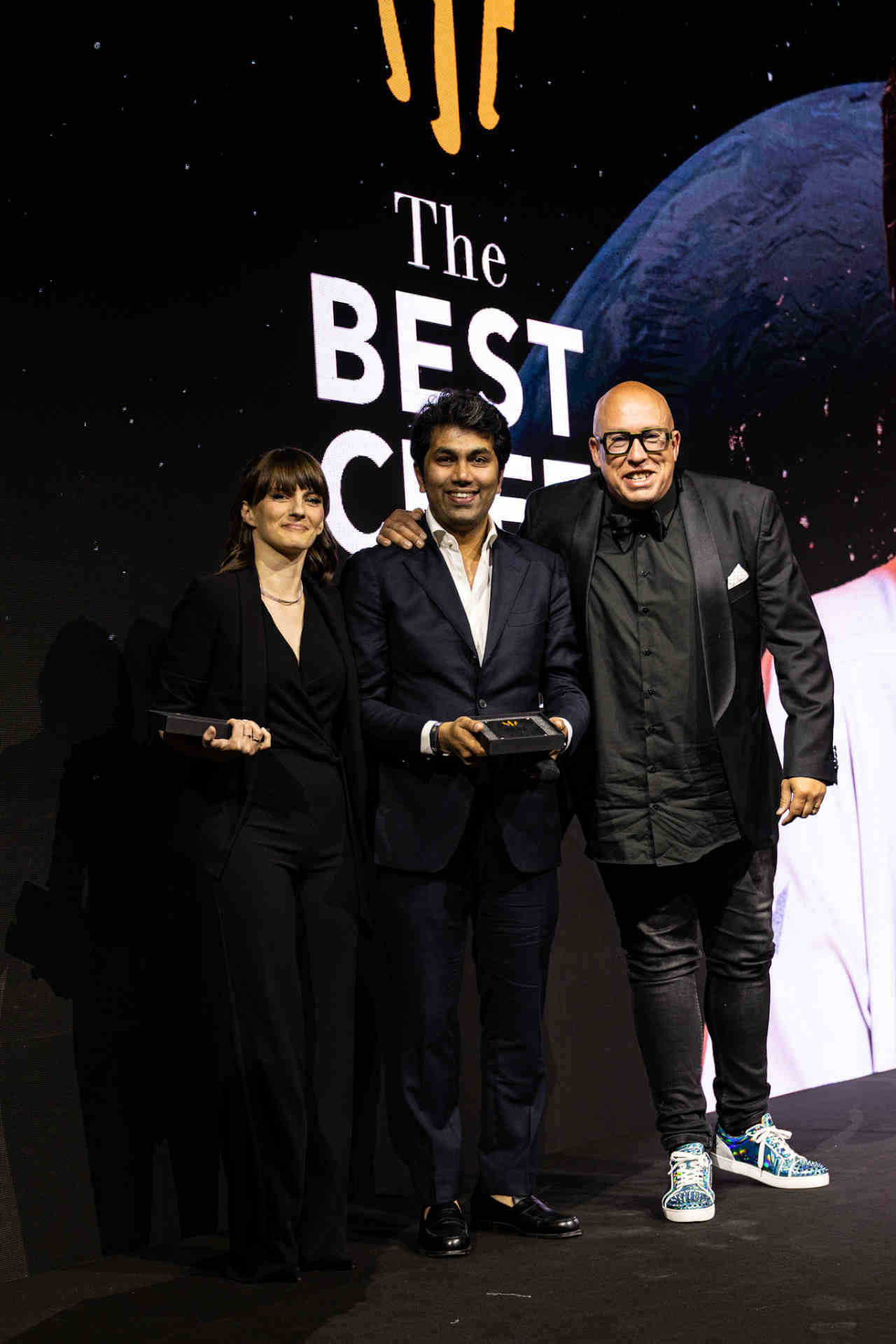
On October 2, 2025, Milan became the global epicenter of gastronomy for two days. The Best Chef Awards 2025 brought together hundreds of chefs, industry leaders, and media representatives from more than 60 countries – impressively demonstrating how international, diverse, and interconnected modern haute cuisine is today.
Once again, the focus was on a name that stands for the future of fine dining like no other: Rasmus Munk from The Alchemist in Copenhagen. With his second consecutive title as The Best Chef in the World, he confirms his status as one of the most influential chefs of our time. Munk thinks of gastronomy not as a menu, but as an overall experience – a combination of science, art, storytelling, and social reflection.
In second place is Ana Roš from the legendary Hiša Franko in Slovenia. She stands for a radically personal, terroir-driven cuisine that has catapulted Slovenia onto the international gourmet map. Third in the group is Himanshu Saini from Trèsind Studio in Dubai – a chef who is redefining Indian cuisine with modernist precision while preserving its cultural depth.
What sets the Best Chef Awards apart from other rankings
The Best Chef Awards were founded in 2015 by Cristian Gadau and Joanna Ślusarczyk with a clear vision: the focus should be on people, not restaurants. The awards recognize not only technique, but also attitude, creativity, influence, and vision.
Since 2024, the award has taken a radically new approach: instead of a linear ranking, the system uses the Knife Recognition System, which divides chefs into three performance levels:
- Three Knives (The Best) – absolute world class
- Two Knives (World-Class) – international top class
- One Knife (Excellent) – outstanding performance
In 2025, 787 chefs were honored, evaluated by 972 jurors, including 572 active chefs from 64 countries and 400 international industry experts. This system is considered one of the most inclusive evaluation models in the industry – it enables visibility far beyond the classic fine dining elite.
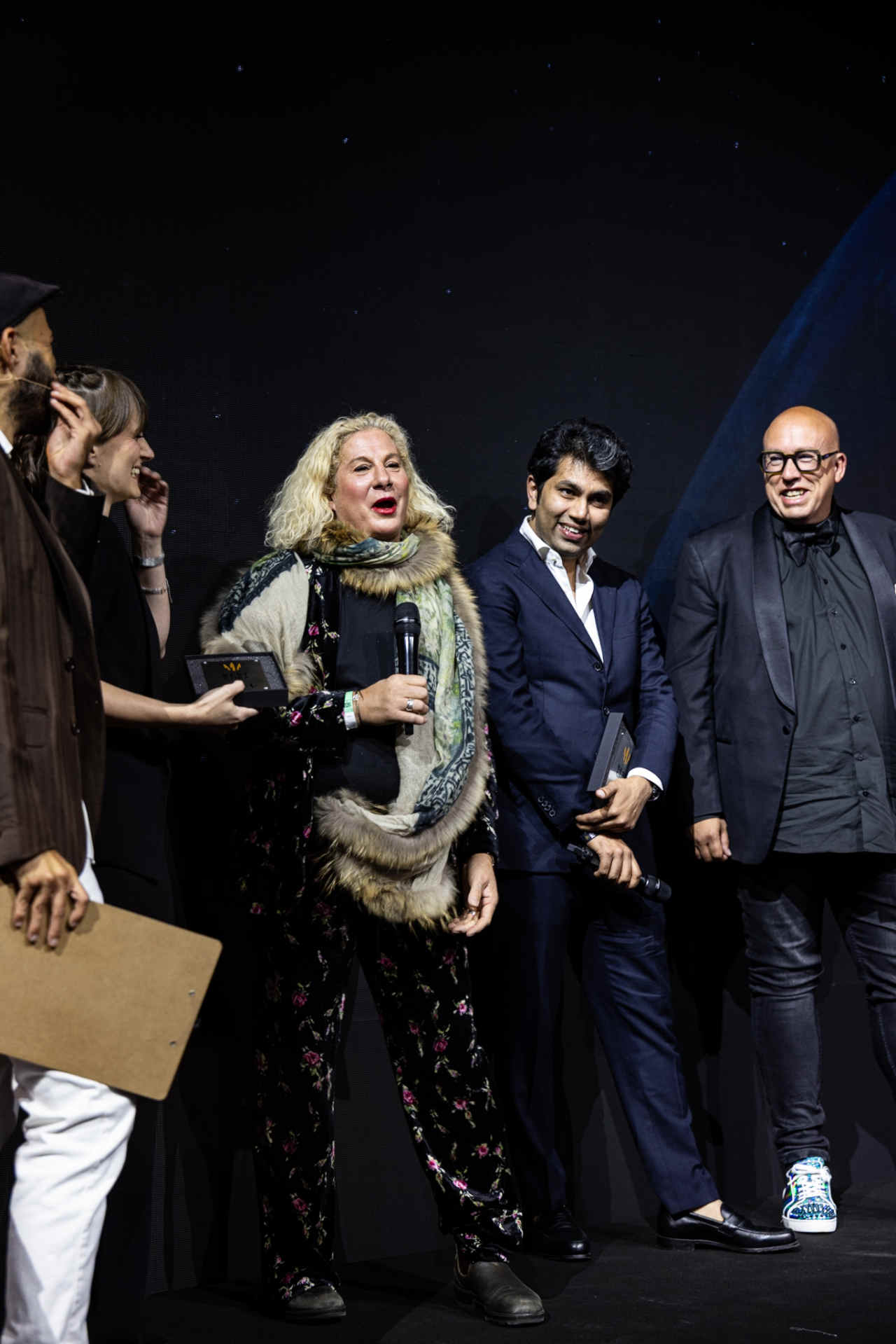
More than just trophies: the power of the Special Awards
In addition to the main prizes, The Best Chef presents a series of thematic awards that demonstrate how broadly gastronomy is conceived today:
- Best Humanity went to World Central Kitchen (José Andrés) – for the humanitarian work of chefs in crisis areas
- Best Visionary went to Massimo Bottura (Osteria Francescana)
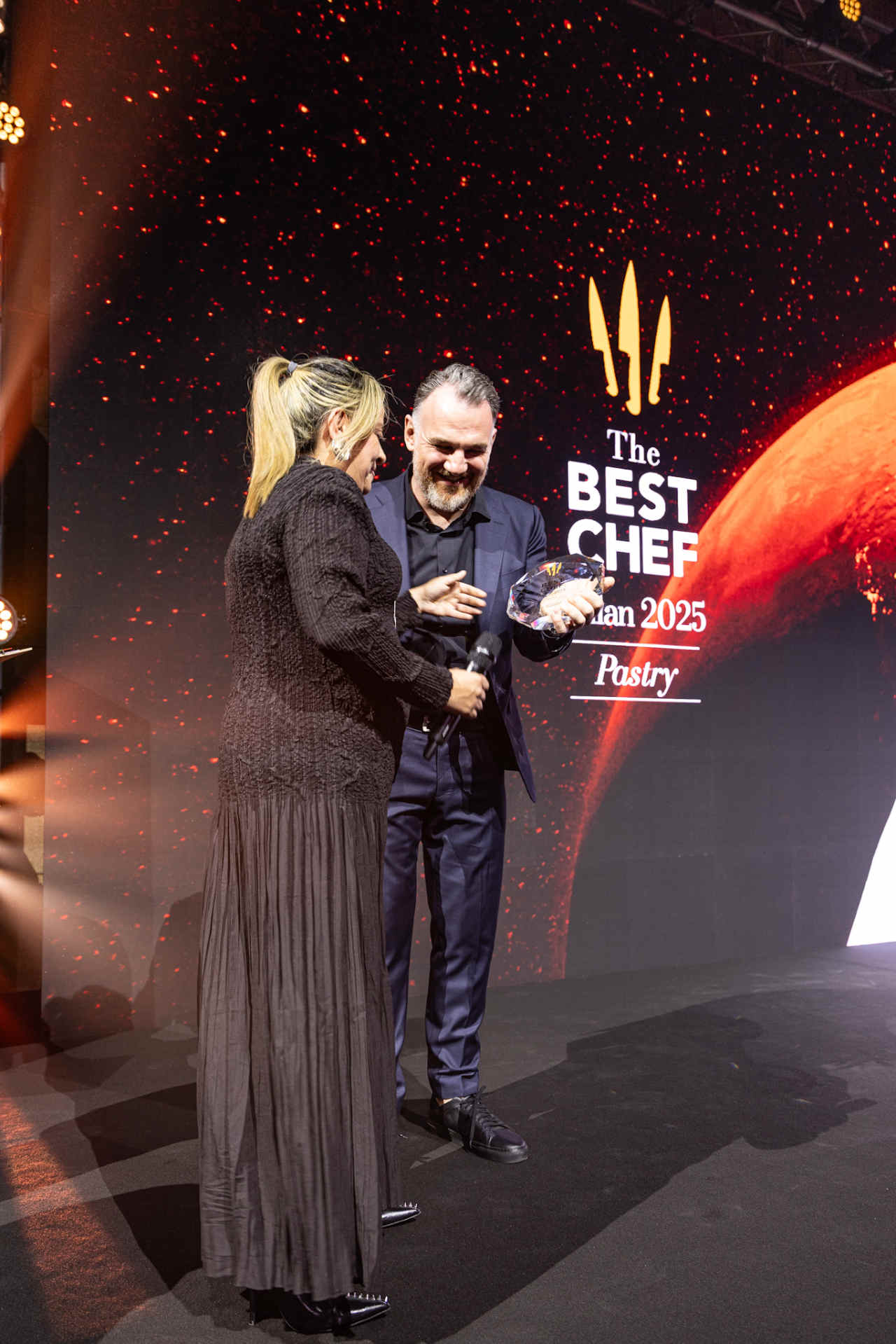
- Best Pastry went to Pía Salazar (NUEMA, Ecuador)
- Best Terroir went to Debora Fadul (DIACÁ, Guatemala)
- Best Science went to Diego Guerrero (DSTAgE, Madrid)
- Best NextGen went to Sebastian Jiménez (Ræst, Faroe Islands)
This makes it clear that it is no longer just about taste – but about impact, innovation, sustainability, and cultural relevance.
Why these awards are so valuable for the industry
For restaurants, destinations, and brands, an award like The Best Chef is much more than a seal of prestige. It is a global marketing accelerator.
A placement or Knife award means:
- International media presence
- visibility for new markets
- stronger brand positioning
- greater relevance for culinary tourism
- better recruiting opportunities for talent
Above all, the Best Chef system, with its global community and interactive map on the website, makes award-winning establishments visible to foodies, travelers, and professionals worldwide—an economic factor that should not be underestimated.
Our conclusion for the future
The Best Chef Awards 2025 impressively demonstrate that awards today are strategic tools, not purely vanity projects. They create visibility, define narratives, and provide guidance for the industry.
To be successful today, you need more than perfect craftsmanship. It's about storytelling, attitude, identity, and relevance—precisely the values that distinguish The Best Chef. For restaurateurs and hoteliers, this means that awards are not an end in themselves, but part of a smart brand and future strategy.
Milan 2025 has proven that the future of gastronomy is not elitist—it is global, diverse, courageous, and deeply human.