Energy-saving tips for hoteliers

Efficient energy management to reduce costs
Pexels/Pixabay / guenther/Pixabay / Peter Weideman/Pixabay
Alexandra Gorsche © Conny Leitgeb Photography
3. September 2023 | 
Alexandra Gorsche
3. September 2023
|
Alexandra Gorsche

Energy costs are a major challenge for hoteliers and restaurateurs. To counteract these costs, efficient energy management is of great importance. This blog post presents practical energy-saving tips for hoteliers that can help to reduce energy consumption and save costs. In particular, we will focus on the possibilities of heat recovery and the optimal placement of air conditioning units in the rooms. Here are some examples of how hoteliers can improve their energy efficiency.

Four tips for saving energy

    1. Potential savings through heat recovery:
      An expert analysis on site can reveal weak points and potential savings. Depending on the age of the system technology, savings of between ten and 35 percent can be achieved through optimization and modernization. Heat recovery is one way of saving energy. For example, you can install sensors in the kitchen that operate the ventilation at the lowest level until the air quality decreases. This can reduce energy consumption in the domestic sector by a good 53 percent.
    2. Efficient air conditioning placement:
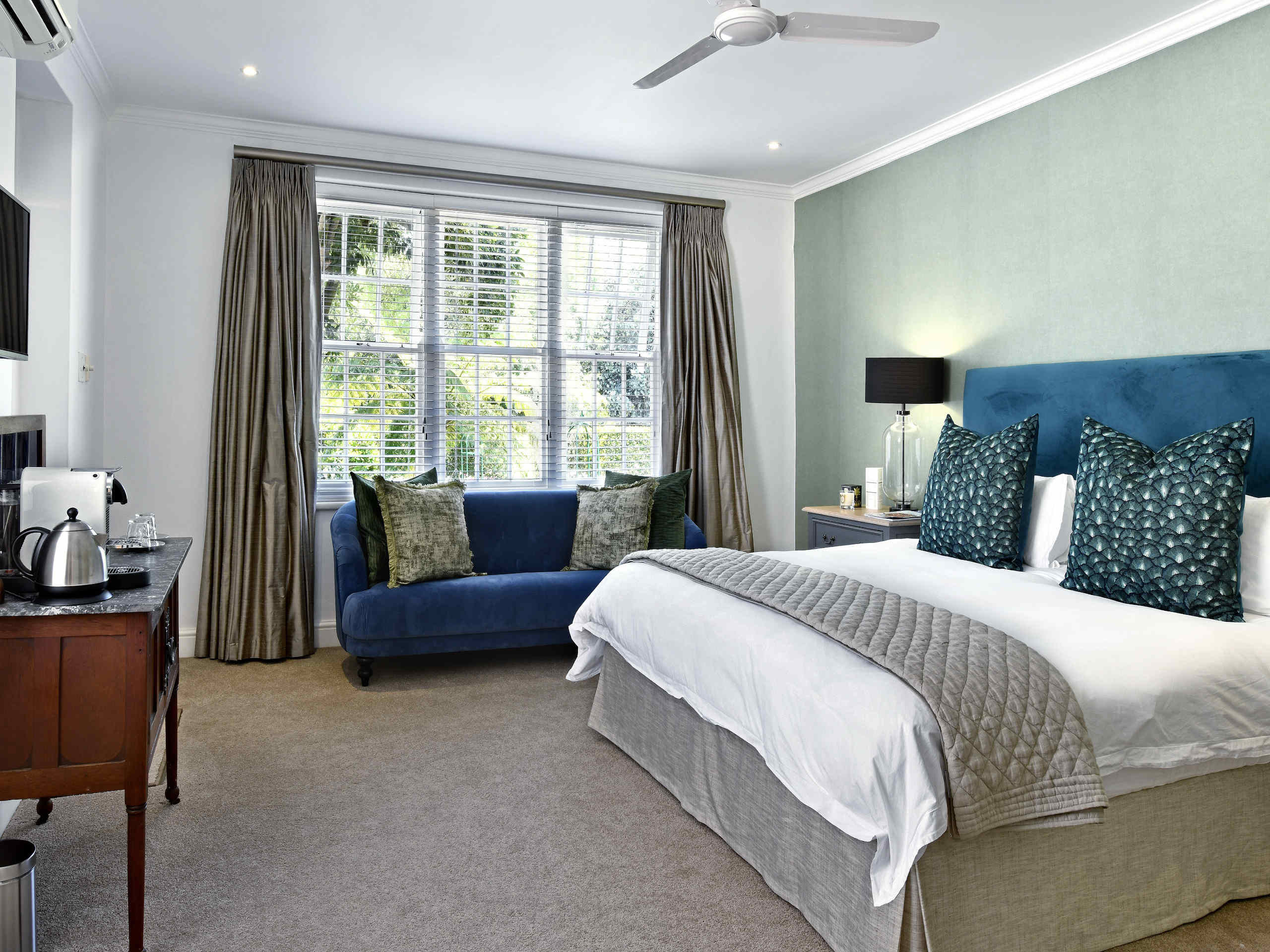
      Air conditioning systems can be a significant energy and cost factor. Around 40 percent of a hotel's electricity requirements go towards air conditioning and ventilation systems. This percentage can change: Outside air in the cold season can be used to air-condition computer rooms or technical rooms to prevent unnecessary running times of the cooling systems. It is also advisable to install switches in the rooms that automatically switch off the air conditioning when the windows are open.
    3. Saving water with innovative shower heads:
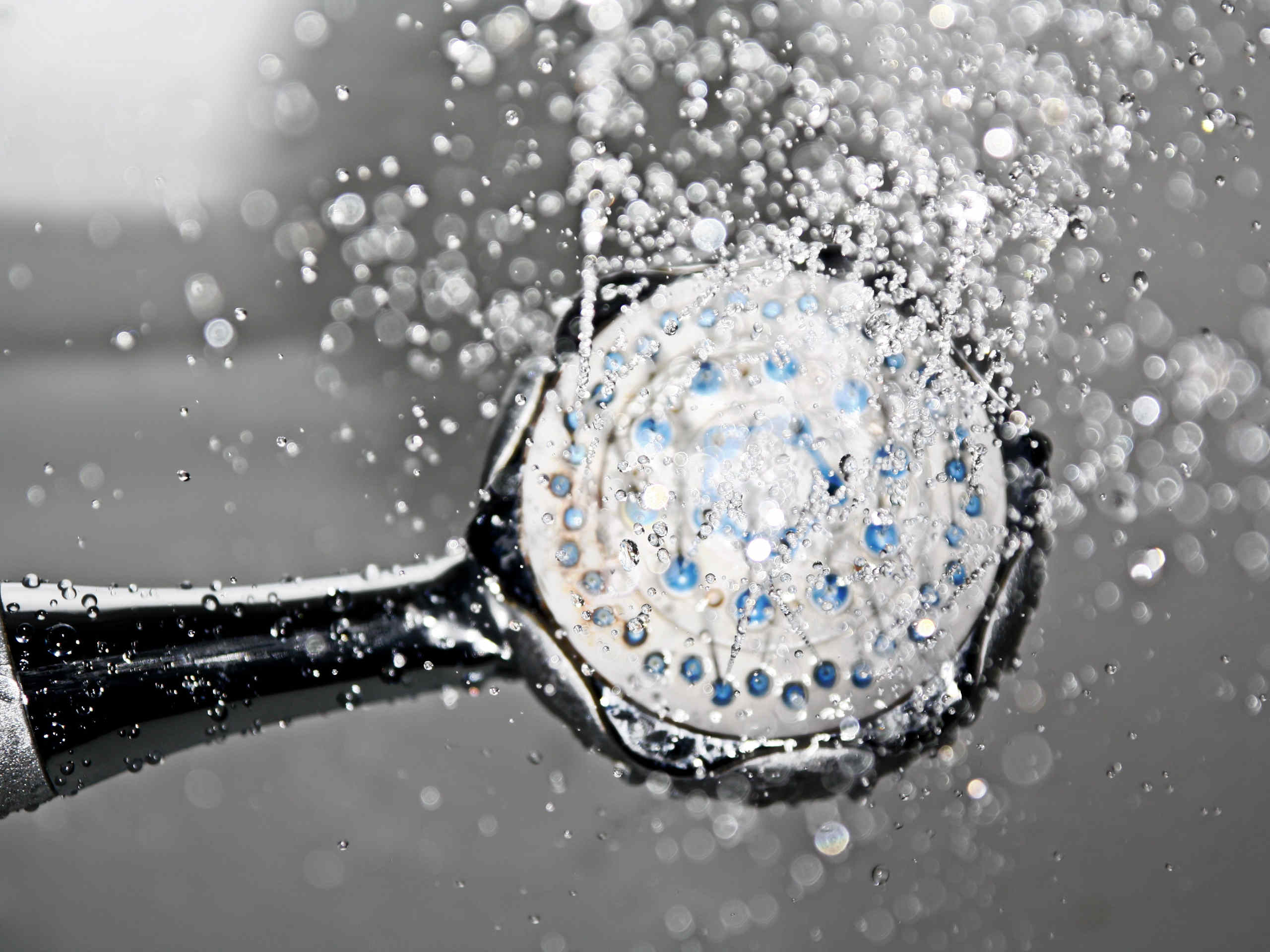
      By using special shower heads with optimized water flow, water consumption can be reduced without the guest noticing the difference. An “Ecoturbine”, for example, can reduce water consumption per shower and at the same time prevent deposits in the shower hose or shower head.This measure can save a business hotel with 100 rooms around 2,100 cubic meters of water per year.
    4. Efficient lighting technology:
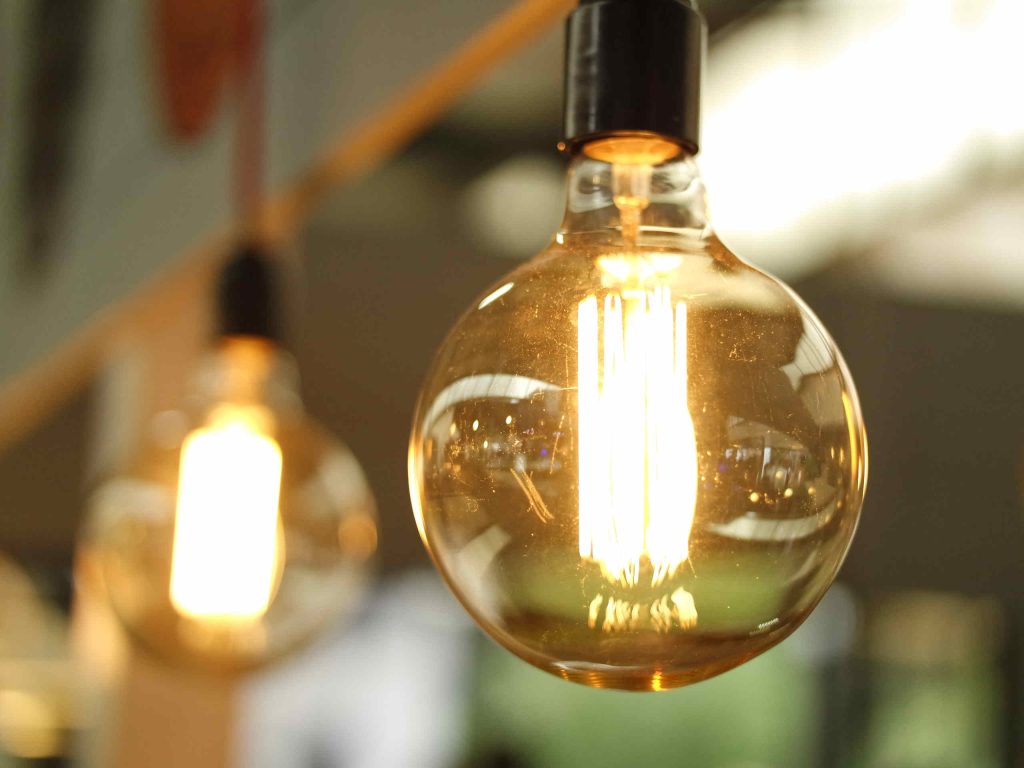
      Lighting makes a significant contribution to electricity consumption.Modern lighting technology with automatic control components, such as timers and sensors, can reduce lighting requirements in corridors or rooms with irregular use by up to 70 percent compared to continuous operation. Replacing conventional light bulbs with energy-efficient LED lamps can reduce energy consumption by up to 84 percent. Another option is the use of key cards with a special control that switches off the electricity in unoccupied guest rooms.

Save costs by reducing energy consumption

To counteract rising energy costs, efficient energy management is of great importance for hoteliers. Through heat recovery, optimal positioning of air conditioning systems, innovative shower heads and efficient lighting technology, hoteliers can reduce their energy consumption and save costs. An expert on-site analysis helps to identify individual savings potential. By implementing these energy-saving tips, hoteliers can not only reduce costs but also make a contribution to environmental protection.
A la table, s'il vous plaît! A la table, s'il vous plaît! A la table, s'il vous plaît! A la table, s'il vous plaît!
Copyright for the featured images used:
Pexels/Pixabay / guenther/Pixabay / Peter Weideman/Pixabay

Beeswax cloth meets bread culture

Zero waste for professionals and guests

The Austrian brand Kumanu shows how circular thinking can be applied in everyday life—and makes doing without plastic both practical and aesthetic. With its “Frischefritz” beeswax wraps and ‘Krümelkarl’ and “Pausenpaul” bread and snack bags, it provides the industry with a well-thought-out solution for keeping food fresh for longer – without any plastic or aluminum foil.

The products are made from GOTS-certified organic cotton, organic beeswax from Austria and Germany, and tree resin from traditional pitch production – a combination that has an antibacterial effect and guarantees natural durability.

Leonardo Hotels Cleanup Days

Working together for a clean neighborhood

Leonardo Hotels is expanding its commitment and turning World Cleanup Day 2025 into a European movement: Employees from 140 hotels in 12 countries are participating in cleanup campaigns – from Berlin to Bucharest, from London to Rome. Instead of a single day, the period has been extended to ten days to allow as many teams as possible to participate.

quick & dirty
Beleuchtung trägt einen erheblichen Teil zum Stromverbrauch bei. © Pexels/Pixabay
Energy-saving tips for hoteliers

Energy costs are a major challenge for hoteliers and restaurateurs. To counteract these costs, efficient energy management is of great importance. This blog post presents practical energy-saving tips for hoteliers that can help to reduce energy consumption and save costs. In particular, we will focus on the possibilities of heat recovery and the optimal placement of air conditioning units in the rooms. Here are some examples of how hoteliers can improve their energy efficiency.