
International flair, local precision
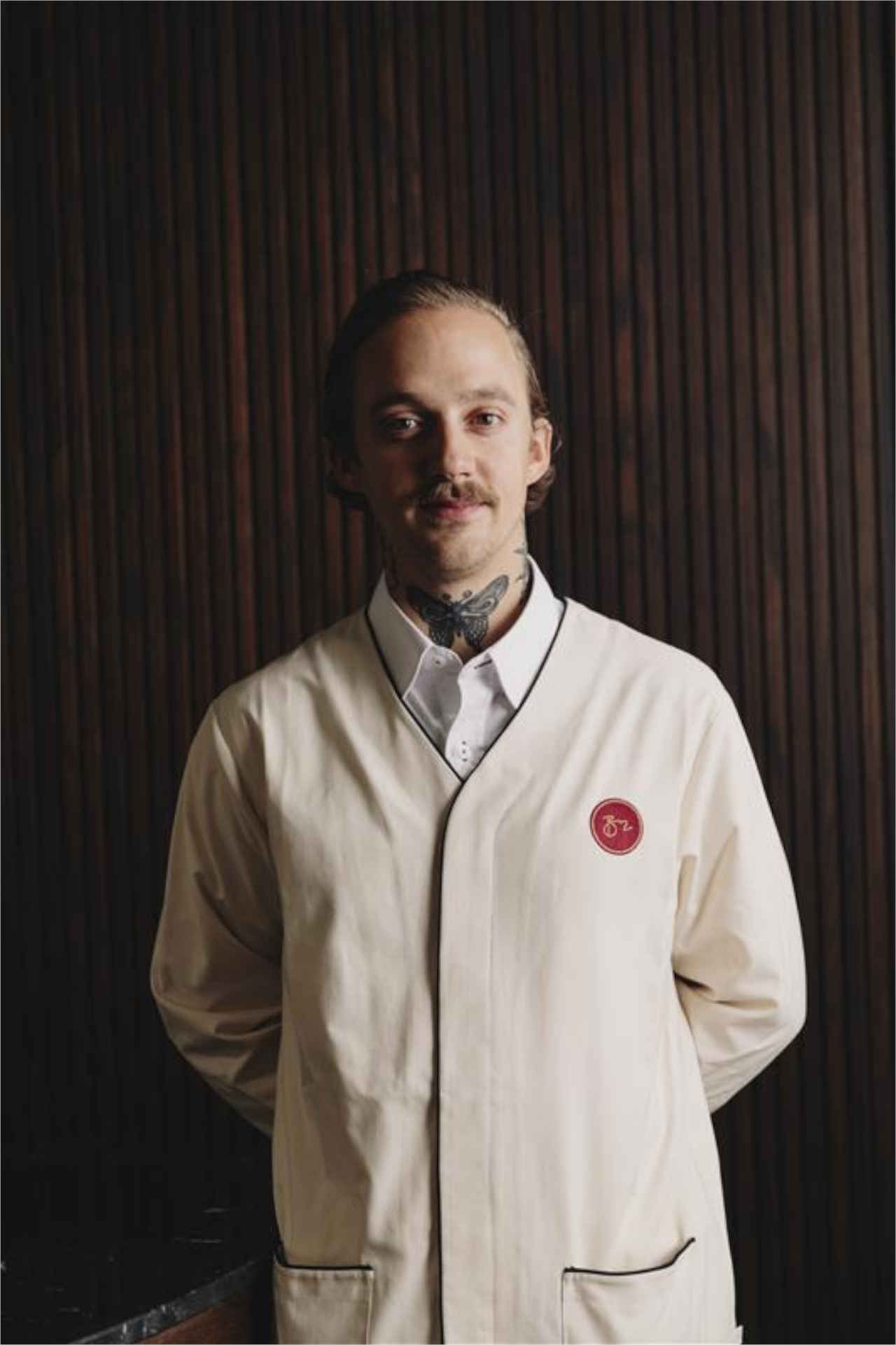
Mario Sel is not your typical hotel bartender with a straightforward career path. Born and raised in Bavaria, his training took him to the European Bartender School in Sydney – an early step toward an international career. This was followed by stints at renowned establishments such as the Andaz Munich Schwabinger Tor, and later in Barcelona at Paradiso and Two Schmucks, two bars known worldwide for their progressive mixology.
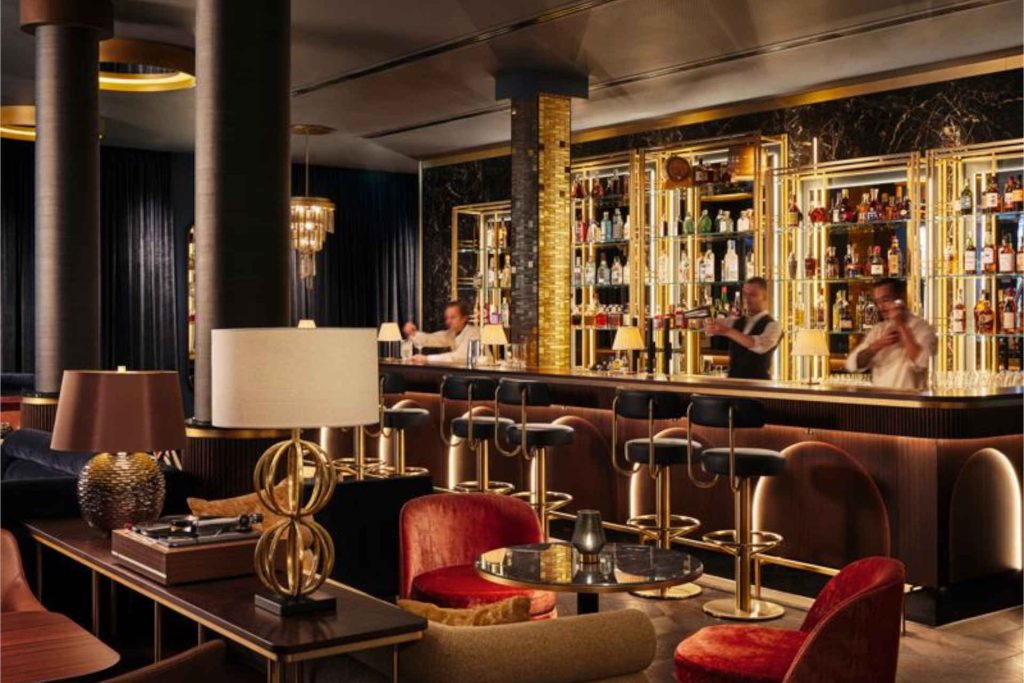
In Barcelona and Mallorca, Sel also worked as an instructor. This international experience was complemented by training as a junior sommelier in Germany, a detail that shapes his sensory approach. Since March 2025, he has served as Bar Manager at Bar Montez at the Rosewood Munich. His style: globally inspired, precisely composed, structurally con
Dry January as an Experiment – Not a Restriction
While many bars view non-alcoholic options as mere add-ons, Sel approaches them conceptually. The mocktail “No Scrubs” is not a substitute, but a standalone creation.
The base is briefly steeped hōjicha tea, whose nutty, roasted depth provides structure. Strawberry syrup adds fruitiness, while fresh lime juice brings a zesty kick. The addition of coconut milk serves not only to enhance the flavor but also to naturally clarify the drink, a technique familiar from classic milk punches.
After a resting period, the drink is gently filtered, stored chilled, and served over clear ice. The result: a silky texture, clear aromatics, and surprising depth. The drink is accompanied by a Vietnamese mung bean and coconut cake. A pairing that combines lightness and substance. This highlights a key trend: non-alcoholic drinks are becoming technically sophisticated.
Trend Analysis: What Bars Need to Know Now
Dry January isn’t a one-off event, but part of a broader trend. Today’s guests expect:
- substantial non-alcoholic options with aromatic complexity
- original recipes instead of “virgin” versions
- sustainability in ingredients and preparation
- a distinct creative signature
Mario Sel doesn’t think of drinks in binary terms – alcoholic or non-alcoholic – but in terms of quality. His signature cocktails are based on hand-selected, fresh ingredients, combined with unexpected flavor pairings: fruity lightness meets bitterness, smokiness meets freshness. The difference lies in the standard: even a non-alcoholic drink must possess structure, texture, and length.
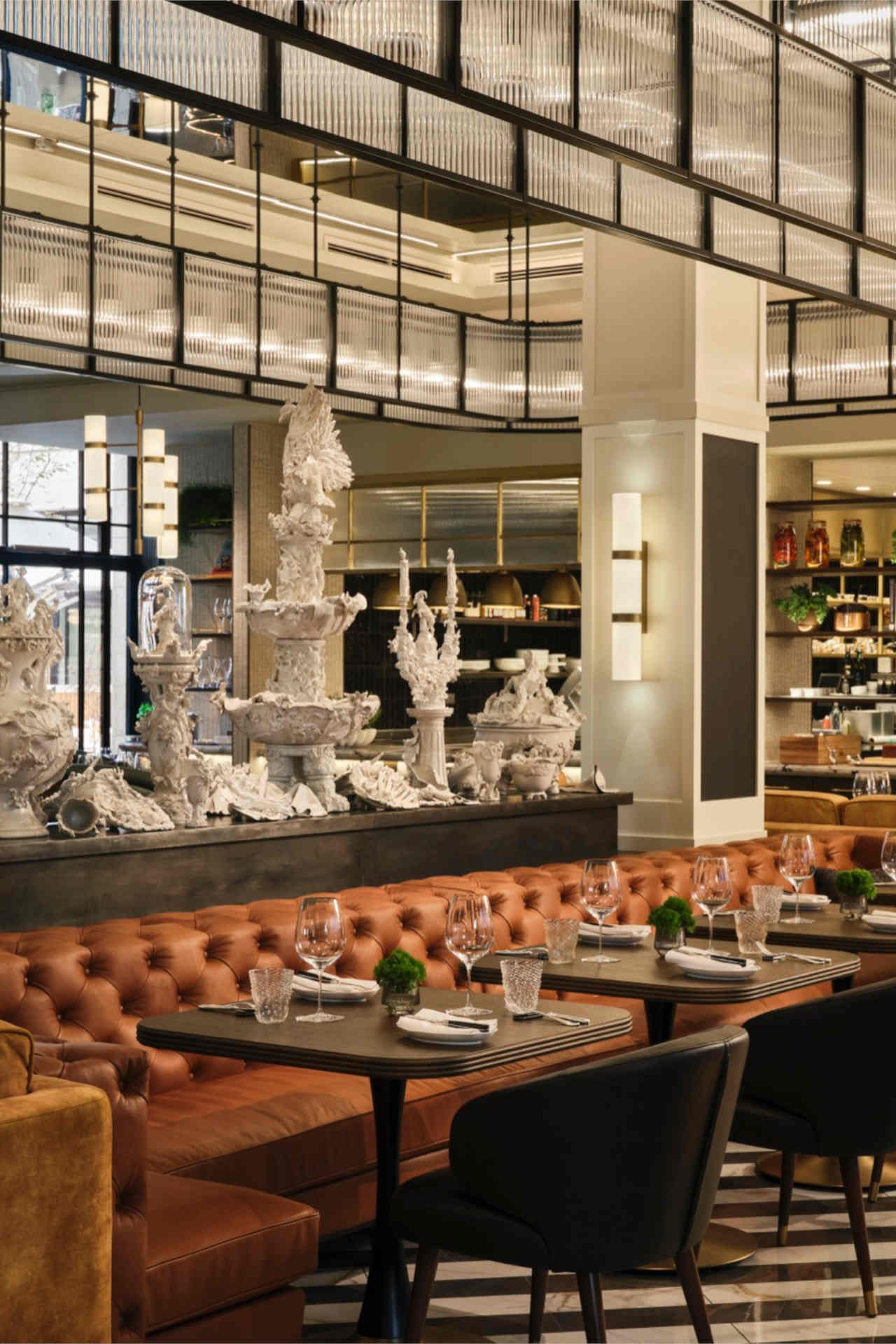
Rosewood Munich: Luxury as Context
It is no coincidence that this transformation is taking place at Rosewood Munich. The hotel combines historic charm with modern luxury across two landmark buildings: the former headquarters of the Bavarian State Bank and the Palais Neuhaus-Preysing.
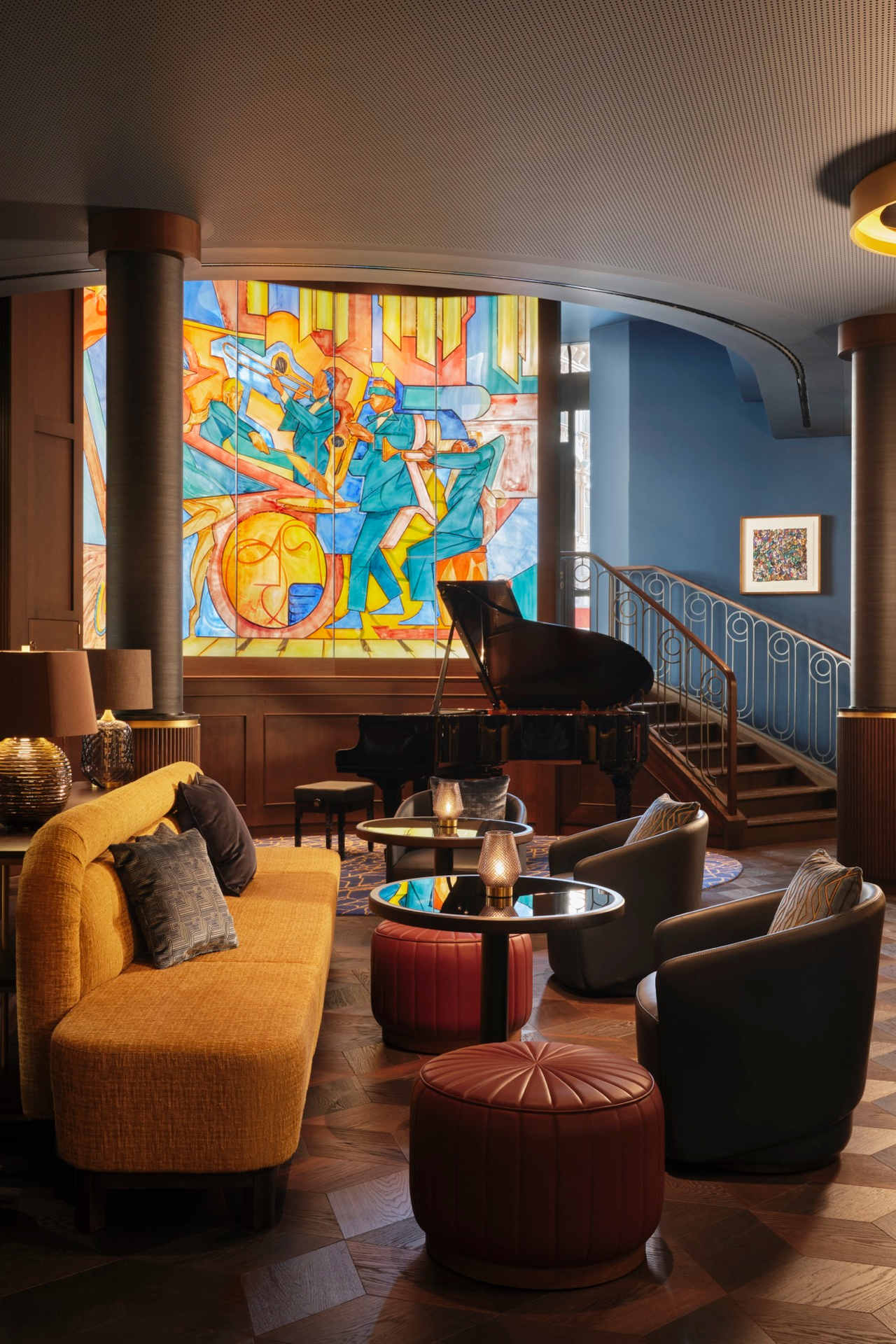
73 rooms, 59 suites, five exclusive Houses, the Brasserie Cuvilliès with its Alpine flair, the Bar Montez as an urban gathering spot with live music, a winter garden, the palace courtyard, the two-story Asaya Spa – the setting is clearly defined: sophisticated, international, and experience-oriented.
Within this structure, the Bar Montez serves as a testing ground for global beverage trends. Sustainable ingredients, sensory depth, and mindful enjoyment are not just marketing buzzwords here, but part of a curated philosophy.
What this trend means
For hoteliers and restaurateurs, the message is clear: non-alcoholic offerings are no longer just an add-on; they are a key differentiator. Those who merely cover Dry January with three mocktails on a separate menu are missing out on potential. Those who, like Mario Sel, take non-alcoholic creations seriously from a technical standpoint, create:
- new revenue streams
- expanded pairing possibilities
- stronger emotional guest loyalty
- differentiation in the luxury segment
The actual trend, then, is not abstinence, but enhancement.
From Genusspunkt 1/2026