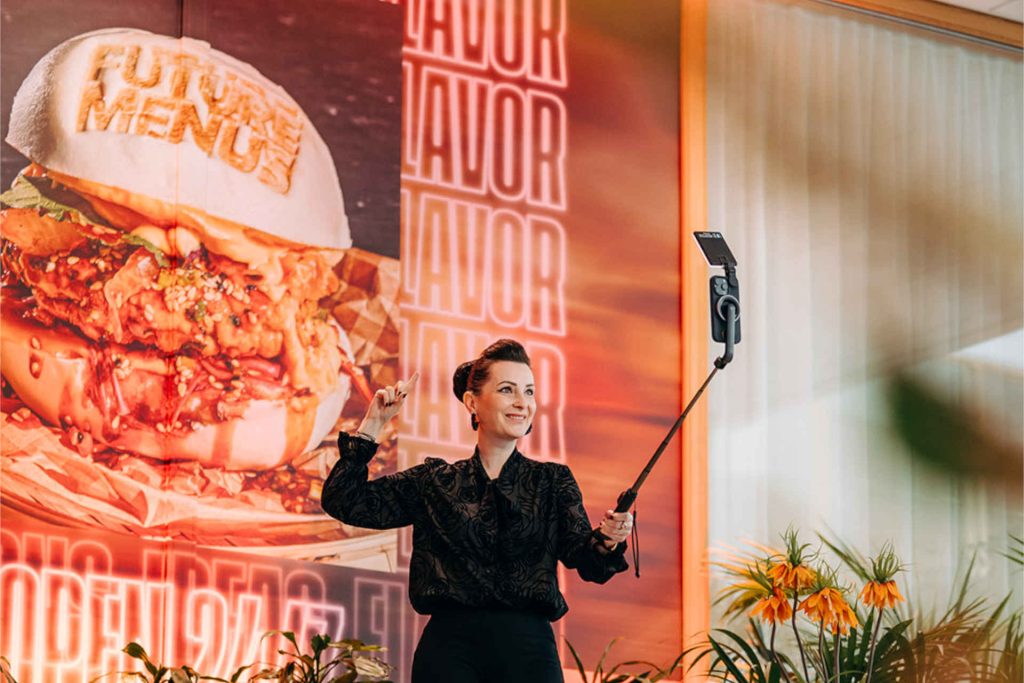

1. Street Food Couture: When Simplicity Becomes High Culture
Street food has lost its innocence – in the best possible way. What used to be improvised and functional is now curated, refined, and staged. “Street Food Couture” describes the transformation from a quick snack to a precisely composed culinary experience.
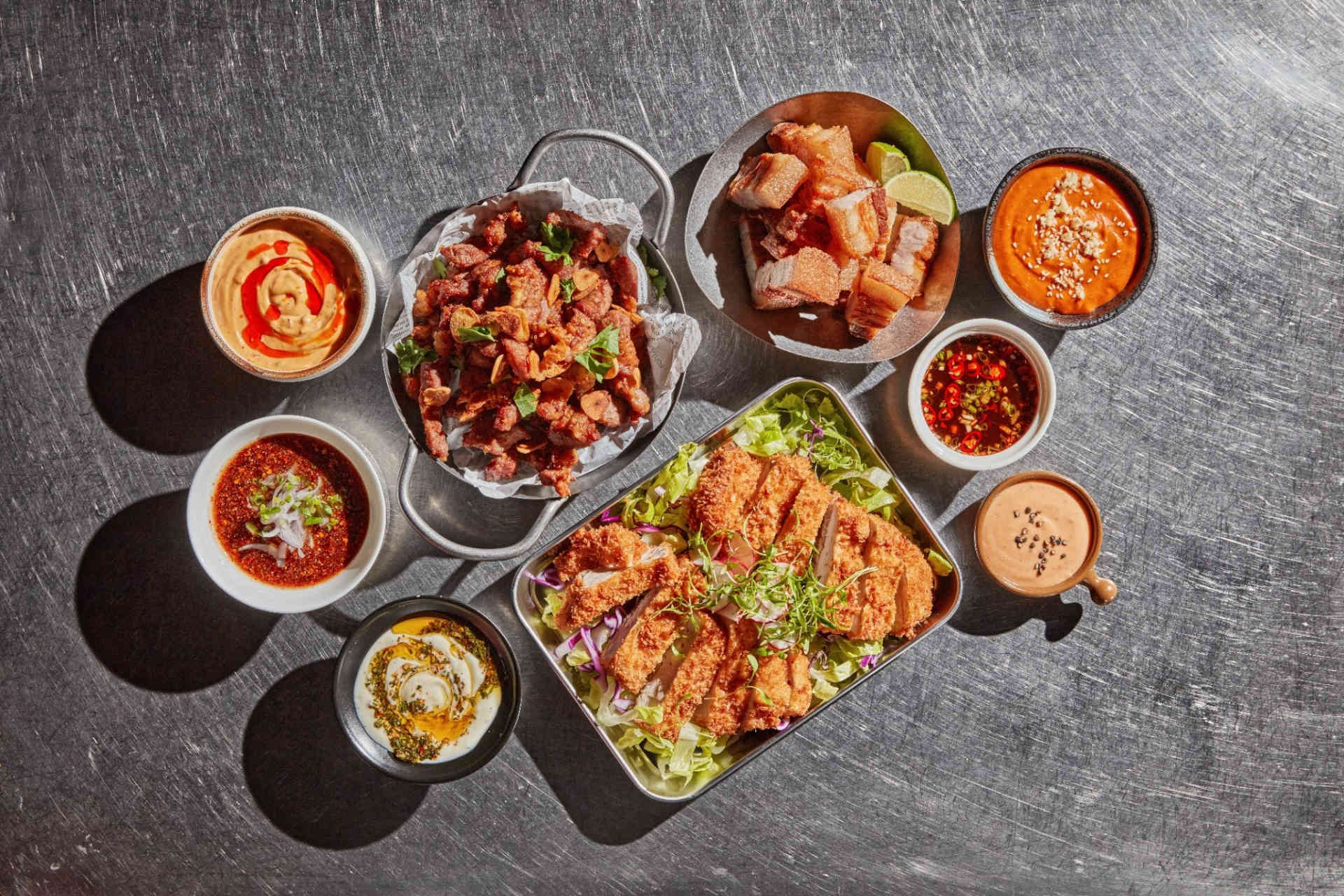
At its core, it’s about three things: accessibility, craftsmanship, and presentation. Classics like bao buns, tacos, or fried chicken are no longer simply served; they are reinterpreted. High-quality ingredients like ube, chili crisp, or hot honey bring new sensory dimensions into play. At the same time, dishes are created that are visually optimized for platforms like Instagram – a revenue driver that should not be underestimated.
Business Relevance:
- Focusing on 1–2 signature dishes increases brand recognition and operational efficiency
- “Mix & Match” snack formats boost upselling
- Sweet-savory combinations generate viral effects
Gen Z sets the pace: More than half of this demographic actively seeks out nutrient-rich yet “exciting” options. Those who fail to deliver here lose visibility.
2. Borderless Cuisine: The New Seriousness of Global Cuisine
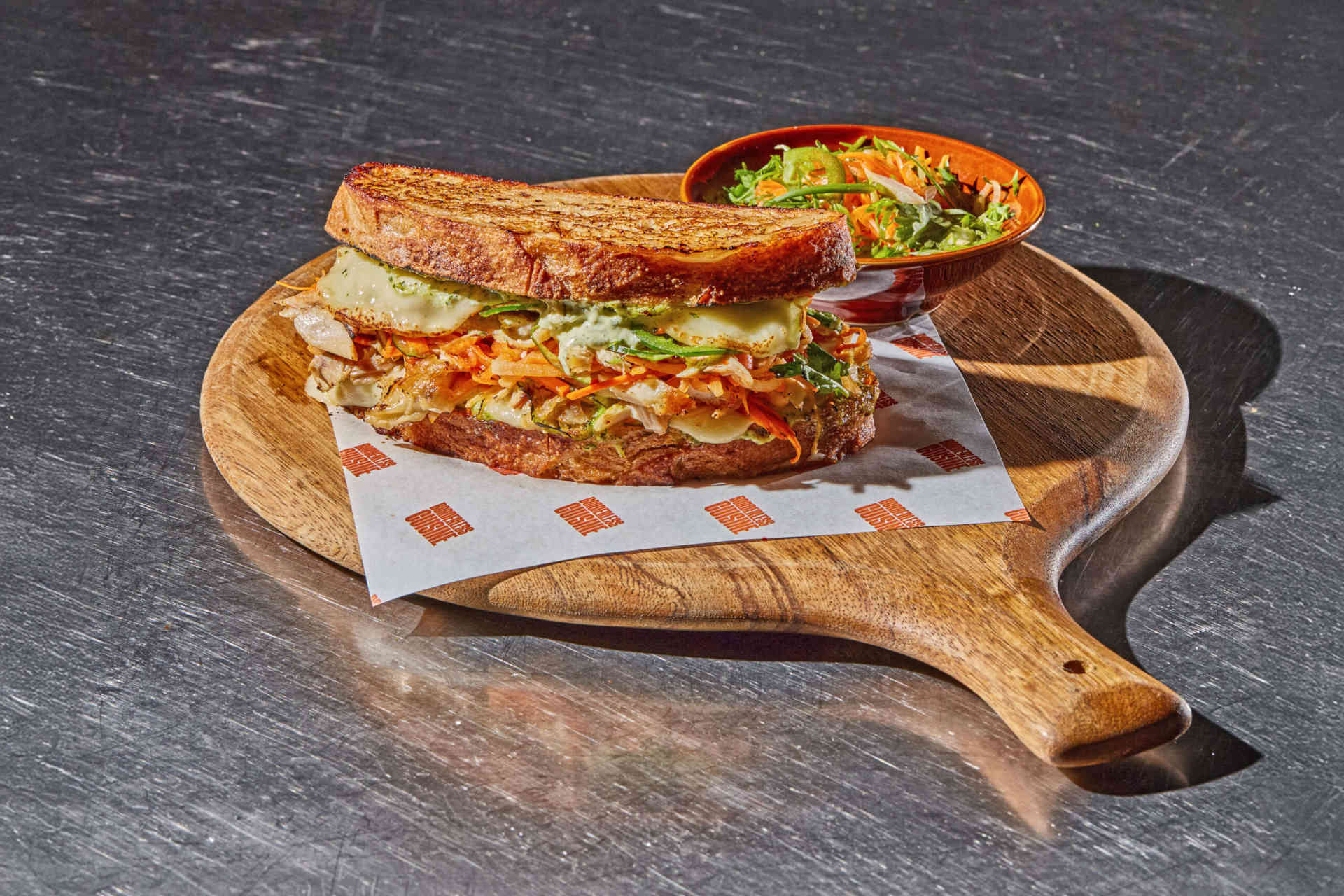
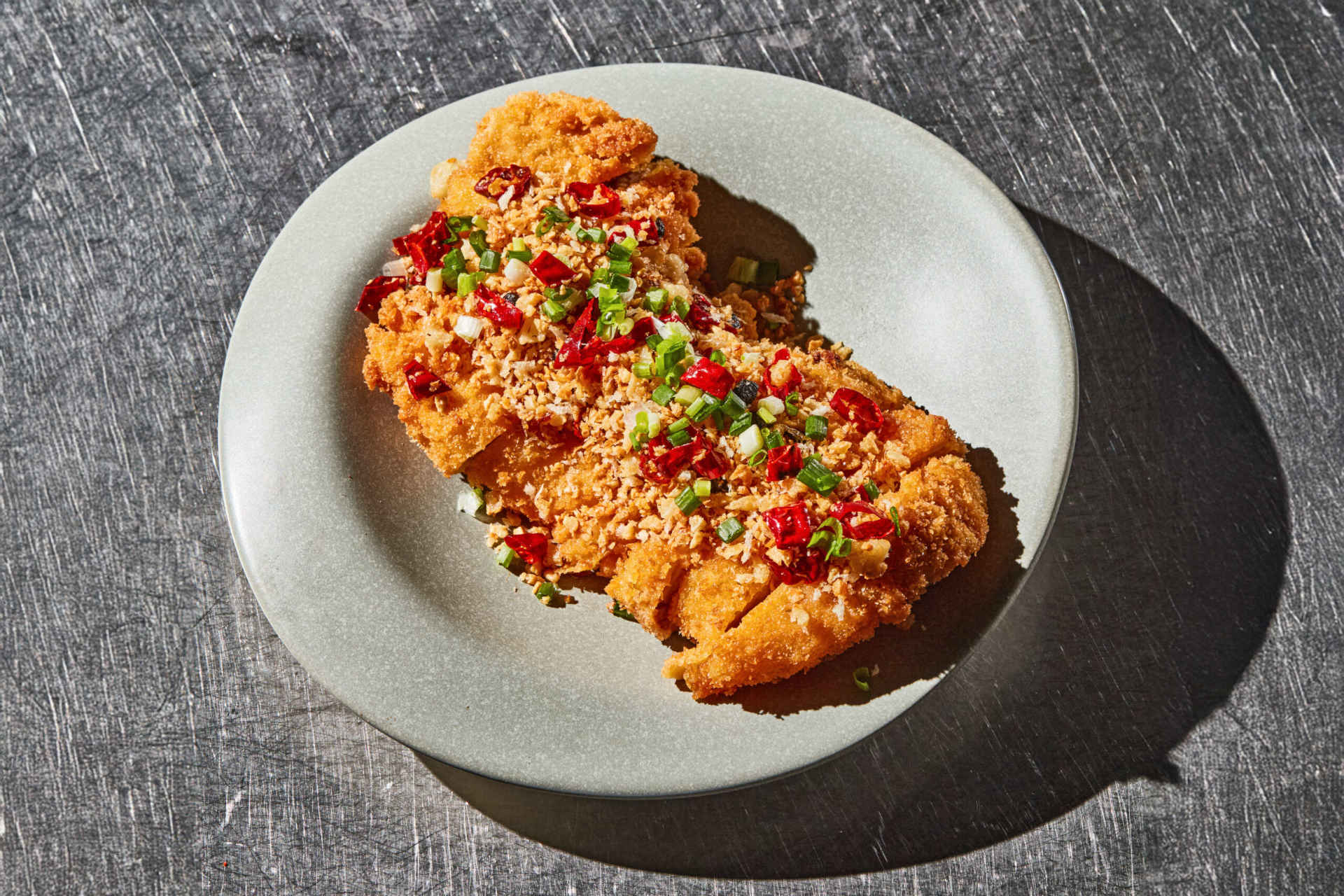
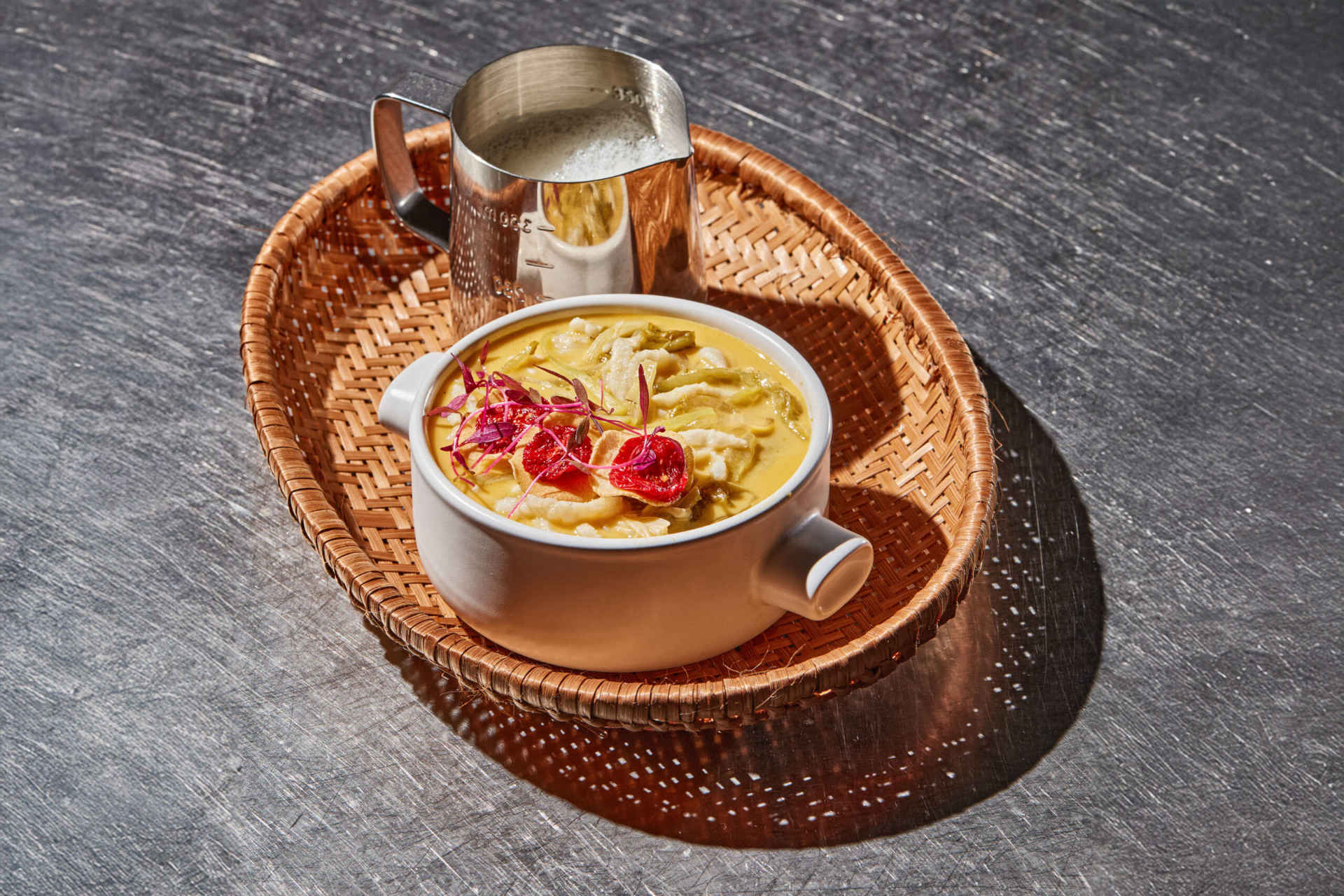
Fusion is a thing of the past. In 2026, the focus is on something else: respect, depth, and cultural intelligence. “Borderless Cuisine” describes a culinary approach that doesn’t simply combine, but understands. Kimchi meets European fermentation techniques, miso meets regional vegetables, and tahini meets Alpine cuisine. What matters is not the combination itself, but the authenticity behind it.
What’s changing: Chefs are becoming cultural translators; authenticity is replacing superficial creativity; and presentation is becoming part of the narrative (e.g., traditional serving styles).
Strategic lever: The 3-course menu model
The three-tier menu model is an effective approach for integrating culinary trends like “borderless cuisine” into existing concepts in a structured and economically sound way. Instead of changing the entire menu, innovations are introduced strategically across three tiers.
In the low-risk tier, existing dishes are only slightly adapted, for example by adding individual international ingredients or flavors. This way, dishes remain familiar but are given a modern twist.
The mid-tier level focuses on familiar formats like bowls, tacos, or pasta, which are interpreted in a much more international way. These dishes are accessible but more distinctive and ensure differentiation.
In the premium segment, the focus is on technically sophisticated, creative dishes. They tell stories, highlight culinary expertise, and allow for higher price points.
This creates a healthy balance between innovation, cost-effectiveness, and guest acceptance. The operational advantage is that standardized sauces and clearly defined flavor profiles enable scalability without compromising quality.
3. Culinary Roots: The Renaissance of Origin
While globalization has opened up the culinary world, a counter-movement is emerging in parallel: a return to one’s own roots. “Culinary Roots” is not a nostalgic idealization, but a strategic re-anchoring. Guests want to know where products come from, the story behind them, and how they are prepared. Dishes like goulash, stews, and bread are experiencing a renaissance, albeit reinterpreted, with greater technical precision, and often lighter.
Key developments:
- Focus on traditional techniques (roasting, fermenting, braising)
- Rediscovery of heirloom grains and regional ingredients
- Spices as a signature touch
78% of guests are willing to pay more for “natural” products. This is not a trend; it is a pricing mechanism. Plant-based bowls featuring ingredients like okra, buckwheat, or lotus root combine storytelling with cost efficiency. Result: higher margins alongside rising demand.

4. Diner Designed: The Guest Becomes a Co-Creator
Personalization is no longer just an optional extra, but a clear expectation of modern guests. The “Diner Designed” trend embodies this shift: away from passive consumption and toward actively shaping the culinary experience.
The key point here is that this approach does not require major investments or complex technologies. Rather, its strength lies in simple, well-thought-out concepts with a high impact. Modular dishes that can be customized with add-ons form the foundation. This is complemented by a selection of sauces and toppings that allow guests to control the flavor and intensity themselves. Flexible preparation methods for identical products also open up additional variations without complicating kitchen workflows.
The result is clearly noticeable: guests experience greater individuality and appreciation, which increases satisfaction, strengthens loyalty, and ultimately has a positive impact on revenue per guest.
Convincing statistics:
- 58% are willing to pay more for personalized menus
- 82% accept digital tools such as QR ordering
Next-Level Experience:
- 360° projection dinners as a premium format
- AR menus for visualizing dishes
- Curated menus as a ticketed experience
Here, the boundaries between gastronomy, entertainment, and technology blur
AI as a Game-Changer: From Trend to Implementation
However, perhaps the most crucial step taken by Unilever Food Solutions is not the trend analysis itself, but its translation into practice.
This is exactly where the newly developed AI tool comes in:
- Analysis of the individual restaurant concept
- Comparison with global trends and databases (over 35,000 recipes)
- Generation of concrete, actionable recommendations
Unlike generic AI systems, this tool is based on curated expertise from 250 international culinary professionals.
What this means in concrete terms for foodservice businesses is a noticeable paradigm shift in how they approach innovation. Decisions are no longer based on pure intuition or vague inspiration, but on data-driven, tailored strategies that precisely match the specific concept, target audience, and operational conditions.
This significantly reduces the traditional trial-and-error approach. New dishes, menu adjustments, or concept ideas no longer need to be laboriously tested and discarded; instead, they can be implemented in a more targeted and promising manner from the very beginning. At the same time, this precision enables a much faster adaptation to current trends without taking unnecessary risks or jeopardizing operational stability.
Or to put it another way: Artificial intelligence is evolving from a much-cited buzzword into a concrete, practical tool that efficiently supports day-to-day kitchen operations and takes strategic decision-making to a new level.
Our conclusion: The new restaurant industry is strategic, emotional, and data-driven
These four trends point in a clear direction: The future of the restaurant industry lies not in extremes, but in balance. Between: globalization and regionality, creativity and standardization, technology and humanity.
Those who understand these areas of tension and actively shape them will not merely follow trends, but shape them. And this is precisely where the current transformation begins: Success is no longer determined by what is cooked, but by how consciously it is done. The kitchen thus definitively becomes a strategic space. And the plate becomes the stage.