Doing good and saving money at the same time. Empty organic garbage cans and zero waste are not only ethically exemplary, but also budget-friendly.
Anyone who knows me or takes a look at my recipes will immediately recognize this. Zero waste is an important topic in my kitchen. For me, it’s about valuing the product, but also about saving costs and making valuable use of our resources. And on top of that, it’s about creating surprising moments of pleasure that you simply didn’t expect. The prerequisite for processing peelings & co. is that they are organic products.
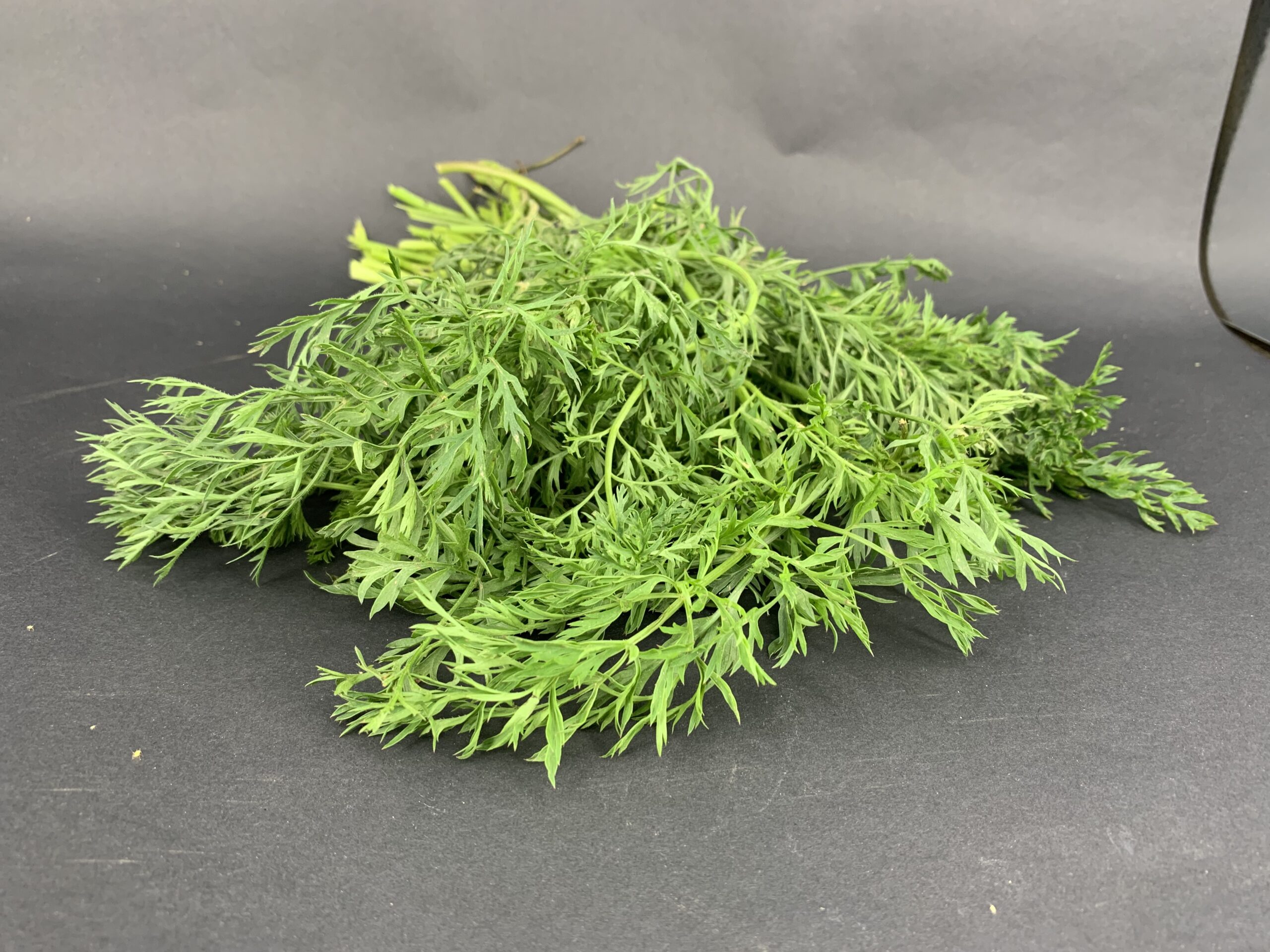
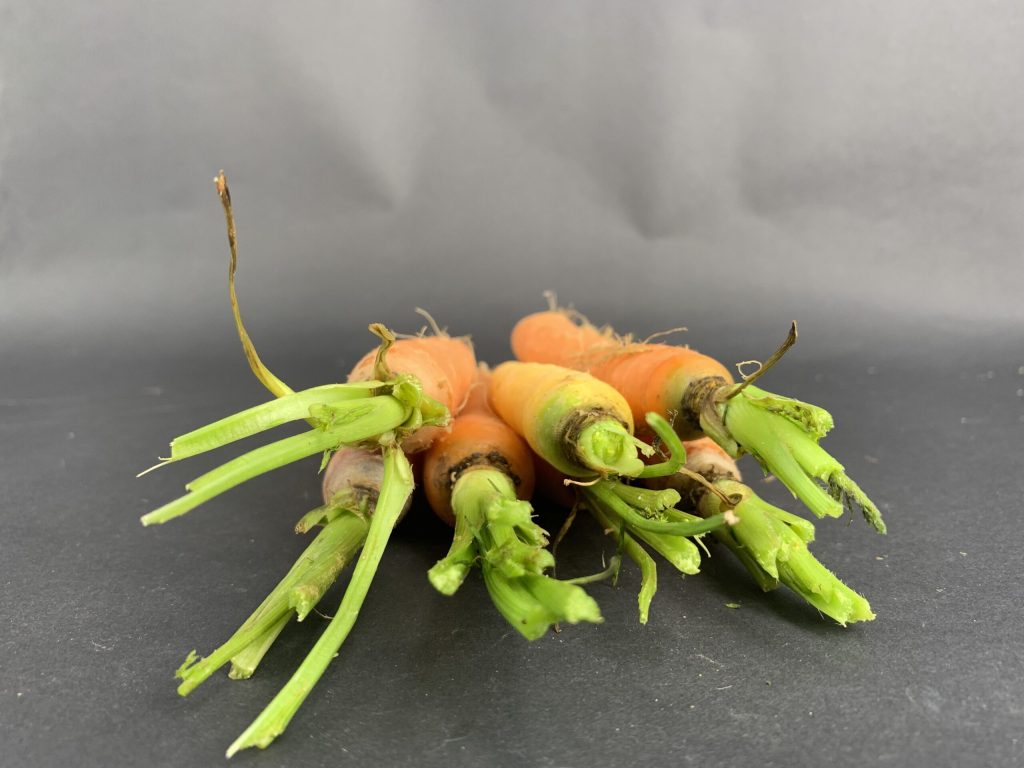
Carrot greens can be used to make a pesto with the addition of pine nuts, garlic, parmesan and olive oil, which can also be kept frozen.
Carrot peel can be used to make potato chips:
Bake in the oven at 180 degrees with a little olive oil, salt and pepper for 15 minutes until golden brown.
Preparation of pickles:
Sections, peelings and stalks of carrots, broccoli and cauliflower, cumin seeds, bay leaf
with a brine and vinegar and store in a cool place.
Cucumber peels can be recycled in an incredible variety of ways for cool drinks or for a vitamin-rich smoothie:
As an addition to cocktails or as a spritz mixed with mint stems, lemon juice, soda and ice cubes. A cucumber ginger smoothie, consisting of the peel of a cucumber, apple pieces, ginger, a dash of lemon and water, is not only refreshing but also contains important phytochemicals. The cucumber ends can be finely sliced and mixed with yellow mustard seeds and a salt solution and vinegar to make pickles.
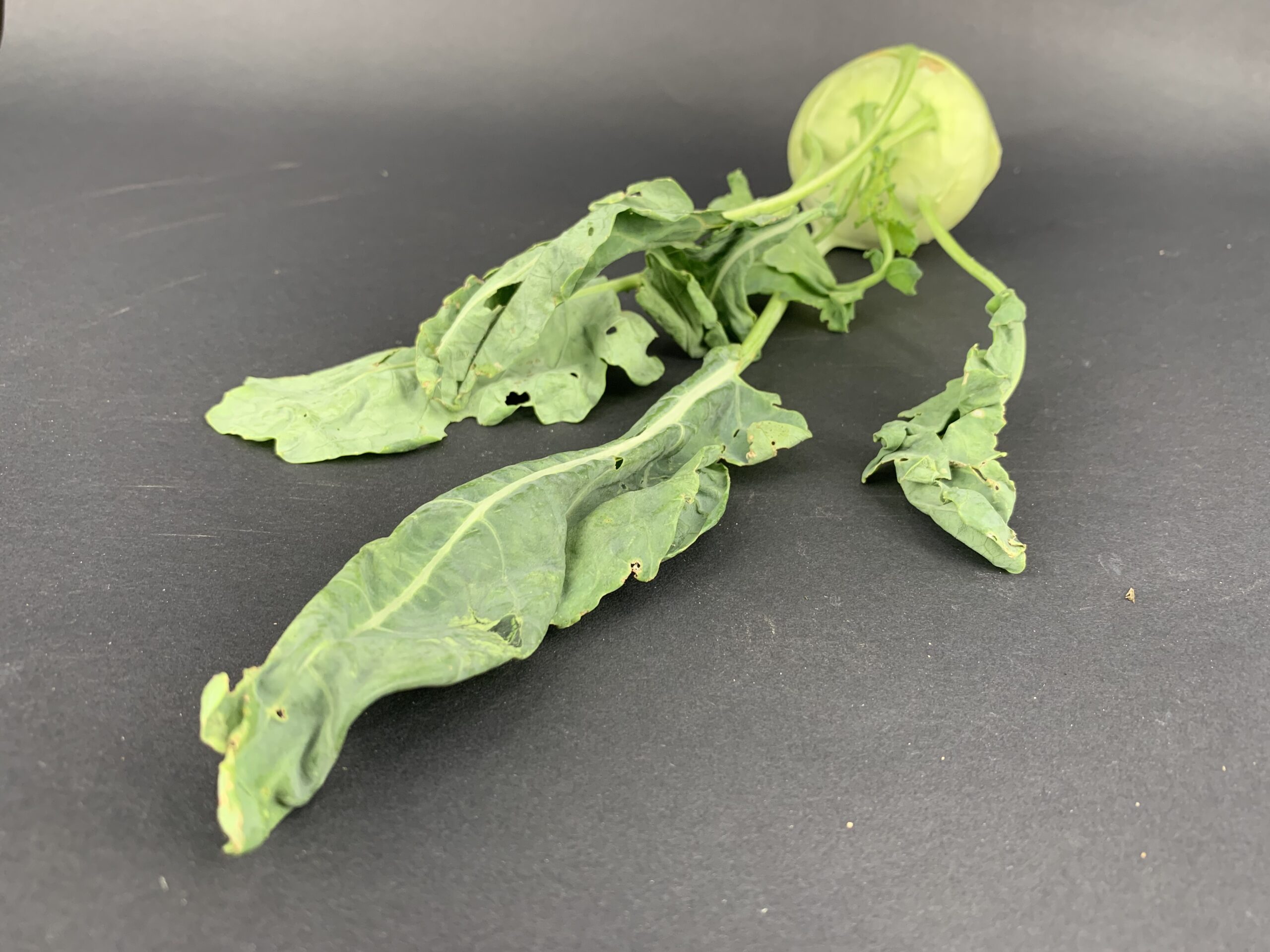
Kohlrabi leaves are processed in a similar way to herbs or spinach. Their intense aroma can be used to spice up mixed salads, refine soups and stews or conjure up a smoothie rich in vital nutrients. The leaves can also be pressed between two silicone mats, sprayed with oil and sugar, briefly baked in the oven and used as a tasty decorative element.
When culinary excellence becomes an ecological statement—and top chefs take responsibility: Sustainability doesn’t end with packaging—it begins with product selection. This is impressively demonstrated by the Relais & Châteaux association, which, with over 580 member establishments, is considered the world’s largest gourmet community. Together with the NGO Ethic Ocean, it has launched an initiative that could not be more consistent: its chefs are committed to removing endangered fish and seafood species from their menus until stocks have recovered.
Wild vegetables are more than just a trend—they are a From pink cauliflower to Bimi® wild pak choi, these varieties open up new possibilities for restaurants, hotels, and fine dining. They taste milder, are colorful, rich in vitamins—and can be perfectly prepared in no time.
Anyone who knows me or takes a look at my recipes will immediately recognize this. Zero waste is an important topic in my kitchen. For me, it’s about valuing the product, but also about saving costs and making valuable use of our resources. And on top of that, it’s about creating surprising moments of pleasure that you simply didn’t expect. The prerequisite for processing peelings & co. is that they are organic products.