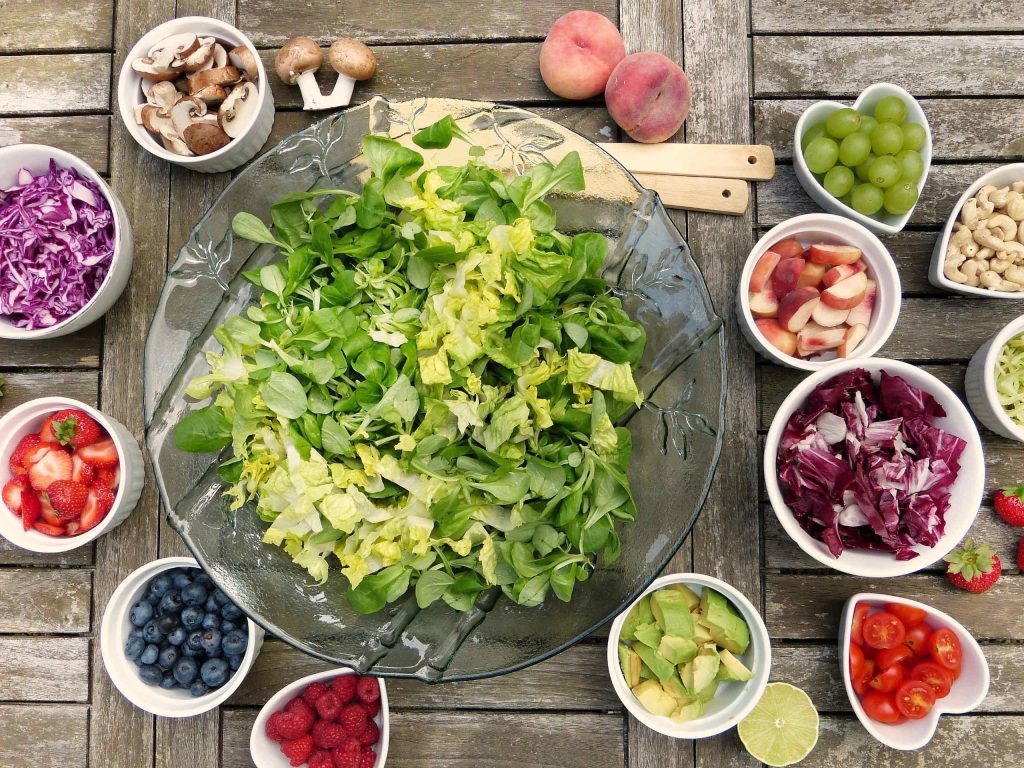
Vegan interpretations of traditional dishes will become part of our food culture in the future. This is the conclusion of trend researcher Hanni Rützler. In addition to new high-tech imitations of meat and fish, meat-free adaptations of classic dishes that do not require complicated lists of ingredients are also shining. The still popular bowls, for example, can be perfectly “veganized” – whether sweet or savoury, breakfast or lunch snack.
Now possible without animal ingredients: vegetables, fruit or salad, nuts or seeds are perfect for a quick snack. Then there are filling foods such as quinoa, couscous or bulgur, which offer plenty of scope. And then we mustn't forget the so-called superfoods: Avocado, pomegranate or chia seeds, for example, are very popular with health-conscious gourmets. The regional alternatives are beet, linseed or kale. With imagination and creativity, delicious plant-based alternatives can be created - in the form of healthy snacks, sophisticated variety or favorite childhood memories.
Meat is losing its role as the leading product of our food culture - at least in the visions of innovative food technologists and investors as well as in the vegan discourse on “proper” nutrition. Plant-based food has become one of the most important food trends of our time. In addition to plant-based products, other alternatives such as alt-protein and cell-cultured food, which are becoming increasingly similar to meat and fish in terms of taste and texture, are now on the horizon.

When culinary excellence becomes an ecological statement—and top chefs take responsibility: Sustainability doesn’t end with packaging—it begins with product selection. This is impressively demonstrated by the Relais & Châteaux association, which, with over 580 member establishments, is considered the world’s largest gourmet community. Together with the NGO Ethic Ocean, it has launched an initiative that could not be more consistent: its chefs are committed to removing endangered fish and seafood species from their menus until stocks have recovered.
Tradition meets trend: British tea time is experiencing a stylish renaissance in hotels, cafés, and upscale restaurants. What was once reserved for the British aristocracy is now being reimagined with elegant tiered trays, international tea varieties, and a thirst for knowledge about blends, brewing times, and rituals. A look at new concepts, old customs, and the future of tea—including insights from the Academy.
Vegan interpretations of traditional dishes will become part of our food culture in the future. This is the conclusion of trend researcher Hanni Rützler. In addition to new high-tech imitations of meat and fish, meat-free adaptations of classic dishes that do not require complicated lists of ingredients are also shining. The still popular bowls, for example, can be perfectly “veganized” – whether sweet or savoury, breakfast or lunch snack.