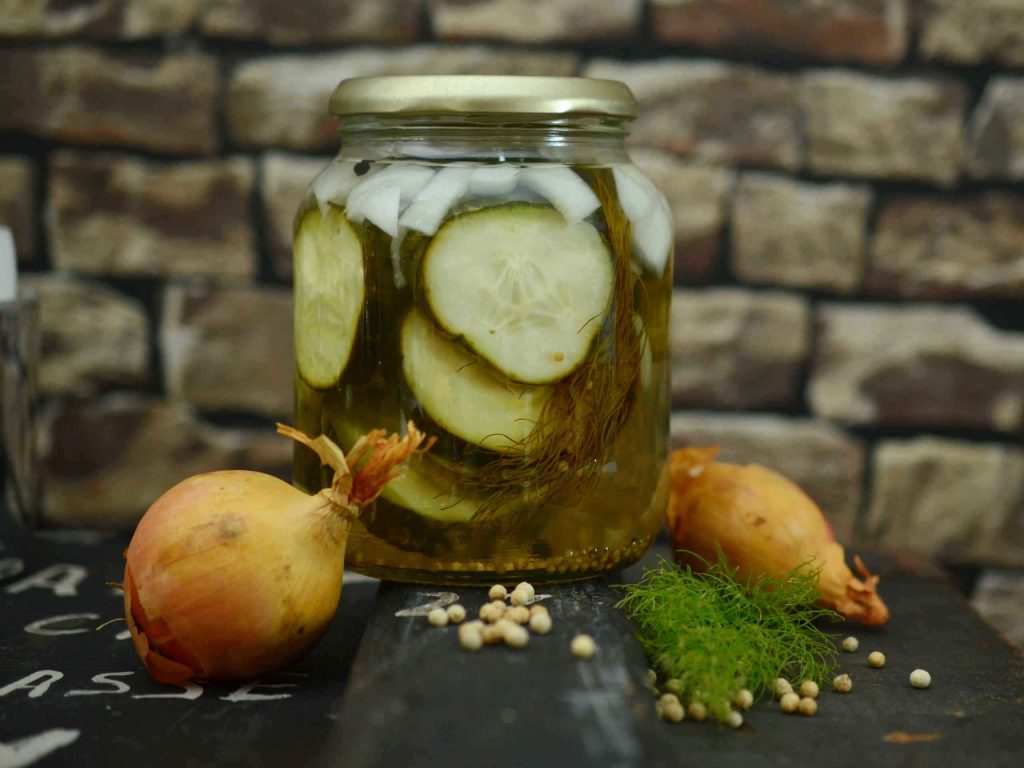
In times when restaurateurs and hoteliers are increasingly growing their own vegetables, old-school preservation is just the thing. Fermentation has several advantages: The food is preserved in a natural way, it does not require electricity for storage and the flavors released during fermentation are exceptional. What’s more, the process is very simple and can be used in any type of business, from a la carte restaurants to system caterers – the use of fermented products is unlimited in terms of quality and quantity. It is important to be careful with salt, which is the basis of every fermentation – in granular form or as brine. Too little promotes spoilage, too much makes the product difficult to use.
The most famous of all fermented foods in this country is sauerkraut. But chocolate, kefir, cocoa, beer, cheese and sourdough bread are also produced by fermentation. Many fermented foods can be found in Asian cuisine in particular. Such as the Korean classic kimchi - spicy pickled white cabbage. Or tempeh, which is made from fermented soybeans and is a popular vegan meat substitute. Miso has also undergone a fermentation process before it ends up on your plate.
In principle, all vegetables are suitable, but it works particularly well with vegetables that are not too soft, such as cabbage, root vegetables, beans, beet, pumpkin or peppers.

Jules Winnfield runs a vegetarian cocktail bistro in Berlin, which has been awarded a Michelin star since 2023, two cooking class and event spaces, and a focacceria. The growing universe surrounding his “Bonvivant” is based on sustainability and teamwork – and shows that gourmet gastronomy can also be done differently. A portrait.
Wild vegetables are more than just a trend—they are a From pink cauliflower to Bimi® wild pak choi, these varieties open up new possibilities for restaurants, hotels, and fine dining. They taste milder, are colorful, rich in vitamins—and can be perfectly prepared in no time.
From micro martinis to butterfly pea lattes – the bar world is being turned upside down. International bar culture is experiencing a trend that may seem small at first glance, but has great potential: mini drinks, signature serves, and no & low options that deliver less glass but more flavor. Combined with a growing focus on sustainability, storytelling, and sensory experiences, a new playing field is emerging for bartenders. Genusspunkt asked Marie Rausch and Sigrid Schot, two of the most exciting women in the bar scene, for their thoughts and also summarized the latest ideas from the World’s 50 Best Bars.
In times when restaurateurs and hoteliers are increasingly growing their own vegetables, old-school preservation is just the thing. Fermentation has several advantages: The food is preserved in a natural way, it does not require electricity for storage and the flavors released during fermentation are exceptional. What’s more, the process is very simple and can be used in any type of business, from a la carte restaurants to system caterers – the use of fermented products is unlimited in terms of quality and quantity. It is important to be careful with salt, which is the basis of every fermentation – in granular form or as brine. Too little promotes spoilage, too much makes the product difficult to use.