
Summer tourism in Austria: an upswing with a double bottom
In 2023, Austrian summer tourism reached a new high: at 16.6 billion euros, the summer season even surpassed the traditionally strong winter season (13.3 billion euros). 45 million guests accounted for around 151 million overnight stays. However, the positive figures should not obscure the fact that the general conditions are changing - and with them the expectations of tourism businesses.
Österreich Werbung describes the situation as “characterized by uncertainty”: global tensions, high cost of living, geopolitical risks. Nevertheless, the willingness to travel in the most important source markets remains unbroken.
New guests, new priorities
Current travel trends show that guest behavior is changing in several areas:
- “Coolcation” instead of heat escape: Increasingly hot summers are making cooler regions such as Alpine destinations appear more attractive again.
- “Intentional traveling”: Guests are traveling more consciously, more sustainably and with a specific desire for added value.
- “Soft travel” and “JOMO” (Joy of Missing Out): Deceleration, authenticity and quality of experience are moving into focus.
- “Taste Hunting” and “Jetflix & Chill”: Culinary delights and relaxing entertainment as central vacation content.
- Digitally influenced: AI-supported travel planning, recommendations via social networks and micro-influencer content have a significant influence on decisions.
The importance of international visitors remains high: in 2023, they generated revenue of over 22 billion euros - a huge contribution to Austria's current account balance.
Challenges for the industry
Requirements are increasing in parallel with growth:
- Skills shortage: With only 5,975 apprentices in the tourism sector (as of 2022), there is a massive lack of young talent.
- Demographic change: fewer young people, increased demands on work-life balance
- Sustainability and positioning: guests expect environmentally friendly concepts, transparent communication and emotional brand loyalty.
The Tourism Satellite Report shows that tourism's share of GDP was only 3.8% in 2022 - before the pandemic, it was 5.5%. Innovative offers and experiences are needed to regain former strength.
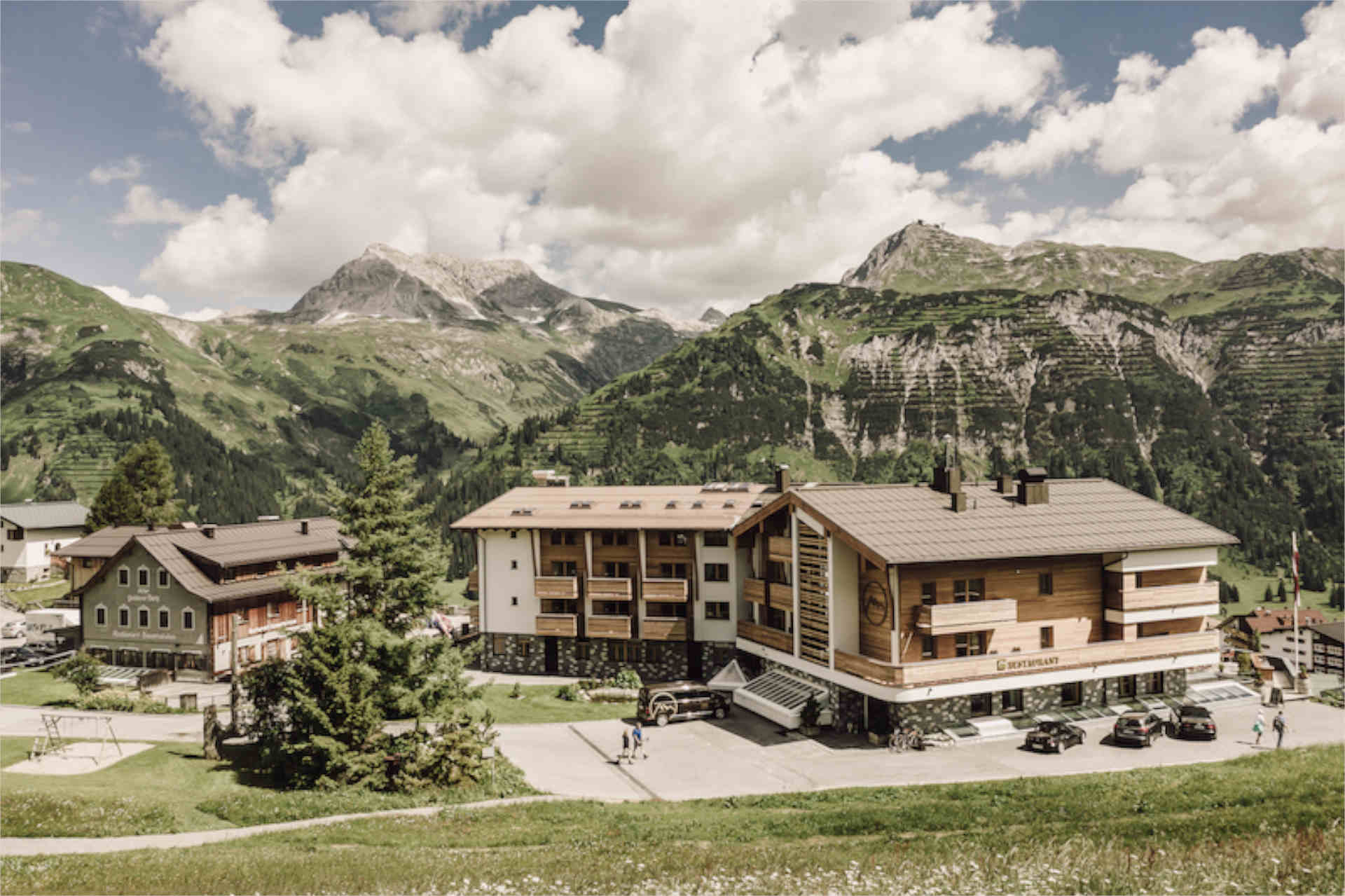

Best practice: Hotel Goldener Berg, Oberlech
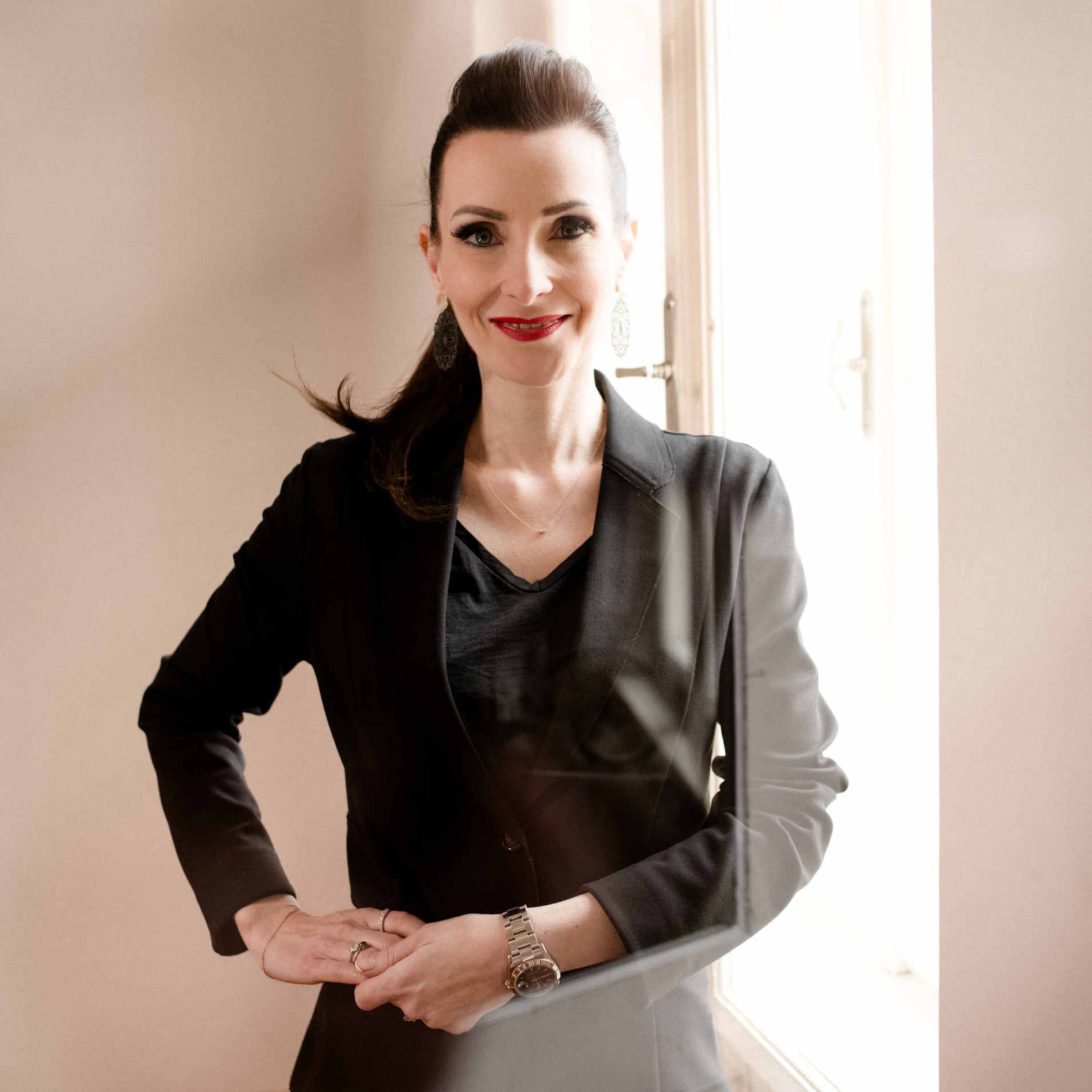
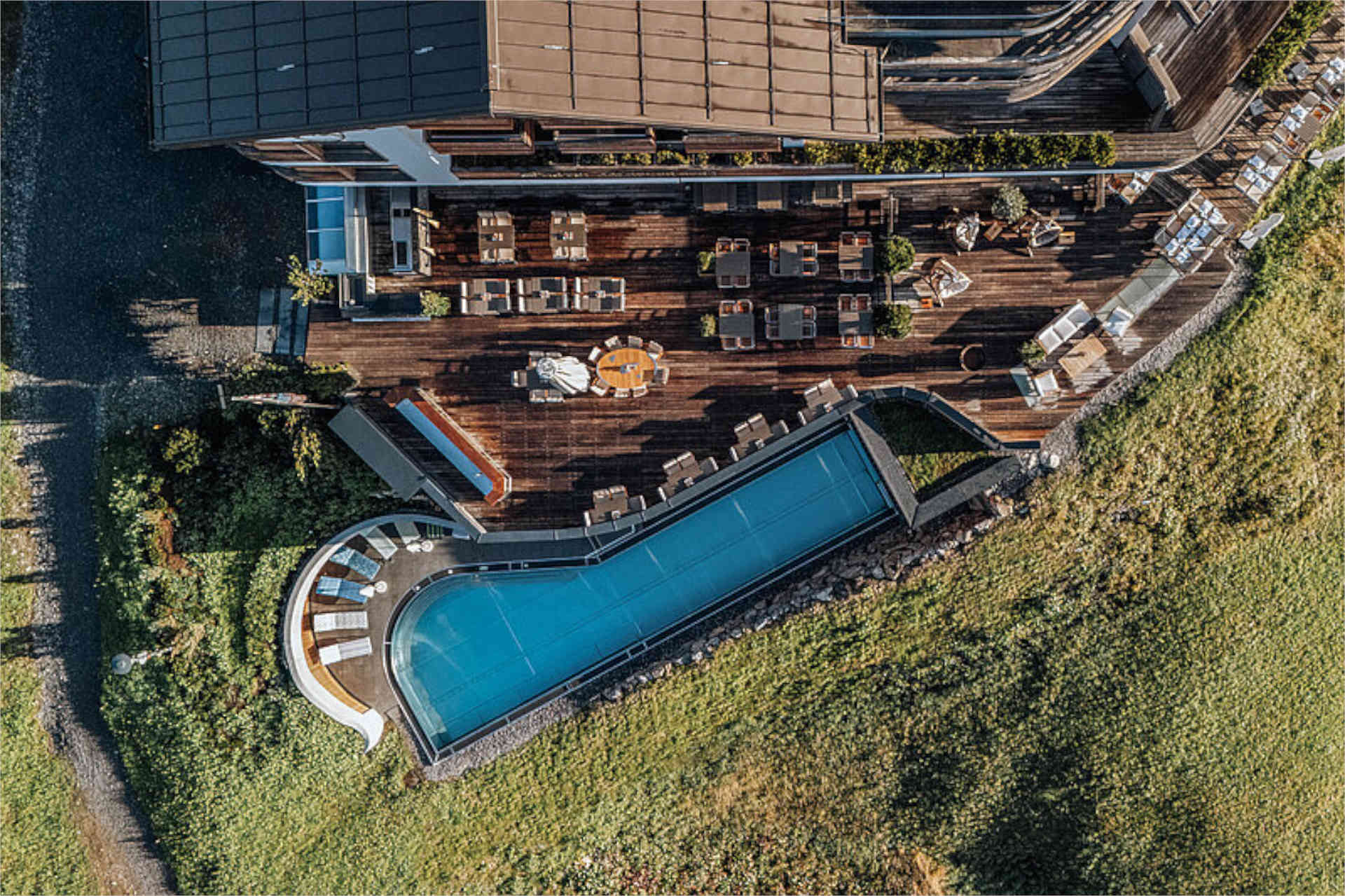
The example of the Hotel Goldener Berg in Oberlech shows how theory can be successfully put into practice. Host Daniela Pfefferkorn and her team rely on a holistic summer concept that precisely meets the current needs of guests:
Holistic offerings instead of just “overnight stays”:
- Retreats with coaches, daily yoga, alpine bathing, tidal hikes
- Individually tailored diet (classic, vegan, alkaline, ketogenic)
- Extended mountain spa with infinity pool, yoga decks and self-care zones
- 5-element weekly program based on the principles of water, fire, earth, air & light
Attractive approach and clever packages:
- 4=3 special for early bookers
- Personalized experience instead of a one-size-fits-all programme
- Combination of nature, digital inspiration and retreat comfort
Storytelling with depth:
- Authentic host personality
- Lived values such as mindfulness, energy work and “feeling instead of doing”
This model is exactly in tune with the times - and offers valuable inspiration for other hotels on how brands can be emotionally charged and economically successful at the same time.
Inspired by the beach club: How Erika's Garden Club is redefining summer in the Alps
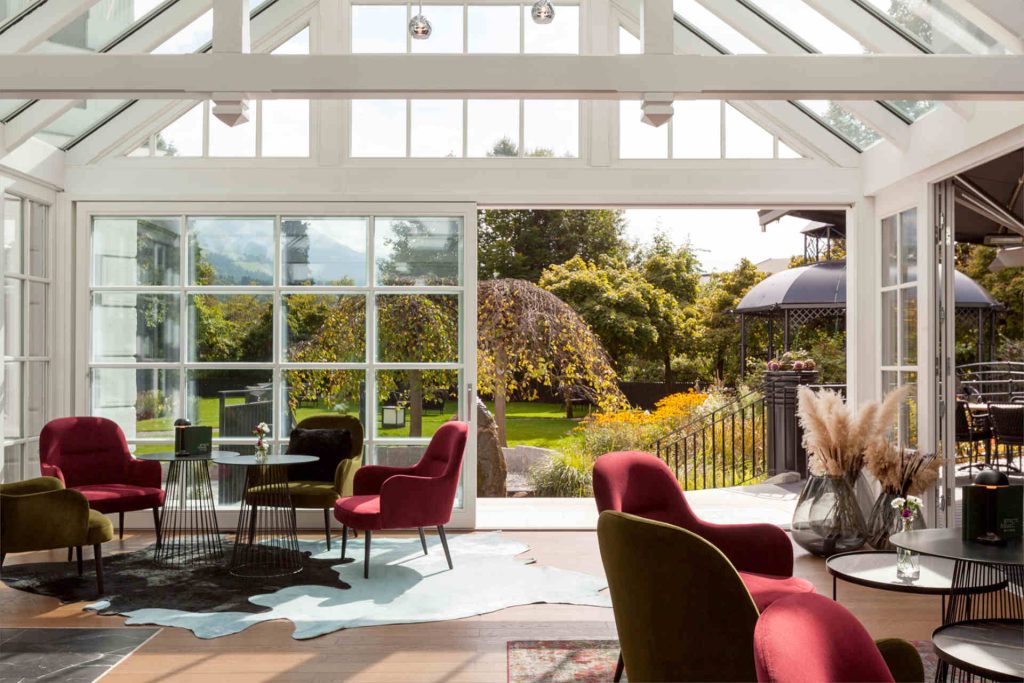
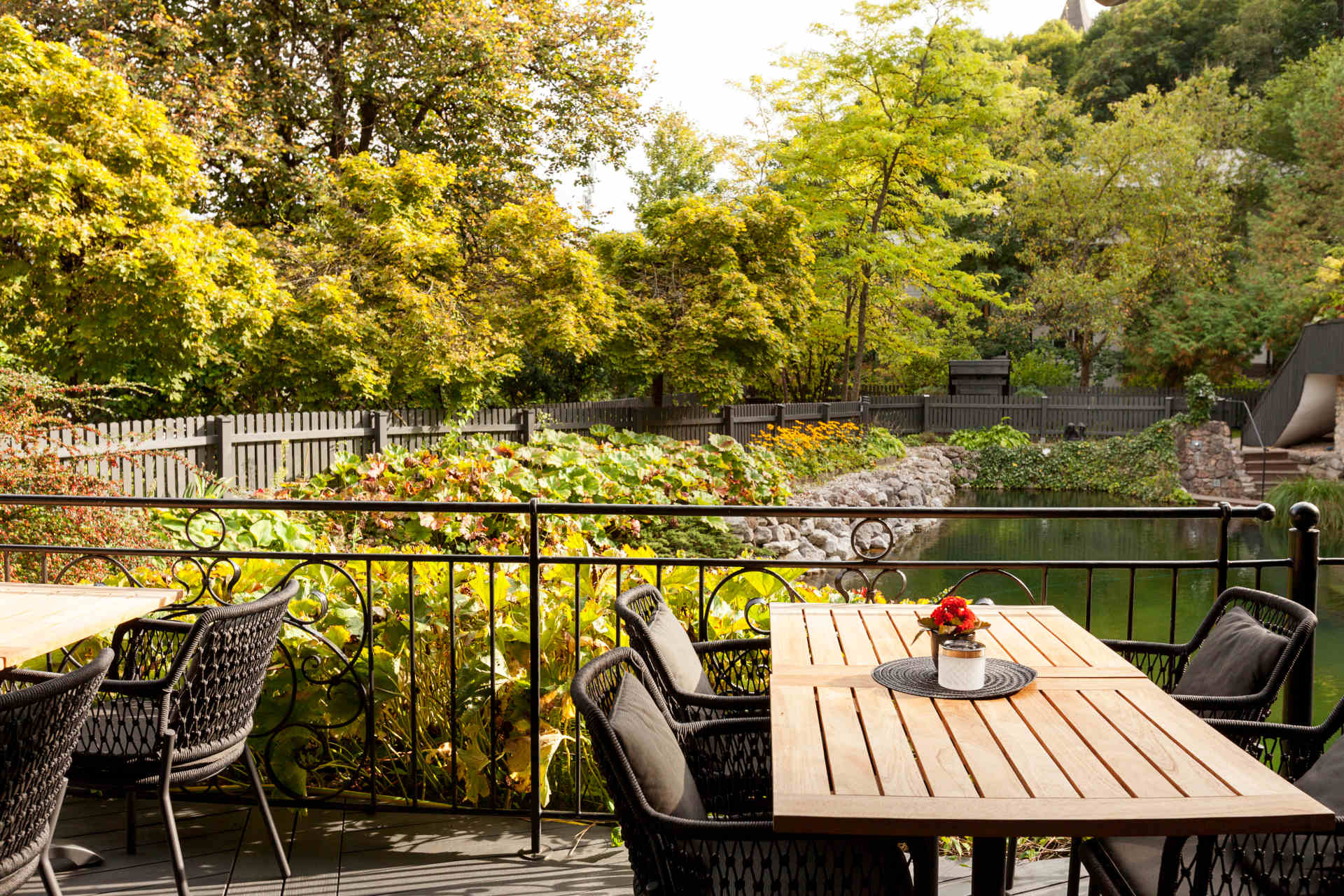
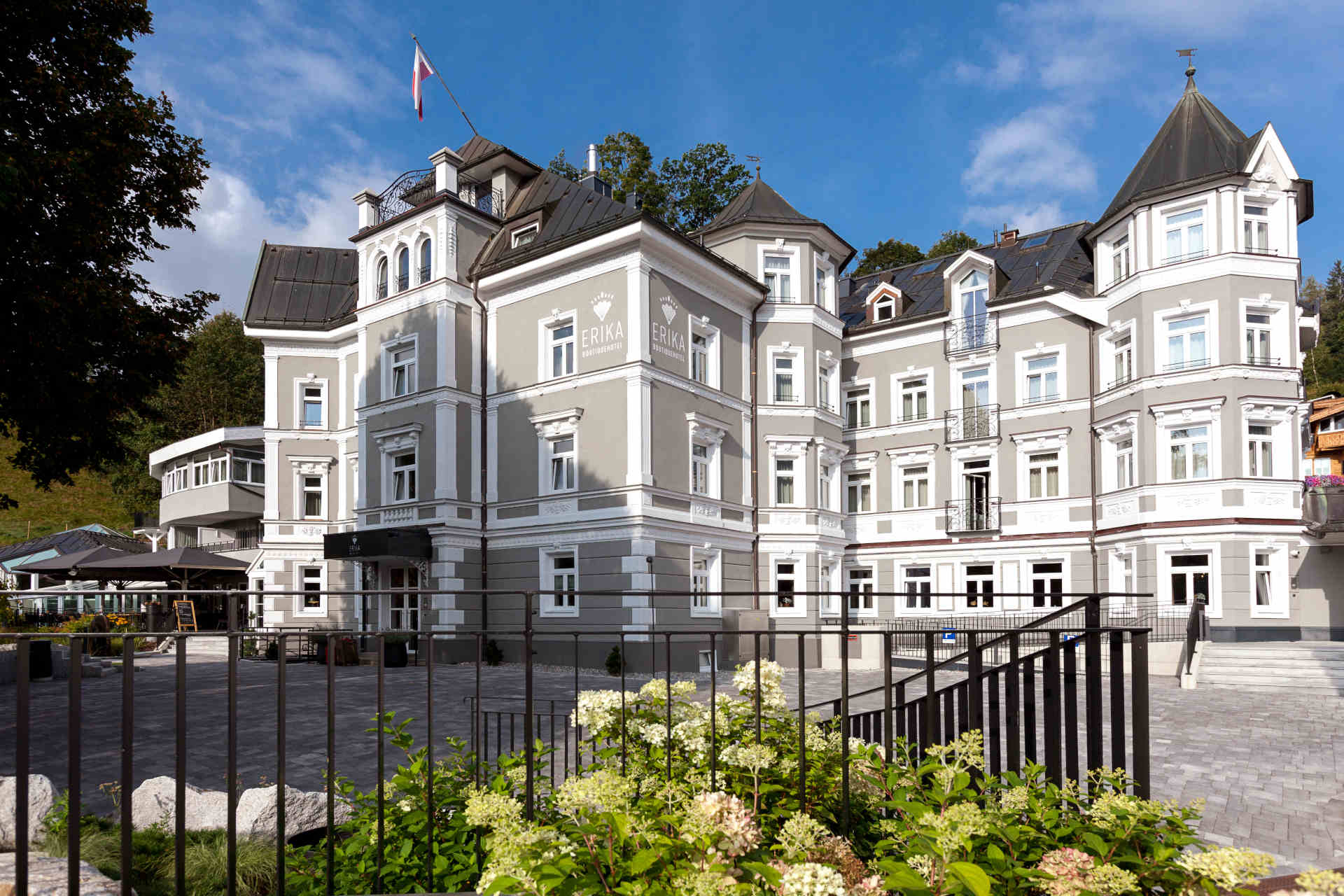
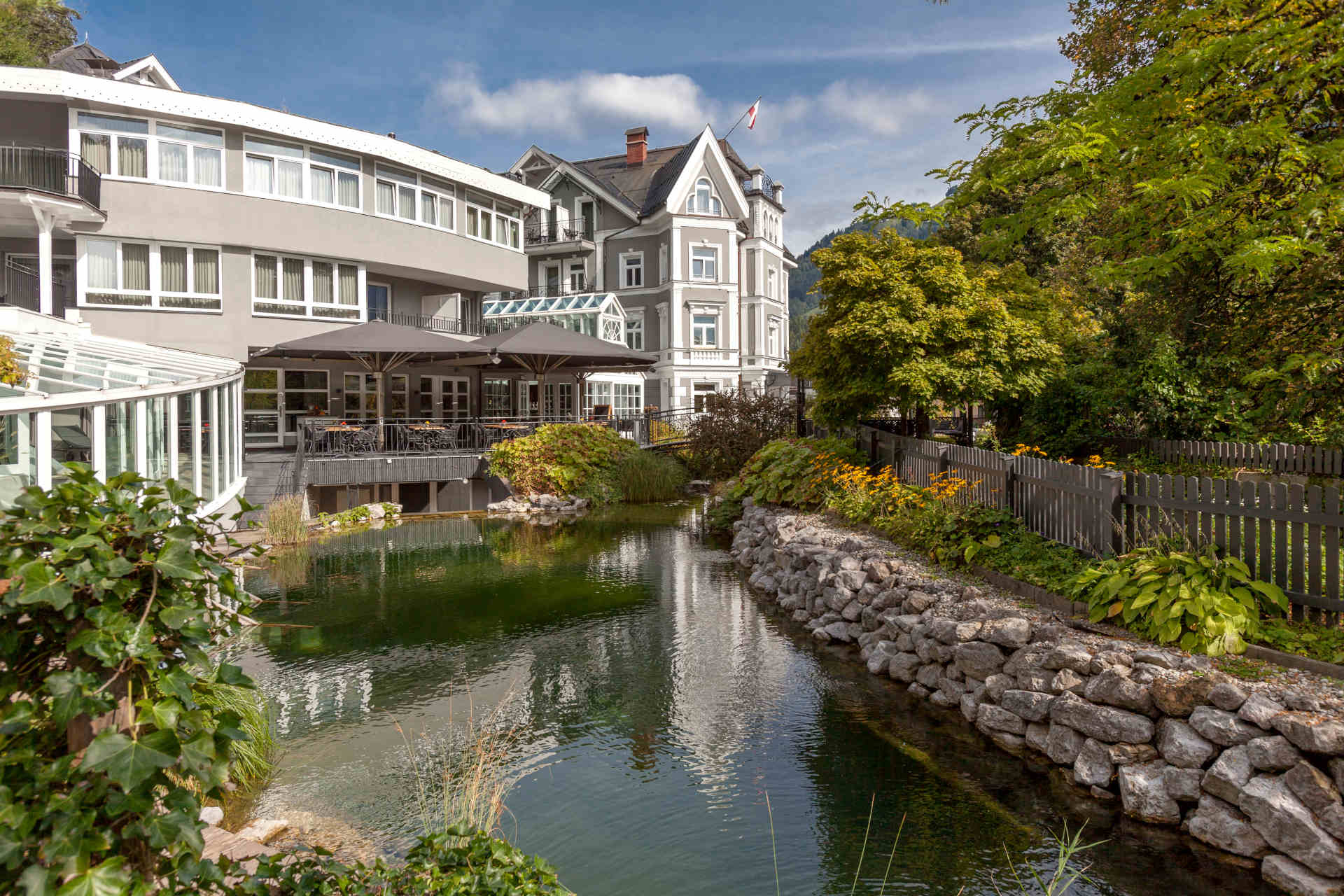
Another prime example shows that completely new experience formats are also being established: Erika's Garden Club at Erika Boutiquehotel Kitzbühel. The summer hotspot brings the casual vibe of a beach club to the Tyrolean Alps - complete with live DJ, cocktails, garden lounge and natural pond. Stylish design meets culinary lightness and invites hotel guests and day visitors alike to spend carefree hours in the open air.
- Live sounds and sundowners instead of après-ski
- Champagne and signature snacks instead of buffet romance
- Enjoyment of nature and design as staging elements
This concept is exemplary of a new touristic direction that interweaves community, design, enjoyment and lightness - an elegant response to the desire for conscious but informal vacation experiences.
Our conclusion: The future of summer tourism - conscious, curated, holistic
If you want to inspire summer guests, you have to think far beyond the classic accommodation concept. The future lies in curated experiences:
- Theme-focused offers instead of interchangeable standard programs
- Linking nature and digital communication
- Flexibility in length of stay and booking models
- Experience staging and identity building - like at the Goldener Berg, where “Me-Time” is not just a marketing term, but a lived concept
The great opportunity lies in the fact that alpine regions in particular have the best prerequisites in terms of climate, infrastructure and emotions - if they continue to develop courageously now.