
The art of dough
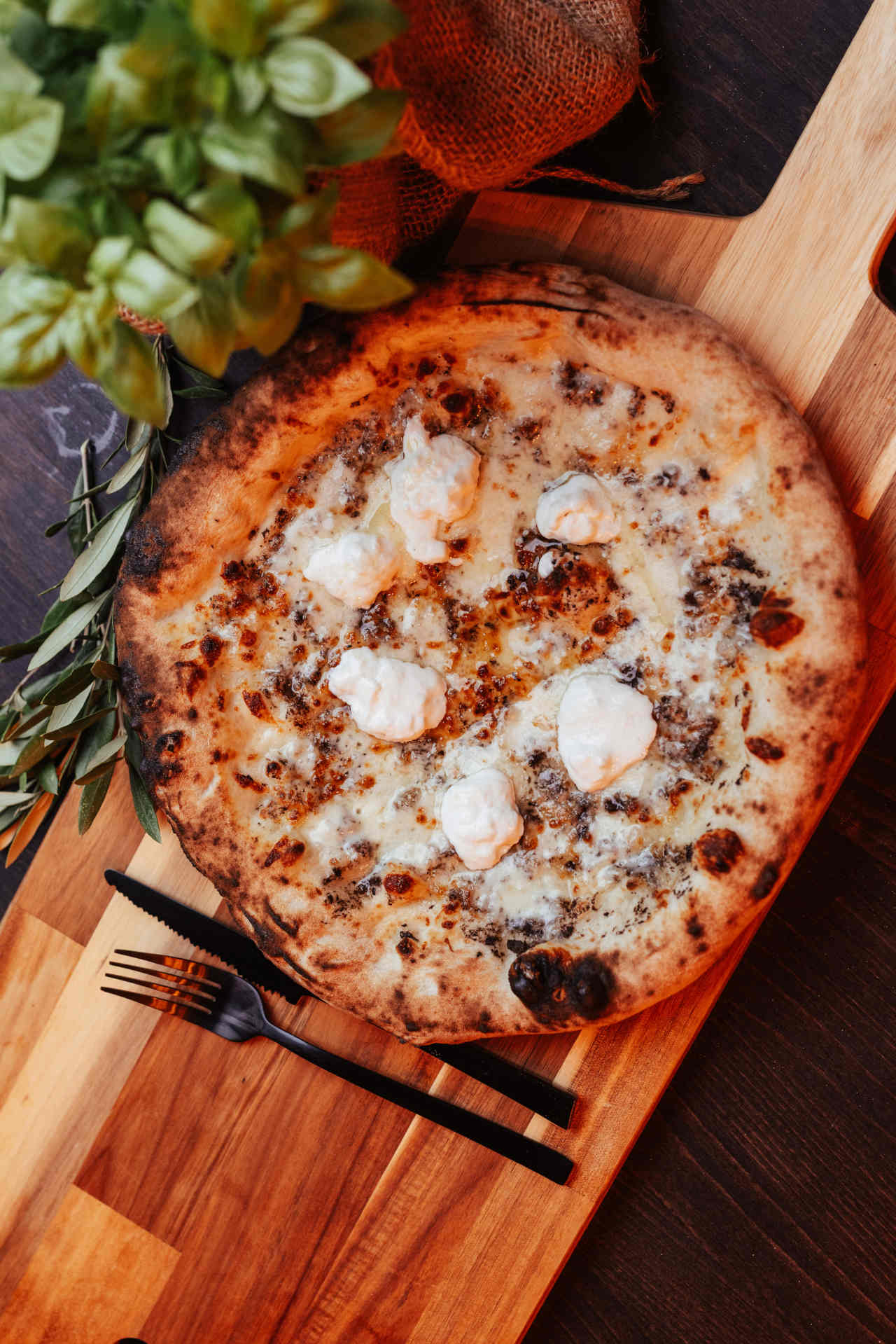
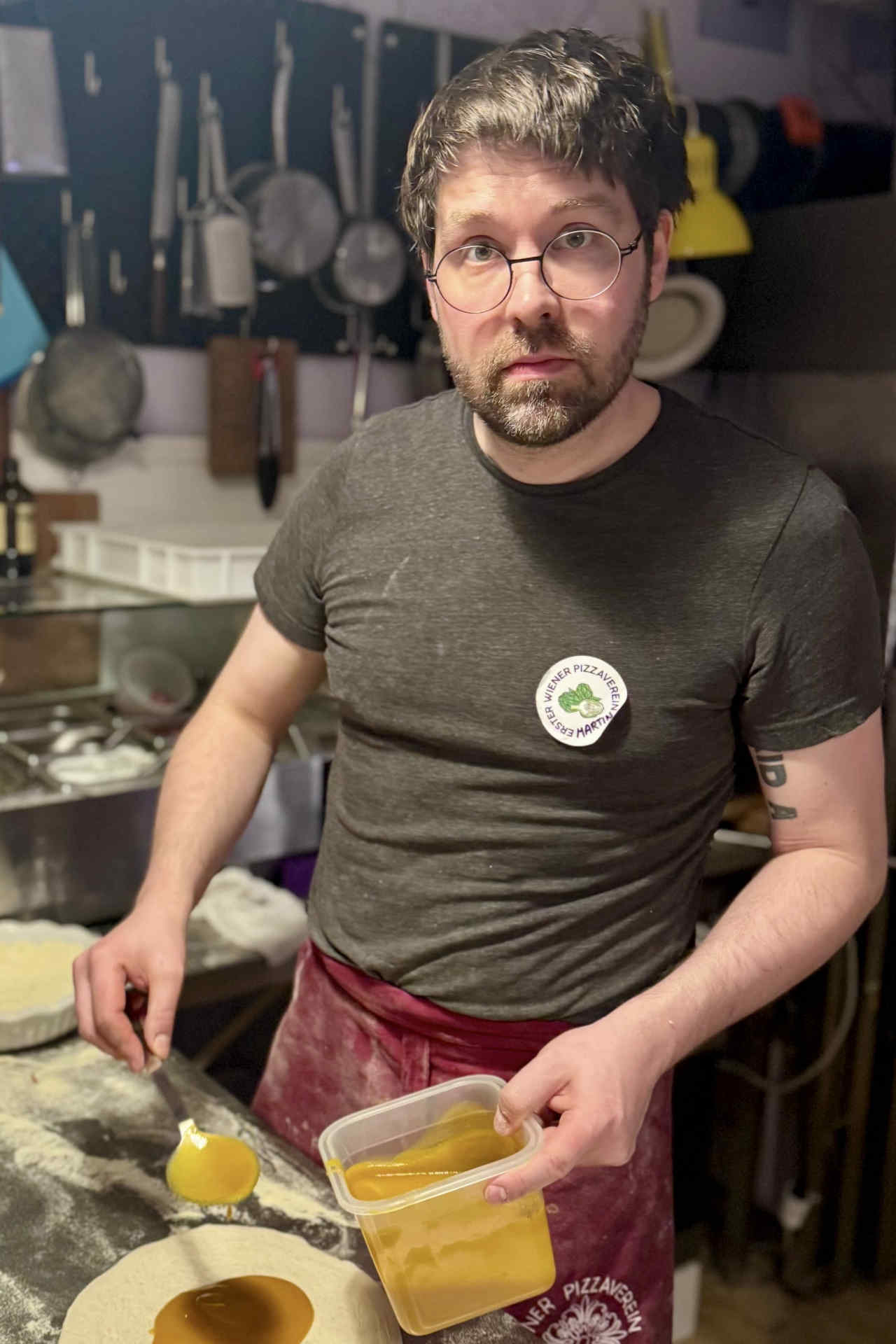
Martin Albrich knows what he's talking about. As creative director of the First Vienna Pizza Association—a non-commercial association of passionate pizza makers that now has around 80 members—he has been obsessively preoccupied with flour, water, salt, and yeast for years. These ingredients may sound mundane, but if handled incorrectly, they can backfire mercilessly. “The most common mistake, even in professional gastronomy, is not paying enough attention to the dough,” says Albrich. Mediocre dough will remain mediocre – no matter how much truffle, burrata, or organic whatever you throw on top of it. Speaking of burrata: “I would like to never see a whole burrata on a pizza again,” says Albrich. You can almost hear an Instagram account somewhere quietly lamenting.
Three things that make pizza perfect
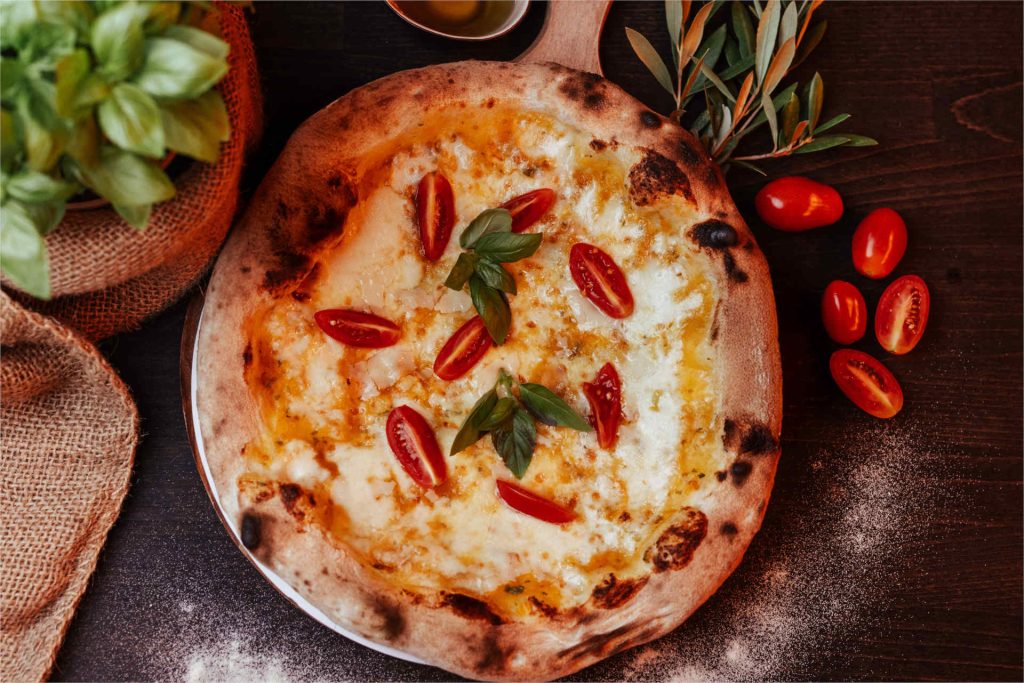
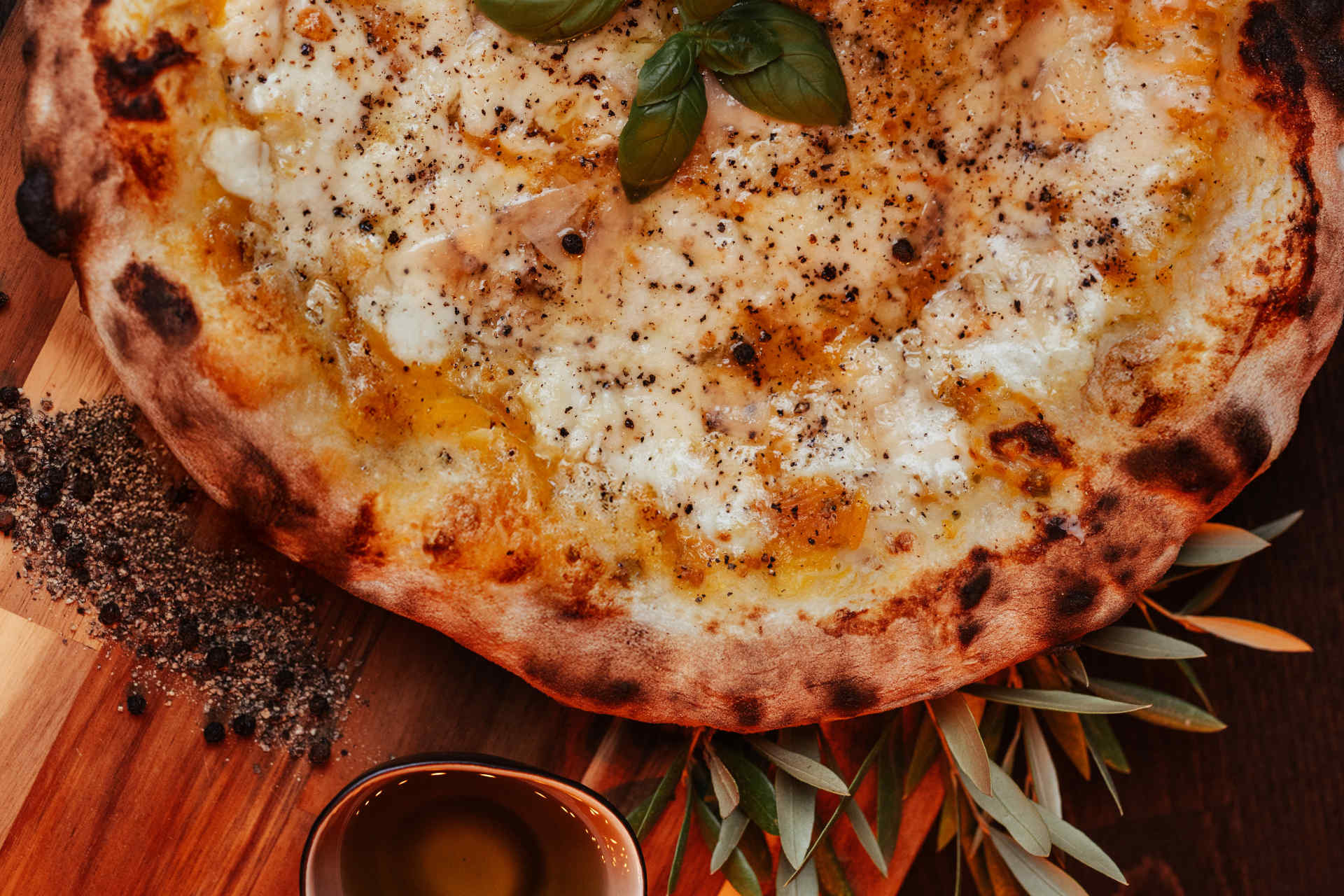
So what does the perfect pizza need? According to Albrich, three things. First: dough that you would theoretically want to eat even without toppings. Second: restraint. Less is more, but everything should be of the highest quality. And third: heat. A lot of heat. A Neapolitan pizza should be baked at a minimum of 450 degrees Celsius for 60 to 90 seconds. The crust should have small black spots—a “leopard pattern,” not burn marks. The cheese must not be overcooked, the dough must not be pale, and the ingredients must not be sacrificed thoughtlessly. Pizza can be a quick meal, but not just any meal.
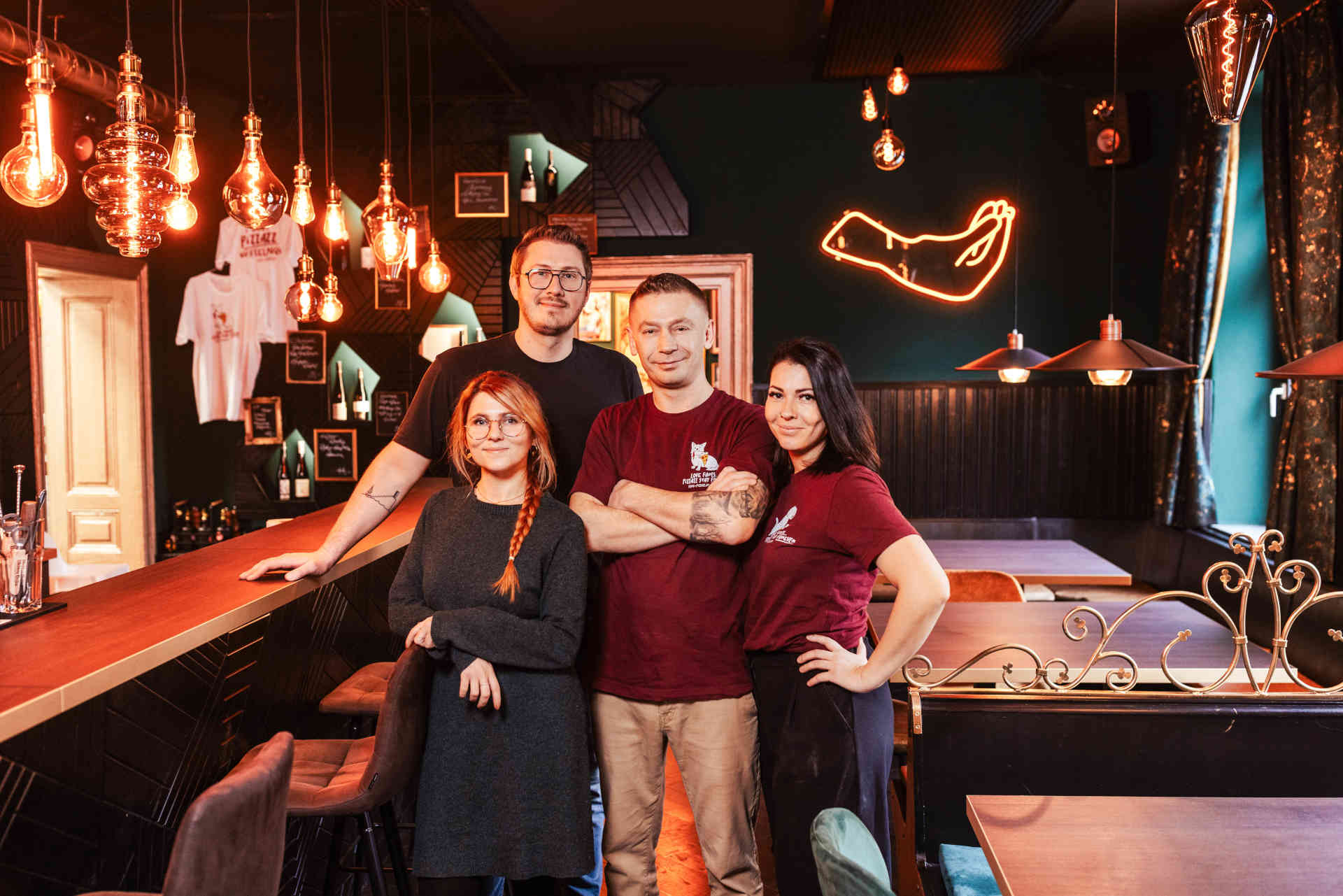
The fact that these principles are more than just theory is currently evident in Amstetten. Elvis Pizzazz, previously a food truck with cult status, has now moved into a permanent home there. And yes: Elvis Pizzazz and the First Vienna Pizza Association worked closely together on this.
Quality feature: association support
As is often the case in the restaurant industry, the contact was not made at the drawing board, but at an event organized by the pizza association. They got talking, hit it off—and suddenly the question arose as to whether Albrich would like to support the Elvis Pizzazz team in their transition from food truck to restaurant. The answer was quickly clear.
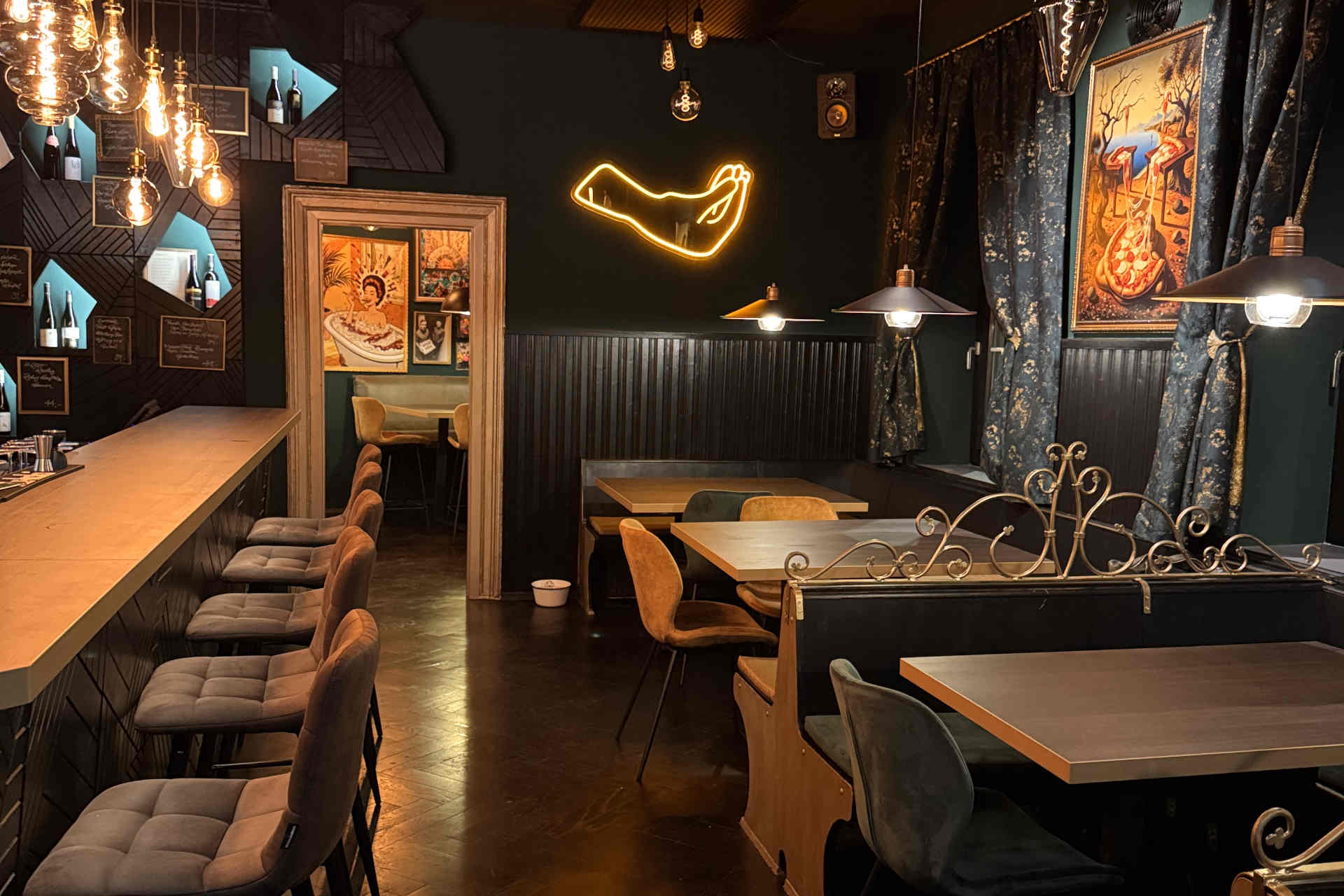
What followed was detailed work: joint dough development, new recipes, testing of in-house produced creams, confits, and special ingredients – in short, a clear culinary philosophy that was developed as a team from the very beginning. The result is evident not only in the pizza itself, but in the entire concept: appetizers and desserts that are so good they almost steal the show from the pizza, a well-thought-out drink menu, a space with a creative signature. “It was clear that we didn't have to worry about the pizza,” says Albrich. “No one could have expected everything else to be so strong.” You can hear the genuine joy in his voice, even if he can't keep his feet still for long: “Everyone thinks it could be even better. That's not just how you become good, it's how you stay good.”
Technical question: Naples vs. Rome
By the way, anyone who still only distinguishes between “thin” and “thick” when it comes to pizza should listen more closely. Albrich explains the difference between Neapolitan and Roman pizza as precisely as he does unpretentiously. Naples: a simple bread dough, soft, tender, baked extremely hot, never crispy. Rome: either pizza tonda—thin, crispy, and for one person—or pizza al taglio, focaccia-like, airy, with a high water content, pre-baked, and sold by weight in slices.
Neapolitan pizza, which is currently the focus of so much attention, thrives on reduction, timing, and its seductive, slightly smoky aroma. A directly managed dough, 24 hours at room temperature, no pre-ferments, no frills. Anything other than flour, water, salt, and yeast changes the taste and texture – not bad per se, but different. And different is not always better.
Beer, lemon soda—and please, no heavy red wine
When it comes to drinking, Albrich remains relaxed and pragmatic. Pizza is salty, so cold beer or lemon soda always work well. If you want wine, go for a light white or young red, preferably chilled. A personal favorite: spontaneously fermented natural wines such as the fruity “Puszta Libre” from Claus Preisinger. No longer an insider tip, but still a sure hit. That's why it's also on the menu at Elvis Pizzazz.
Show or substance? A glance at the menu is enough
How can you tell whether a pizzeria is serious about its work or just looks good? According to Albrich, a glance at the menu is usually enough. Are the ingredients prepared in-house or just unpacked? Are there any combinations beyond the classics that make sense? And what about appetizers, desserts, wines? Passion is what remains in the end when the hype has moved on.
Perhaps that is the most important insight to be gained from all this: good pizza is not something that happens by chance, something you need luck to achieve; nor is it a trend product that lasts a few months. It thrives on craftsmanship, requires patience—and sometimes the courage to simply leave the burrata in the refrigerator.
Our conclusion for the future
When you put it all together, it becomes clear that the truth lies in the dough and in the craft that needs to be learned—as well as in the way people work together. If you want to be successful, you benefit from a network that shares knowledge, provides support, and thinks ahead together. The First Vienna Pizza Association shows how this can be done. Not only in theory, but also in practice: through exchange, cooperation, and immersion in every detail. Those who realize this will set standards tomorrow that will benefit the entire industry.