
A surprising taste
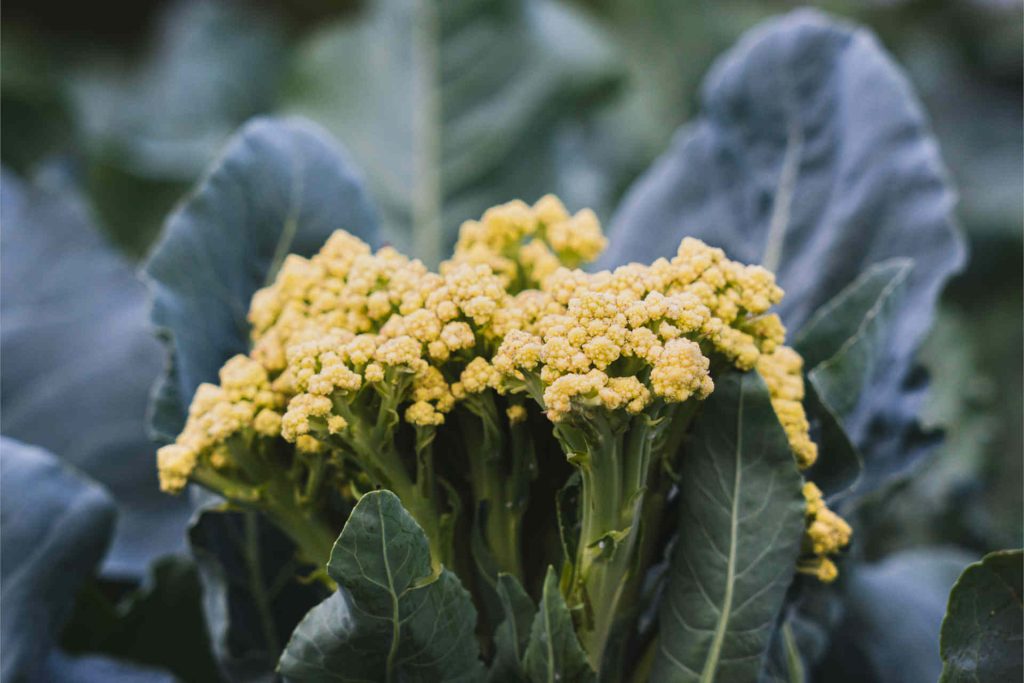
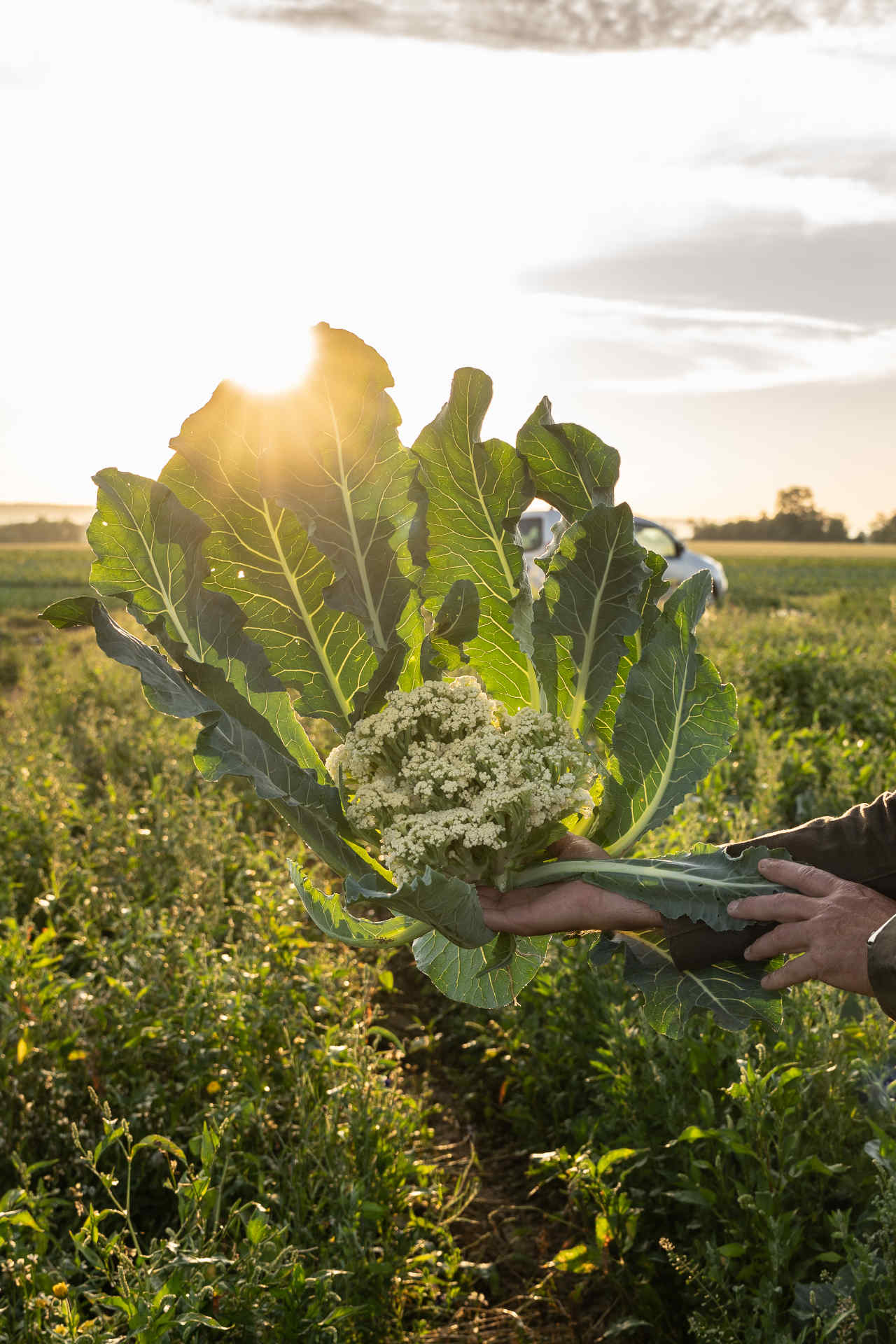
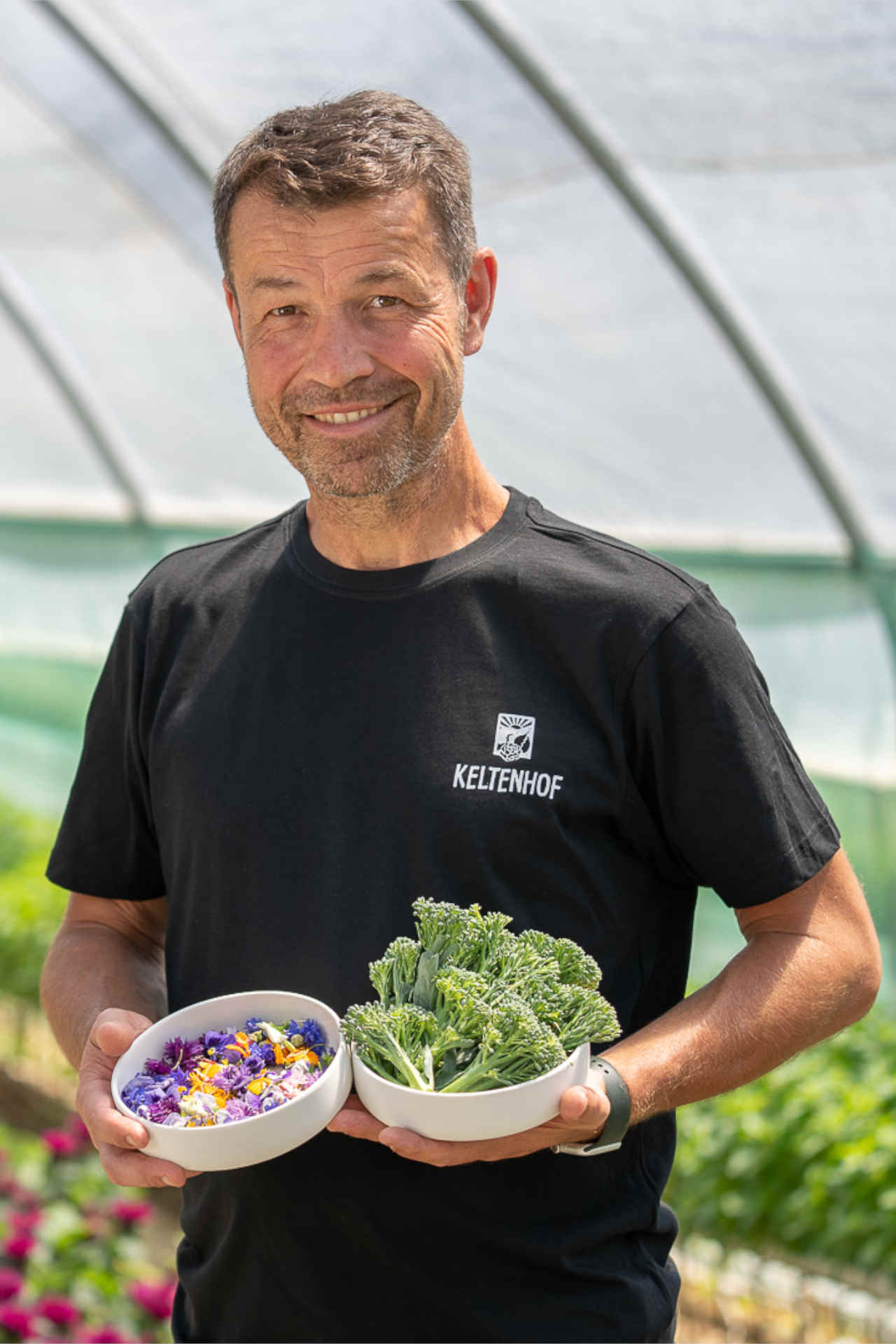
“These vegetables grow slowly, which makes them intense and mild. Sweet and not cabbage-like, nutty and not bitter,” explains Gerhard Daumüller from Keltenhof. The result: even guests who don't usually eat broccoli love Bimi® wild broccoli. The cauliflower—in white, pink, or mixed varieties—also wins over skeptics with its nutty freshness.
The big advantage: the varieties are extremely versatile. “Cauliflower can even be used in desserts today,” says Daumüller. Whether as a side dish with fish, meat, and game or as the star of a creative pizza, the wild varieties have the potential to steal the show from other foods.
Color that whets the appetite
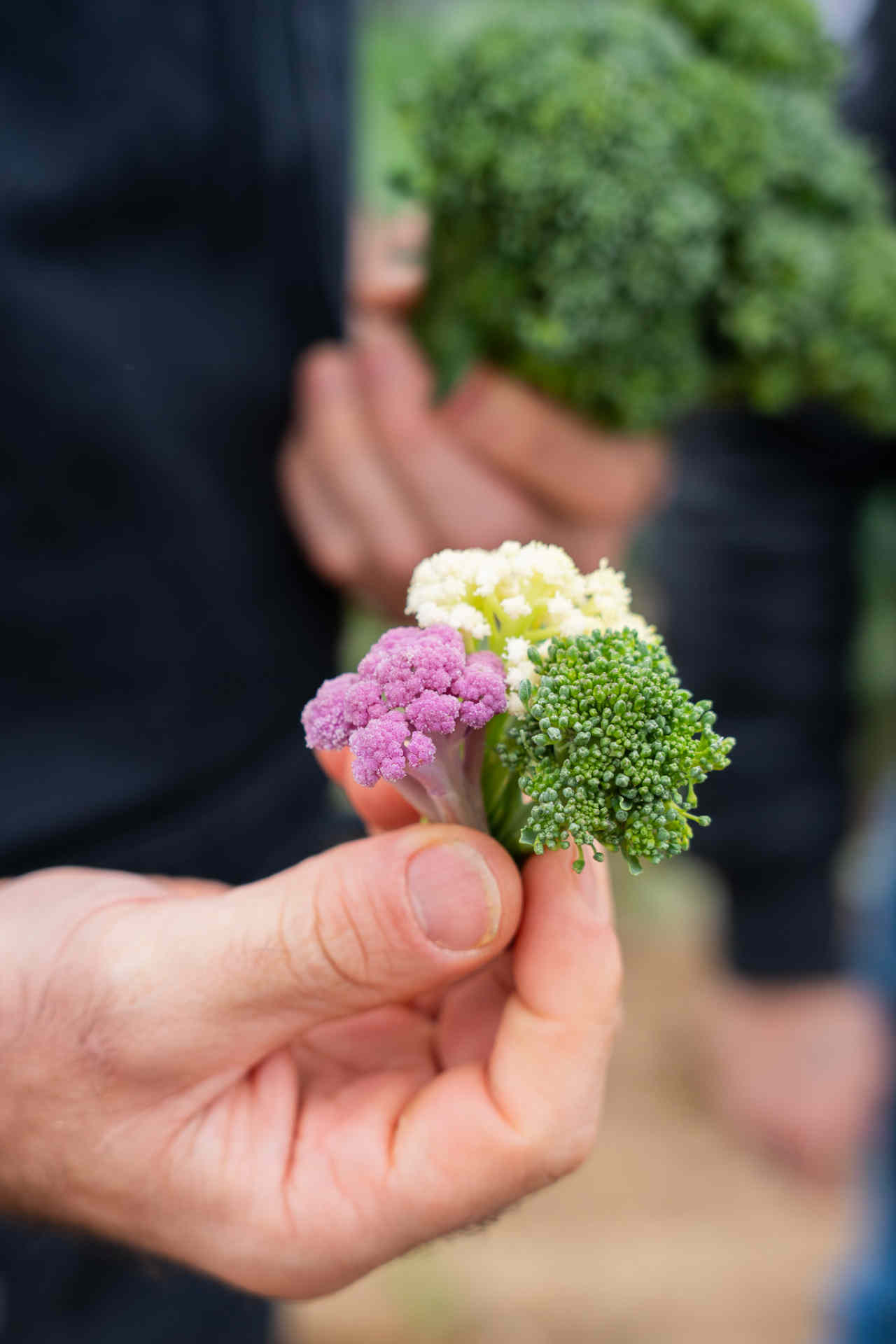
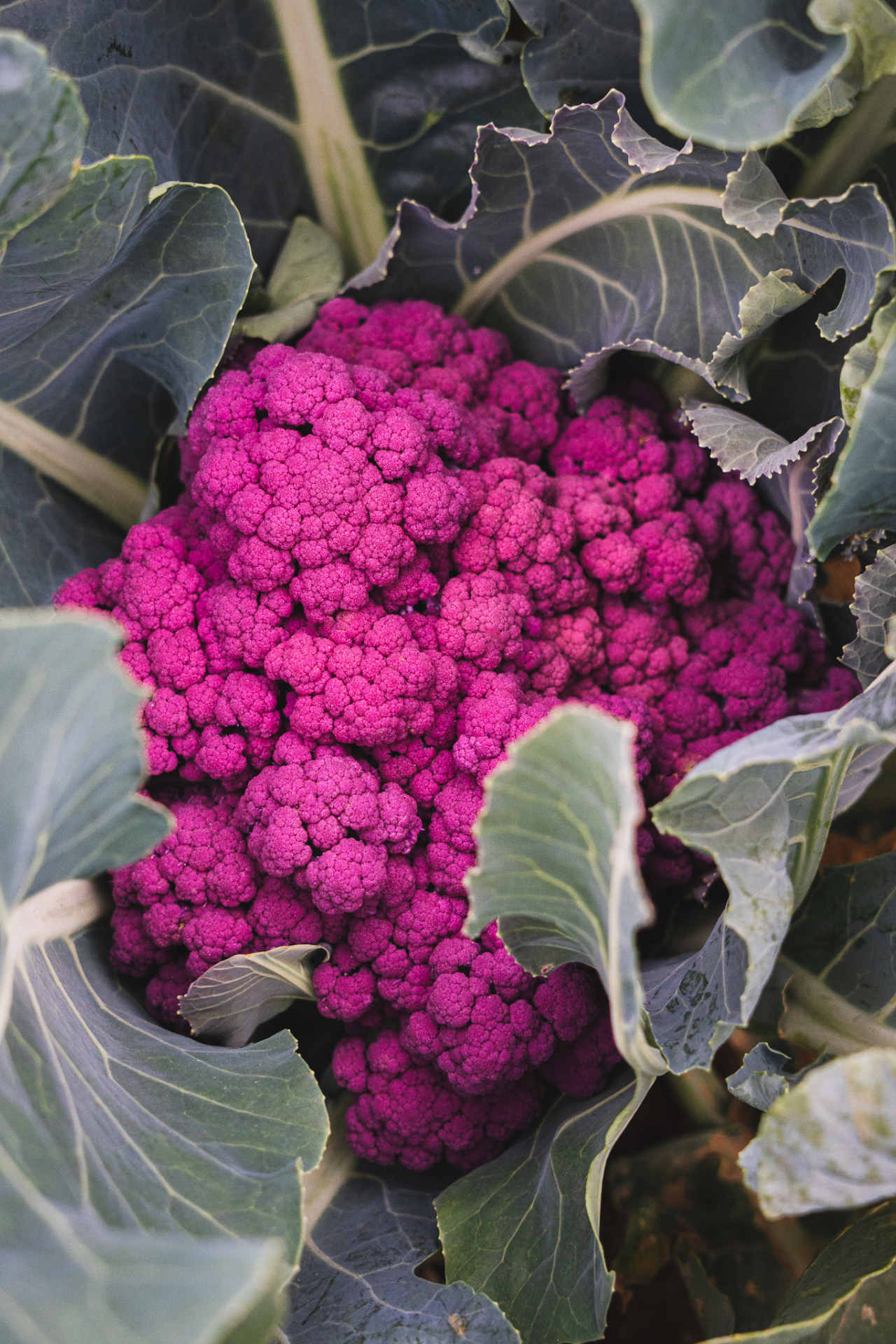
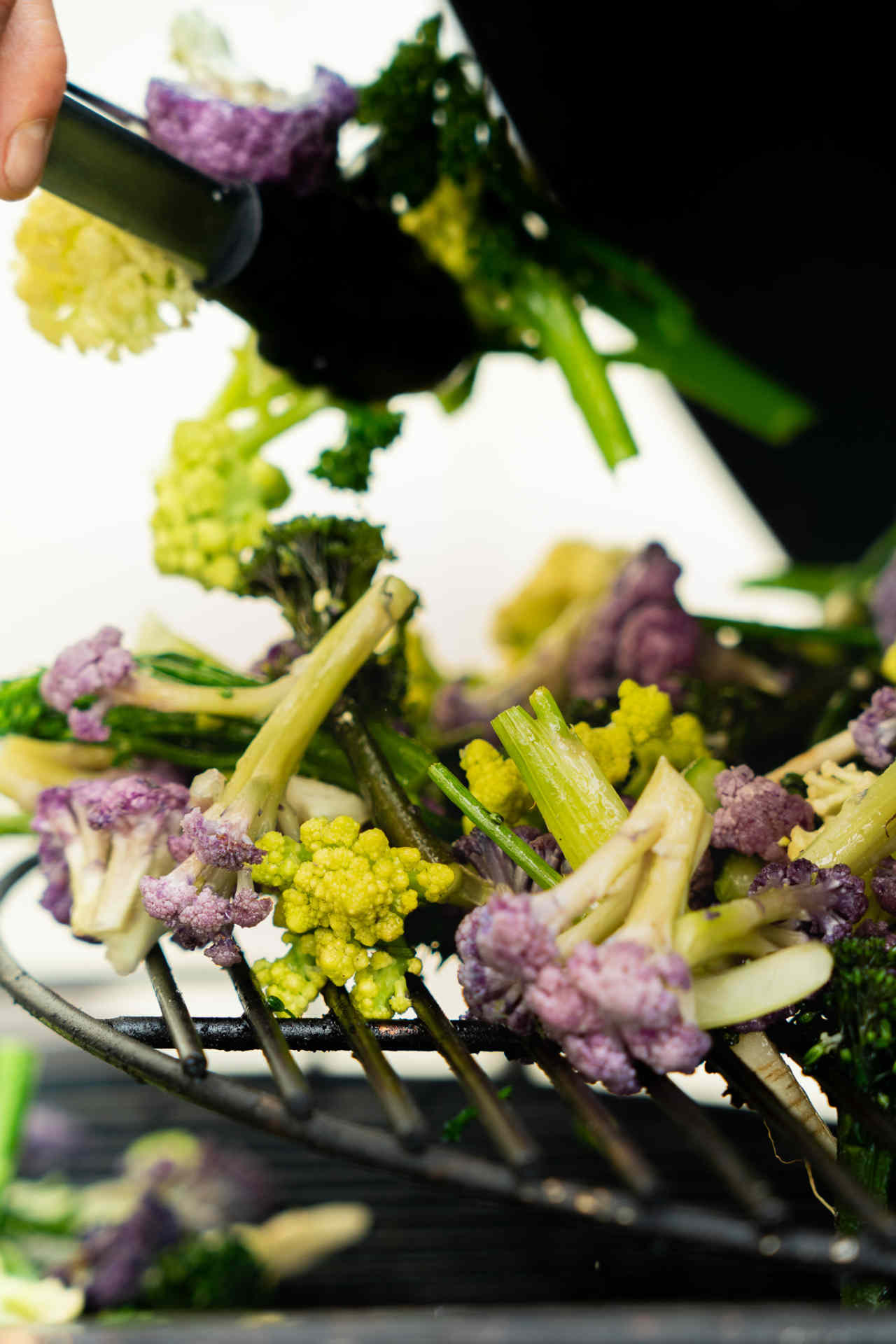
Purple broccoli and pink cauliflower score points not only for their taste, but also for their appearance. “The trend of ‘you eat with your eyes’ is very important. A combination of different colors stimulates the appetite,” says Daumüller. A tip from practice: blanch briefly, plunge into ice water, and marinate with a little white balsamic vinegar – this keeps the color brilliant and makes the plate an eye-catcher.
Food pairing & wine recommendations
The nutty, delicate character of wild vegetables makes them a perfect accompaniment to light summer dishes. Daumüller's tip: olive oil, lemon, fresh fish – accompanied by Pinot Gris or Sauvignon Blanc. If you prefer something stronger, serve the vegetables with butter or cream sauce with game or beef. Suitable wines: Pinot Noir or Tempranillo. For Mediterranean summer cuisine, pasta with cherry tomatoes and a Chardonnay are an ideal pairing.
Preparation: Less is more
Overcooking is a no-no – wild vegetables like short, precise cooking times. “The simplest recipe is: sauté in a pan with a little butter, add a dash of water, cover and steam for three minutes. Then add butter, nuts or nutmeg – done,” recommends Daumüller.
Sustainability & year-round availability
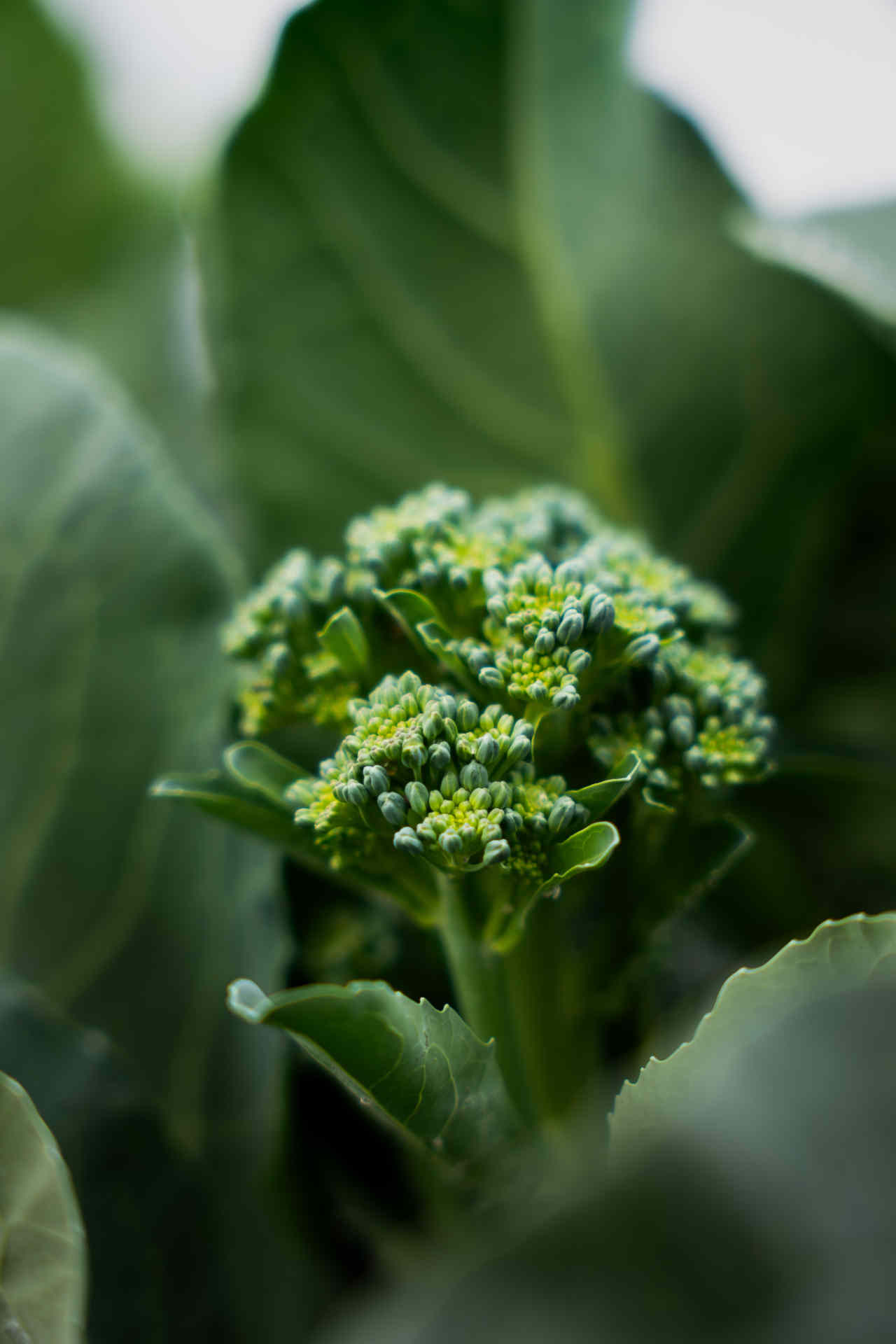
For the catering industry, it's not just taste that counts, but also planning security. “The Keltenhof auf den Fildern provides most of its own produce. Whatever we can grow ourselves, we do. We also work with friendly producers in southern Europe to deliver top quality outdoor produce even in winter,” explains Daumüller.
Trend product with a future
Guests are looking for surprises, lightness, and healthy cuisine. Wild vegetables deliver all of this: antioxidants, minerals, vitamins—and all with few calories. “The time is ripe for honest food that does not require additives,” emphasizes Daumüller. Wild vegetables are no longer a niche product: it works just as well in fine dining as it does in modern pubs or high-volume hotel restaurants.
Internationally applicable
“I can't really rule out any cuisine—whether Asian, Nordic, Mediterranean, or African—Bimi® Wild Broccoli and its counterparts can be used anywhere,” says Daumüller. There are no limits to culinary creativity.
The next big thing: wild baby fennel & co.
The list is growing: wild romanesco, wild kohlrabi, wild pak choi, and wild baby fennel are expanding the range. Particularly exciting: “Wild baby fennel is so tender that it can be used whole, with the leaves and roots intact—it's a highlight in terms of both appearance and taste,” reveals Daumüller.
Availability for restaurants and consumers
The products are available at Frischeparadiesen, Selgros markets, selected food retail stores, urban delivery services such as Knuspr (Munich, Frankfurt, Berlin) and Gurkerl (Vienna), as well as through numerous restaurant suppliers.
Nutritional values & health facts
Why wild vegetables are a real superfood:
- High vitamin content: Rich in vitamin C (immune system), vitamin K (bone metabolism), and folic acid (cell regeneration)
- Mineral boost: Provides potassium (cardiovascular system), magnesium (muscle function), and calcium
- Antioxidant effect: Contains secondary plant substances that trap free radicals and thus slow down cell aging
- High in fiber & low in calories: Ideal for light, filling cuisine
- Coloring agents with added benefits: Purple and pink varieties contain anthocyanins, which have anti-inflammatory properties
Our conclusion for the future
Wild vegetables are not a short-lived trend, but a building block for modern, sustainable cuisine. They combine intense flavor, colorful appearance, health-conscious values, and ecological availability. For hoteliers and chefs, this means new scope for creativity, higher guest satisfaction, and a menu that combines enjoyment and lifestyle.
From Genusspunkt 3/2025