
Gourmet Concepts at Sea: Hapag-Lloyd Cruises
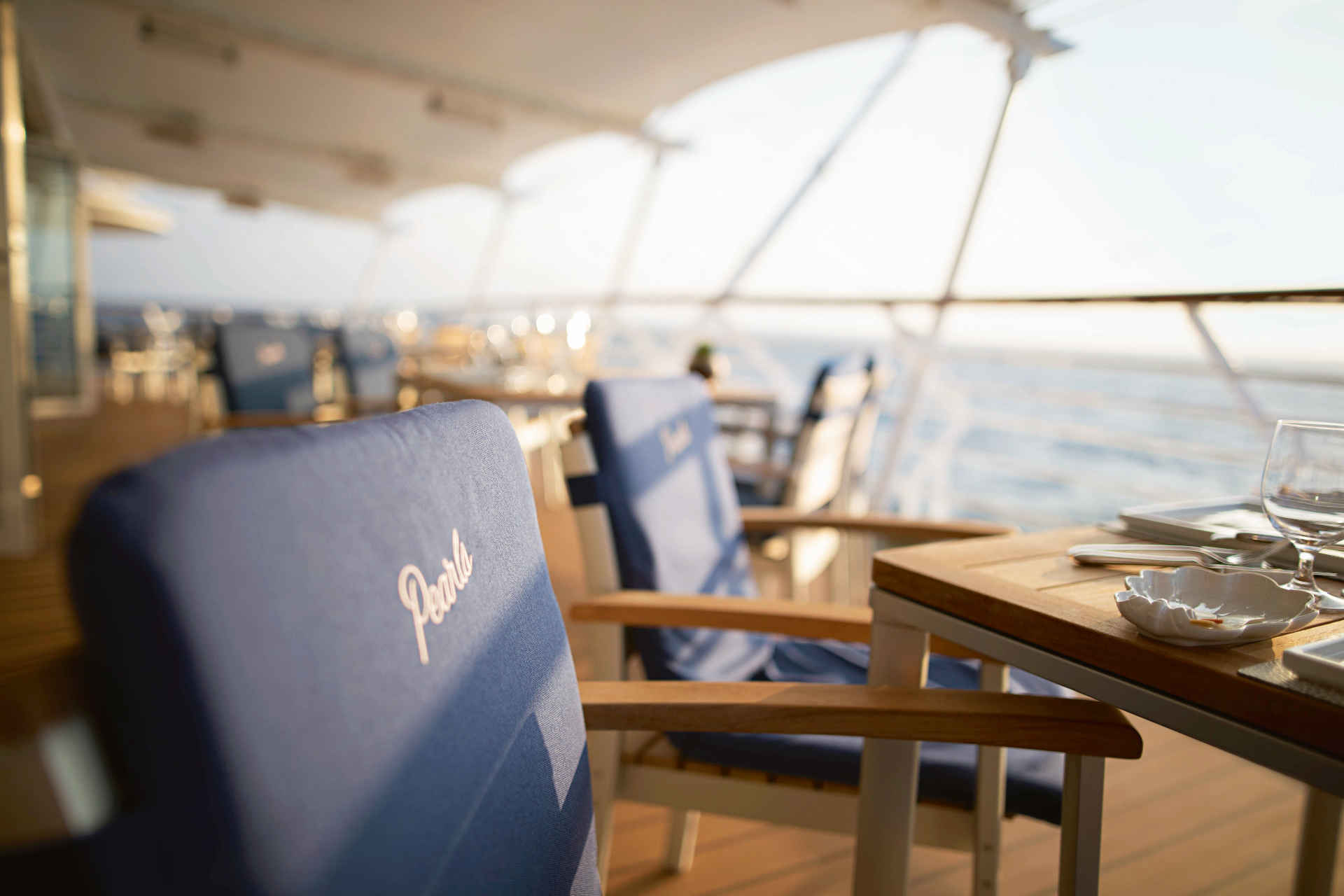
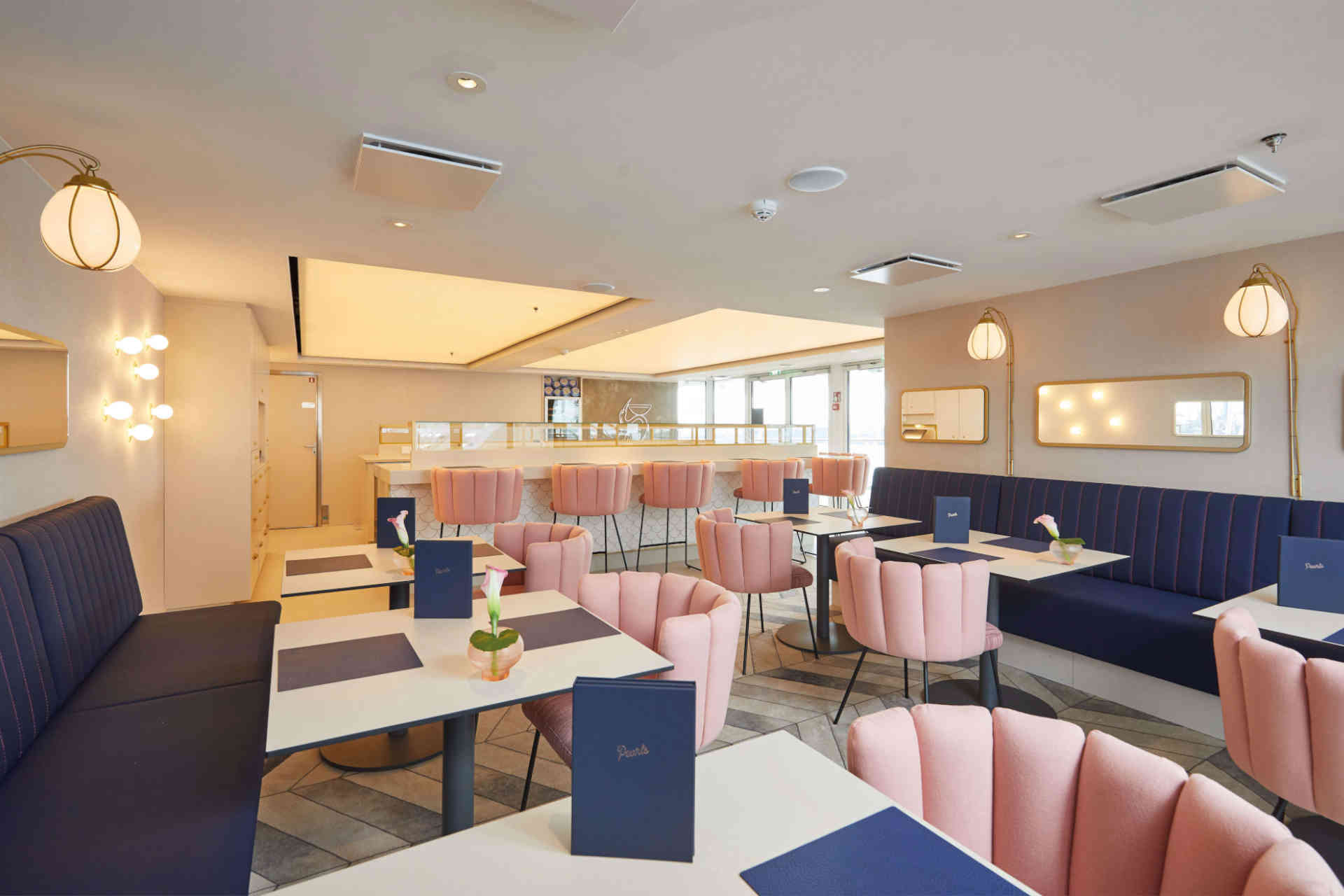
Hapag-Lloyd Cruises offers a particularly impressive example, setting new standards at sea with new vegetarian – and even vegan upon request – gourmet concepts. As part of the repositioning of the luxury liner EUROPA, the specialty restaurant Pearls was reimagined as the first caviar restaurant on the high seas. In addition to classic caviar interpretations, the new menu now also features 15 distinct vegetarian compositions, which can be prepared entirely vegan upon request. They are served in three seven-course menus – including amuse-bouche and dessert – and are in no way inferior to the classic versions in terms of sophistication, precision, and quality of experience.
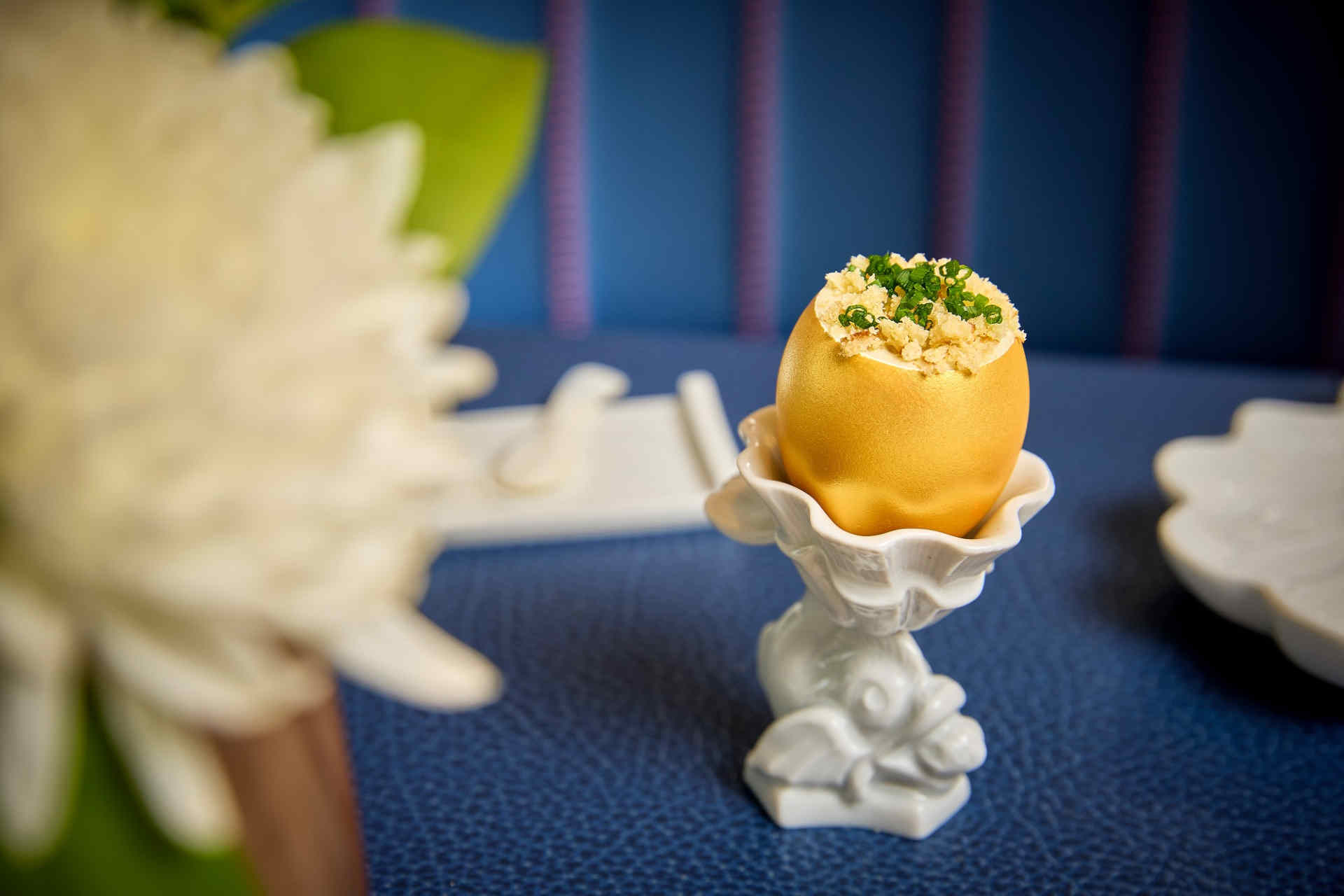
The highlight: The so-called vegetarian caviar is created through spherification, a technique from molecular cuisine in which flavored liquids are transformed into pearl-like elements. The plant-based “pearls” – made from ingredients such as yuzu, saffron tapioca, chili pepper, or Granny Smith apple – provide texture, elegance, and depth without resorting to animal products. “We wanted to show that enjoyment and sophistication aren’t about specific products, but rather the idea behind them”, explains Timon Lohrengel, Senior Corporate Executive Chef at Hapag-Lloyd Cruises. A statement that captures the essence of modern plant-based cuisine.
Together with Marcel Jücker, the fleet’s Corporate Executive Chef, Lohrengel oversees the culinary development of all five ships – from fine dining on the EUROPA to expedition cuisine in remote regions. Their concepts exemplify how plant-based cuisine truly shines when it is conceived not as a substitute, but as a distinct culinary narrative.
This example proves that vegetarian and vegan dishes do not have to rely on deprivation, morality, or labels, but rather on technique, product knowledge, storytelling, and sensory quality. This is precisely where the great opportunity lies for hotels and restaurants on land – to offer plant-based cuisine not as a special case, but as a natural part of a contemporary, sophisticated culinary offering.

Why Airlines Are Setting the Pace: Emirates
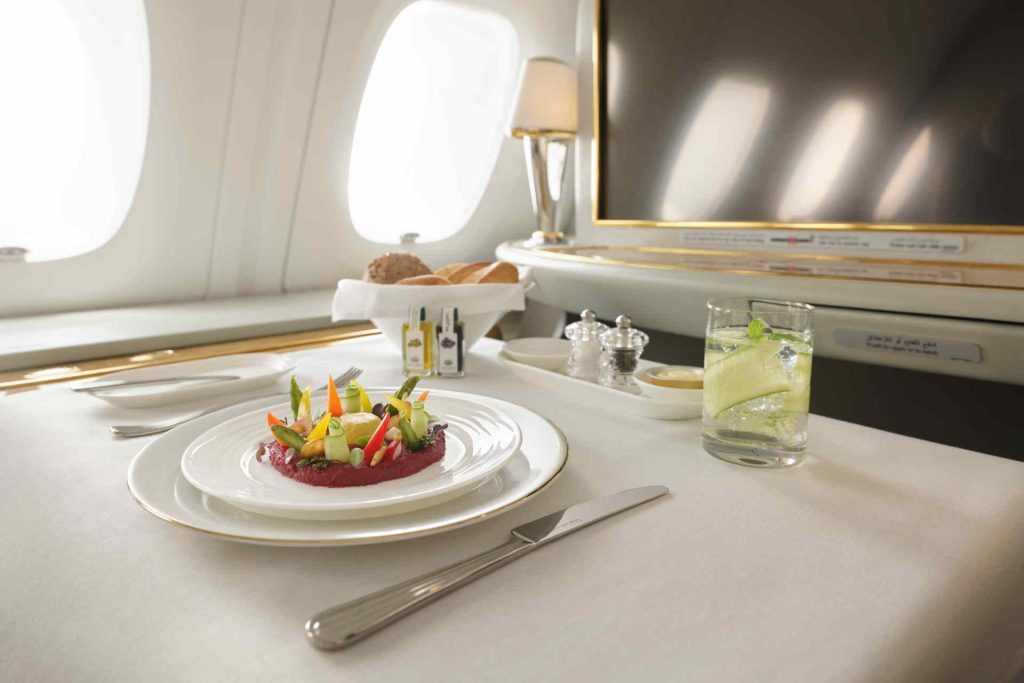
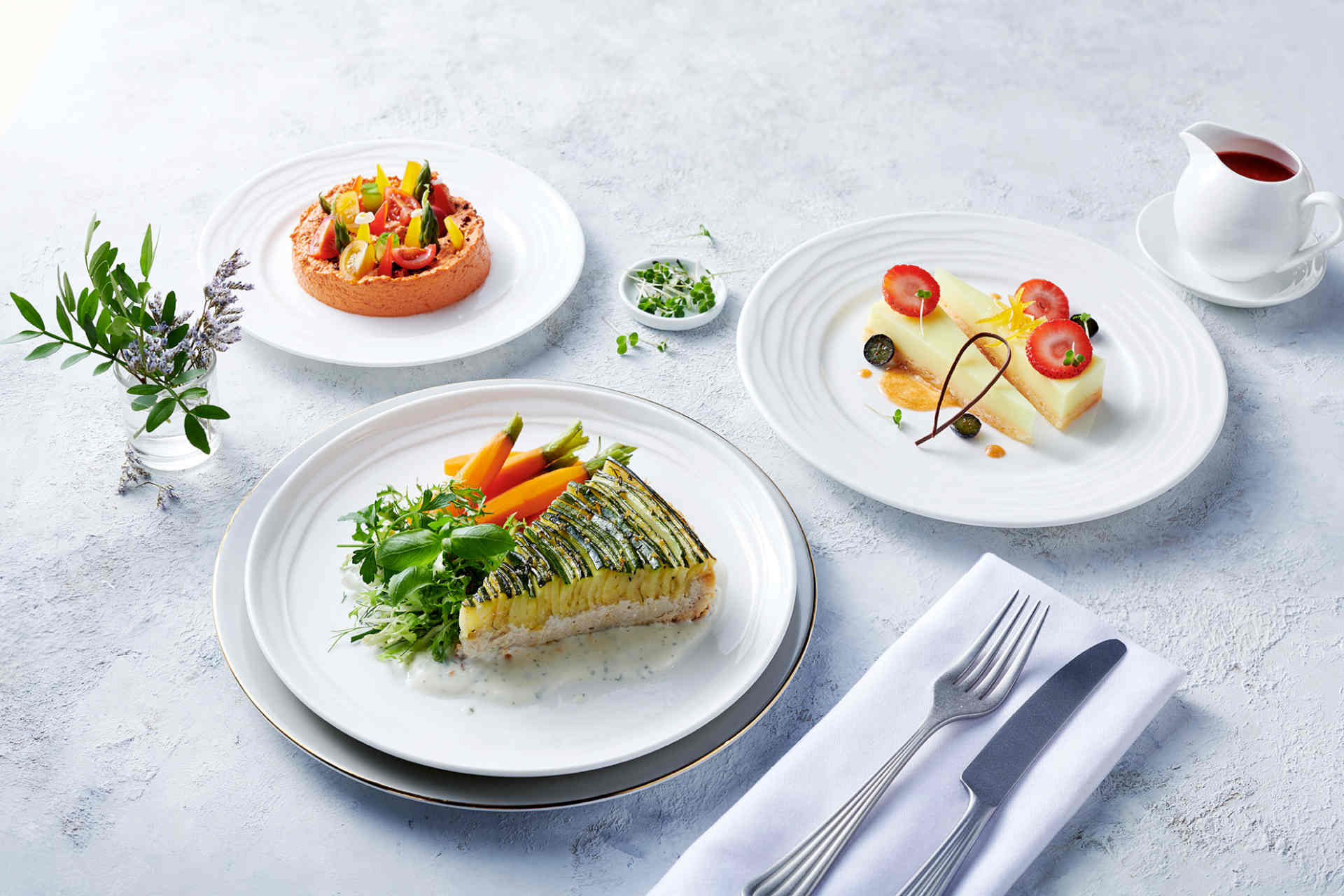
What is already setting new standards at sea is now making its mark in the air as well: plant-based cuisine succeeds when it is not viewed as a substitute – but as a culinary statement with its own identity. With the reorientation of its vegan cuisine, Emirates impressively underscores how relevant the topic has become on a global scale – and how strongly the focus is shifting: away from substitute products, toward real food.
Starting in 2027, Emirates will consistently rely on plant-based ingredients that are as unprocessed as possible for its new vegan dishes, in line with a “farm-to-fork” approach. Legumes, grains, nuts, seeds, and seasonal vegetables take center stage – not as a compromise, but as the culinary stars. Classic meat alternatives from industrial production are deliberately avoided. Instead, the culinary team draws inspiration from cuisines that have always been plant-based: Mediterranean mezze, Levantine grain salads, Asian noodle dishes, or African stews.
This approach is more than just a dietary trend. It responds to a shift in guest expectations: transparency, digestibility, and trust in the ingredients are becoming increasingly important – especially when traveling. The figures also show that plant-based dishes appeal to more than just vegans.
Emirates already serves around half a million vegan meals per year on flights to 140 destinations – a 60 percent increase compared to 2024. Notably, a large portion of the demand comes from non-vegan guests who consciously choose plant-based options during the flight – often as a lighter, more easily digestible alternative.
Noteworthy is the consistent implementation across all travel classes: from Economy to First Class, from in-flight menus to the lounges. Plant-based cuisine is not treated as a special request, but is understood as a natural part of culinary quality. This approach is supported by the use of fresh, pesticide-free ingredients from the airline’s own vertical farm, Bustanica, in Dubai – an example of how sustainability, logistics, and enjoyment can be integrated.
Our Conclusion
For the hospitality and restaurant industry on land, the message is clear: plant-based cuisine is most compelling when it functions not as a substitute but as a distinct culinary narrative – regardless of the setting. Whether in fine dining, on a cruise, or on an airline, acceptance stems from product quality, craftsmanship, cultural relevance, and communication that invites rather than lectures.
From Genusspunkt 1/2026