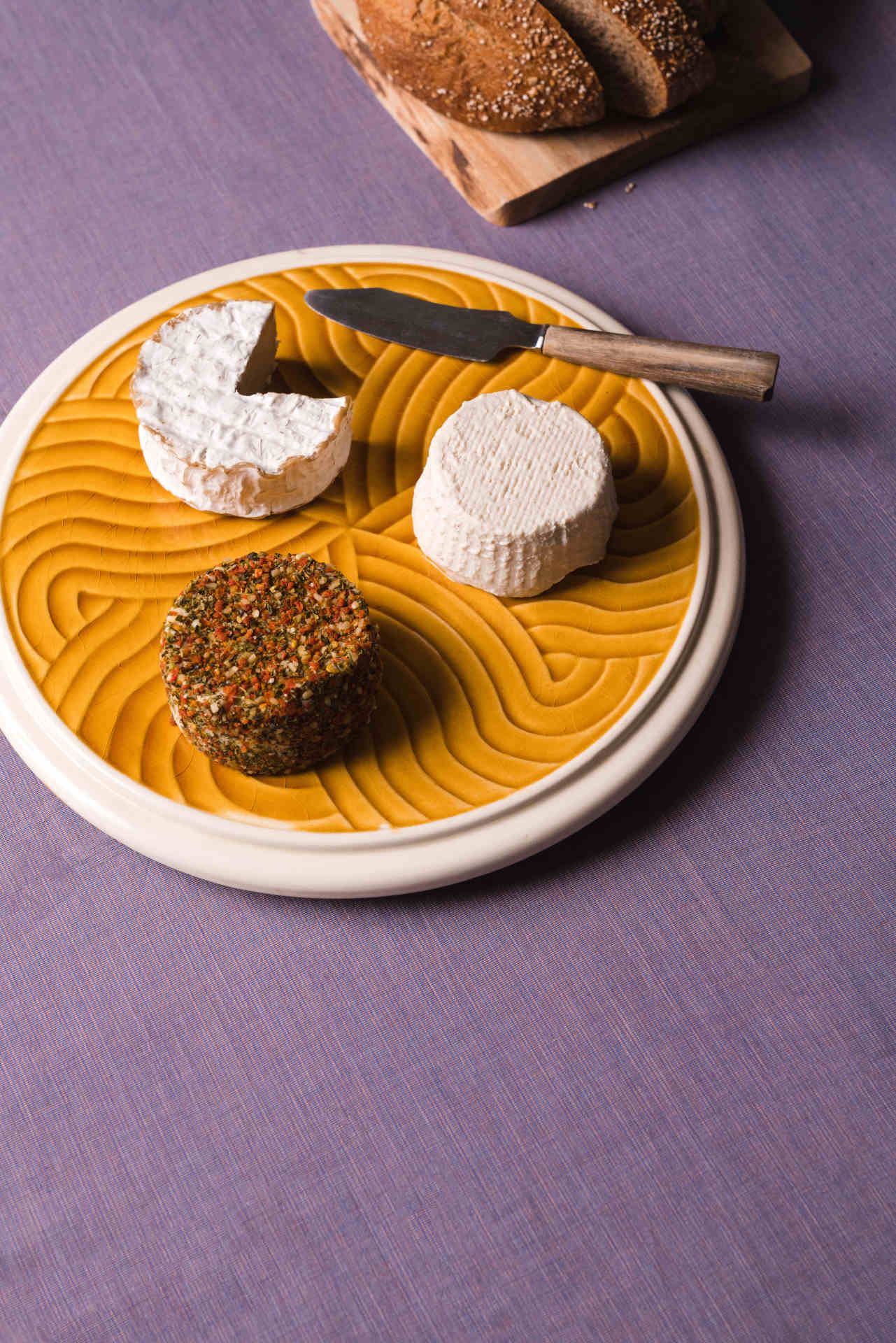
What happens when traditional Swiss cheese-making meets plant-based fermentation? The result isn’t a substitute product, but an entirely new category. New Roots describes itself as a “vegan dairy” and produces artisanal, plant-based cheese alternatives in Oberdiessbach. Founded in 2016 in Thun, the company is one of the pioneers of European vegan cheese culture and now produces around 30,000 cheese products weekly. Particularly noteworthy: Production follows traditional ripening methods using fermentation, ripening cultures, and artisanal care rather than texturizing additives. For establishments looking to elevate their vegan offerings to fine-dining standards, it’s worth taking a closer look at the following products.
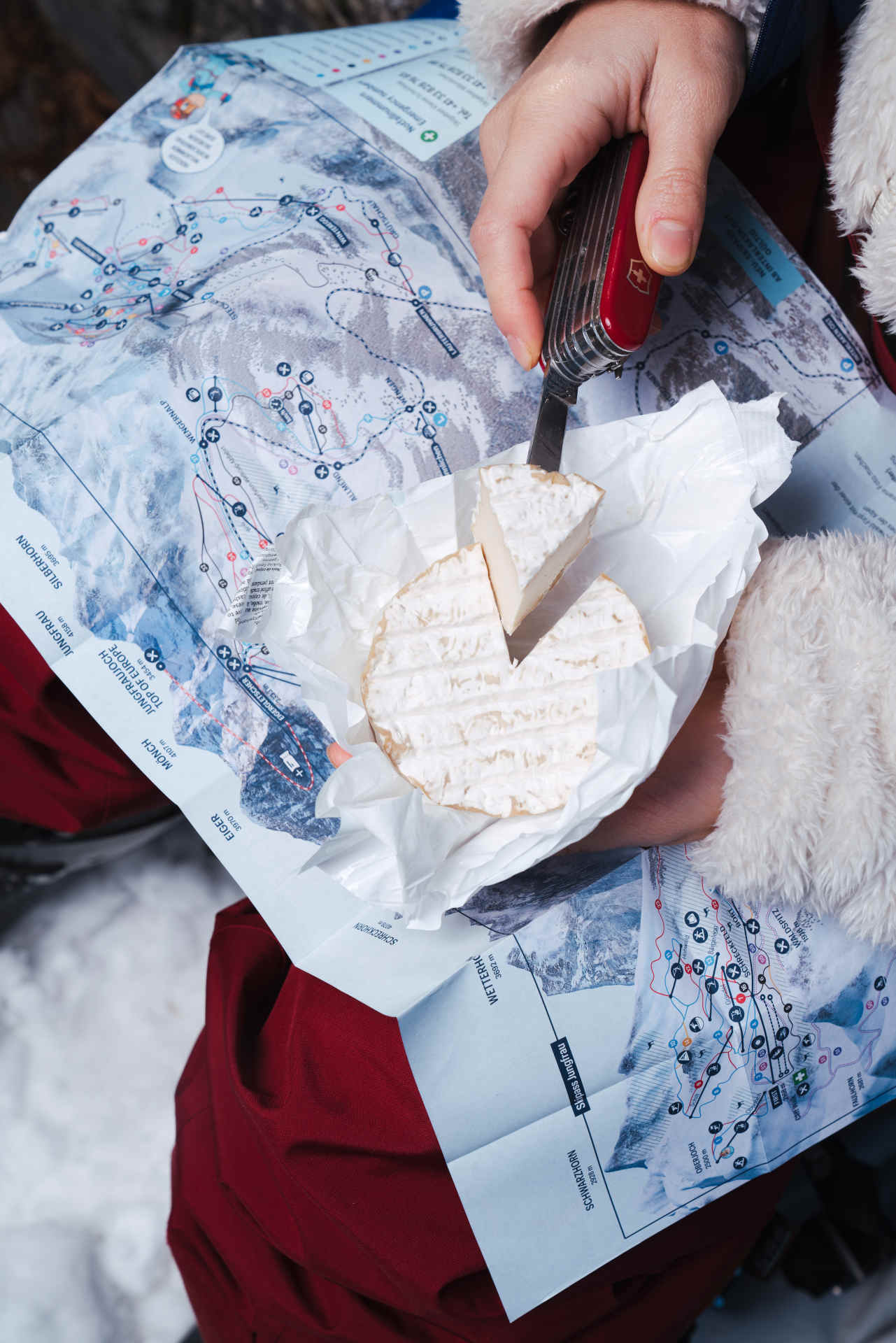
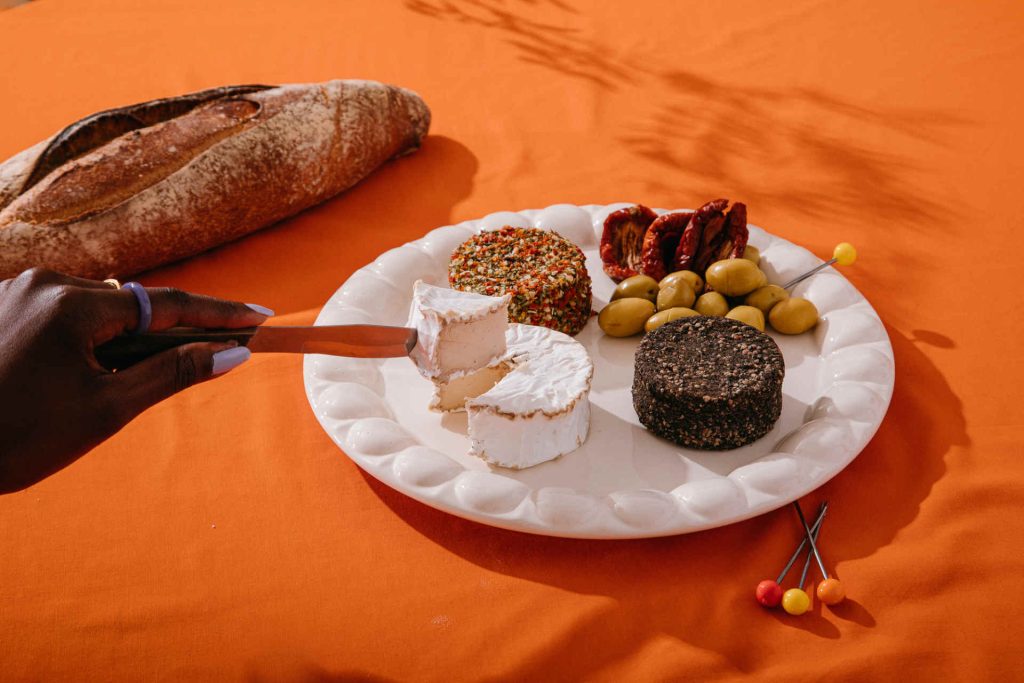
Soft White is the company’s bestseller and is considered an innovative product within the plant-based cheese category. Visually and texturally, it resembles a classic white mold cheese with a creamy center and a delicate rind.
A landmark environmental footprint: According to an Eaternity analysis, Soft White generates 60% less CO2 and uses 40% less water compared to Swiss Camembert made from cow’s milk.
Industry value-added:
Of particular interest to hotels: Guests are increasingly choosing plant-based options not out of necessity but out of conviction; Soft White offers enjoyment without moral conflict.
La Cotta is a plant-based ricotta alternative available in 140 g and 1 kg packages. Its texture is light and creamy, making it suitable for both savory and sweet applications, such as fillings for ravioli or cannelloni, whipped with citrus zest as an amuse-bouche, for vegan cheesecake variations, or as a spread for breakfast buffets at boutique hotels.
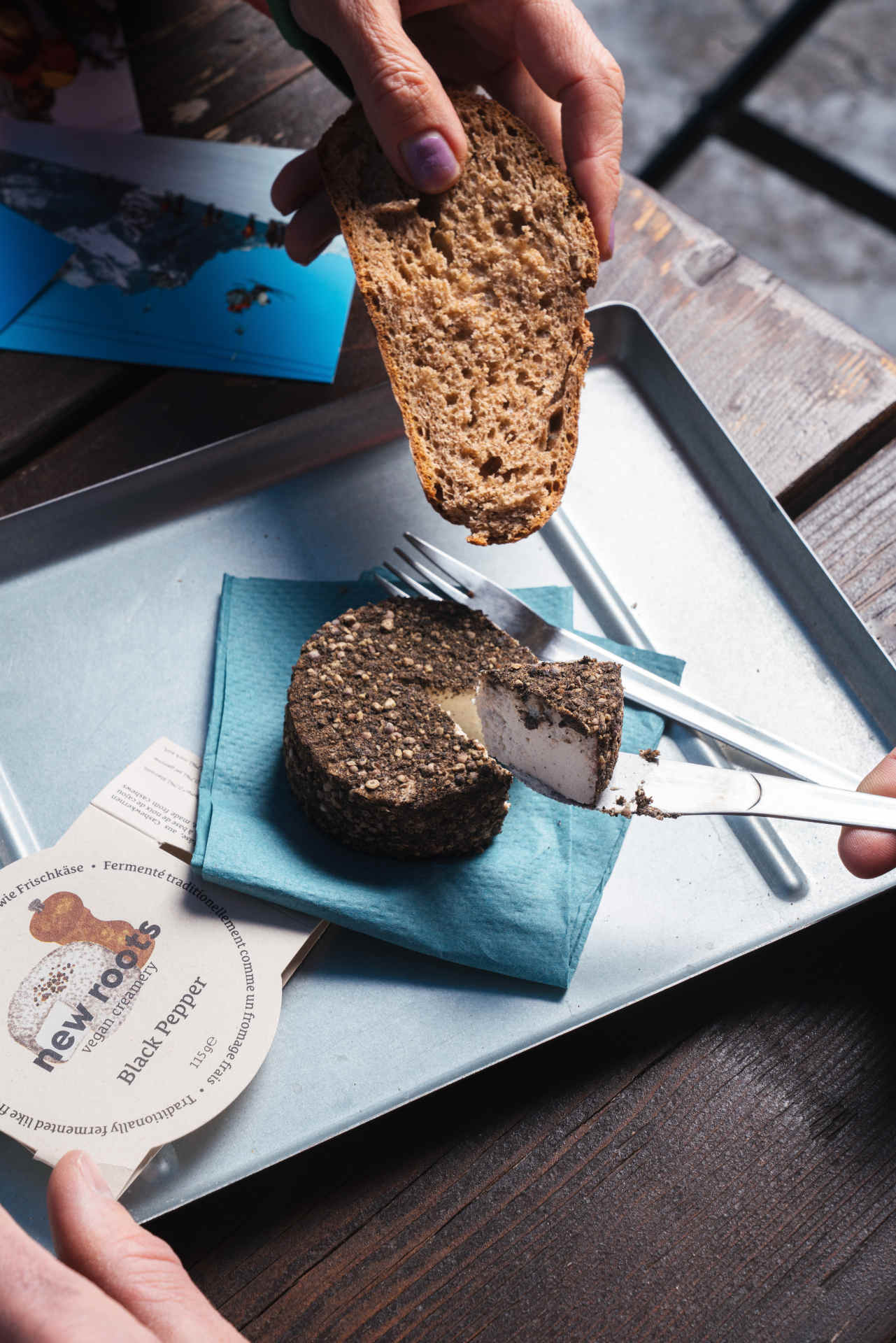
Fresh Black Pepper (115 g) adds spice and texture to the vegan cheese menu; peppercorns provide aromatic depth and a mild heat. Its uses are versatile: from bagel and brunch concepts to signature sandwiches and canapés in event catering. It’s also ideal as a base for vegan sauces or dips.
New Roots produces in a fossil-free factory powered by Swiss hydropower, and 1% of its revenue goes toward animal welfare projects. This is not just ethics, but brand strategy. At a time when ESG criteria are becoming increasingly relevant in the hospitality sector as well, such partners provide credible arguments for sustainability reports and certifications.
Whether it’s quality meat saved through Too Good To Go, plant-based steaks from Planted, or Zero Waste BBQ according to the Kotányi Grill Study: The 2026 grilling season stands for mindful enjoyment, new taste experiences, and smart ways to save money while grilling.
Most great wines are opened too early. Michael Kerschbaum turns this principle on its head and, with the Blaufränkisch “X” 2015, brings a wine to market that is available precisely when it has reached its full potential. A rare statement in favor of patience, terroir, and the true greatness of Blaufränkisch.
With the Blaufränkisch “X” 2015, the Kerschbaum Winery is making a deliberate statement against the fast-paced nature of the wine world. Ten years of aging, uncompromising selection, and a clear vision: to make a Blaufränkisch available precisely when it has reached its full potential.
The wine and gourmet industry does not have a quality problem, but a perception problem. Many suppliers produce to the highest standards – yet this quality often goes unnoticed online. There is a gaping chasm between product and sale: people don’t buy what is good – but what they know and understand.
A typical moment in the daily routine of many establishments: a guest leafs through the wine list, frowns and asks: “Why does this glass cost 9 euros?” It is at precisely this moment that the decision is made as to whether value is explained – or whether the price is quietly put into perspective. Here, communication determines turnover, visibility and price acceptance.
What happens when traditional Swiss cheese-making meets plant-based fermentation? The result isn’t a substitute product, but an entirely new category. New Roots describes itself as a “vegan dairy” and produces artisanal, plant-based cheese alternatives in Oberdiessbach. Founded in 2016 in Thun, the company is one of the pioneers of European vegan cheese culture and now produces around 30,000 cheese products weekly. Particularly noteworthy: Production follows traditional ripening methods using fermentation, ripening cultures, and artisanal care rather than texturizing additives. For establishments looking to elevate their vegan offerings to fine-dining standards, it’s worth taking a closer look at the following products.