
Art as a strategic stylistic device in the hotel industry
Art does not have a random effect—it consciously influences. Those who curate the space also control perception. In the upscale hotel industry, art has evolved from a purely aesthetic accessory to a strategic stylistic device. It shapes not only the visual experience, but also the emotional connection that guests form with a hotel. This is not about random paintings on the wall, but about targeted staging that demonstrates attitude, creates differentiation, and authentically conveys the character of a hotel.
Today, aesthetics are more than just decoration
Aesthetics determine first impressions—and the quality of memories. In the hotel industry, this means that design is not an end in itself, but rather a tool for positioning. When people enter a hotel today, they want more than just a functional space – they are looking for inspiration, atmosphere, and a sense of significance. Rooms with an artistic signature create precisely this added value: they remain in the mind because they are not interchangeable.
Decorative, standardized solutions, on the other hand, appear arbitrary. Art creates context, invites engagement, sparks conversation, and gives rooms depth. Especially in the luxury or boutique segment, rooms become stages on which stories are told and values are conveyed. Curated concepts make the difference – they send signals, show courage in personality, and demonstrate a new understanding of hospitality.
Art makes brand identity tangible
Art not only appeals to the eye, but also conveys attitude. This is precisely where its potential lies for brands that want to have a long-term impact rather than a loud one. Hotels that collaborate with artists or even integrate their own collections show their profile – not through logos, but through content. The visual style thus becomes a sensory extension of the corporate identity.
Approaches that specifically embed art in the brand concept are particularly successful: for example, through works by local artists, seasonal installations, or room-specific compositions. This creates a narrative that runs through the entire hotel, from the lobby to the rooms to the spa. Guests sense that this is not just a design, but a concept. And that is precisely what makes brands distinctive today.
Rooms tell stories and guests remember them.
Experiential spaces are not created by chance. They arise where design, content, and emotion intertwine. Art in interior design plays a key role in this: it creates meaning beyond function—and makes stays memorable. If you want to impress your guests, you should not only design rooms, but also create narrative spaces that convey messages and touch people.
What guests really remember is often not measurable – but it can be felt:
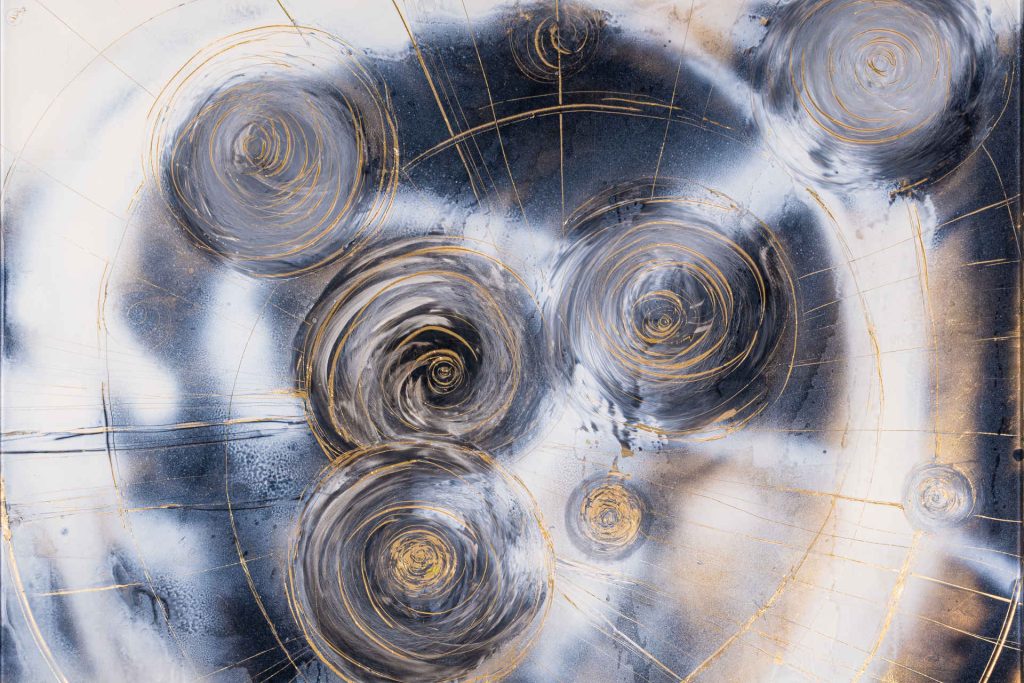
- A glass picture in the entrance area that picks up on the history of the building immediately creates a sense of identification.
- An individually designed bathroom with art on the wall becomes a private gallery and transforms everyday life into an experience.
- A thematically curated breakfast room can serve as visual storytelling – for example, about regional culture, nature, or craftsmanship.
- A consistent color scheme provides orientation and subconsciously creates a feeling of coherence.
- A temporary exhibition of local artists shows a connection to the location and provides topics of conversation – not only for guests, but also for the team.
Our conclusion
Details like these are more than just visual highlights. They stick in the mind because they tell a story – quietly but impressively. Rooms designed in this way become places of experience with character that you not only remember, but want to return to.
From Genusspunkt 3/2025