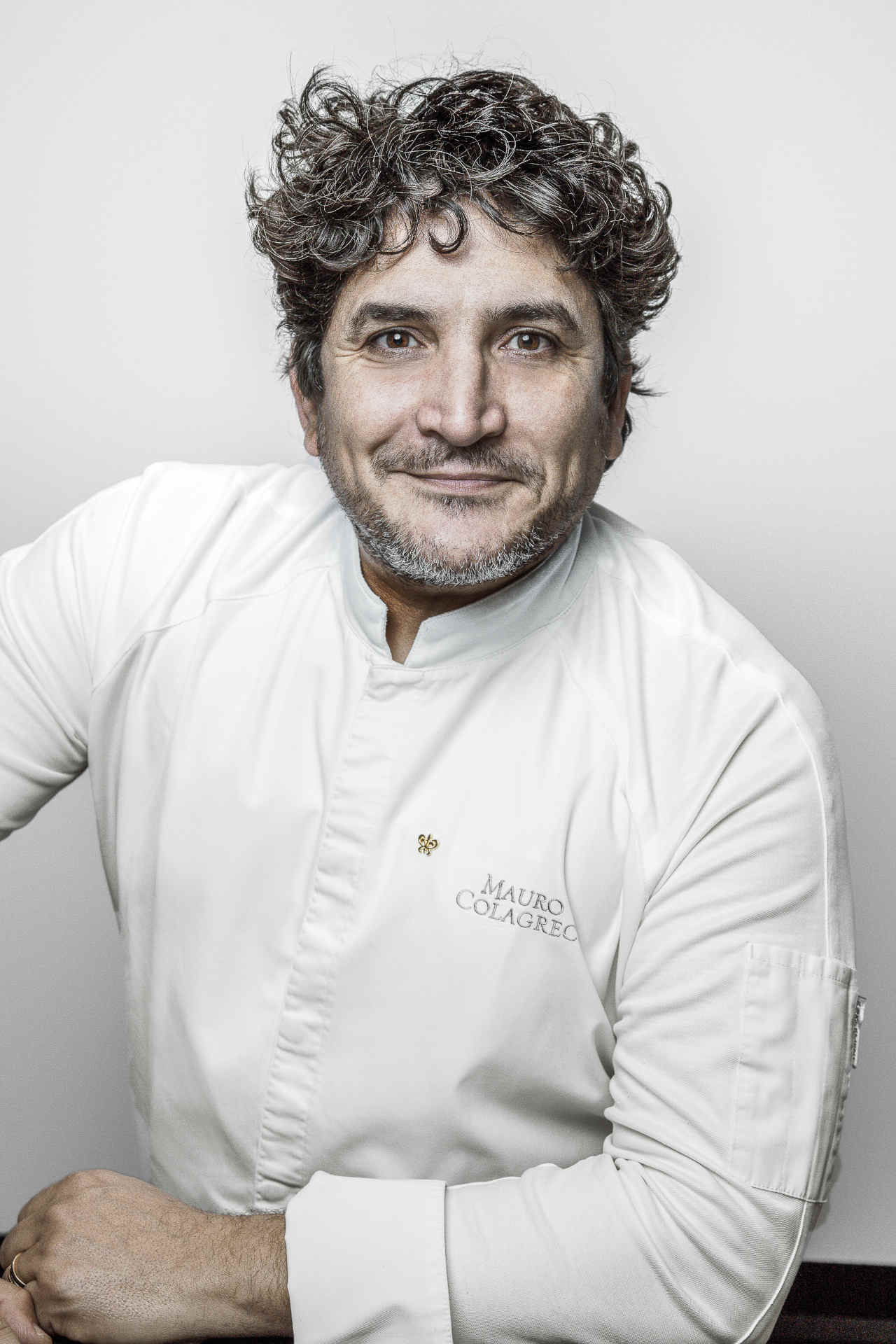
“Let's listen to the ocean together before it falls silent.”
Mauro Colagreco, Vice President of Chefs, Relais & Châteaux
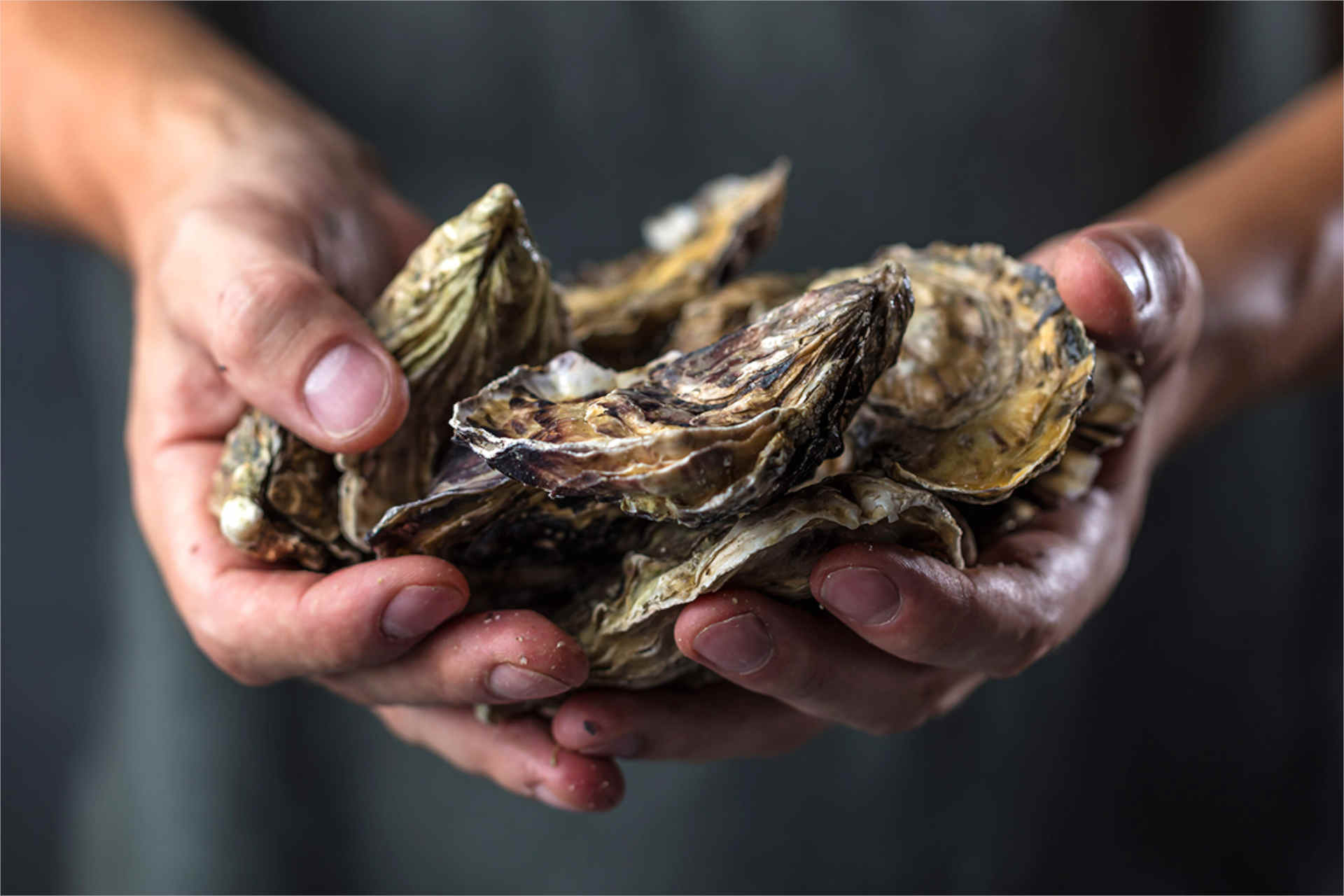
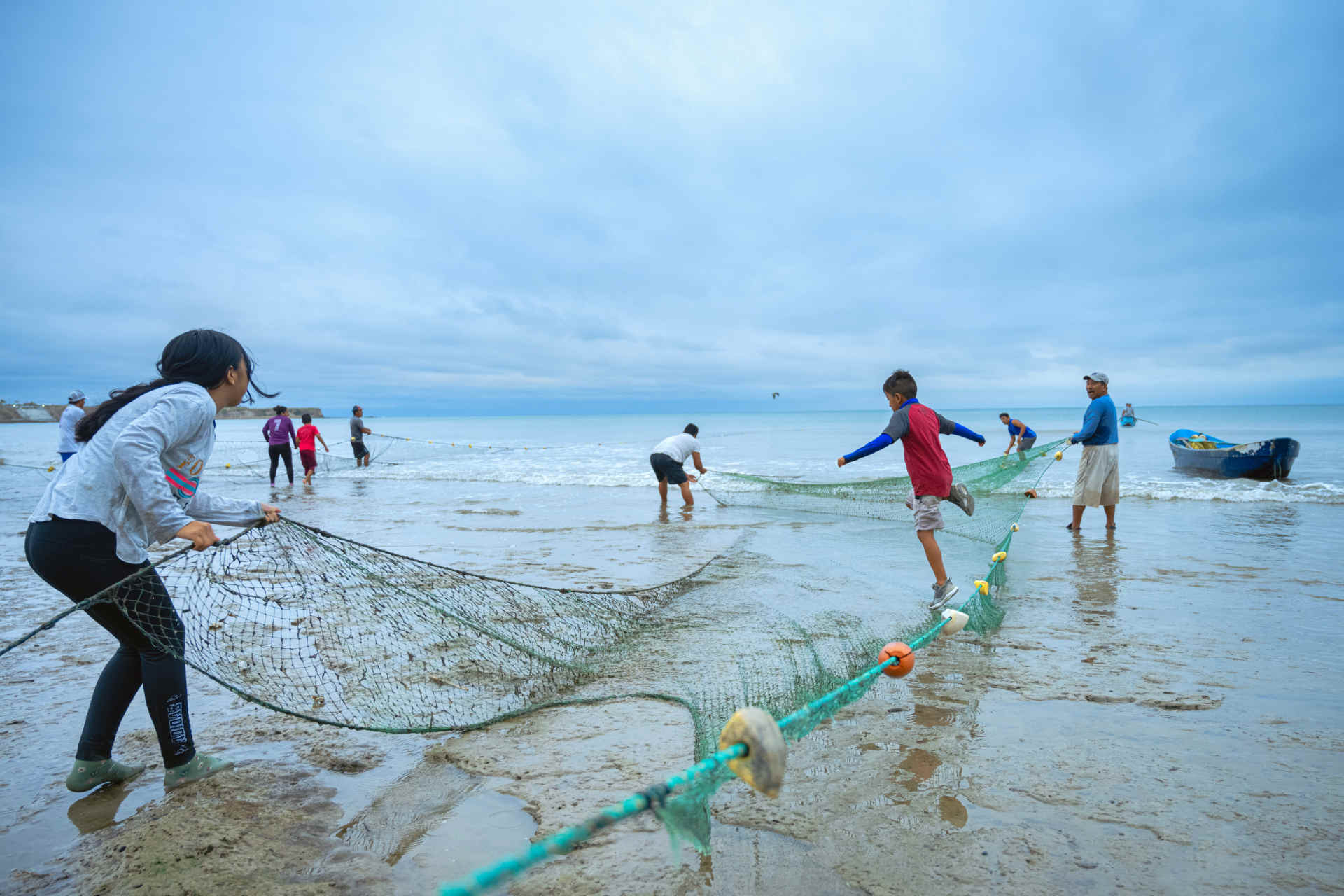
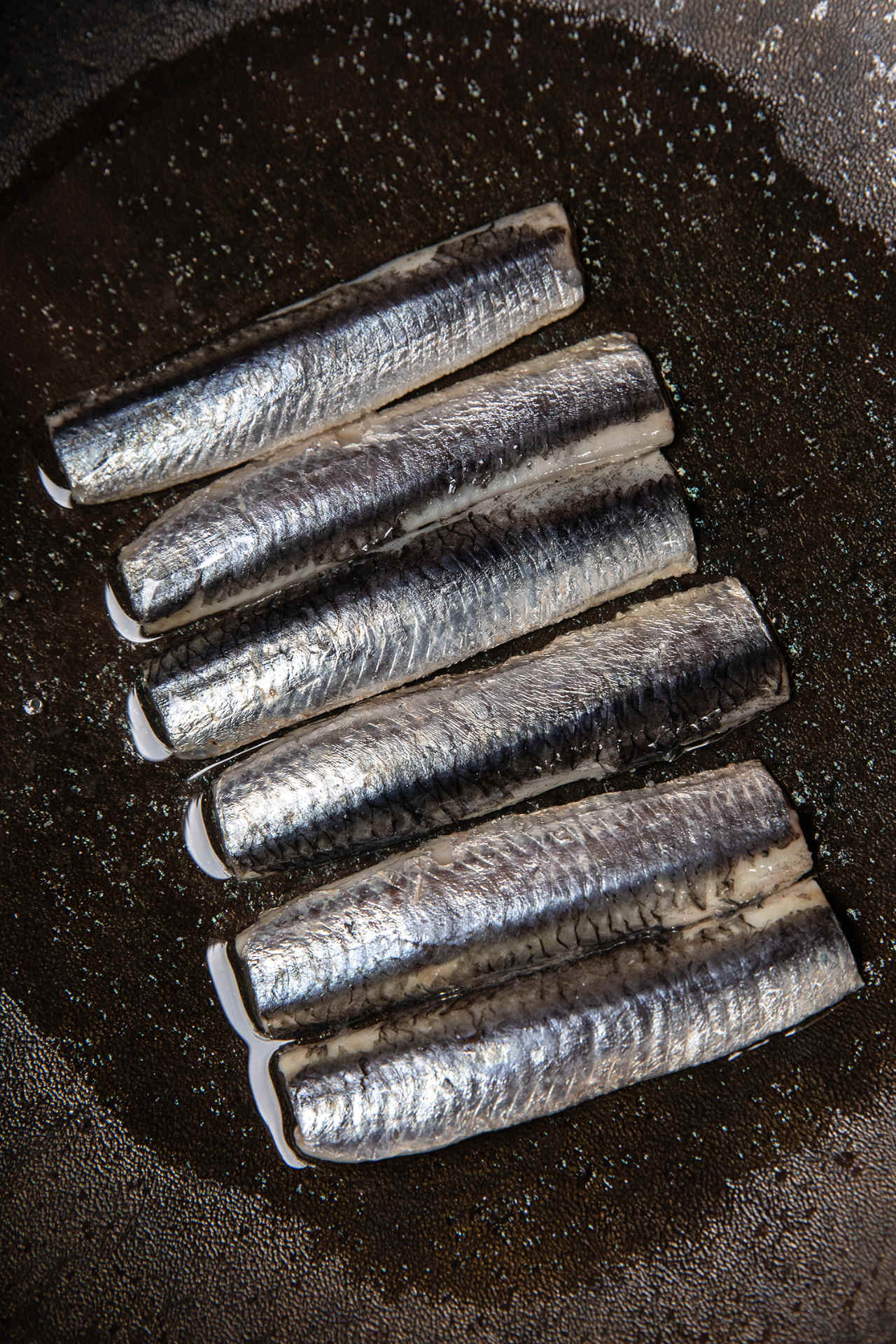
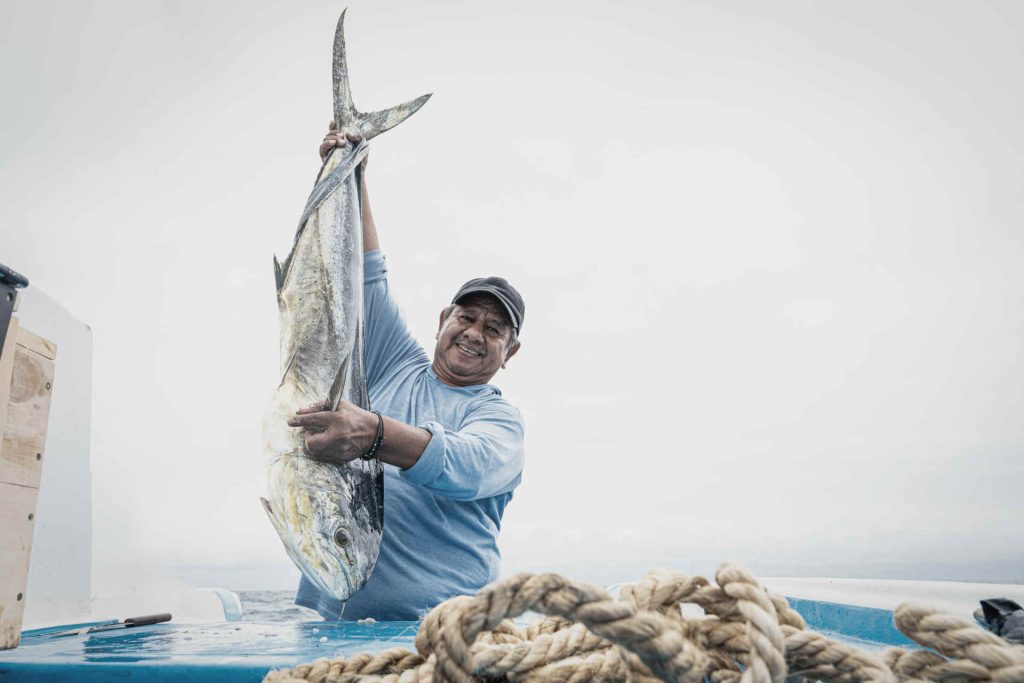
When culinary excellence becomes an ecological statement—and top chefs take responsibility: Sustainability doesn’t end with packaging—it begins with product selection. This is impressively demonstrated by the Relais & Châteaux association, which, with over 580 member establishments, is considered the world’s largest gourmet community. Together with the NGO Ethic Ocean, it has launched an initiative that could not be more consistent: its chefs are committed to removing endangered fish and seafood species from their menus until stocks have recovered.
With these words, Mauro Colagreco, three-star chef and pioneer of ethical cuisine, calls on his colleagues worldwide to take action. Because what ends up on our plates affects not only our enjoyment, but entire ecosystems. Whether Atlantic wild salmon, European eel, or crab: many popular species are on the Red List. And this is exactly where the campaign comes in.
The initiative is having an impact: 84% of members have already stopped serving eel, many of them permanently. Other species such as bluefin tuna were banned back in 2009, with measurable success: thanks to such measures, stocks in the Northeast Atlantic are no longer considered overfished (ICCAT 2022).
With this stance, Relais & Châteaux is positioning itself not only as a network for first-class hotels and cuisine, but also as a voice for change in the restaurant industry. A voice that should be heard – before the ocean falls silent.
Artificial intelligence has become part of everyday life in many businesses – but by 2026, it will become a structural imperative. The focus is no longer on testing individual tools, but on the question of how AI can be deployed reliably, effectively, and across the entire organization. Examples from tourism, events, and organizations already demonstrate today how scaling works in practice – and where AI specifically reduces the workload.
A clear turning point is emerging for the year 2026. The company-wide deployment of AI is taking center stage. This is the conclusion reached by Hamburg-based AI expert and interim manager Eckhart Hilgenstock, who has analyzed numerous national and international studies on the development of artificial intelligence. His conclusion is clear: “Following the pilot project phase in 2024/25, many companies are aiming to scale AI within their organizations by 2026.”
Dry January is no longer just a month of abstinence. It’s a barometer. For changing guest preferences. For more conscious consumption patterns. For a new aesthetic of enjoyment. Anyone who still believes in 2026 that non-alcoholic drinks are merely lemonade in a crystal glass has failed to grasp the trend. At Bar Montez in the Rosewood Munich, Bar Manager Mario Sel demonstrates just how sophisticated, structured, and gastronomically relevant non-alcoholic creations can be today – and why they have long been a strategic component of contemporary bar culture.
Across all areas of life, the food service industry is becoming more emotional, flexible, and relevant: Chain restaurants are showing more character, transit dining is evolving from a quick stop to an experiential space, and in the context of New Work, cuisine is becoming a central factor for culture, health, and employer attractiveness.
When culinary excellence becomes an ecological statement—and top chefs take responsibility: Sustainability doesn’t end with packaging—it begins with product selection. This is impressively demonstrated by the Relais & Châteaux association, which, with over 580 member establishments, is considered the world’s largest gourmet community. Together with the NGO Ethic Ocean, it has launched an initiative that could not be more consistent: its chefs are committed to removing endangered fish and seafood species from their menus until stocks have recovered.