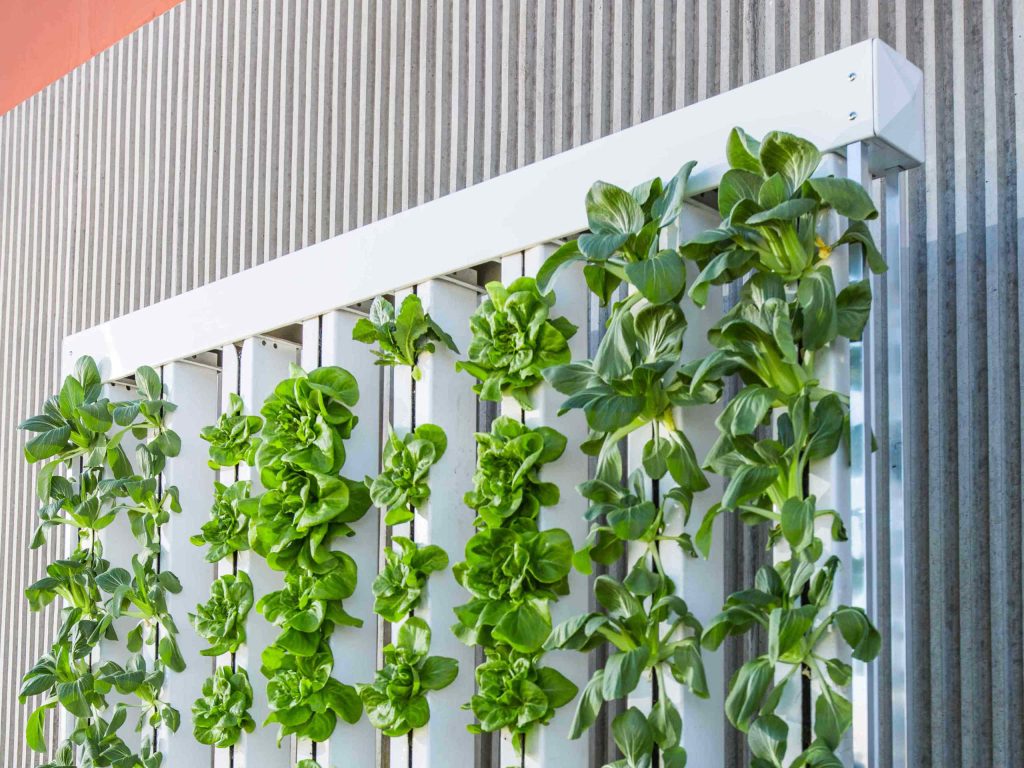

More efficient use of resources
Farm-to-table initiatives and hydroponic systems offer solutions to these problems by enabling more efficient and environmentally friendly food production. Farm-to-table initiatives encourage collaboration between local farmers and restaurants to bring fresh and seasonal produce directly from the farm to the table. Hydroponic systems, also known as artificial cultivation, enable more efficient use of resources such as water and nutrients by growing plants without soil.
More and more terms such as home-grown or home-made can be found on menus: lemonades, honey, even home-made balsamic vinegar - guests love the hyper-regional, i.e. ingredients straight from the windowsill and backyard garden.
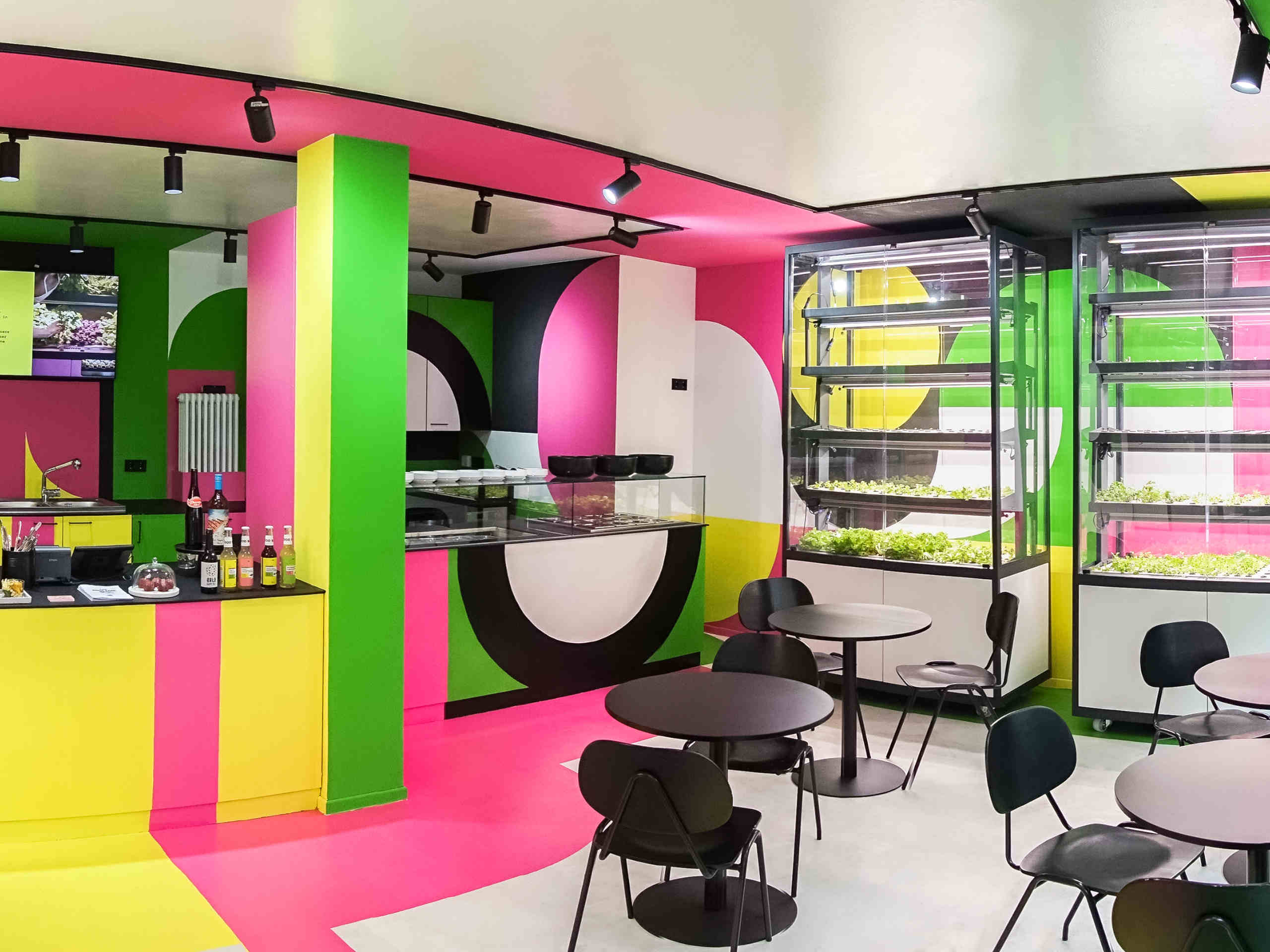
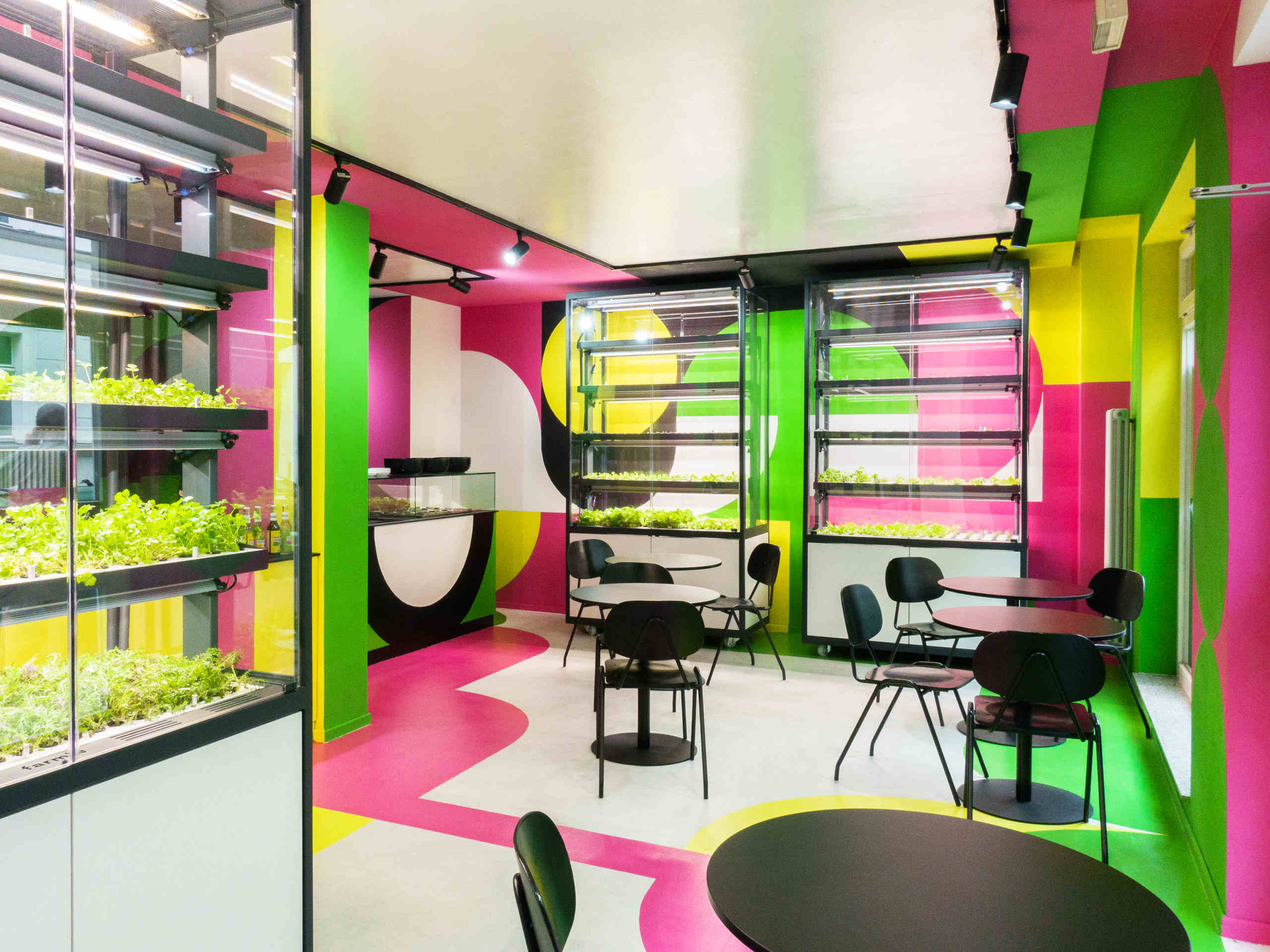
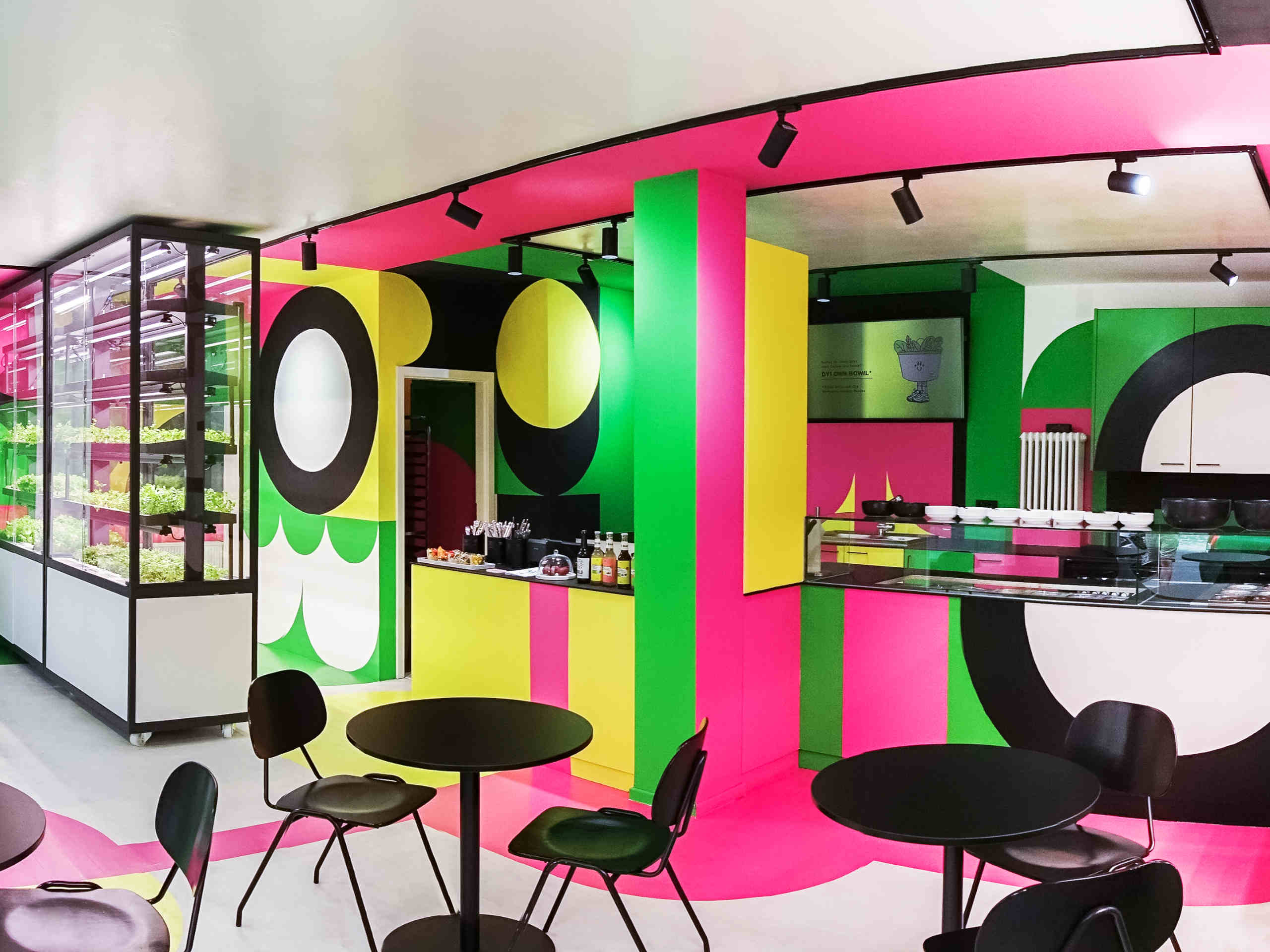
From farm to table to hydroponics
Garden herbs are now the entry point into the complex world. They fit on the windowsill or in a narrow shelf. The next step up is planters in front of a restaurant or store. This is where things get a little more challenging. The more soil or substrate, the better. In any case, it should remain decorative and well-maintained to whet the guests' appetite for more. And for the expert, it's hydroponics. Hydroponics is the growing and cultivation of ornamental and crop plants in a hydroponic system in which the roots of a plant are suspended in a nutrient solution, a mixture of water and nutrients dissolved in it.
One of the successful concepts is Good Bank in Berlin. They grow lettuce in their own vertical farming system. The demand for vertical farming is constantly increasing, both in the private sector and in restaurants. Lettuce is perfect for this. A wonderful example is the Steirereck: Pogusch PPAG architects have planned two glass houses on a slope. One of them is unheated, the other is heated. The variety of plants can not only be enjoyed on the plates, but also during an overnight stay.
Suitable for every restaurateur
More and more people are interested in where their food comes from and are prepared to pay for it. Growing your own food can be easy. With herbs and edible flowers such as marigolds, lavender, nasturtiums, chives, ornamental leeks and much more. Overall, farm-to-table is an opportunity for every restaurateur to offer high-quality, seasonal food that comes from the region. It also allows restaurateurs to raise awareness of healthy eating and strengthen the relationship between restaurant and customer.