
Menu revolution: What's really happening on tomorrow's plates
Forget fine dining as you know it – the new culinary wave is no longer rolling quietly, but with full force. And it's not bringing fusion on steroids, but finely tuned experiences for all the senses. The big movement? More personal, more immersive, more local-global than ever. The new Future Menus Vol. 3 report impressively shows how much expectations of gastronomy are changing. It's no longer just about taste, but about meaning. It's about stories. It's about encounters. And it's about the question: How much can we really involve our guests?
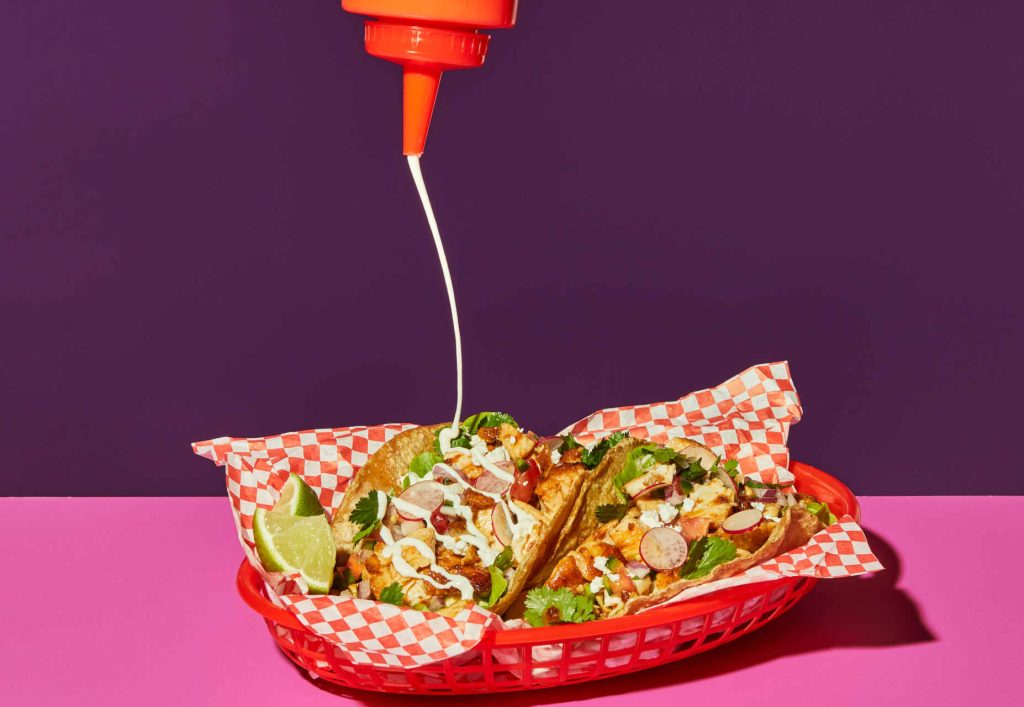
Street Food Couture: Haute Cuisine on Plastic Chairs
The street is becoming socially acceptable. What used to be sold on the corner is now served with dry aging, fermented butter, and hand-roasted chili oil—but without losing its casual spirit. The recipe for success? Authentic ingredients, surprising techniques, strong origins.
What you need:
- Charcoal, fire, and the courage to embrace imperfection.
- Authenticity instead of show cooking.
- Local ingredients such as lentils or wild strawberries.
- Dishes that taste of life: elotes, chaat, loaded fries – but with a new twist.
For your concept:
Make street food a signature experience! Think pop-up events, open-air cooking stations, changing weekly menus, and above all: simplicity that surprises.
Borderless Cuisine: When kitchens know no boundaries
Second-generation chefs bring their heritage to the plate—not as ethnic exoticism, but as an expression of identity. Cuisine becomes a mirror of the world we live in: mixed, interconnected, curious.
Dominant techniques:
Sous-vide meets pickling, smoking flirts with shiso and miso. The result is dishes that impress not with their exoticism, but with their depth.
For your menu:
Tell stories. Why does pomegranate go well with your carpaccio? What does pandan mean in your dessert? Guests don't want to be lectured, they want to be inspired.
Culinary Roots: Old recipes, new hearts
We look back at forgotten dishes, micro-regions, and grandma's techniques. Culinary Roots means cooking over a wood fire. Slow braising. Marinating with memories.
Regions in focus:
Oaxaca, Yucatán, the Andes, Sichuan, the Basque Country.
What you can do:
Dig into your region. Talk to grandmothers. Bring back forgotten recipes – and give them a new stage. Combine old essences with new know-how. The future is retro – but smart.
Diner designed: Guests get involved
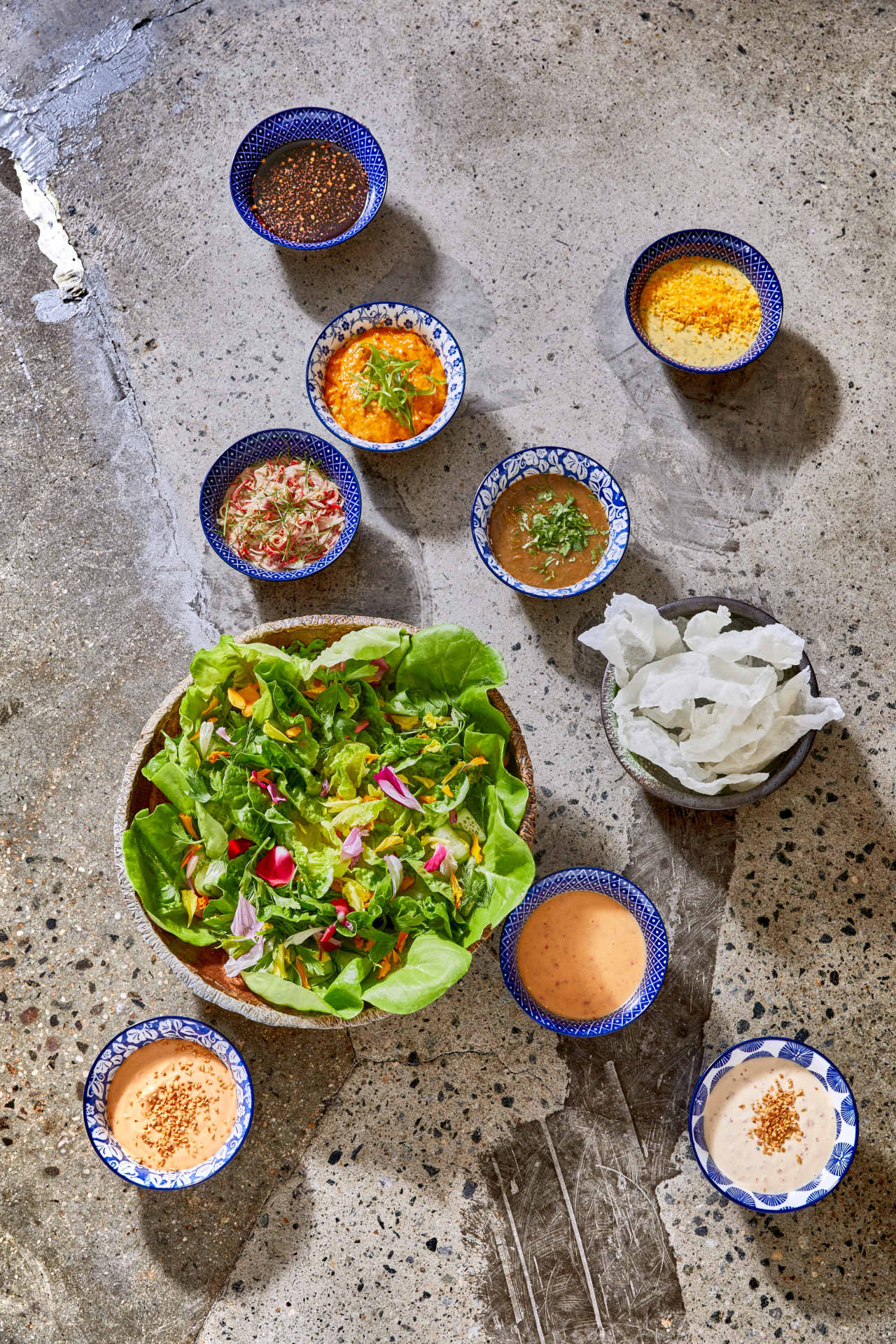
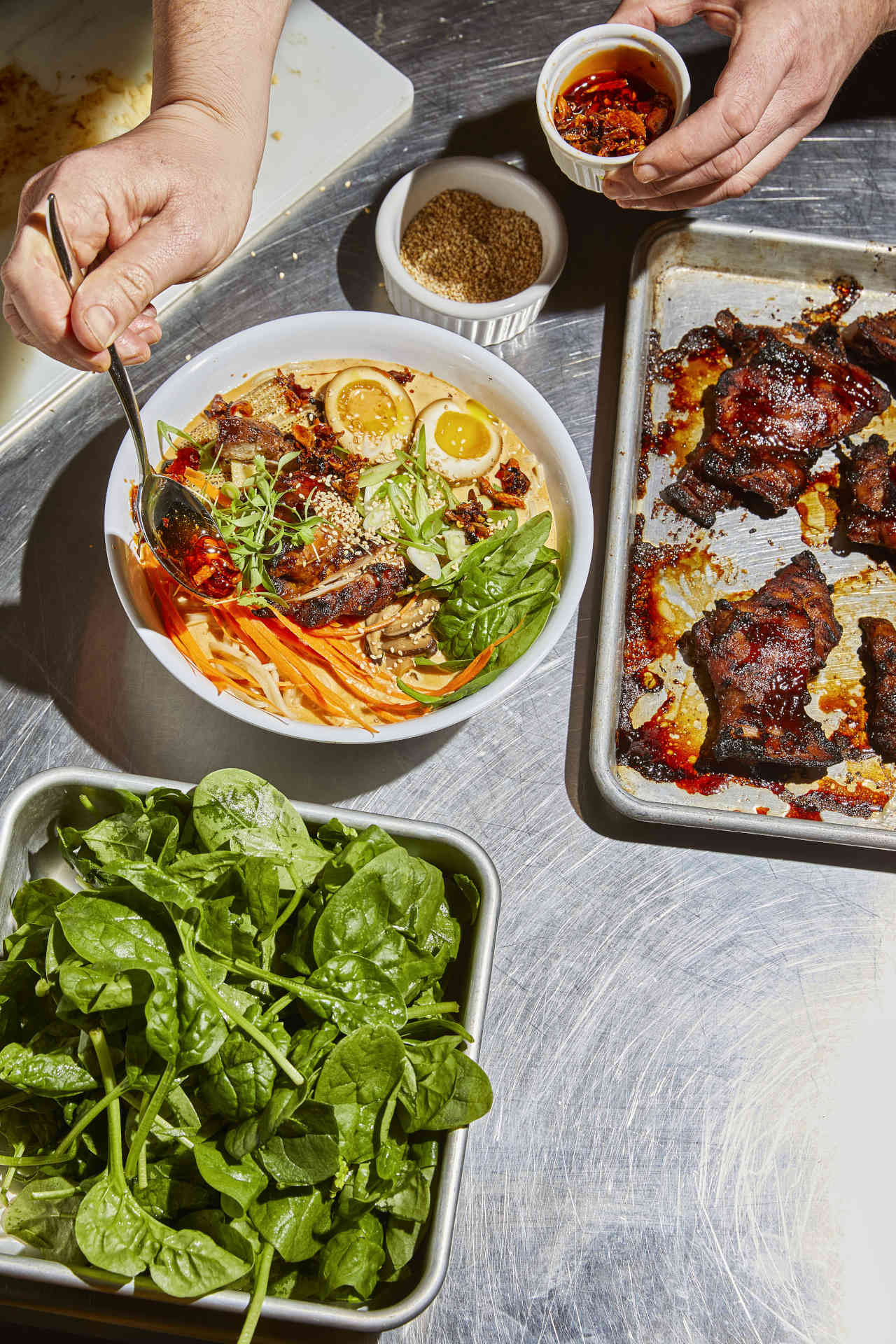
You no longer just serve food—you make it available. The trend is toward participation: Korean BBQ for self-grilling, modular dishes, AI-supported menu suggestions, AR plate animations.
What works:
- Fermentation, purées, espumas, and interactivity
- Authenticity instead of show cooking
- Augmented reality, flash freezing, menus as an experiential journey
Idea for your business:
Create signature stations: Build your own ice cream, gelato with saffron, live flambéed toppings. Turn your menu into a playground – without compromising on quality.
What you can do with it – now, not sometime in the future
- Develop menu strategies:
Move away from static menus – toward rotating culinary experiences that tell stories. - Involve your team:
Your chefs are storytellers. Let them recite, explain, interact – whether via QR code or at the table. - Professionalize storytelling:
Use the origins of your ingredients, your people, your region. Turn them into content – online and on site. - Use technology:
Use tools such as AR to create interactive experiences without neglecting the craft.
Our conclusion for the future
Those who want to be successful in the future must do more than just cook: they must stage, integrate, and inspire. Today's guests want to have a say, help shape things, and empathize. They are looking for the unique, the authentic – and yes, even the imperfect.
Street food couture, borderless cuisine, culinary roots, and diner designed are not buzzwords. They are invitations:
- To rethink
- To experiment
- To tell stories
And above all: to reclaim what gastronomy has always been—a place of encounter.
Fact box: About Future Menus 2025
The Future Menus Report 2025 translates global food trends into concrete, practical solutions—with the aim of not only inspiring restaurateurs, but also supporting them in actively shaping the future of food.
- 312 million search queries
- 237,000 food keywords
- 21 countries compared
- Feedback from over 1,100 chefs worldwide
Expert knowledge:
- 250 culinary consultants
- 5,000 years of collective professional experience
- 200 million dishes served worldwide every day
From Genusspunkt magazine, May-August 2025