
From a natural backdrop to a conservation mission
For a long time, nature was seen primarily as a backdrop in tourism: beautiful views, spectacular wildlife, extraordinary landscapes. Today, that is no longer enough. Guests are seeking experiences with meaning, depth and authenticity. They don’t just want to see, but to understand. Not just to consume, but to contribute.
This is changing the demands placed on hotels and destinations. Anyone promoting wildlife, marine environments or protected landscapes must also be able to explain how these habitats are being conserved. This is precisely where the shift from the traditional nature experience towards responsible, knowledge-based tourism begins.
Marine biodiversity: The oceans as a key issue
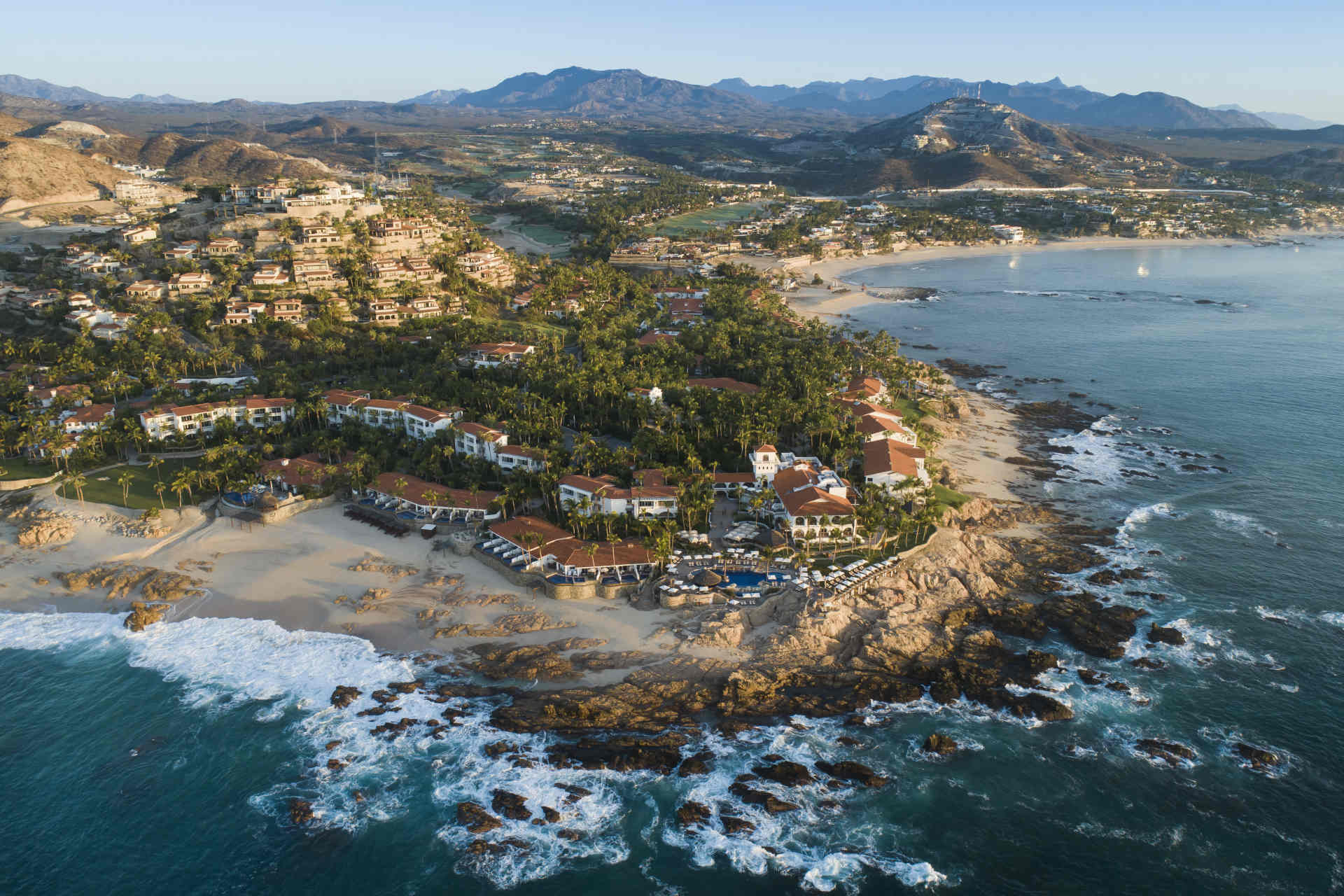
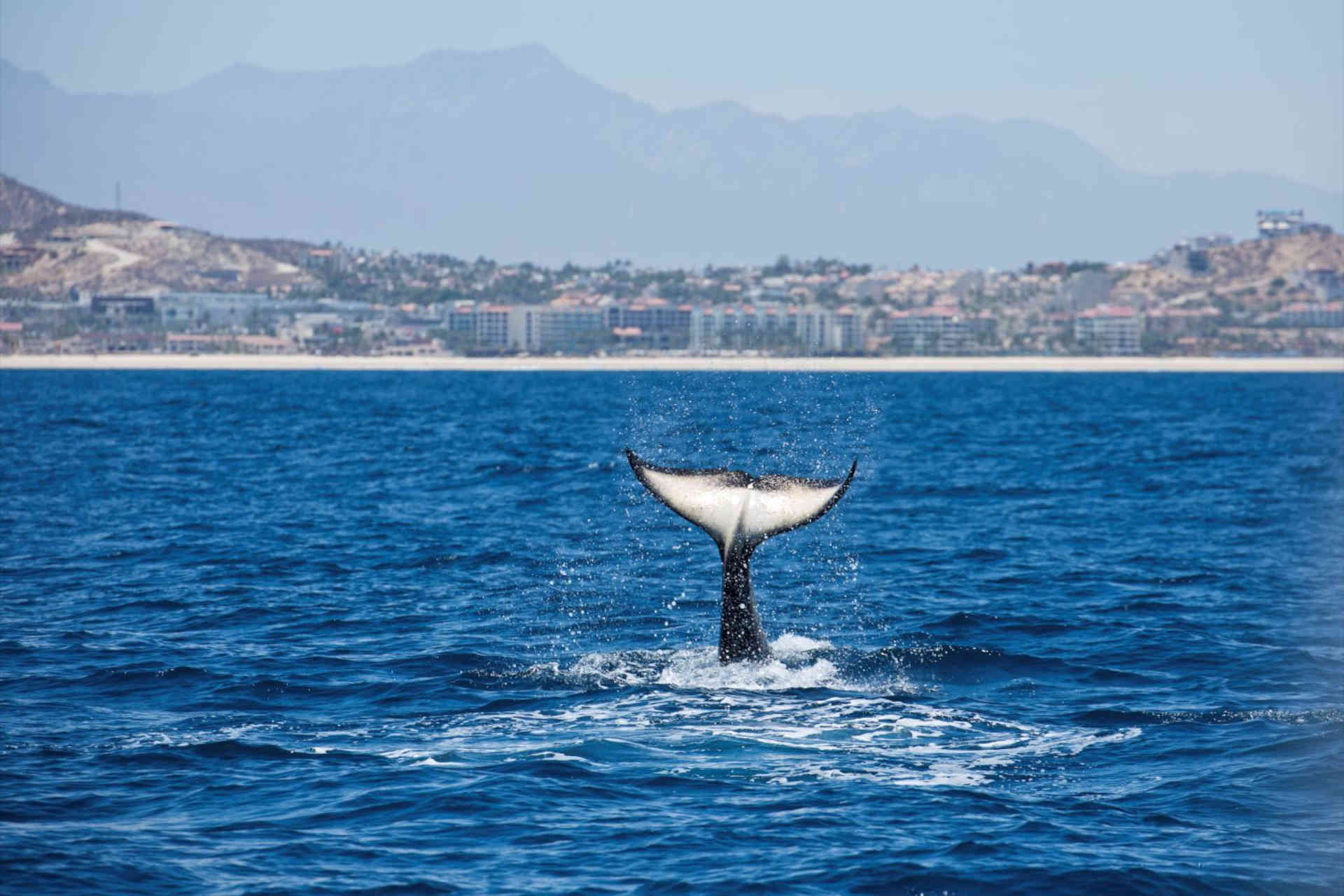
This trend is particularly evident in the field of marine conservation programmes. Alongside the humpback whales around Los Cabos, projects in the Maldives also demonstrate how closely luxury travel and species conservation must be linked in future.
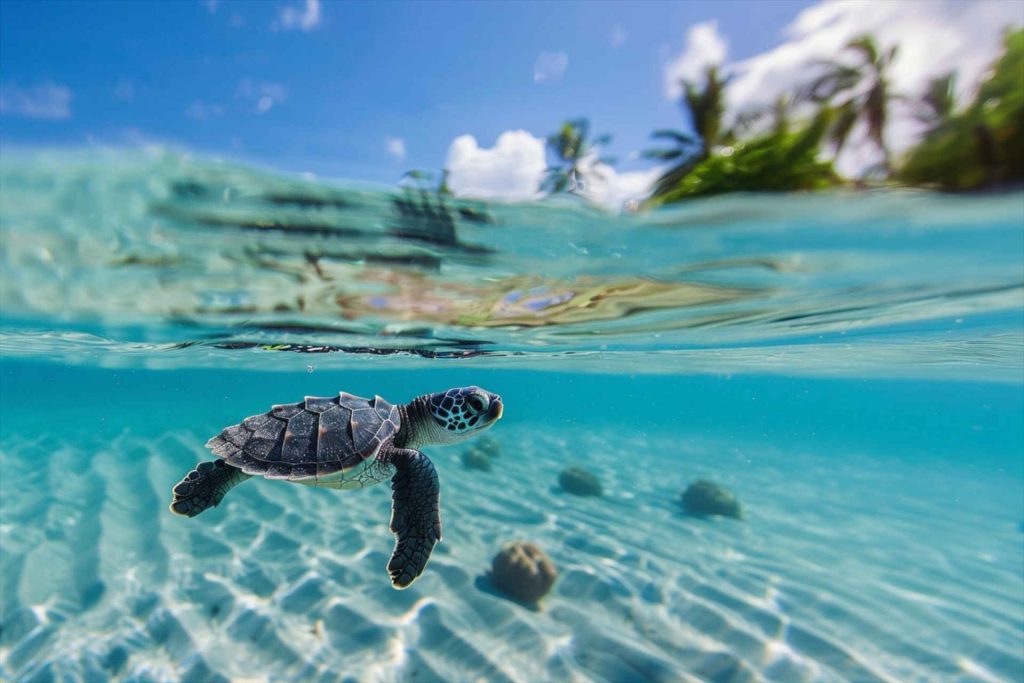
At the Sirru Fen Fushi Private Lagoon Resort, the focus is on the conservation of sea turtles. In partnership with the Olive Ridley Project, the resort is committed to protecting green sea turtles and hawksbill turtles. Nests are monitored, hatchlings are assisted as they emerge, and turtles are freed from ghost nets where necessary. Guests thus not only experience a moving moment on the beach, but also gain an insight into practical conservation work.
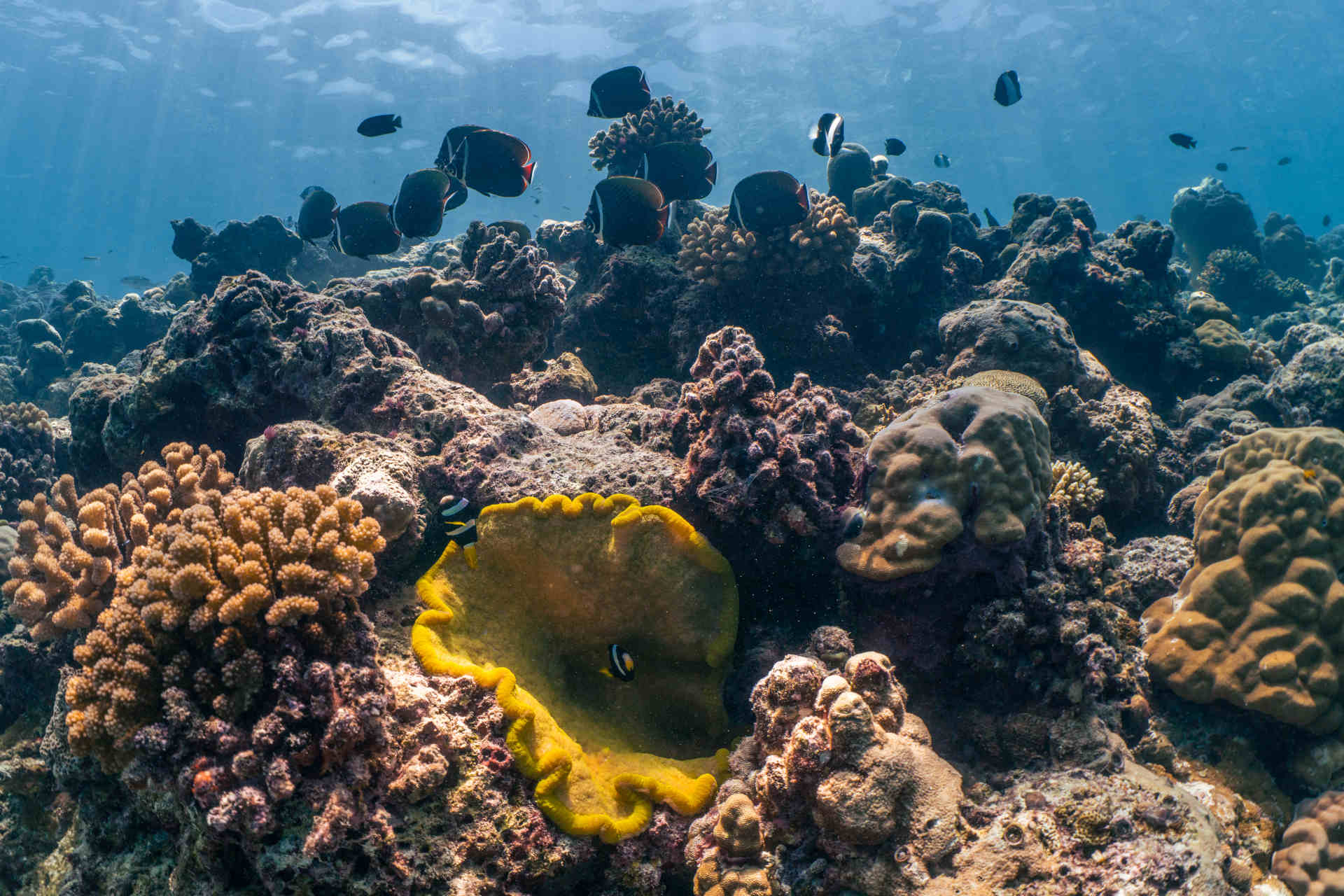
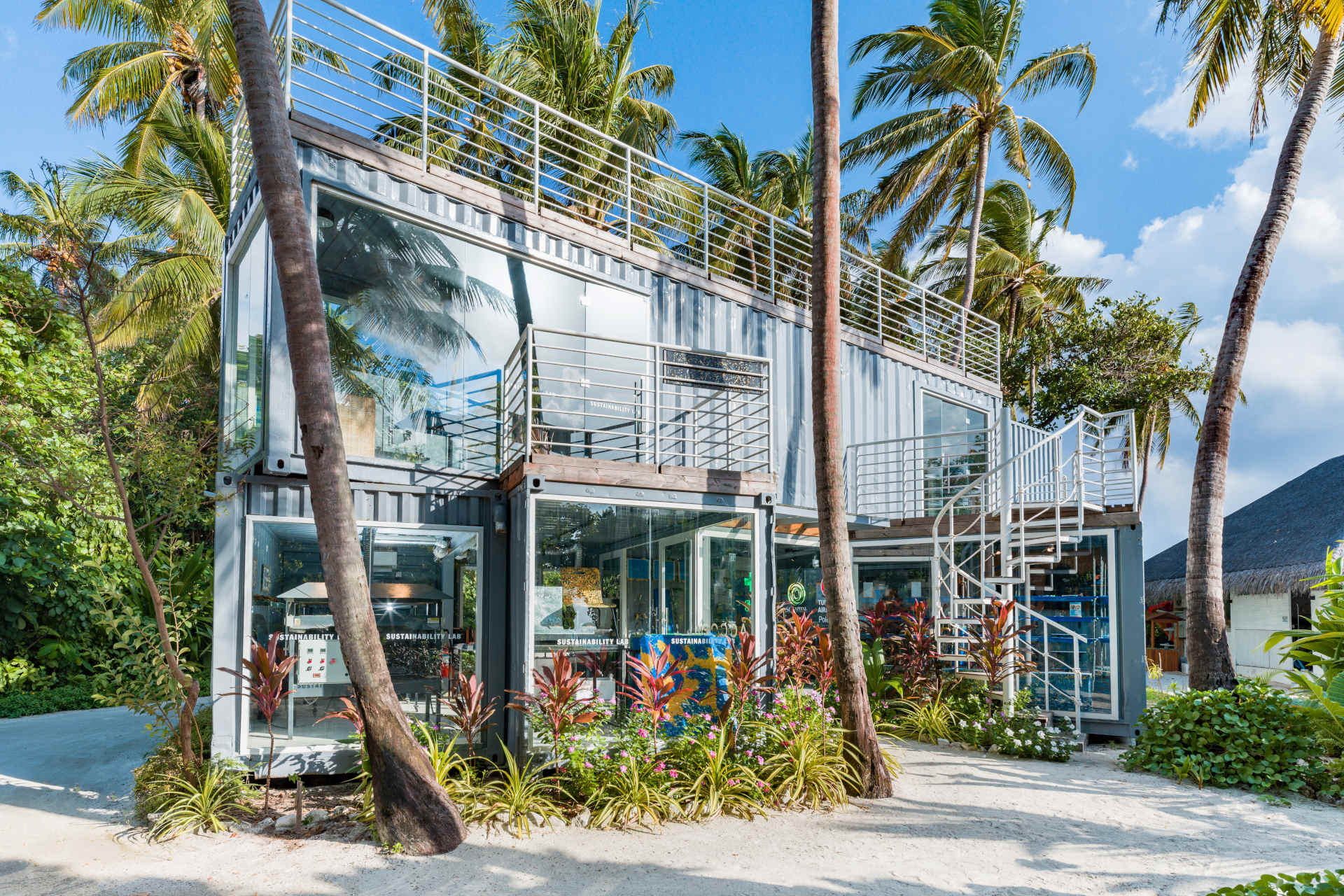
Patina Maldives also emphasises active involvement. During coral restoration workshops, guests create coral frames and ceramic structures that are later installed in the Indian Ocean. The idea behind this is that sustainability is not just talked about, but brought to life. Coral reefs are sensitive ecosystems and provide a livelihood for countless marine creatures; their protection is vital for island nations such as the Maldives.

Dolphins in the Adriatic
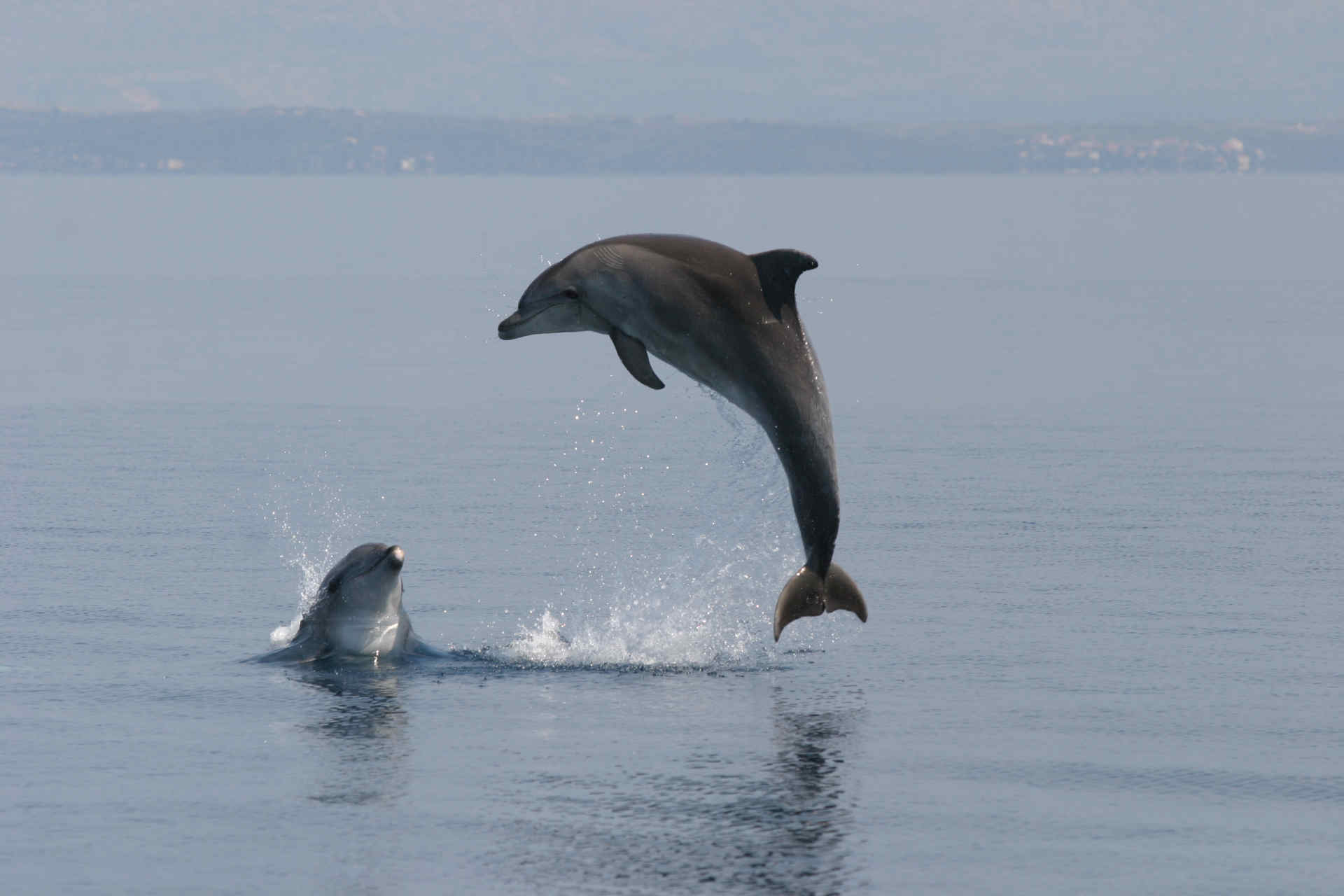
Another example is provided by the Cres-Lošinj archipelago in Croatia. Around Lošinj lies a marine protected area for bottlenose dolphins, managed by the Blue World Institute. The dolphins living there are scientifically monitored, documented and protected.
For travellers, this means: encounters yes, disturbance no. On boat trips with marine biologists, guests learn how dolphins live, why keeping a safe distance is crucial and how responsible observation works. This is precisely where the added value lies: the experience is not diminished by being mindful; it becomes more meaningful.
A new approach to safaris
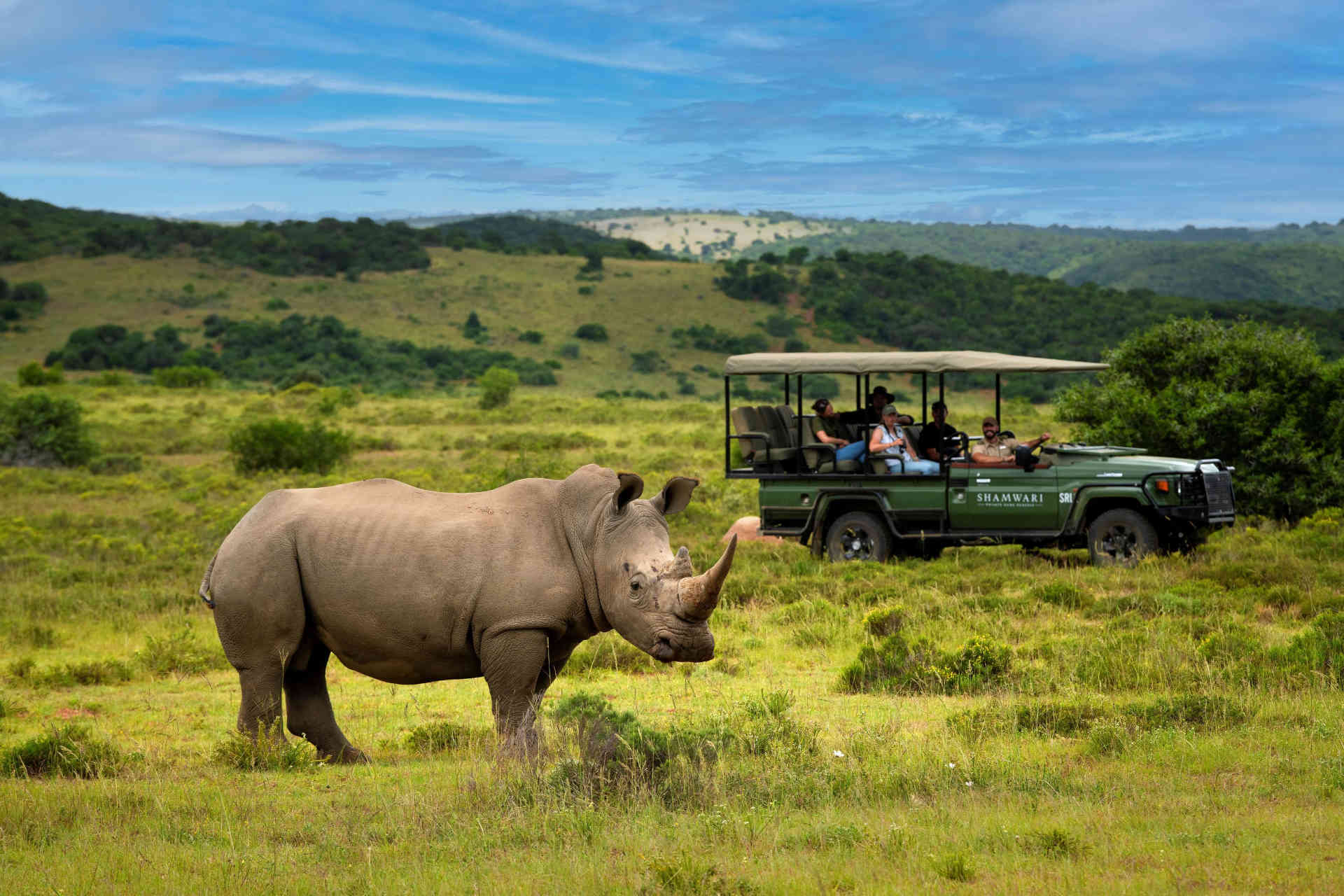
On land, too, expectations of wildlife tourism are changing. The Shamwari Private Game Reserve in South Africa’s Eastern Cape demonstrates how modern safaris can work. More than 5,000 animals and around 275 bird species inhabit the approximately 25,000-hectare reserve, including the Big Five: elephant, rhino, buffalo, lion and leopard.
However, it is not just the sighting of these animals that matters, but the system behind it. Shamwari combines species conservation, habitat restoration and local collaboration. Conservation programmes for big cats, rhinos, vultures and other wildlife make it clear that safaris today must be about more than just photo opportunities and adrenaline.
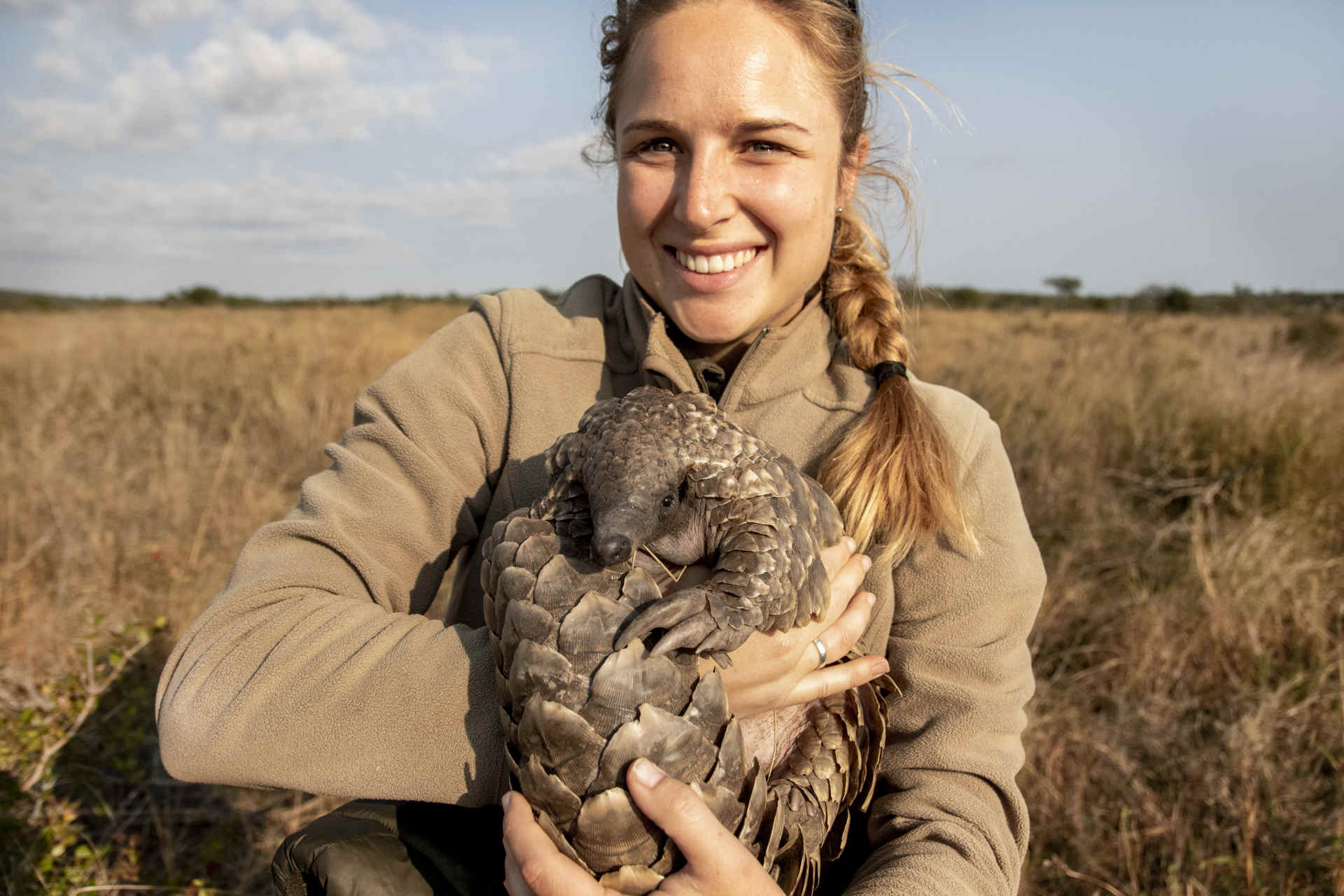
Equally significant is the Pangolin Reintroduction Project at the andBeyond Phinda Private Game Reserve in South Africa. Rescued pangolins are fitted with satellite tags and monitored scientifically following veterinary care. Guests can gain an insight into this work as part of a Pangolin Conservation Experience. What makes this special is that revenue from the experience directly supports research and monitoring.
Iconic animals as ambassadors for entire ecosystems
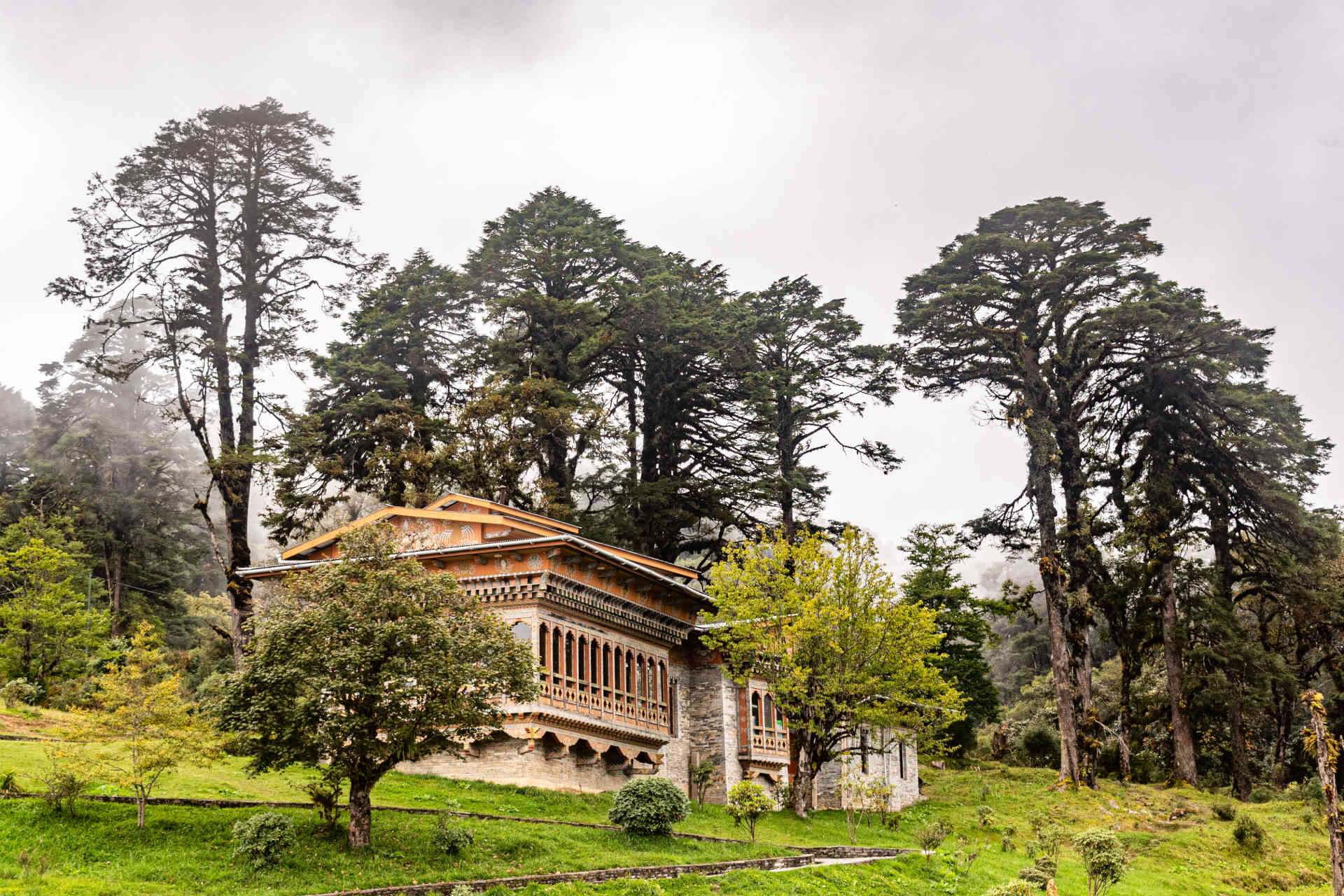
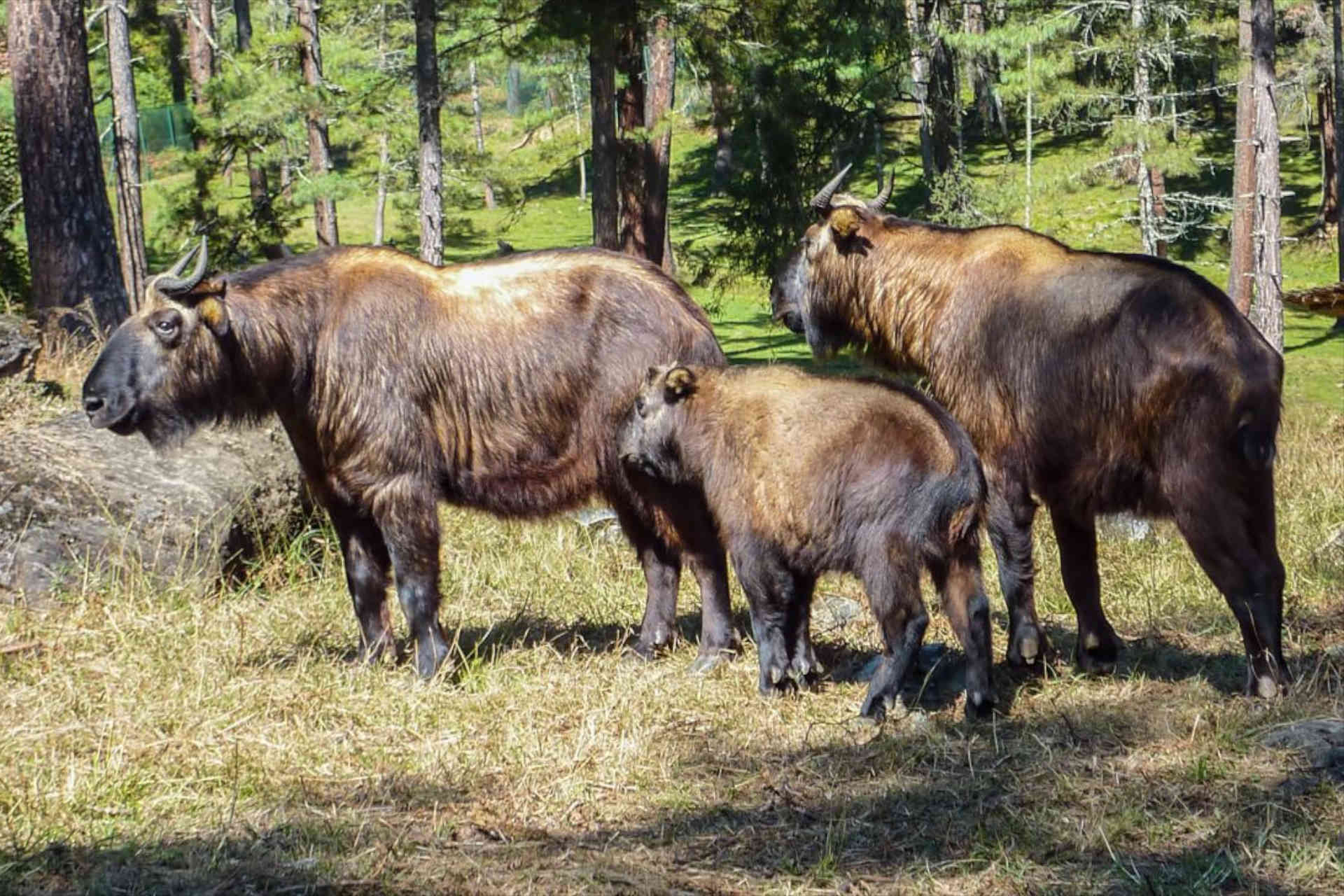
Bhutan is a striking example of the link between species conservation, culture and identity. There, the takin – the country’s national animal – is regarded as a mystical creature, a cross between a goat and a cow. It is not only zoologically extraordinary, but also deeply rooted in Bhutanese culture. For discerning wildlife travellers, Bhutan thus offers an alternative to traditional safari destinations: quieter, more spiritual, more unspoilt. An encounter with the takin demonstrates just how much cultural significance biodiversity can hold.
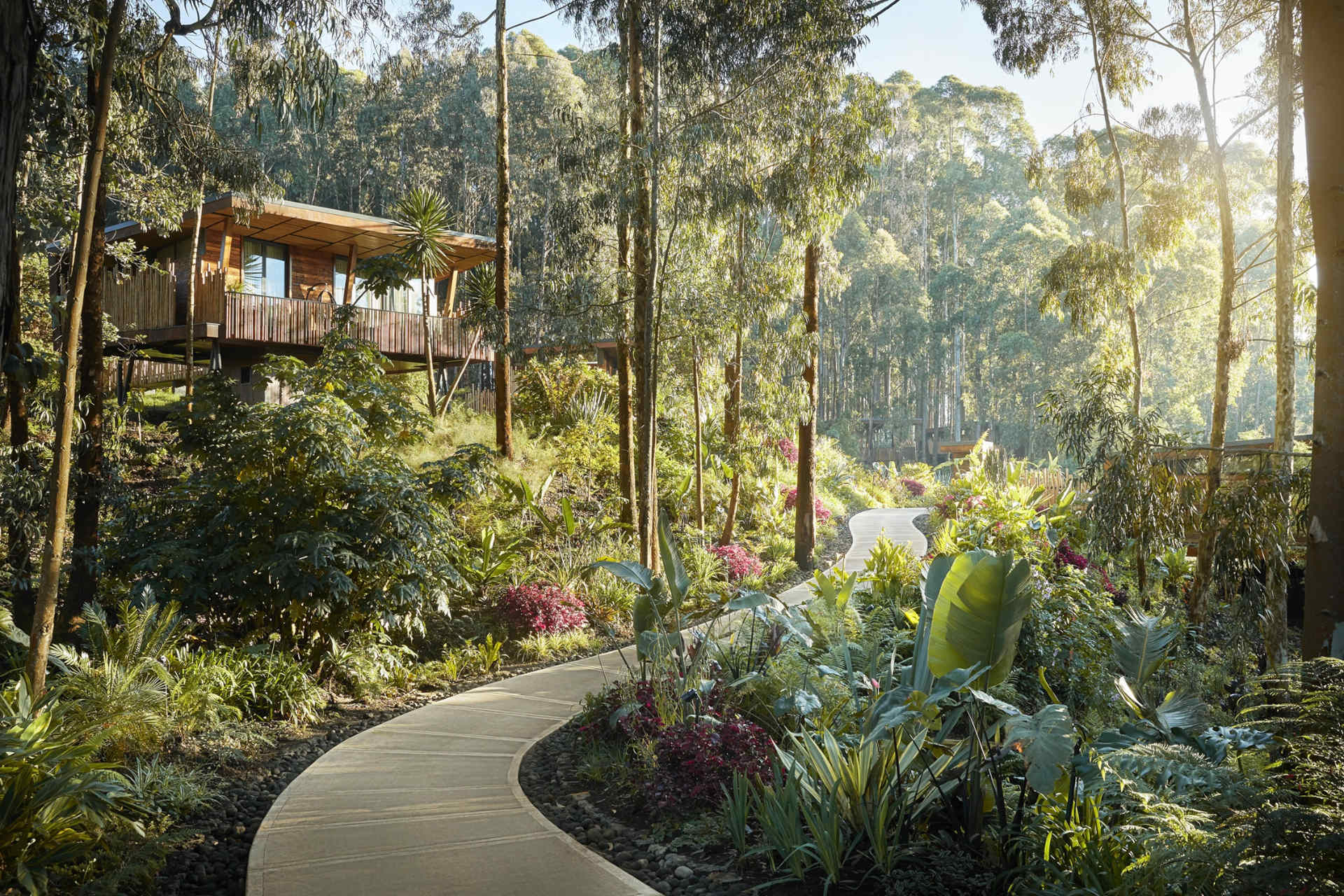
The mountain gorillas in Rwanda, too, are more than just an iconic species. In the vicinity of Volcanoes National Park and near the One&Only Gorillas’ Nest, it becomes clear what role they play in the rainforest. By eating fruit, they disperse seeds and promote the regeneration of the forest. Their conservation therefore means not only protecting a single species, but safeguarding an entire ecosystem.
Biodiversity as a guest’s source of knowledge
A particularly fascinating aspect for the industry: effective species conservation programmes make guests more knowledgeable. Anyone who understands why the hornbill is regarded as ‘nature’s gardener’ sees the rainforest in a different light. Anyone who knows that turtle nests need to be monitored no longer sees the beach merely as a backdrop. Anyone who learns why dolphin watching requires keeping a safe distance travels more mindfully.
At The Datai Langkawi in Malaysia, the hornbill takes centre stage. The resort supports the protection of breeding sites and the regeneration of the rainforest through habitat restoration measures. Guests can explore the birdlife alongside naturalists and ornithologists. The result: a stay becomes a learning experience.
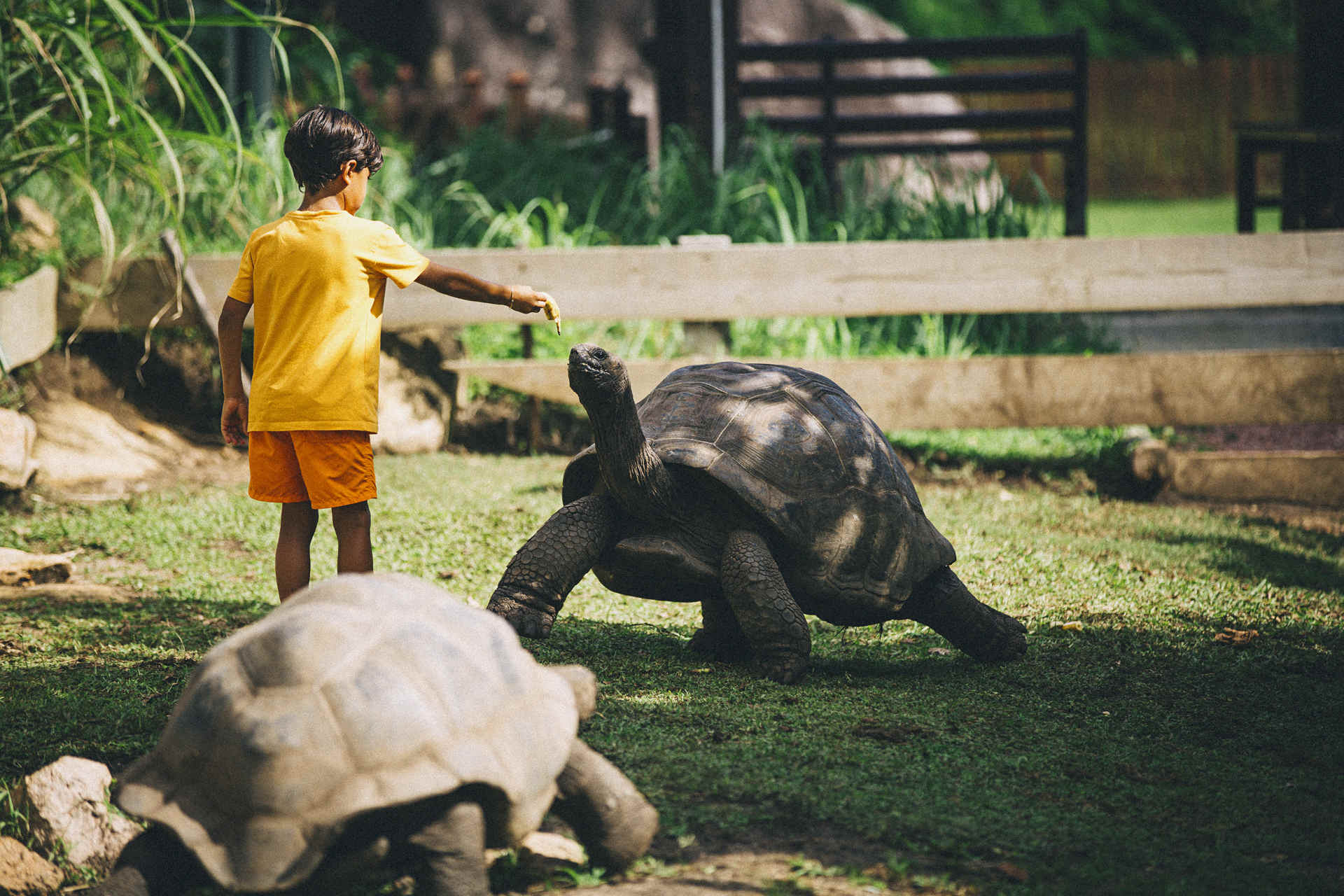
In the Seychelles, meanwhile, guests at Raffles Seychelles can encounter Aldabra giant tortoises in a protected sanctuary. These animals, which can live well over 100 years, symbolise longevity – a concept often used in the hospitality industry’s sustainability communications, but one that is actually visible here.
Why biodiversity is economically relevant
For the hotel industry, tourism and luxury travel providers, this provides a clear impetus for the sector: biodiversity is ethically important and economically relevant. This is because modern travellers are increasingly looking for authenticity. They want to know whether a resort is merely using nature as a marketing tool or is actually taking responsibility. Conservation projects, local partnerships, scientific oversight and transparent communication are thus becoming key differentiators.
Guests expect more than just pretty pictures. They expect a stance. Sustainability must become measurable, traceable and tangible. Wildlife experiences require clear rules, professional guidance and educational value. Furthermore, hotels can position themselves more strongly through species conservation if their commitment is authentic. Biodiversity thus becomes the link between experience, responsibility and brand identity.
The new formula for luxury tourism
The luxury tourism of the future will not be defined solely by architecture, service, cuisine or spa facilities. It will be defined by whether a destination preserves something greater than its own offering. The new formula is therefore:
Experience + Knowledge + Responsibility = sustainable tourism.
A resort that takes guests to see humpback whales must explain why these animals are important. A hotel on a coral reef must demonstrate how it protects that reef. A safari lodge must prove that wildlife viewing is linked to species conservation and local communities.
Our conclusion: species conservation is the new currency of travel
Whether it’s humpback whales in Mexico, dolphins in the Adriatic, pangolins in South Africa, mountain gorillas in Rwanda, hornbills in Malaysia or coral in the Maldives: the best projects show the direction in which responsible travel is heading. It is no longer just about experiencing nature. It is about understanding, protecting and preserving it for the long term.
For the industry, this sends a clear message: biodiversity is not a trend. It is the foundation of every destination and, therefore, also the foundation of credible, modern luxury tourism.
About Alexandra Gorsche
Alexandra Gorsche is an Austrian food journalist, moderator, speaker, consultant and culinary voice with a strong focus on fine dining, hospitality and contemporary restaurant culture. She is editor-in-chief of Genusspunkt, responsible for the culinary direction of stayinart and contributes to renowned publishers and media brands such as Callwey Verlag. Her work explores the intersection of gastronomy, culture, design, travel and entrepreneurship from Michelin-starred restaurants to emerging food trends, chefs and hospitality concepts.