
Legume trend conquers the markets: Austria and Germany compete with Denmark and France for the plant-based protein of the future
Pulses are on the rise worldwide and are becoming increasingly popular as a sustainable source of protein and a basis for plant-based food alternatives. Germany and Austria in particular are increasingly turning to the cultivation of domestic pulses in order to meet the growing demand for regional and environmentally friendly products. But what about the availability of these products on the market and what role does the European comparison play in this change? A look at trends, challenges and international approaches shows the potential of domestic pulses - for climate, health and nutrition.
The importance of pulses in the modern diet
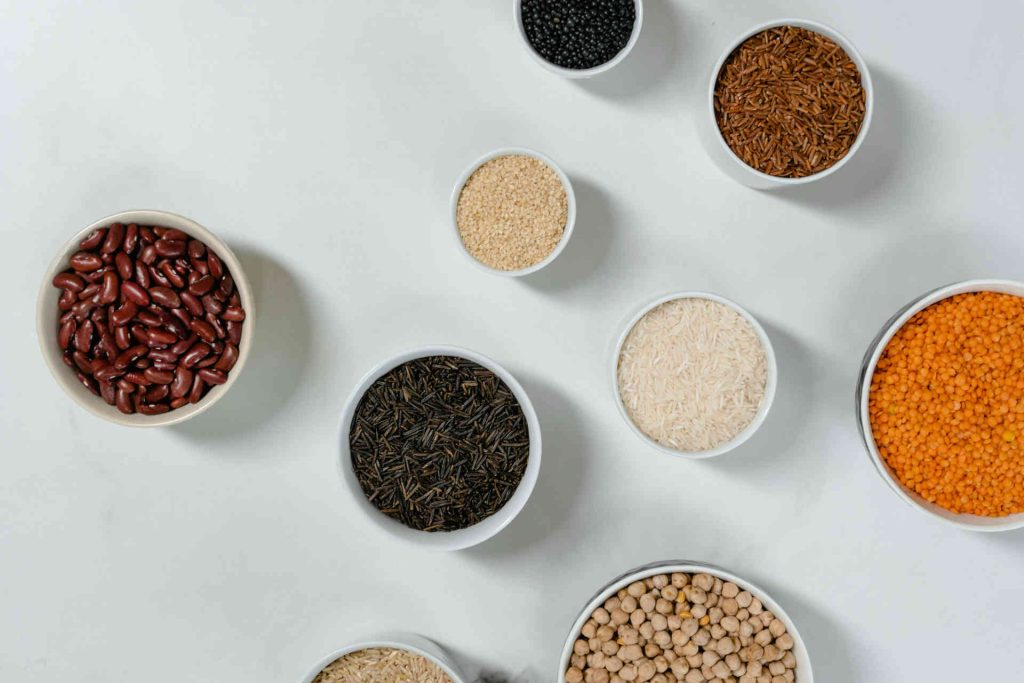
Pulses are considered versatile and nutritious foods with a high protein and fiber content. In addition to soybeans, chickpeas and lentils, lesser-known varieties such as lupins and field beans also belong to this plant family. Their nutrient profile makes them a popular ingredient in vegetarian and vegan cuisine and also offers healthy alternatives for meat lovers. Nutrition experts such as Sandra Holasek from the Medical University of Graz recommend consuming pulses at least three times a week - a recommendation that is increasingly in line with international nutrition trends. The “Planetary Health Diet”, for example, considers a daily consumption of around 75 grams of pulses to be ideal for a healthy and environmentally friendly diet.
Sustainability and climate protection through regional production
The production of local pulses not only offers health benefits, but also ecological advantages. Their ability to bind nitrogen from the air enriches soil quality and reduces the need for synthetic fertilizers. In Germany and Austria, agricultural initiatives are promoting the cultivation of soybeans, lentils and other legumes. Even though the cultivation of these crops has grown significantly in recent years, the majority of pulses sold in supermarkets still come from abroad, as a store check by the Styrian Chamber of Agriculture shows: around 68 percent of pulses available in stores have an international origin or are not clearly labeled.
International perspectives: a comparison of pioneers and challenges
While Germany and Austria are still expanding the production of domestic pulses, other European countries such as Denmark and France are already further ahead. These countries offer domestic producers better framework conditions such as guaranteed purchase security and financial incentives. These are factors that are also urgently needed in Germany and Austria in order to strengthen the trend towards domestic pulses. Denmark, for example, supports producers with a comprehensive support program and therefore has a higher availability of regional products on the market.

The rise of innovative products: More than just lentil soup
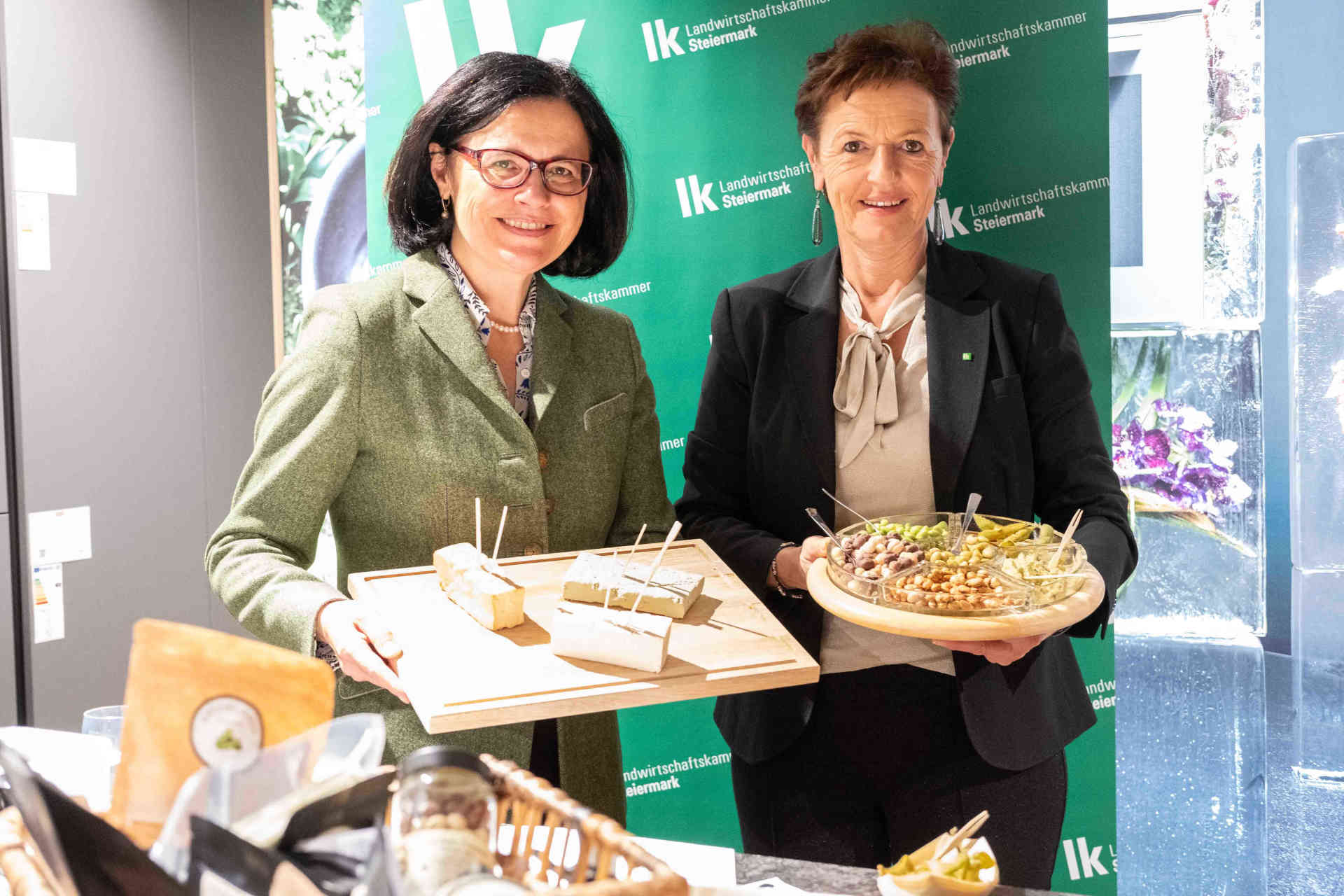
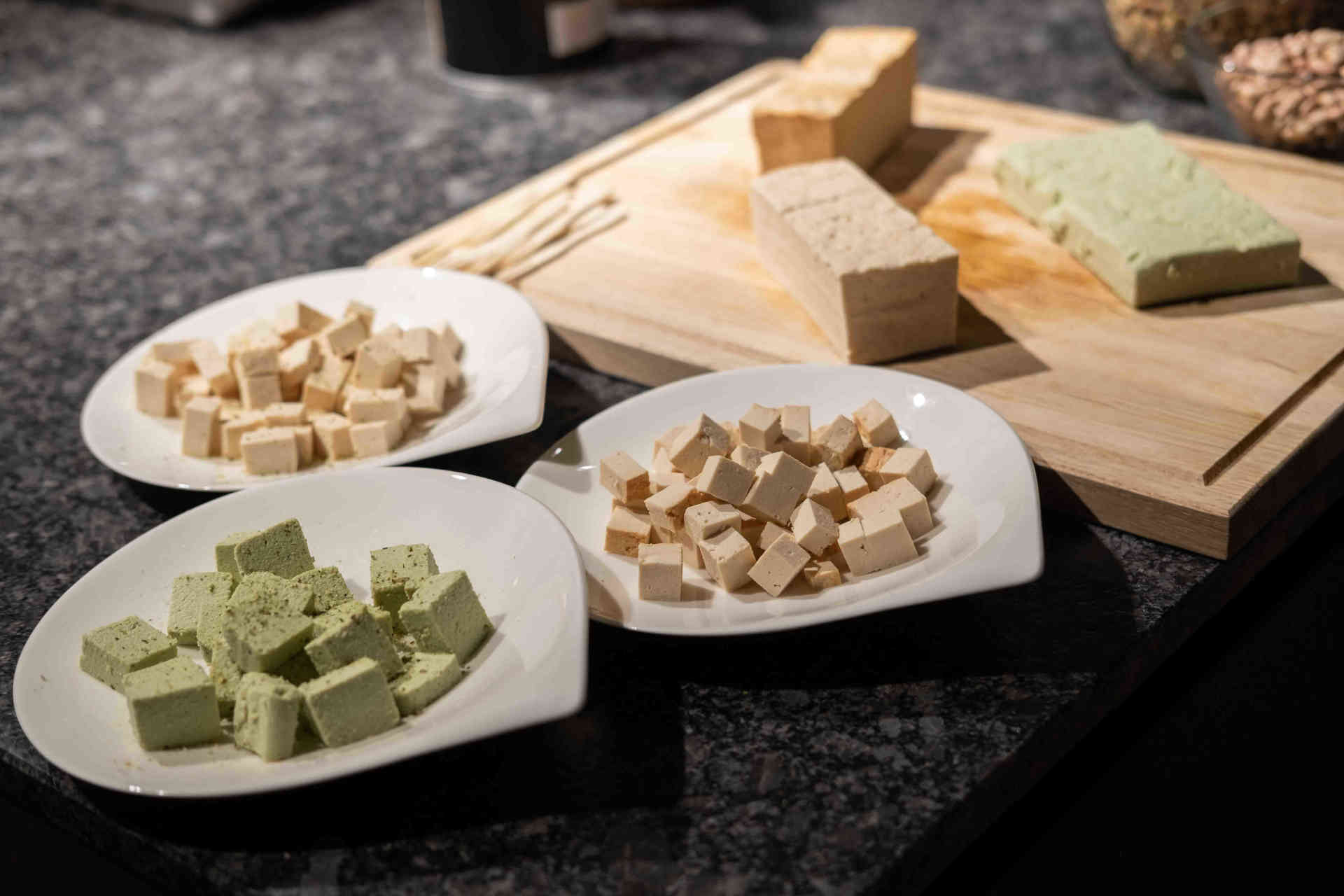
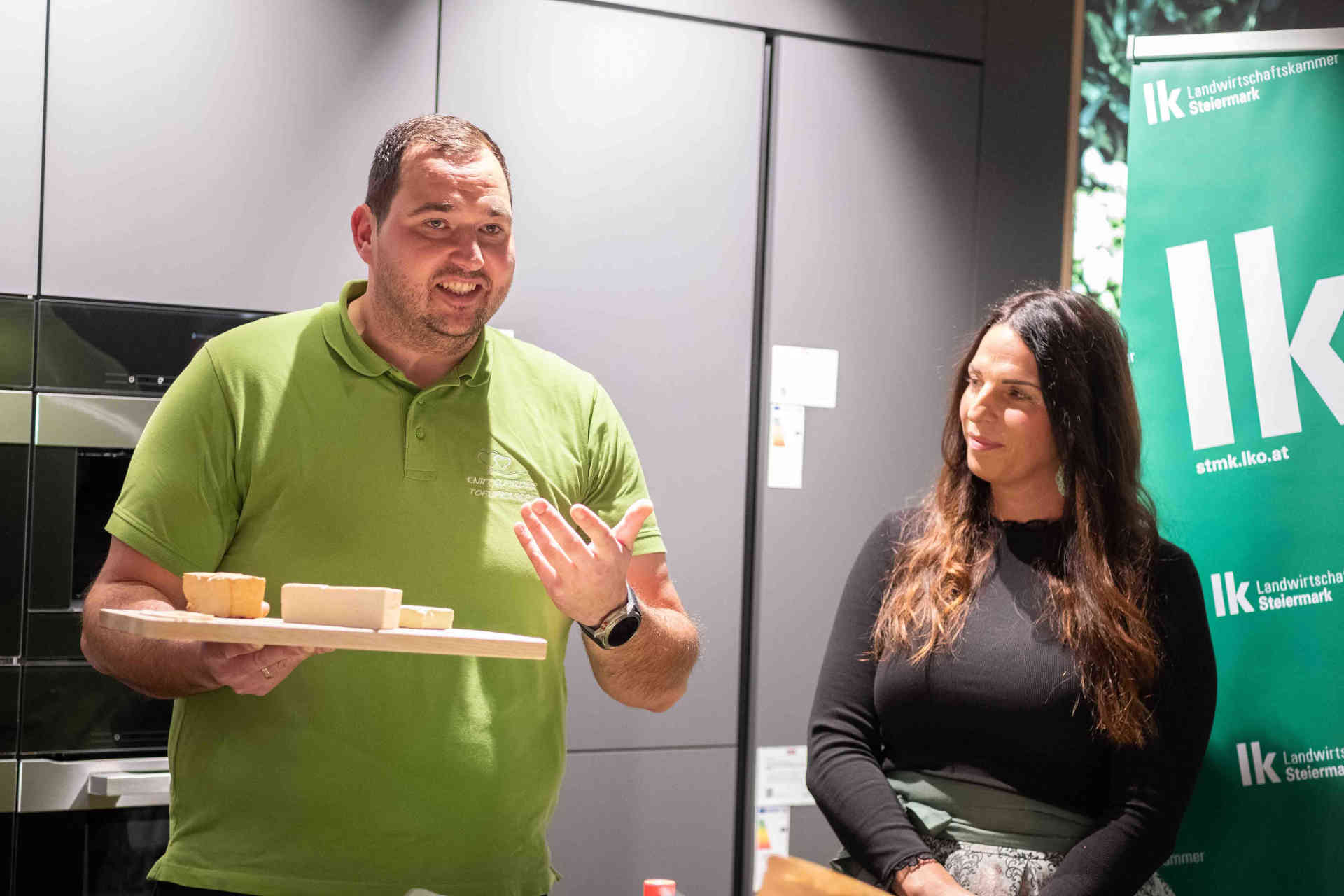
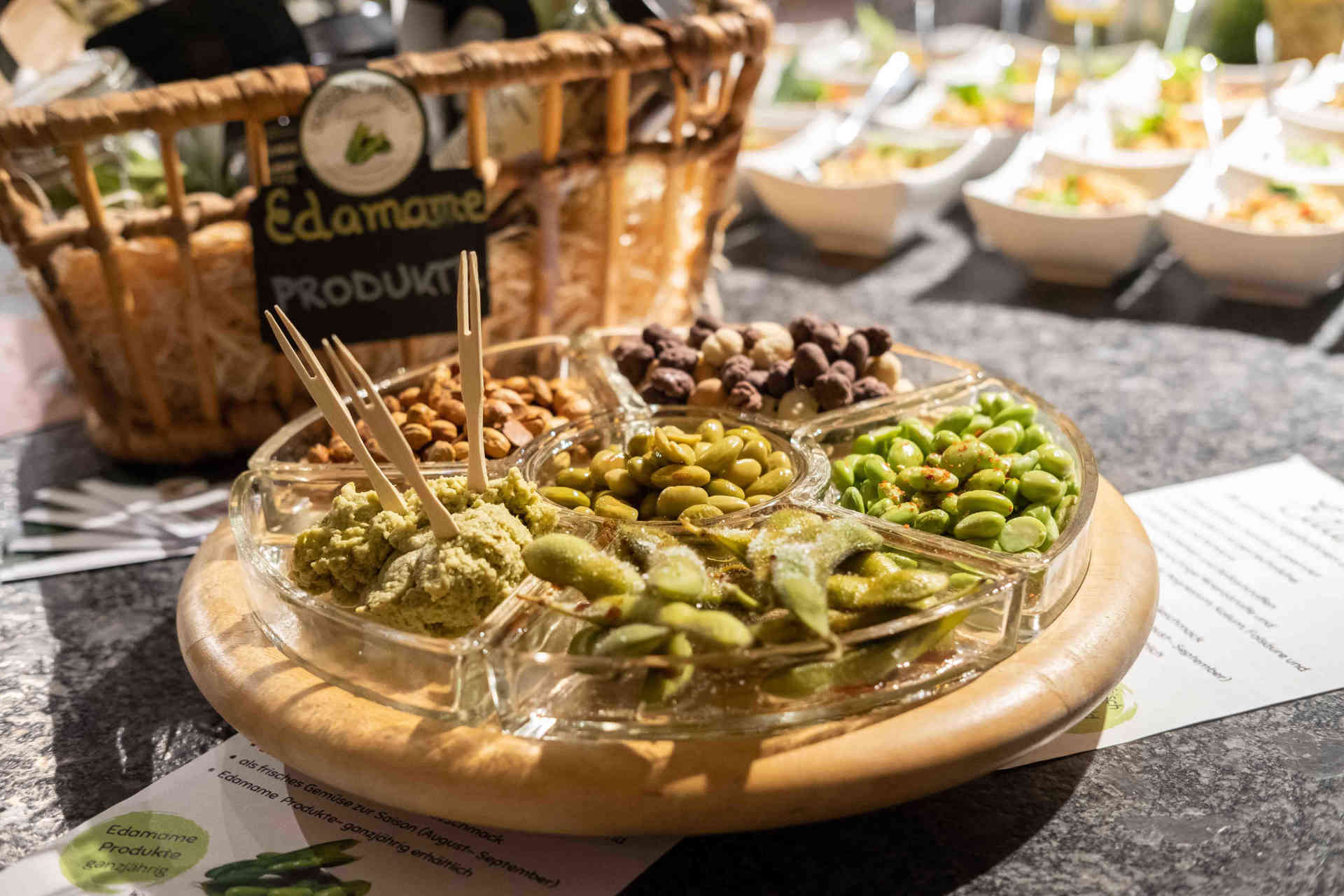
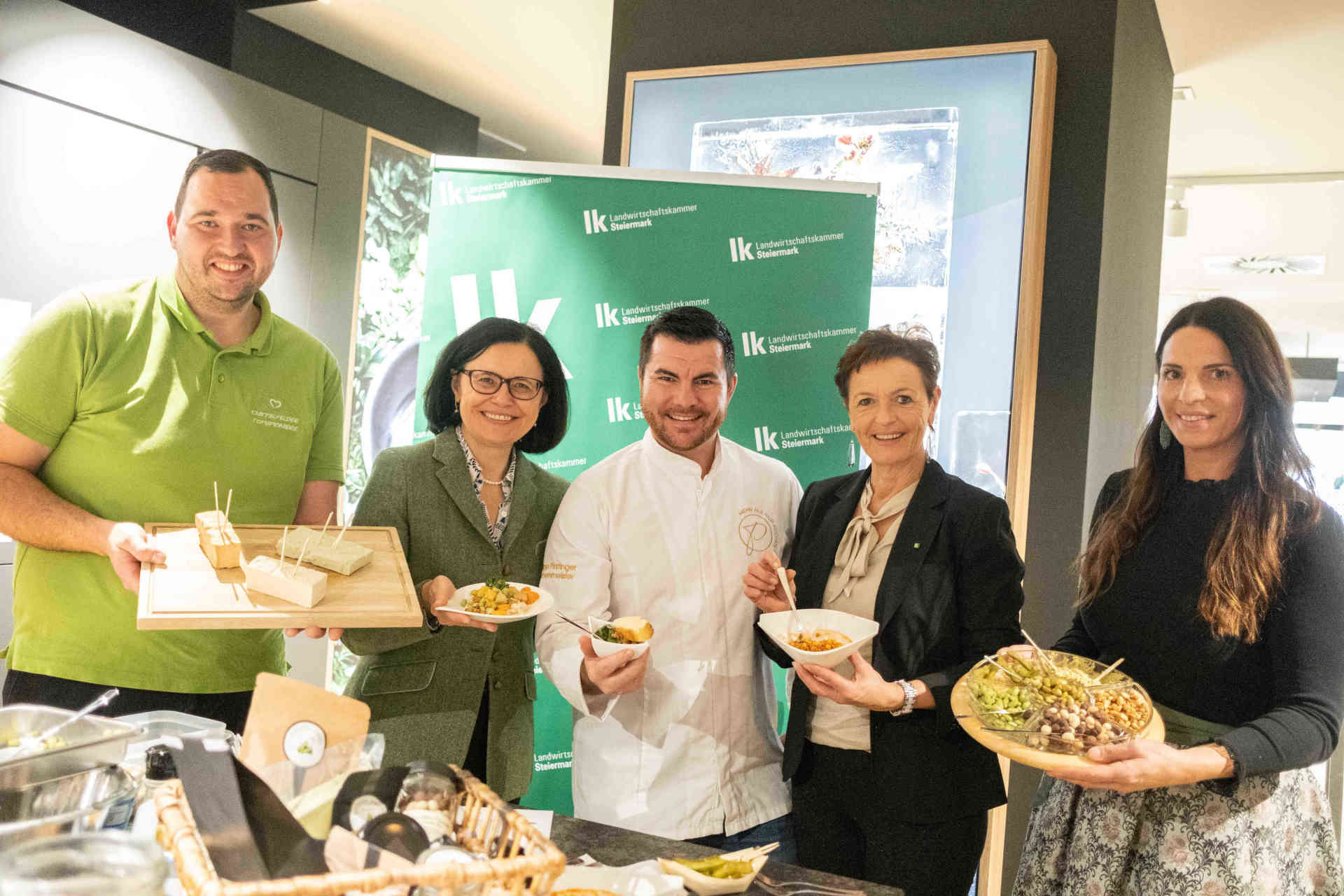
With the trend towards sustainable, plant-based foods, the variety of pulses products is also growing. In addition to classics such as hummus and stews, there are now pasta, rice and couscous based on lentils or chickpeas. Plant-based meat alternatives such as pea protein burgers and soy tofu are gaining in popularity and are available both in specialist shops and supermarkets. Regional producers such as Denise Janisch and Christoph Knittelfelder from Styria are also focusing on the cultivation and direct processing of soybeans into edamame snacks and tofu.
Challenges of domestic agriculture
The introduction of domestic pulses into everyday cooking is not without its hurdles. Many farmers need cost-covering prices and long-term purchase guarantees to make the cultivation of pulses economically attractive. While more comprehensive incentive systems for regional cultivation have already been created internationally - for example in Denmark or France - Germany and Austria are still lagging behind in this respect. It is to be hoped that the increasing demand for plant-based protein sources will lead to greater support for domestic producers.
How is the legume trend affecting the food service industry?
The legume boom is also leaving its mark on the food service industry. More and more restaurants are turning to legume-based dishes to meet the growing demand for plant-based protein sources and make a sustainable contribution at the same time. From chic city restaurants to down-to-earth country eateries, menus are becoming more diverse: dishes with lentils, chickpeas or beans not only add a creative touch to the menu, but also appeal to diners' growing awareness of sustainable nutrition. New interpretations of well-known classics such as the lentil burger or the vegan chickpea curry are being created - a development that not only meets the taste, but also the zeitgeist.
In addition, more and more chefs are focusing on regional products and working directly with farmers to source locally grown pulses. This proximity to agriculture allows restaurants to offer guests high-quality, fresh ingredients while promoting awareness of the ecological importance of these plants. In many restaurants, the issue of sustainability is actively integrated into communication, making pulses not only a matter of nutrition but also of corporate image.
Our conclusion for the future
The increasing popularity of pulses reflects consumers' growing demand for a sustainable and healthy diet. Germany and Austria have taken important steps in recent years to strengthen domestic production. But an international comparison shows: The comprehensive success of this trend requires targeted political support and a rethink of agricultural policy.
In the future, pulses could play an even more central role in nutrition and lay the foundations for a more climate-friendly agricultural sector. By expanding cultivation and improving market conditions for domestic producers, Germany and Austria could become pioneers in the field of sustainable protein supply. This would not only strengthen regional value creation, but also make an active contribution to climate protection.