
Tea Time 2.0: Between scones and storytelling
British afternoon tea is more than just a beautifully set table: it is an expression of hospitality, enjoyment, and cultural depth. At a time when slow living is regaining value, tea time is finding its place between sustainability, sensory experience, and international food styling.
In Germany, Austria, and Switzerland, numerous restaurants are picking up on the trend: whether in historic buildings such as the Hotel Bristol Vienna or in the modern setting of Omas Teekanne in Graz, afternoon tea is being curated, staged, and in some cases even reinterpreted. Instead of sweet nostalgia, guests today can often expect a multi-layered experience with regional ingredients, sustainably grown teas, and food pairings ranging from classic to experimental.
Market & consumption: Tea as a global lifestyle beverage
Tea is the world's most consumed beverage after water. Black tea in particular remains at the top globally, while fruit and herbal teas dominate the market in Germany. Millennials and Gen Z show strong interest, with around 87% consuming tea regularly. Global tea production continues to increase: green tea will exceed 2.9 million tons in 2025.
Particularly exciting for the industry is the growing desire for authenticity and depth. This is also reflected in the rise of tea bars, bubble tea stores, and signature tea pairings.
Expertise for professionals: training to become a tea sommelier
Anyone who wants to not only serve tea but also present it in the best possible light can now complete in-depth training courses throughout Europe. Whether at the Berlin Tea Academy, the Ronnefeldt Tea Academy, or via flexible online formats such as Teeakademie.ch, professionals from the catering and hotel industries not only gain sensory expertise but also learn how to delight guests.
Aspiring Tea Specialists and Tea Masters® learn, for example:
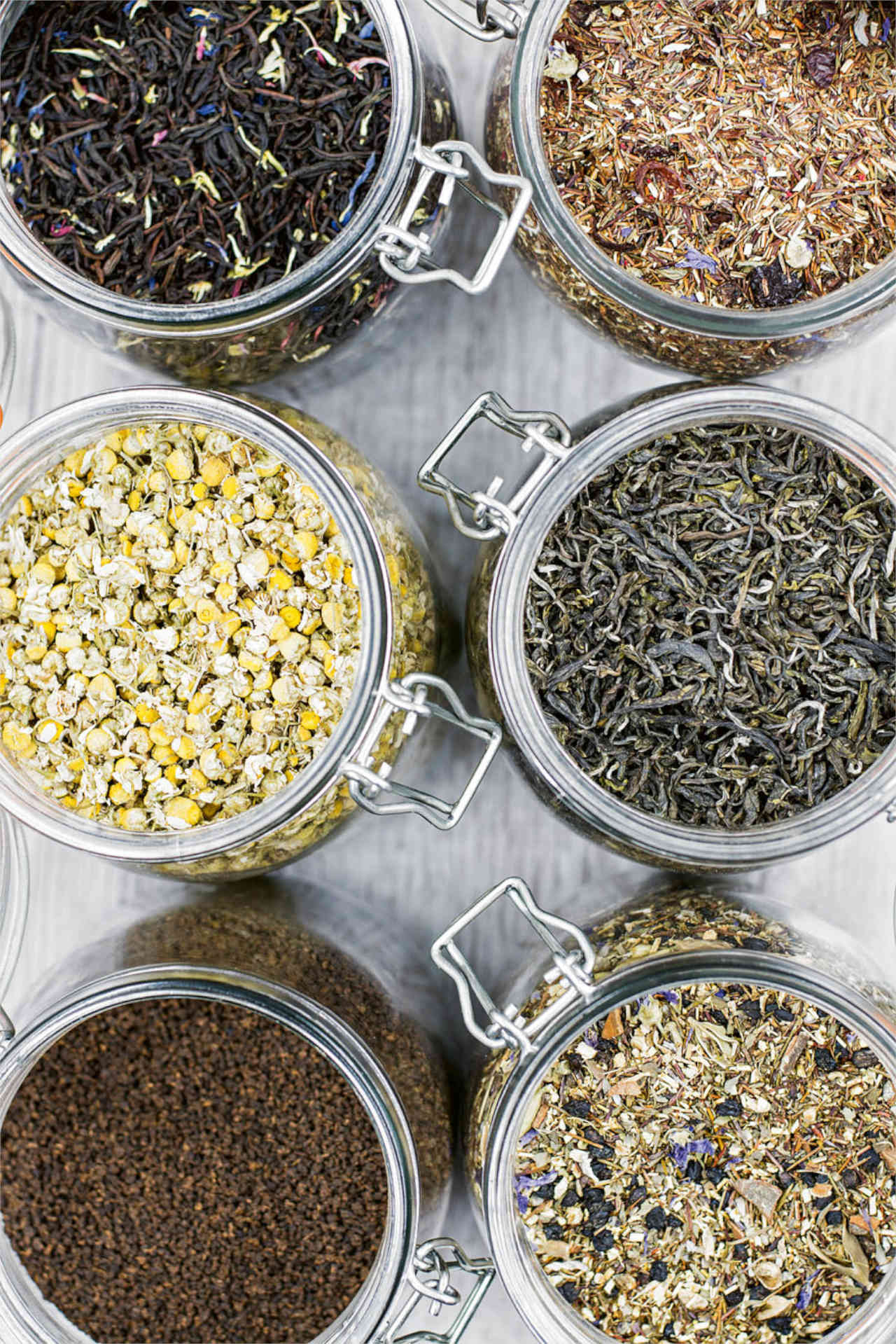
- The differences between Pu Erh, Oolong, Matcha, and other teas.
- The effect of water quality and preparation.
- Pairing tea with food.
- Tea service as an experience.
For hotel businesses, this provides a USP that strengthens their culinary offerings and brand positioning.
Decoration & presentation: Setting the stage for a stylish tea time
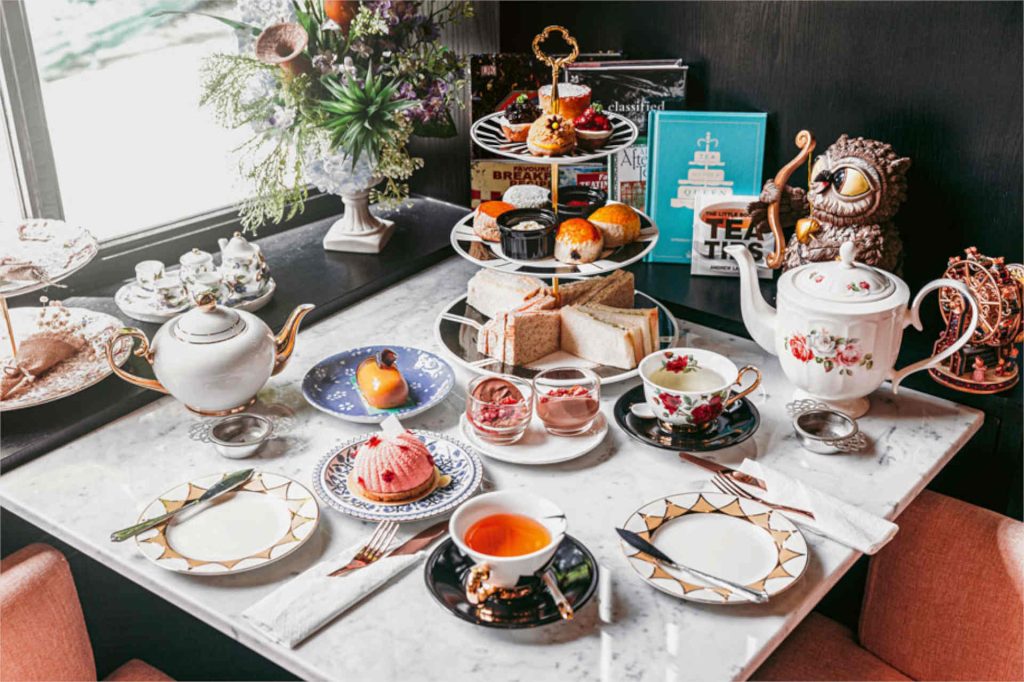
A high-quality tea time doesn't begin with the first infusion—it begins with the first impression. Whether at a classic dining table or in the lounge, the design of the tea table is an essential part of the overall experience. If you want to offer your guests more than just scones and black tea, you should also add some visual accents. Here are a few staging ideas for hosts in the hotel, catering, or event design industries:
- Classic elegance
White or floral porcelain combined with a silver tea set creates a look reminiscent of grand hotels. A starched tablecloth, small flower arrangements, and warm candlelight create a cozy atmosphere. The food itself provides colorful accents: Sandwiches with salmon, cucumber, or egg, bright jams, colorfully glazed tarts, and macarons look like little works of art. - Color-curated
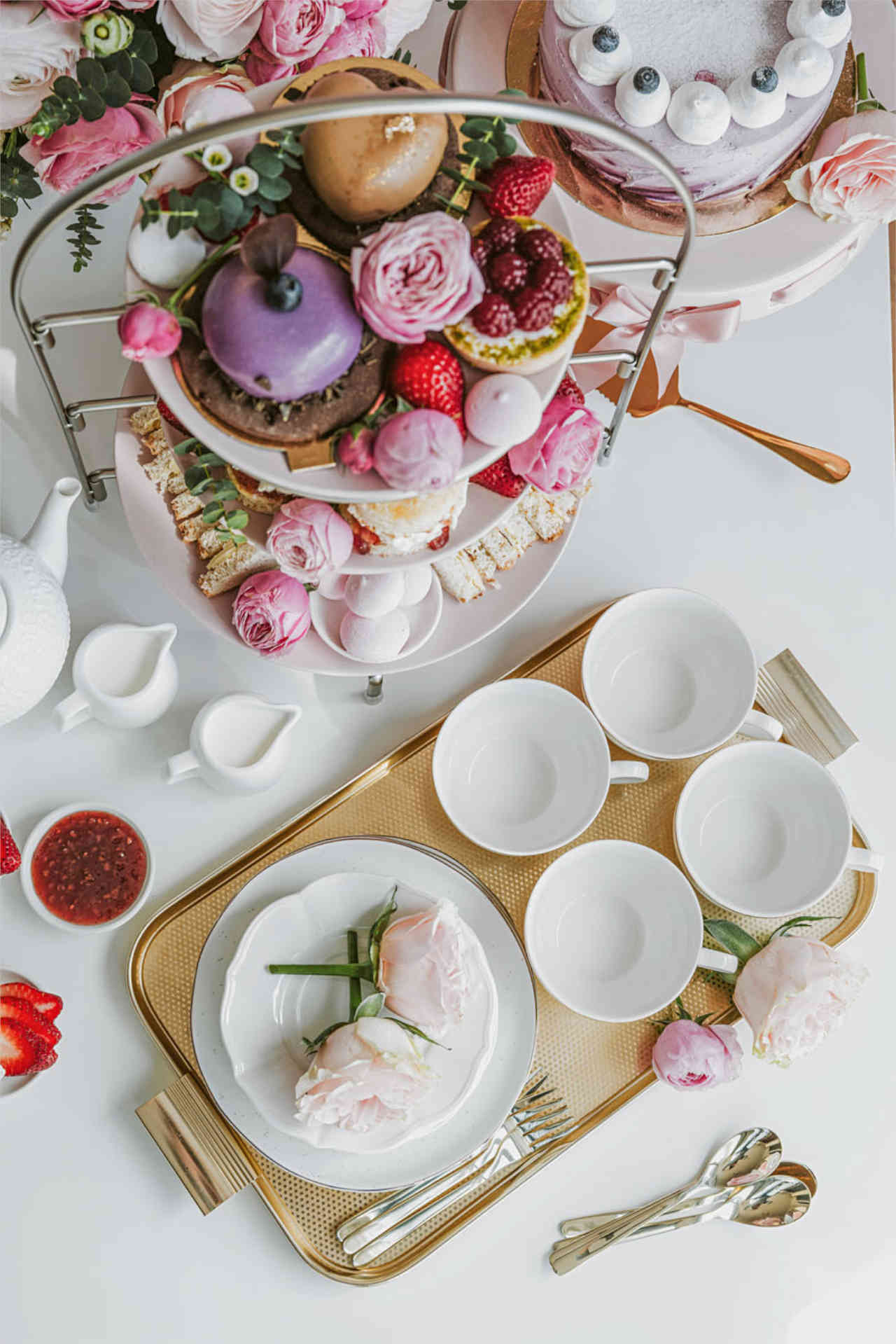
If you want to work with color concepts, you can stage entire tea time experiences in pastel shades, black and white, gold, or seasonal palettes. From napkins to pastries to floral decorations—everything can be coordinated. Bold hosts also use pom-poms, garlands, or vintage elements. - Seasons & themes
Theme-specific arrangements create a sense of closeness and recognition. Whether it's pumpkin chai latte in autumn, cinnamon pastries in winter, or berries and wildflowers in summer—every season offers sensory and visual anchor points. In spring, a garden setting is inviting; important here: a water station and a sturdy tray for outdoor service. - Humorous & immersive
A playful approach can also be effective, especially for private events or unusual afternoon tea offerings: name cards such as “Lady Alexandra,” tea dresses, or an “Alice in Wonderland” setting with hat-shaped petit fours, vintage pocket watches, figurines, and labeled tags (“Drink me”) turn tea time into an event. - Tea trolley as a stylish tool
A tea trolley is not only a charming decorative element, but also a functional highlight in service. Whether in an Art Deco look, Scandinavian minimalist style, or industrial style—the tea trolley is back. Important: Pay attention to the height, depending on whether it is for a lounge or restaurant setting. When not in use, it can also be used as a bar trolley or decorative stage.
Tea Rooms: A selection of stylish locations in the DACH region
Whether luxurious, classic, or modern, these locations demonstrate how elegantly tea time can be enjoyed:
Germany
- Waldorf Astoria, Berlin – Library with a view
- Eaton Place, Hamburg – Pure British lifestyle
- Bülow Palais, Dresden – From green tea to clotted cream
Austria
- Bristol Lounge, Vienna – noble tradition in the center
- Madame Wu, Linz – Chinese-inspired, vegan on request
- Goldener Hirsch, Salzburg – afternoon tea on the terrace
Switzerland
- Victoria Jungfrau, Interlaken – étagère with mountain views
- Teahouse Umami, Cham – over 100 types of tea & style
- Carlton Hotel, St. Moritz – fireplace, snow, and fine tea
Inspiration from the motherland of tea time
If you're planning your own tea room or want to take your afternoon tea offering to the next level, there's no getting around Great Britain. Here, tea time isn't just a time of day—it's part of the cultural DNA.
Whether classic, playful, rustic, or luxurious, England, Scotland, and other parts of the UK offer the perfect model for every style. The following addresses provide pure inspiration for hosts who want to rethink atmosphere, selection, and authenticity. And for those who want to travel there themselves, current offers, reservation tips, and a tea room finder can be found at
Five stylish tea rooms in Great Britain
- Claridge’s, London
Pure luxury and guardian of tradition: afternoon tea in the Claridge’s foyer is an experience for all the senses – including the house blend (“Claridge’s Blend”) and specialities from across the kingdom. - The Feathered Nest, Cotswolds
A modern country inn with panoramic views of the Cotswolds hills. The presentation is minimalist and elegant, the food pairing regional – a place for slow luxury. - Mrs Knott’s Tea Room, Dover
A lovingly staged retro dream in 1950s style – with vintage service, homemade cakes and a decorative teapot collection. Ideal for hosts with a penchant for storytelling. - Boscundle Manor, Cornwall
Cornwall's interpretation of afternoon tea: artful, heartfelt, and with a clear stance on the eternal “scone question” (jam first, then clotted cream). A role model for concept-driven boutique hotels. - Harrods Tea Rooms, London
A classic with the highest standards – from presentation to dress code. Afternoon tea here is luxurious down to the last detail, with options for all dietary requirements (gluten-free, vegan, nut-free).
Our conclusion for the future:
Tea is no longer a side issue. Anyone who wants to offer guests an experience should treat the subject with the same care as coffee or wine. Tea time can become a signature moment – stylish, interpreted regionally, and served with genuine knowledge. The future is not only green – it is infused.
From Genusspunkt 3/2025