
Alcohol-free in the restaurant trade
Alcohol-free is no longer a trend, but part of a new gastronomic self-image. This is also reflected in product development at Spitz. “We are seeing a clear decline in alcohol consumption - not only in the private sector, but also in the food service industry,” explains Sebastian Libiseller, Sales Manager for the HORECA division. Instead of cola or classic fruit juice, the aim in Attnang-Puchheim is to establish new ideas with a sophisticated taste: non-alcoholic aperitifs that come close to the original in terms of appearance and taste - without compromise.
Reliable and versatile: the new Aperitivo syrup
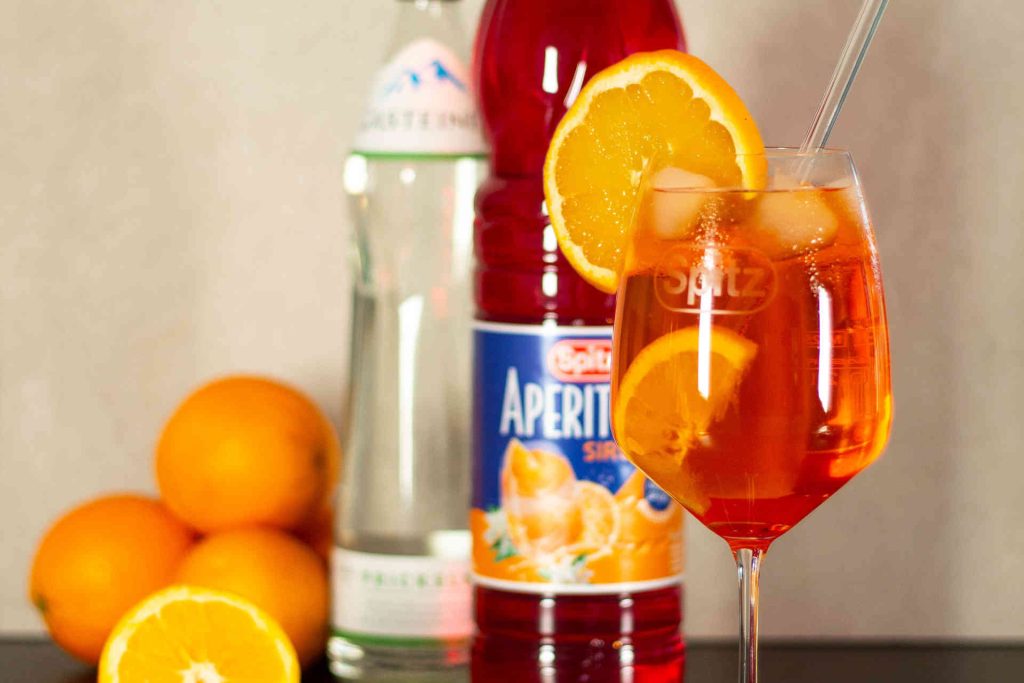
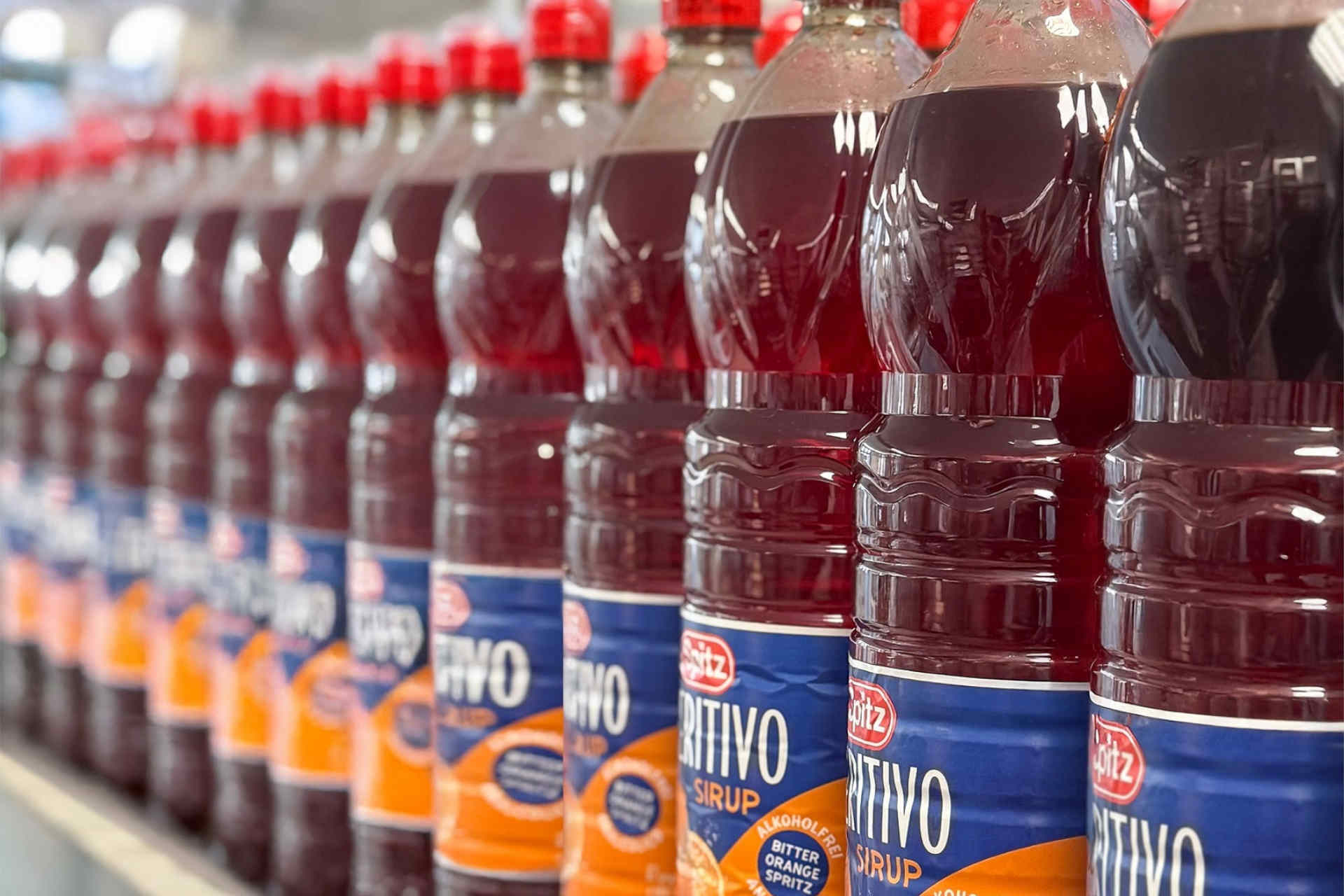
At the heart of the latest innovation is the new Aperitivo syrup, which was launched just in time for the start of spring. “Our aim was clear: to create an intense-tasting but easy-to-use alternative to the classic aperitif,” says Libiseller. The result: a syrup with an intense bitter orange note that can be infused 1:7 with soda or tonic - or creatively developed further, for example for low-alcohol signature serves.
But it wasn't just the taste that was decisive: “Reliability is the be-all and end-all for our customers. Whether event catering, town halls or communal catering - the drink has to be quick, easy and reproducible,” emphasizes Libiseller. This is where the syrup scores: it saves time, requires hardly any personnel resources and is ready to serve immediately - including a real “Italian summer feeling” in the glass.
Mandatory instead of optional - even at the hut
Non-alcoholic enjoyment has long been established in upscale gastronomy - but what about in other areas? For Libiseller, one thing is clear: “In traditional gastronomy, it's long been mandatory. Whether it's a burger joint or a ski lodge - today's guests expect a high-quality alcohol-free alternative that doesn't taste like they're giving up.” The need is there, and often it's even a matter of not realizing that there is no alcohol involved. This is exactly where Spitz comes in.


If the presentation is right, so is the contribution margin
The non-alcoholic aperitif also pays off economically: “We want to give restaurateurs a product that offers their guests real added value. If the presentation is right, then the price is right too - and so is the contribution margin,” emphasizes Libiseller. The syrup should fit flexibly into existing menus and offer an independent taste experience - visually appealing, with a familiar taste.
Outlook: This is just the beginning
Spitz is already thinking ahead: the non-alcoholic line is to be expanded further - with inspiration from the world of alcoholic classics. “We are keeping a close eye on developments. Precisely because we know how strongly this category is growing, one thing is clear: the non-alcoholic aperitif is here to stay. And we still have plenty of ideas in the drawer.” And in private? How does the Sales Manager prefer to drink his non-alcoholic aperitif? “The classic way - with soda, lots of ice and a slice of orange. That's quite enough. If the glass looks good, it works - even without alcohol.”
Our conclusion for the future
The demand for non-alcoholic alternatives is growing - and with it the demand for taste, quality and presentation. Anyone who opts for alcohol-free aperitifs today is not just choosing a trendy additional offering, but a new standard on the drinks menu. The future belongs to those establishments that recognize this: Enjoyment does not need alcohol - but ideas that inspire.