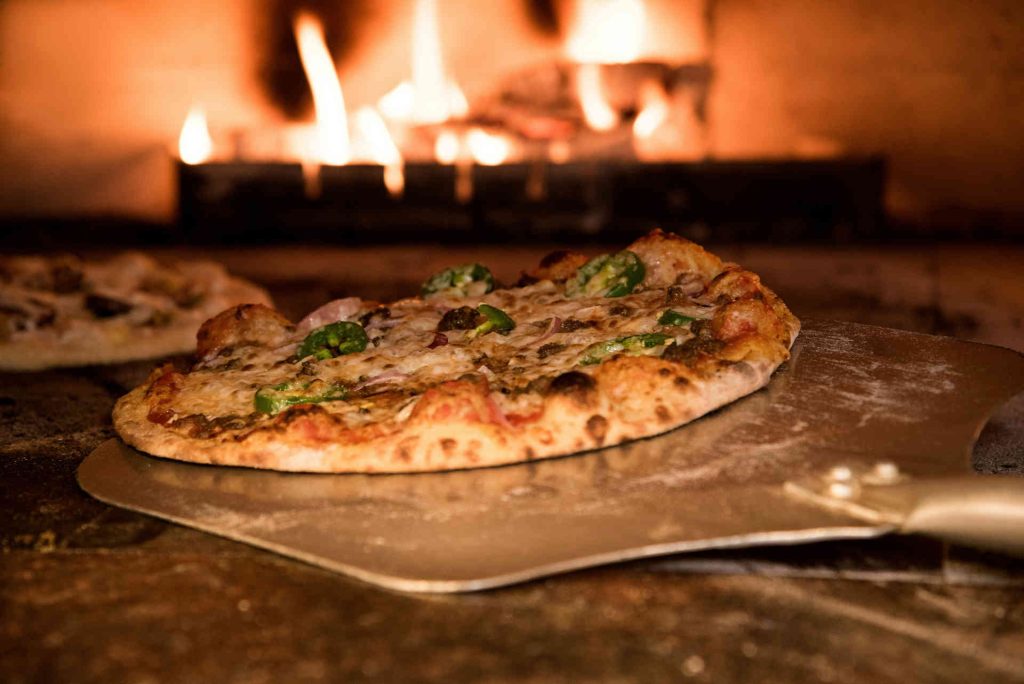

The time of exclusive stone oven pizza is over
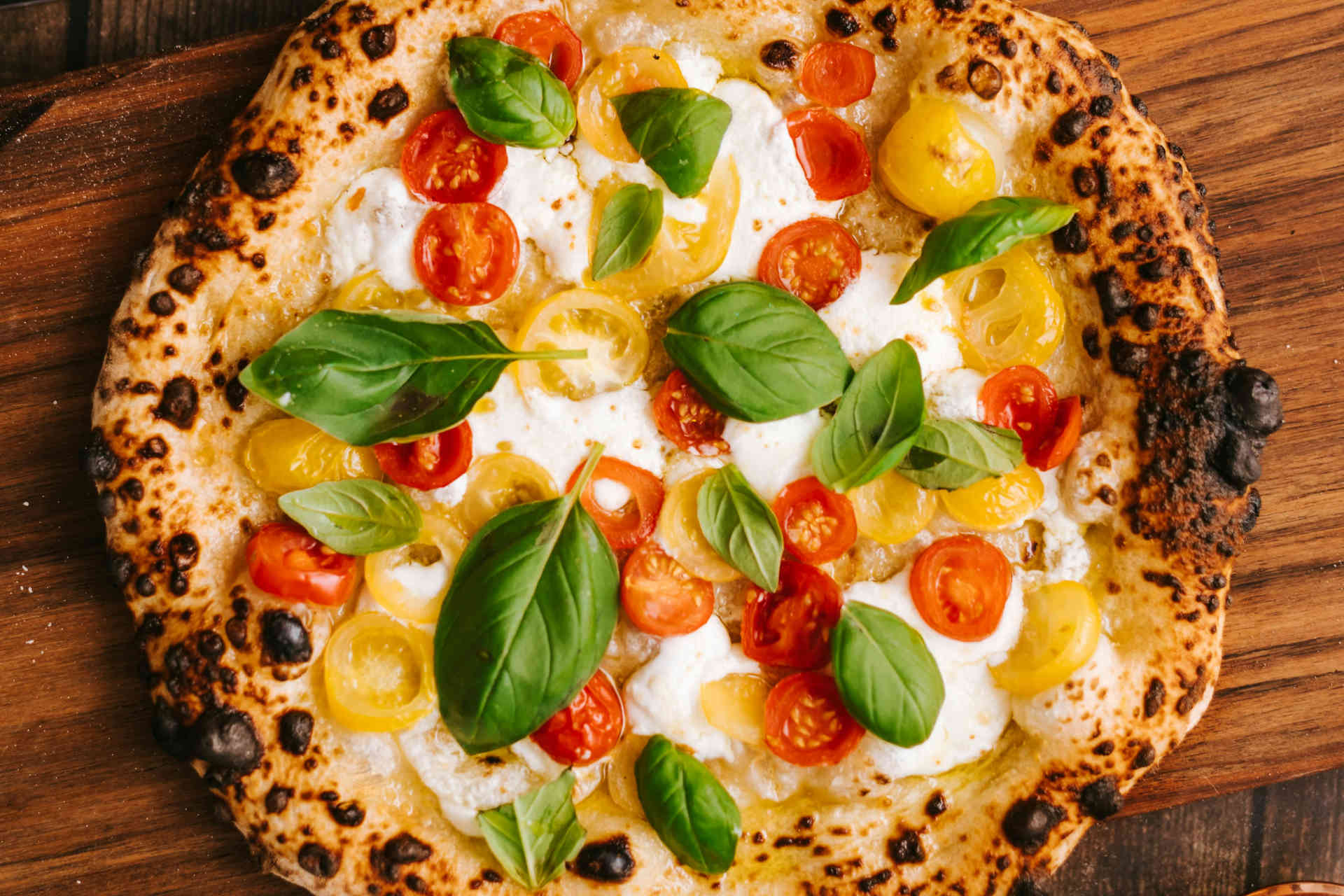
Just a few years ago, it was a challenge to find an authentic stone oven pizza - with a fluffy edge, slightly burnt spots and a juicy interior that was close to an Italian original. The offering in Vienna and other cities is now more diverse than ever before. No matter whether classic or with unusual toppings: the selection seems limitless and the prices are now stable in the upper segment. A simple Margherita now costs ten to twelve euros, while Neapolitan specialties can cost as much as 15 euros. A comparison with Naples, where traditional pizzas are available for five euros, shows that the pizza trend in Austria is a success not only in terms of taste but also economically.
The ceiling has not yet been reached
Although there is already a pizzeria in almost every district of Vienna, the trend has not yet shown any signs of slowing down. However, gastronomy concepts that rely on other types of pizza, such as Roman pizza, are receiving increasing attention. The Austrian market could be increasingly enriched by such alternative pizza styles in the future, similar to how the burger trend has developed in different directions. The so-called Smashburger, for example, only came after the burger boom had reached its peak. When it comes to pizza, however, this diversification may be a long time coming until the market for Neapolitan pizza is truly saturated.
The “monopolization” of pizza culture in the catering industry
The “pizzeriaization” of the Austrian gastronomy scene is not without criticism: Neapolitan pizza can be found almost everywhere, which could lead to a certain monotony in the long term. Restaurants like the traditional “Mader” discovered that trying to be successful in terms of gastronomy outside of pizza doesn’t always work. The demand for authentic Neapolitan pizza is obviously unbroken, and even traditional restaurants are finding the pizza concept a sure success.
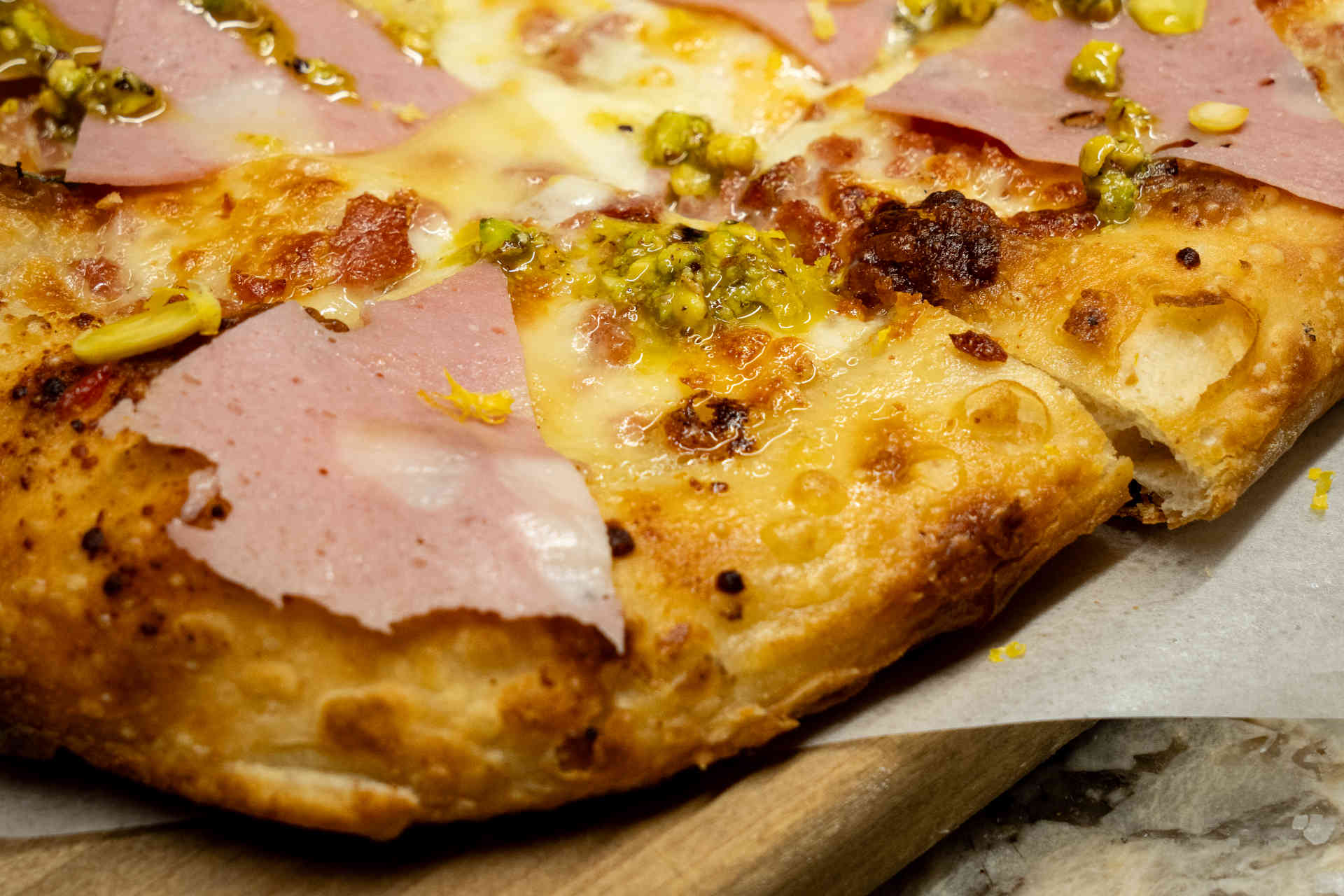
Renaissance of Pizza Romana – A touch of Italy in Austria
While Neapolitan pizza is ubiquitous in Austria, Roman pizza is slowly gaining popularity and could become a serious trend in the next few years. This style of pizza is thinner and often has more experimental toppings. In Italy, Roman pizza has already entered a new era, with innovative pizza makers like Jacopo Mercuro spicing up traditional recipes with creative, modern toppings. Such concepts could also find favor in Austria, especially if the Neapolitan trend passes its peak and interest in variations increases.
Austria's favorite toppings: between zucchini and salami
The fact that pizza is popular in Austria is also due to its variety. A recently published analysis by the Dutch lifestyle magazine Dailybase analyzed search queries in Austria for 50 different pizza toppings. This shows the most popular pizza toppings in Austria and is surprising because the country not only loves classic Italian toppings like salami and mozzarella, but also has a preference for seasonal and vegetarian ingredients. Surprisingly, at the top is zucchini, a topping that pairs particularly well with cheese and other mild ingredients. The top 5 pizza toppings in Austria also reflect the versatility and creative scope of the Austrian pizza culture.
Our conclusion for the future:
Pizza remains, but the variety can grow
Whether Neapolitan, Roman or a creative reinterpretation – pizza has come to stay in Austria. But it is already clear that the market offers space for more diversity. Innovative restaurants that rely on special types of dough, unusual toppings and regional ingredients could bring a breath of fresh air to the pizza scene in the future.