
Summer, sun, smokers: barbecuing remains a fixture
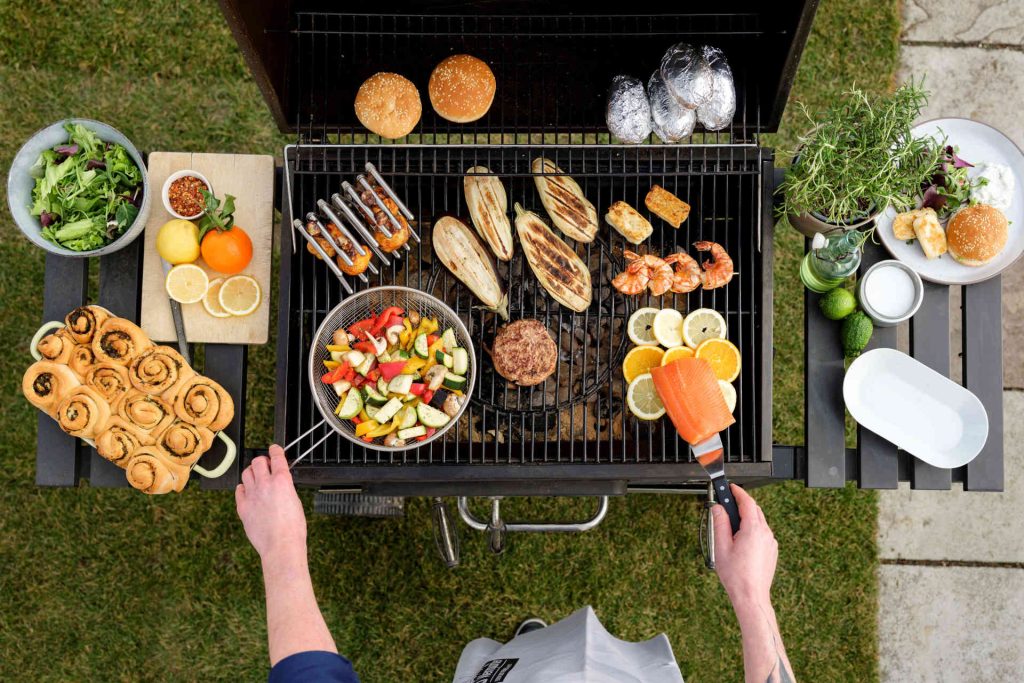
According to the latest Kotányi barbecue study*, barbecuing is a fixed summer ritual for 90% of Austrians. Barbecuing is particularly popular when the sun is shining (55%) or on special occasions (22%). The classic barbecue method remains the charcoal barbecue (52%), followed by the gas barbecue (31%). However, the electric barbecue has also found its place with 17%.
*Source: Kotányi Grill Study 2025, conducted by marketagent, n = 506, Austria, age group 15-59 years
GenZ takes over the grill
The younger generation (15-29 years) is at the grill particularly often: over a third barbecue at least once a week. They are increasingly getting their inspiration from social media - above all Instagram (27%) and TikTok (23%). AI tools such as ChatGPT now also play a role in 7% of recipe searches.
The most popular barbecue trends in 2025:
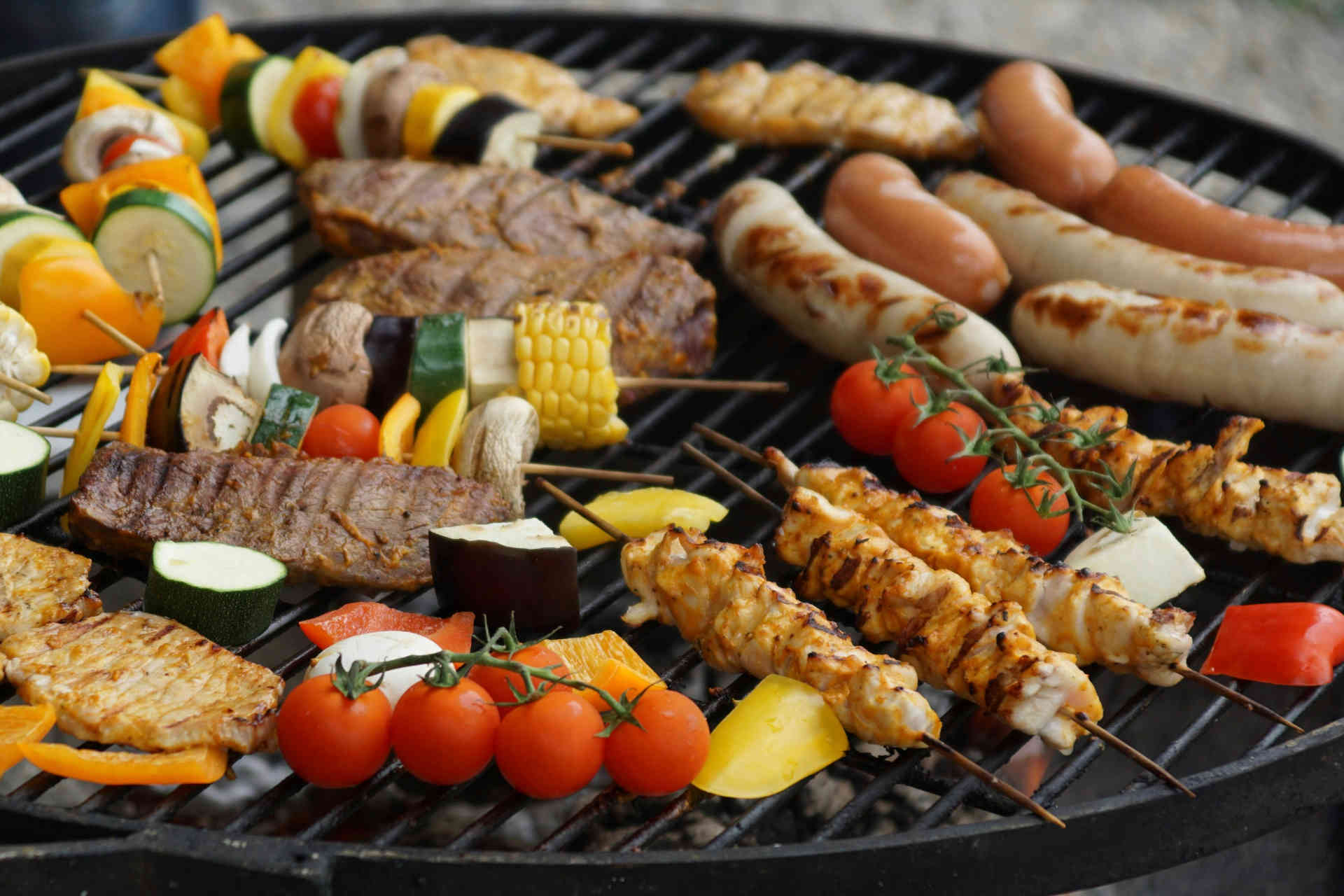
- Street food BBQ (27%): Tacos, bao buns, satay skewers and co. bring international flair to the garden.
- Smoking & smoking (24%): The trend towards long-term cooking methods with an intense smoky aroma is on the rise.
- Low & slow BBQ (21 %): Slow-cooked cuts of meat such as pulled pork or brisket are in demand.
- Global variety of spices (18 %): Marinades with Asian, Mediterranean or Latin American influences provide variety.
- Dessert grills (15.6 %): Chocolate bananas, marshmallows or grilled fruit are being rediscovered by younger barbecuers in particular.
Taste is key: quality before convenience
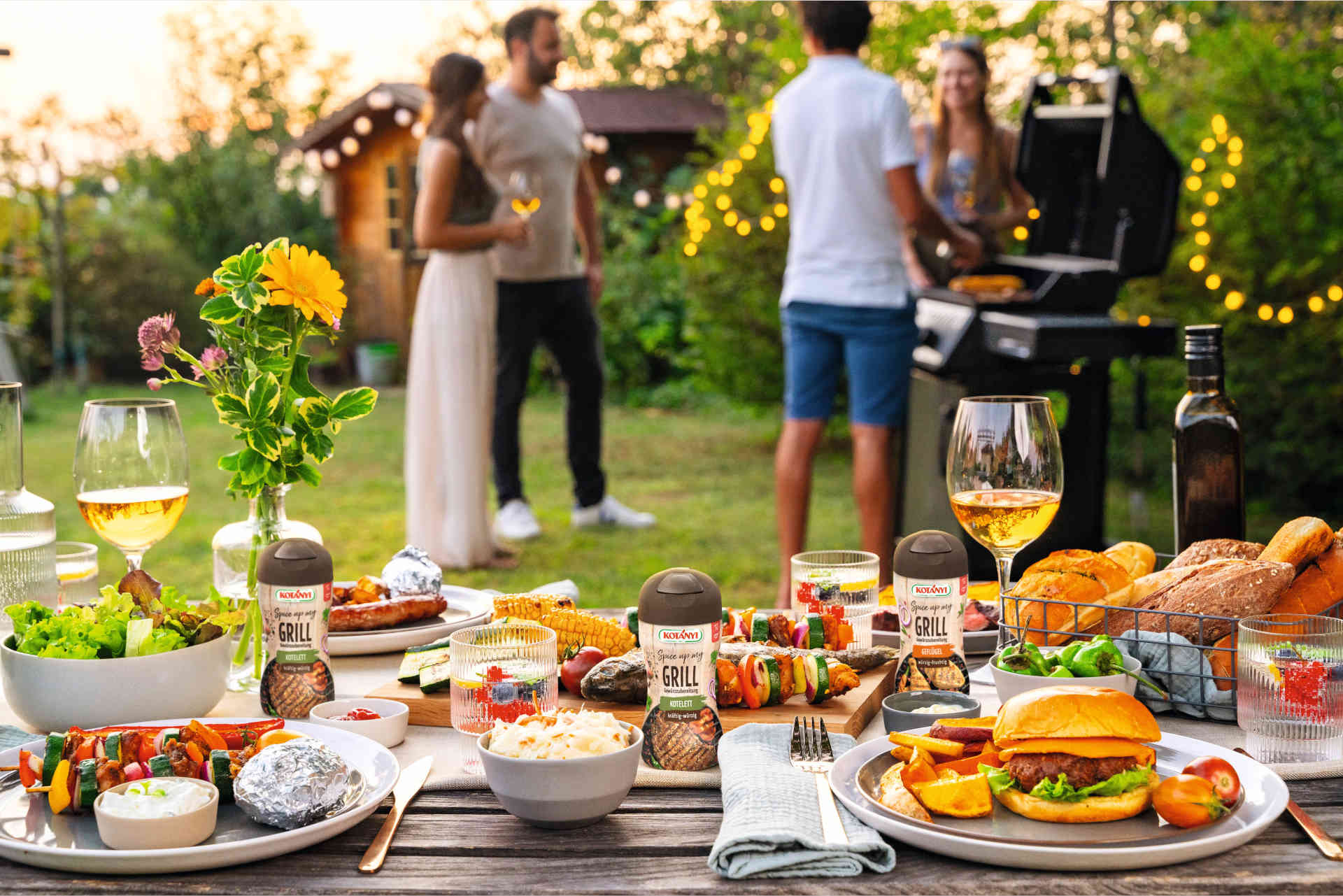
Austrians pay particular attention to taste (61%) and quality (56%) when buying barbecue ingredients. Naturalness, i.e. products without flavor enhancers or additives, is decisive for around a third. The most popular seasonings are homemade marinades (43%), spiced butter (50%) or individual rubs (24%). Ready-made spice mixes are also in demand, but do not dominate.
Barbecue hacks: from ice cubes to orange peel
Social media also brings practical ideas to the grill: whether marinating in a freezer bag, flambéing for a more intense aroma or barbecuing with orange peel instead of traditional firelighters - new methods meet with great curiosity. Particularly popular: fish or vegetables in baking paper and using fresh herbs as barbecue brushes.
Conclusion: More variety, more influence, more emotion
The barbecue culture in Austria will be more international, more digital and more diverse in 2025. For restaurants, this means that creative marinating, the use of sustainable ingredients and atmospheric barbecue storytelling will score points with a growing, young target group. The latest Barbecue Study 2025, conducted on behalf of Kotányi, also provides inspiration for this.