
Personality is back: The comeback of the host
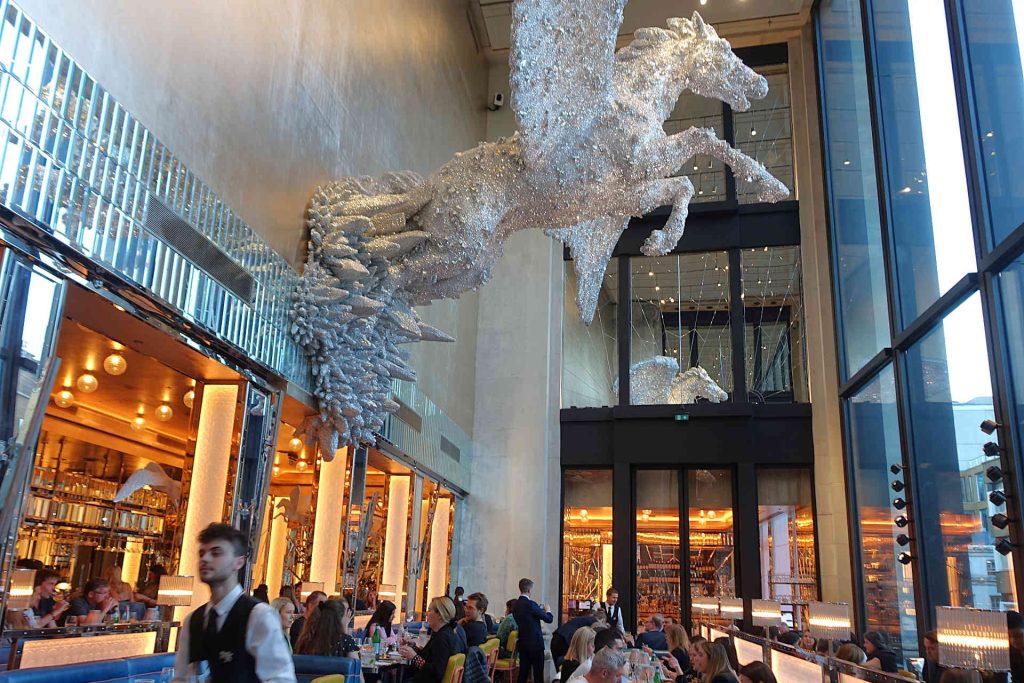
Personalized dining and the art of hospitality are merging into a new vision: Concepts with a distinctive signature, genuine host personalities, and a clear philosophy will shape the future. In a world full of automation, authenticity becomes a unique selling point—both in the product and in the experience. What counts are character, warmth, and a palpable culture of hospitality. Focus on the core business: The host works on the evening’s presentation and leaves the snack business to others.
Mindful Drinking: Drinking by the moment, not by the pattern
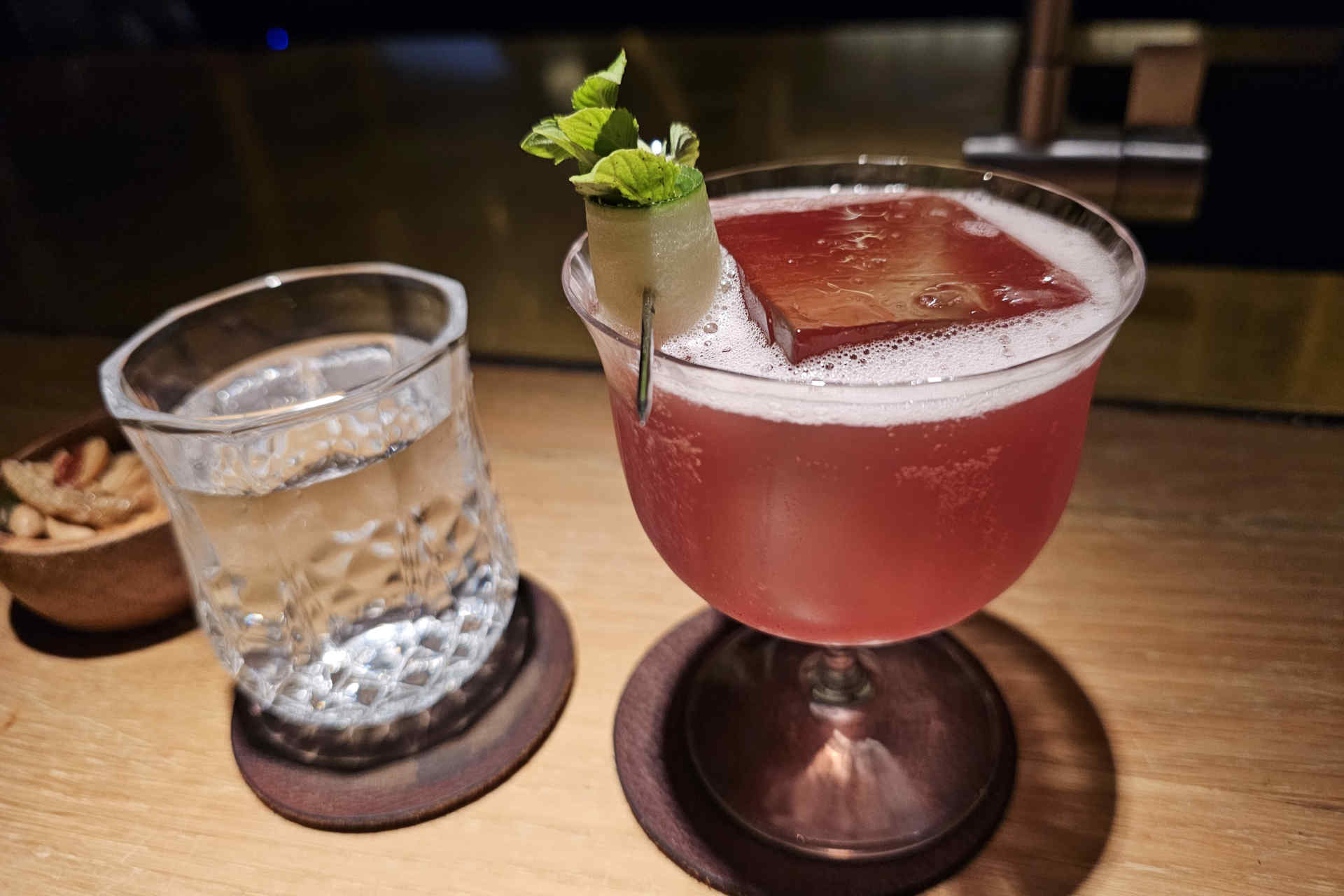
Young guests choose based on the situation: non-alcoholic, low ABV, functional. Needs are replacing categories. Beverage menus are curated by occasion—hybrid, surprising, flexible. In addition to non-alcoholic and low-ABV drinks, tea is also gaining prominence as a style-defining beverage—from matcha ceremonies to regional tea cultures. The focus in the wine sector is shifting as well: origin, craftsmanship, and terroir are becoming new values on the beverage menu. Daytime drinking instead of nightclubs; the starting point is the aperitif.
Snack Society: Signature in Miniature
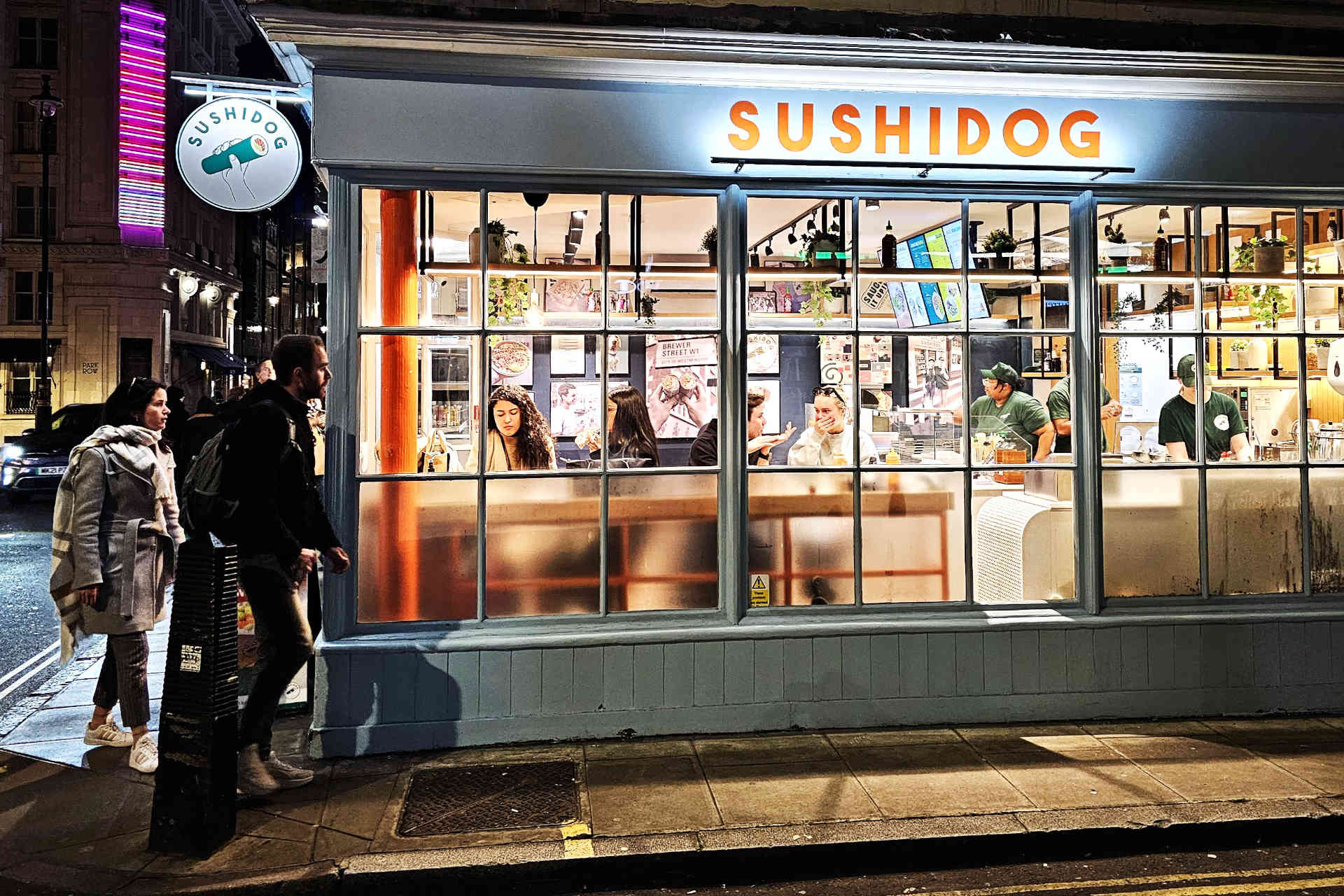
Snacks are taking center stage: fast, curated, and identity-defining. Hero products are replacing extensive menus; storytelling and design shape brand recognition. Quality in miniature becomes a statement. It’s not just the product—the experience itself becomes a signature, from packaging to presentation; snacks create mini-dramas in everyday life.
AI Meets the Kitchen: Digital Where It Makes Sense
AI helps with planning, purchasing, and feedback, but remains a tool. The analog experience is what matters. Successful concepts combine smart tools with genuine attention. Technology creates new possibilities: allergens, dietary preferences, daily well-being, and taste preferences are incorporated into menu design and offerings. QR codes serve as menus, information tools, and storytelling tools that create transparency and context.
Value-Driven Gastronomy: Transparency as a Duty
Guests expect a clear stance: fair supply chains, good leadership, sustainability. It’s not perfection that counts, but credible responsibility as part of the brand. In addition to sustainability and fair supply chains, this value system also includes modern leadership—empathetic, responsible, and clear in its vision.
Bakery 2.0: Bread Brings It All Together
Bakeries are becoming “third places”: open workshops, visible craftsmanship, local identity. Bread becomes a stage, a cultural expression, and a statement—both traditional and innovative at the same time. Bread becomes a storyteller: from the selection of grains to baking traditions, it conveys cultural identity.
Flexi-Food: Eating Without a Set Time or Dogma
Urban rhythms are replacing traditional mealtimes. Consumers adapt their eating habits to the situation and their current lifestyle. The winner is the flexitarian. Good gastronomy accompanies the day in a modular, continuous, and flexible way—tailored to lifestyle rather than the clock.
Longevity Cuisine: Delight for a Longer Life
Nutrition is becoming more functional: fermented foods, bitter compounds, plant-based power, and precision-crafted drinks. Longevity is becoming a mindset—culinary anti-aging on the plate. Healthy thinking extends to the glass as well: fermented foods, adaptogenic plant compounds, and functional drinks complement the longevity menu. Longevity is a trend spanning generations—not just for the elderly, but also for health-conscious young people.
Planet first: Enjoyment with responsibility
Circular thinking, regional partnerships, and transparent carbon footprints shape sustainable concepts. Zero waste and upcycling—for example, in design—are brought to the forefront. Sustainability becomes a resource, not a burden.
The kitchen is the star: Experience with a story
Dining becomes multisensory, narrative, and interactive. Technology enhances the craft, but the story is what matters. The experience wins when it remains authentic. Authenticity and regionality trump everything else. The chef is a mediator, designer, and trainer for team members from outside the industry.
Conclusion: The future belongs to bold hosts
Whether it’s bakeries, chain restaurants, the hotel industry, or urban development—the same trend is evident everywhere: gastronomy is becoming an emotional, social, and cultural driving force. Those who demonstrate conviction, create experiences, and consistently curate them will succeed. Those who merely serve food will fall behind. The next decade belongs to those who understand food as a medium—for relationships, identity, and social relevance.