
Vegan Fine Dining: The Future of Culinary Art
The shift towards vegan cuisine is no longer a fleeting trend—it’s a movement redefining gastronomy worldwide. In January 2025, Berlin’s “Bonvivant Cocktail Bistro” made a bold leap under the leadership of Chef Nikodemus Berger, unveiling an entirely plant-based dinner menu. "It was a long journey", Berger reflects. "We didn’t want to deliver compromises, so we experimented extensively to guarantee top flavors, refined textures, and exciting consistencies."
This commitment goes beyond a simple menu change. Berger, a lifelong vegetarian, views this transition as a natural evolution aligned with his values. "Sustainability is our greatest motivation", he explains. "It was only logical for us to take the next step towards vegan dishes."
The Art of Vegan Innovation
Berger and his team have embraced the challenge of vegan fine dining with unparalleled creativity. By using innovative techniques, they transform simple ingredients into culinary masterpieces. For example:
- Mayonnaise is crafted without eggs using aquafaba (chickpea water) and the aromatic spice vadouvan.
- Cheese-like flavors are achieved through roasted nutritional yeast.
- Meringues are whipped from potato proteins, replacing traditional egg whites.
The result? A winter menu that not only highlights the versatility of plant-based ingredients but also surprises with its playful approach:
- Radish / Juniper Smoke / Rye / Pickled Mustard
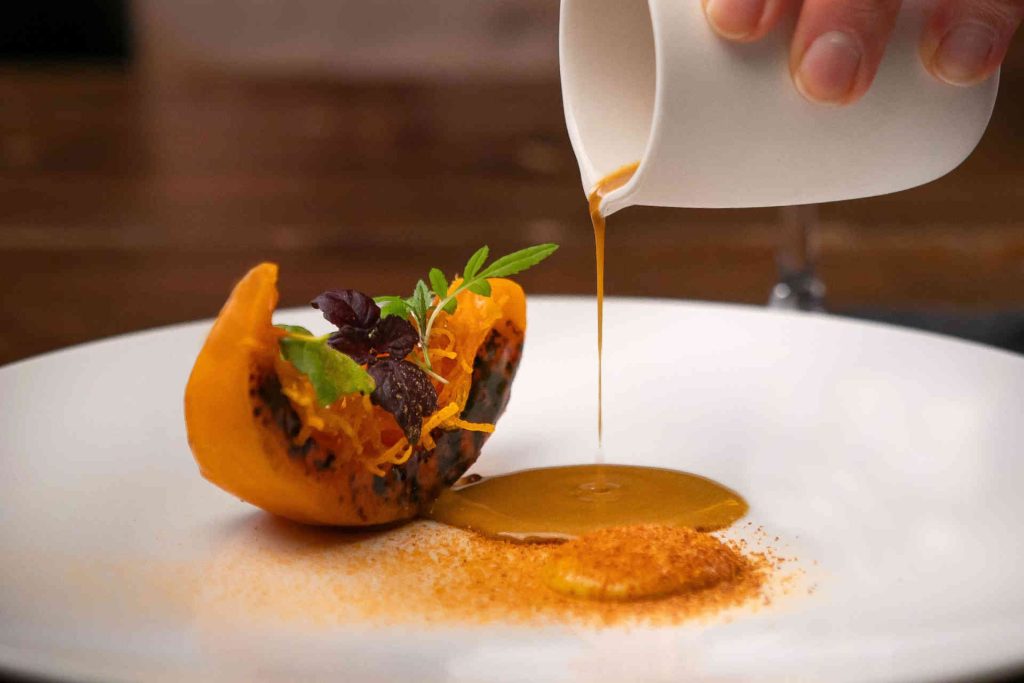
- Pumpkin / Marigold / Vadouvan / "Bisque"
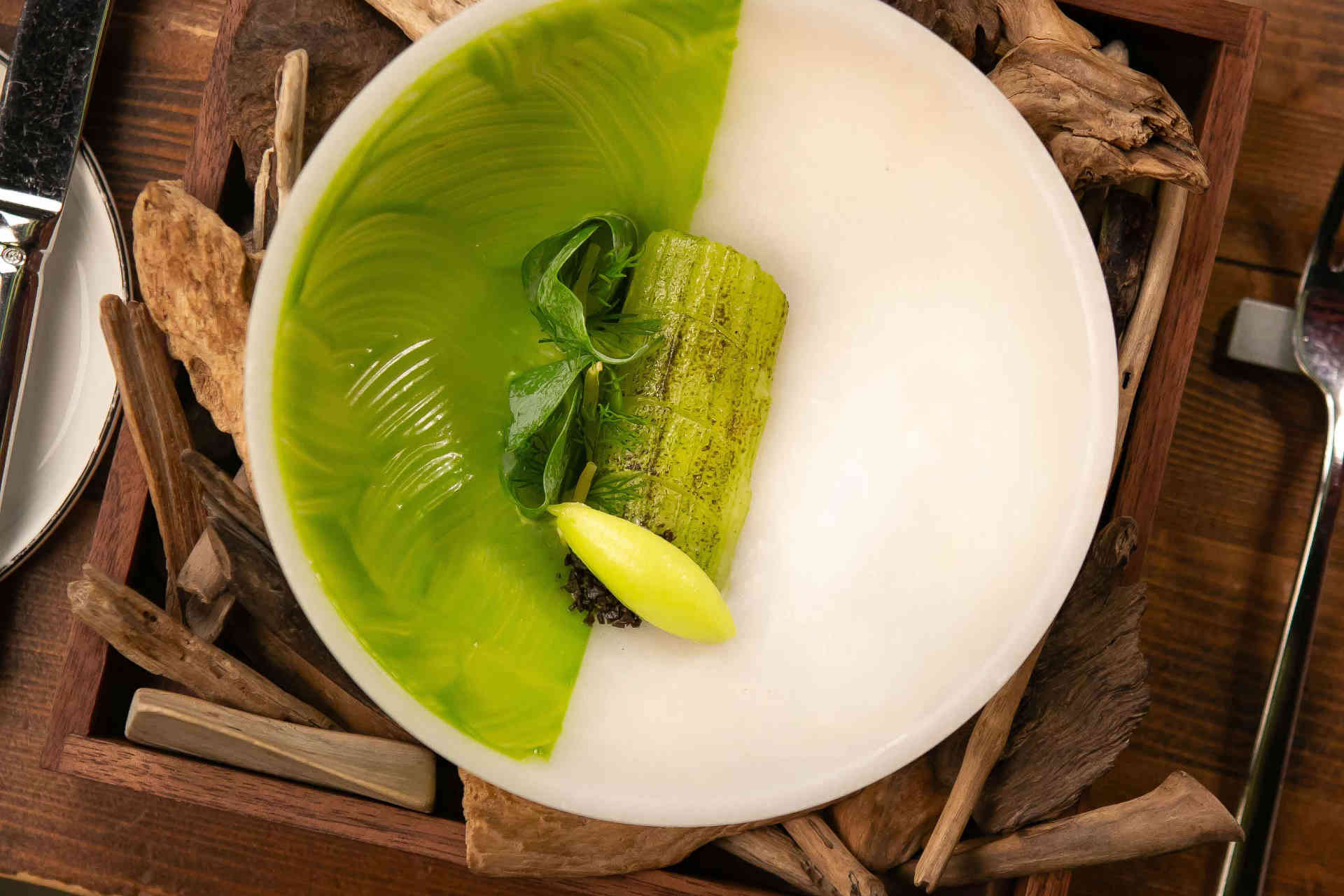
- Savoy Cabbage / Charcoal / Black Apple / Tarragon
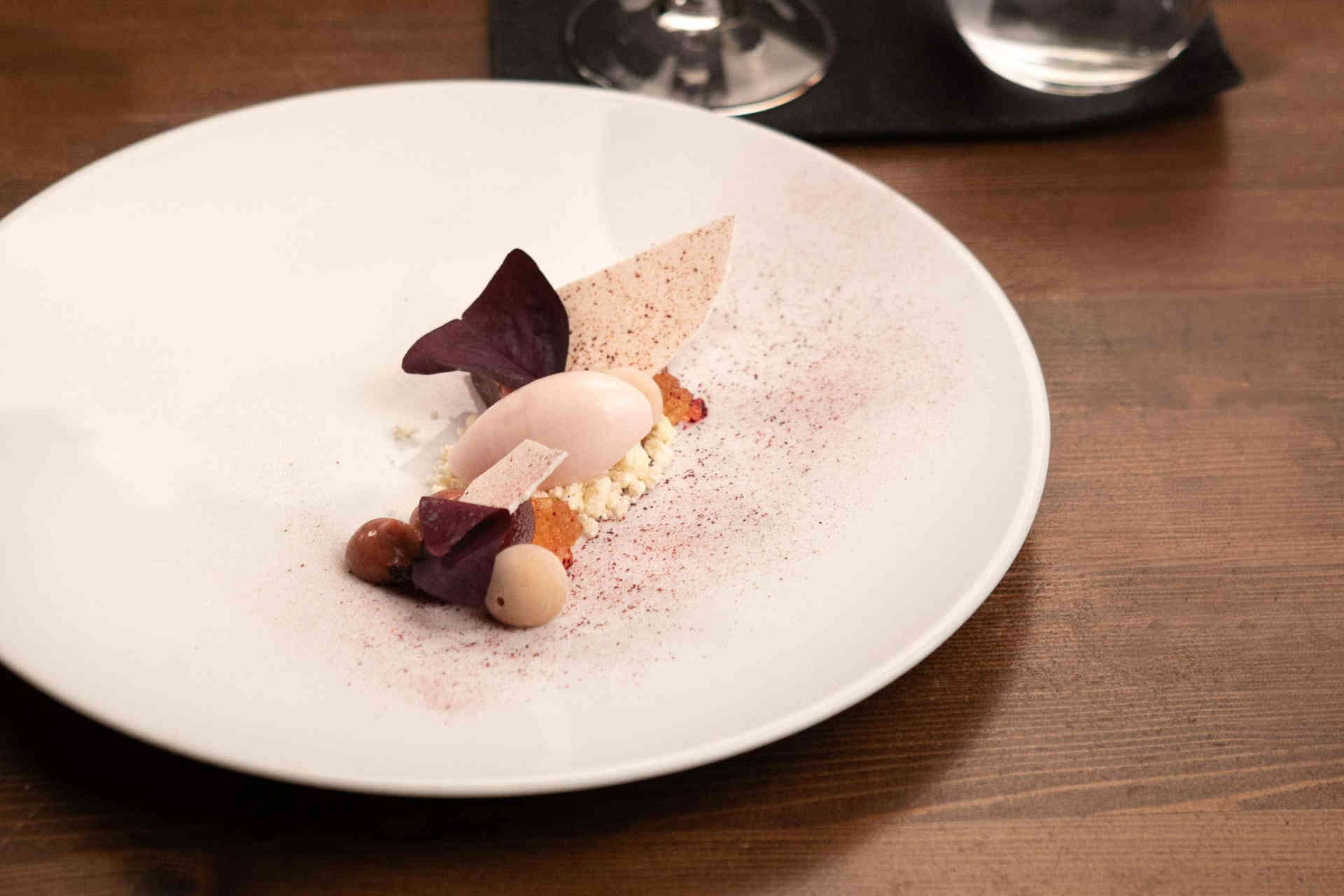
- Douglas Fir / Ginger / Pear / Celery
- Potato / Yeast / Alliums / Truffle
"By limiting ourselves to vegan ingredients, we’ve unlocked a whole new level of creativity", Berger reveals.
The Rise of Vegan Brunch
While the dinner menu is already impressing diners, the team is fine-tuning their vegan brunch offering. According to owner Jules Winnfield, maintaining the signature charm of their brunch is non-negotiable. "We want guests to be amazed, not to miss animal products", he states. With Berger at the helm, innovation is guaranteed. "If anyone can uphold our standards under these conditions, it's Nikodemus. 'Impossible' isn’t in his vocabulary - it becomes 'Let’s make it happen'."

A Broader Movement: The Growth of Veganism
Berger’s initiative aligns with a global trend toward plant-based dining. According to a recent Marketagent study commissioned by SPAR, 50% of Austrians are open to trying veganism, either partially or entirely, during the month of January. This aligns with the steady rise in plant-based options, such as the 4,000 vegan products in SPAR’s assortment, which contributed to double-digit growth for their SPAR Veggie brand in 2024.
The global movement Veganuary, which began as a crowdfunding campaign in the UK in 2014, has grown exponentially. From a few thousand participants in its inaugural year to 25 million in 2023, it has inspired chefs, businesses, and individuals to embrace plant-based eating. Austria leads Europe with 10% of its population identifying as vegetarian or vegan and over 50% adopting flexitarian diets.
The Role of Hospitality
For the hospitality industry, the message is clear: plant-based cuisine is not a temporary fad but a permanent shift. As the demand for vegan and vegetarian options grows, restaurants and hotels have a unique opportunity to cater to this expanding market. From a business perspective, integrating creative plant-based options can set establishments apart, attract new customers, and showcase sustainability commitments.
Chefs like Berger are proving that vegan cuisine can achieve the highest culinary standards. As Jules Winnfield observes, "Our guests won’t just accept the change; they’ll celebrate it."
Our conclusion for the Future
The future of gastronomy is plant-based. Innovations in vegan cuisine, driven by talented chefs and global movements like Veganuary, are reshaping the industry. For hoteliers and restaurateurs, this is an opportunity to lead the charge, offering dishes that are not only sustainable but also innovative and delicious.
As Berger exemplifies, with dedication and creativity, vegan cuisine can rival – and even surpass – traditional methods. The path forward is clear: embrace change, prioritize sustainability, and deliver unforgettable dining experiences. The era of plant-based gastronomy is here to stay, and it’s poised to transform the industry for the better.