
A human voice in a global debate
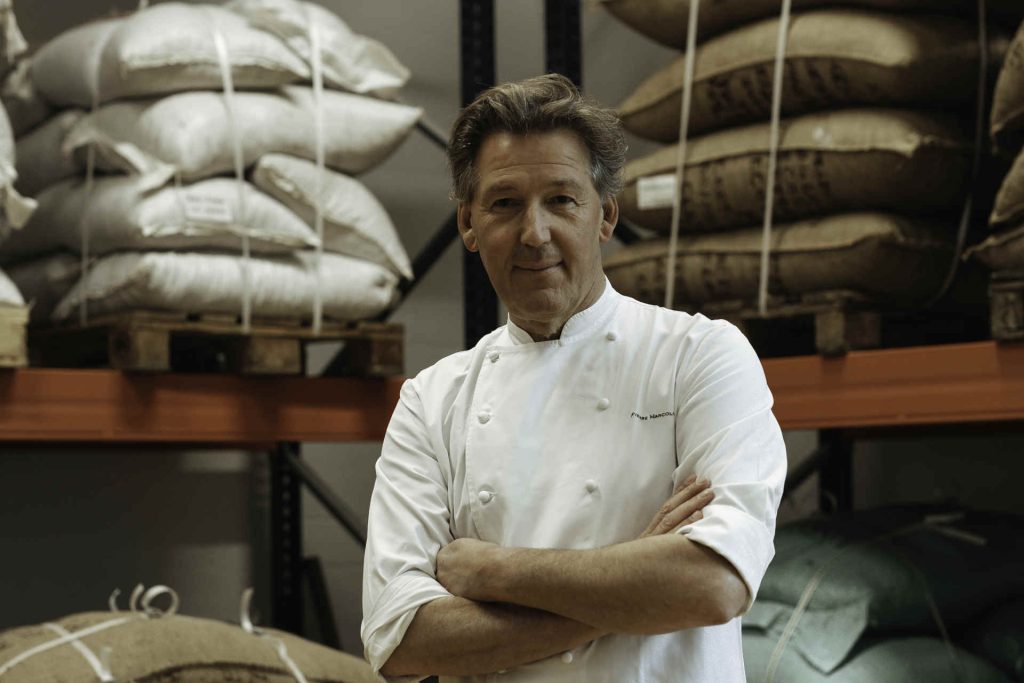
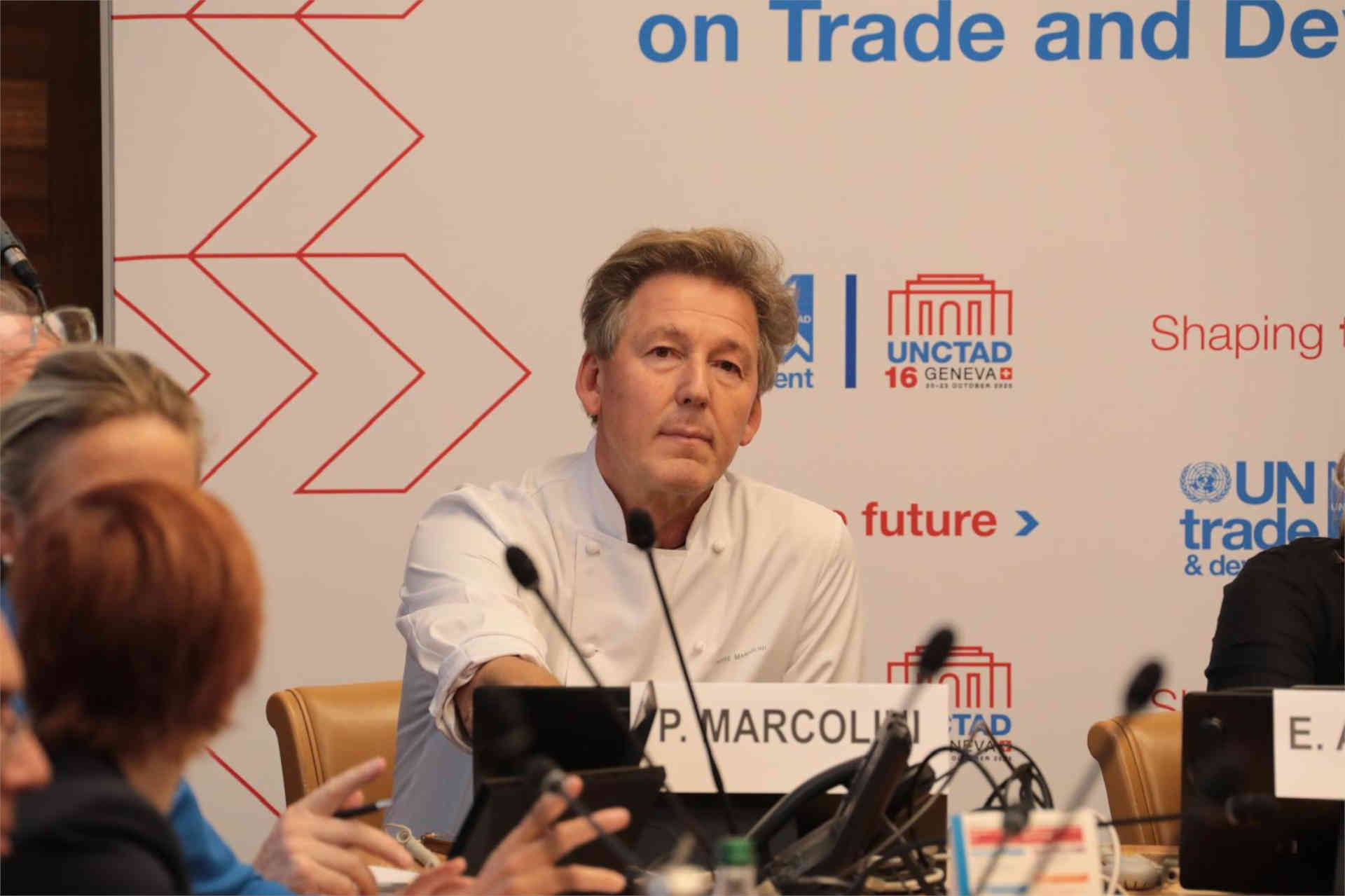
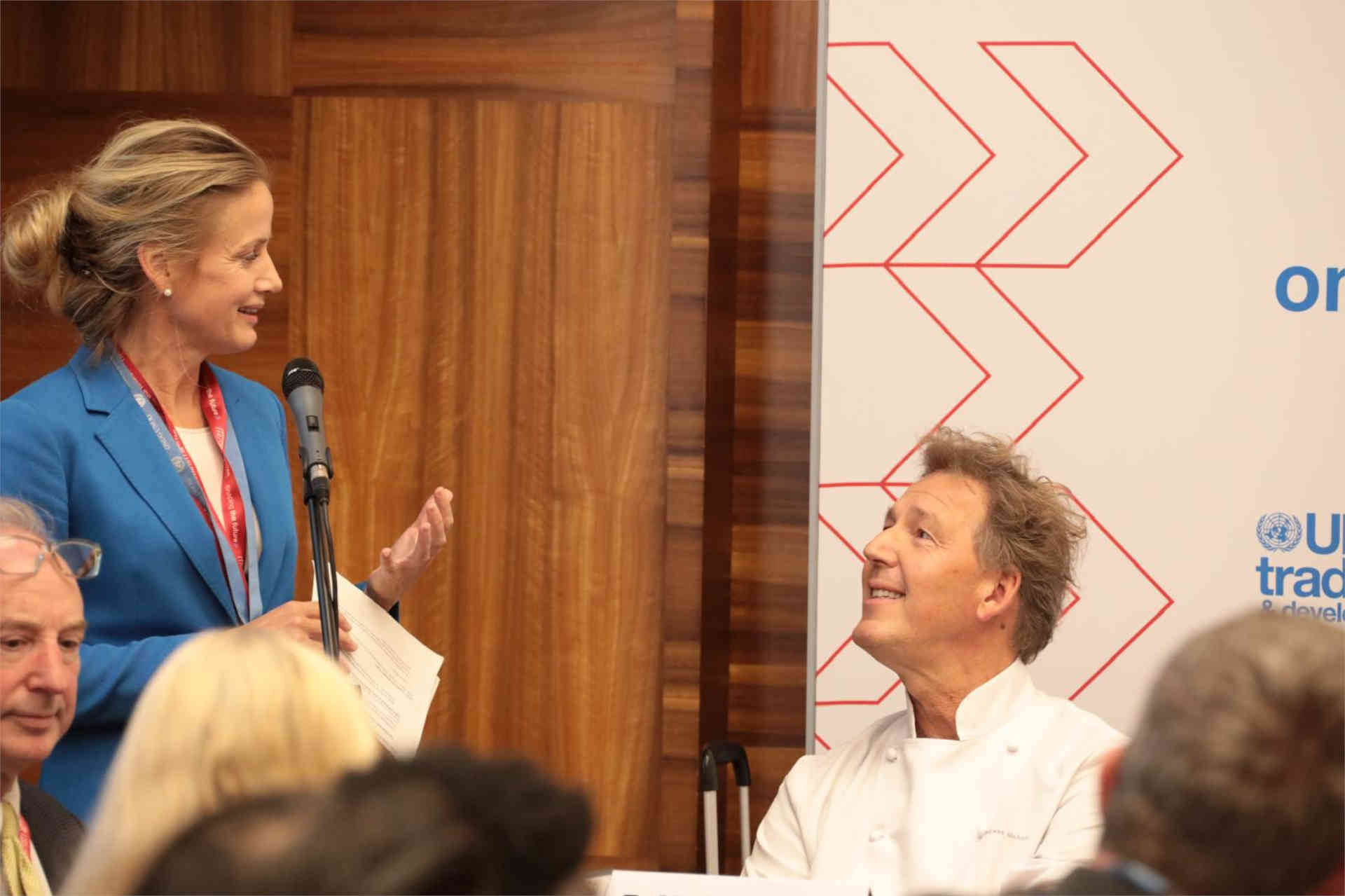
While heads of state and economists discussed economic models, Marcolini spoke about what is often overlooked: the quiet voices of those who produce with dedication. “In the face of major global challenges, the answer does not always lie in the power of large corporations,” said Marcolini. “I believe in the strength of proximity, in the power of human relationships, and in the virtue of craftsmanship.”
For him, sustainability is not a decision—it arises from respect, transparency, and responsibility. These three values have formed the basis of his actions since he founded his Maison Pierre Marcolini in Brussels in 1995.
Craftsmanship as a model for sustainability
Marcolini demonstrated that responsibility and innovation are not mutually exclusive – quite the contrary. His bean-to-bar philosophy stands for transparency and direct relationships: he sources his cocoa beans directly from producers, maintains close dialogue with cooperatives, and is committed to fair pay and uncompromising quality.
The result is a trading model based on trust – combining ethics with aesthetics.
“A new generation is willing to pay not the price of luxury, but the price of ethics – the price of authenticity,” says Marcolini. This attitude has long inspired people beyond the world of chocolate – it appeals to everyone in the restaurant, hotel, design, and luxury industries who is looking for new ways to combine quality and meaning.
Digitalization as an opportunity for humanity
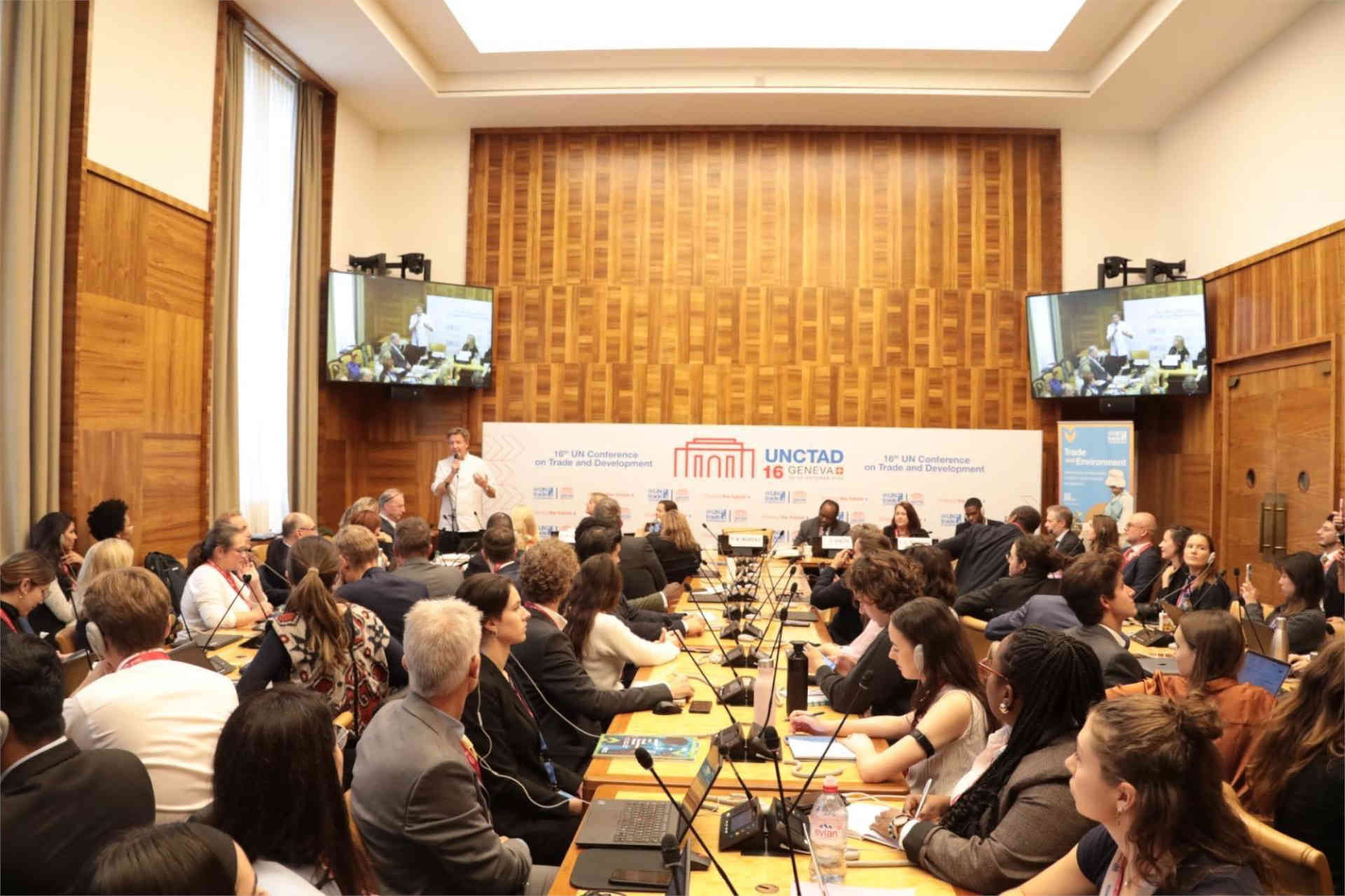
Despite the complexity of global markets, Marcolini is optimistic: thanks to digital networking, even small producers now have access to a worldwide audience. “Communication is no longer an obstacle—it is a lever,” he explained. Digital platforms can build bridges – to a local, human, and at the same time global economy in which work, creativity, and responsibility are once again the focus.
Honesty as an economic strength
In conclusion, Marcolini formulated a message that extends far beyond the world of chocolate:
“Reaching out to others, recognizing the value of a gesture, and sharing the fruits of honest labor – that is true luxury. And perhaps also the future of a sustainable economy.” His words were met with loud applause – a reminder that artisans are not only guardians of savoir-faire, but also pioneers of an ethical, sustainable economy.
About Maison Pierre Marcolini
Founded in Brussels in 1995, Maison Pierre Marcolini is considered a pioneer of the bean-to-bar movement. The Belgian chocolatier controls the entire production process—from the cocoa bean to the finished praline—and works directly with producers in Peru, Madagascar, Venezuela, São Tomé, India, and other countries.
His creations combine rare ingredients such as Sicilian lemons, Iranian pistachios, Moroccan pink pepper, and vanilla from Madagascar to create a unique signature of intensity and elegance.
With over 50 boutiques worldwide – from Brussels to London, Tokyo, Dubai, and Seoul – Pierre Marcolini stands for a form of luxury that combines transparency, responsibility, and emotion. In 2020, he was named “Best Pastry Chef in the World” by World Pastry Stars.
Conclusion: Luxury with attitude
Pierre Marcolini's appearance at the United Nations shows how relevant the topic of sustainable luxury is today. He redefines luxury – not as a symbol of excess, but as an expression of meaning, closeness, and sincerity. His message: Ethical behavior and excellence are not mutually exclusive – they belong together.