
The future of system catering
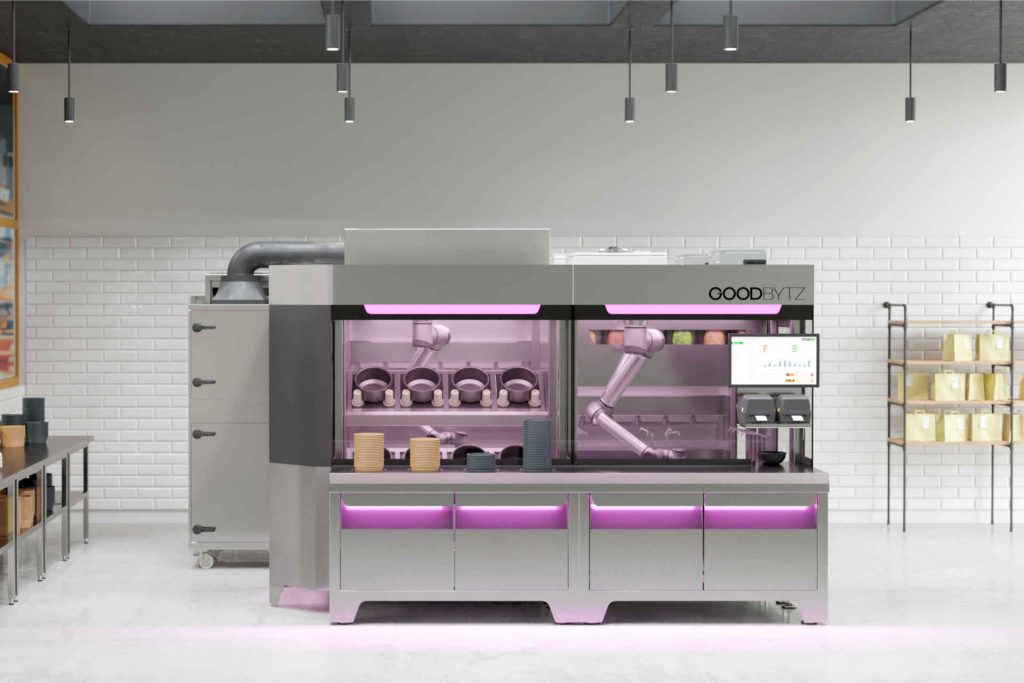
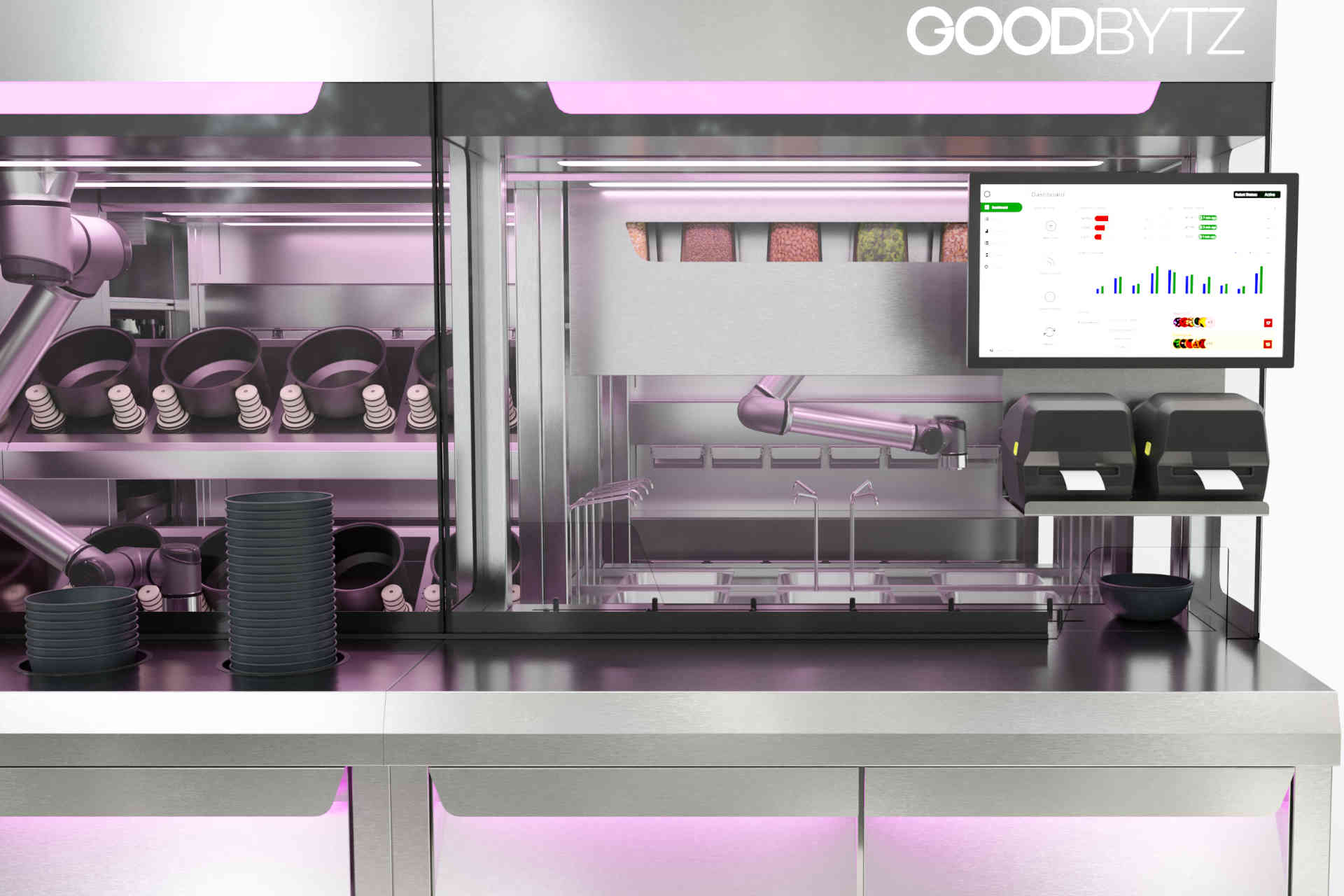
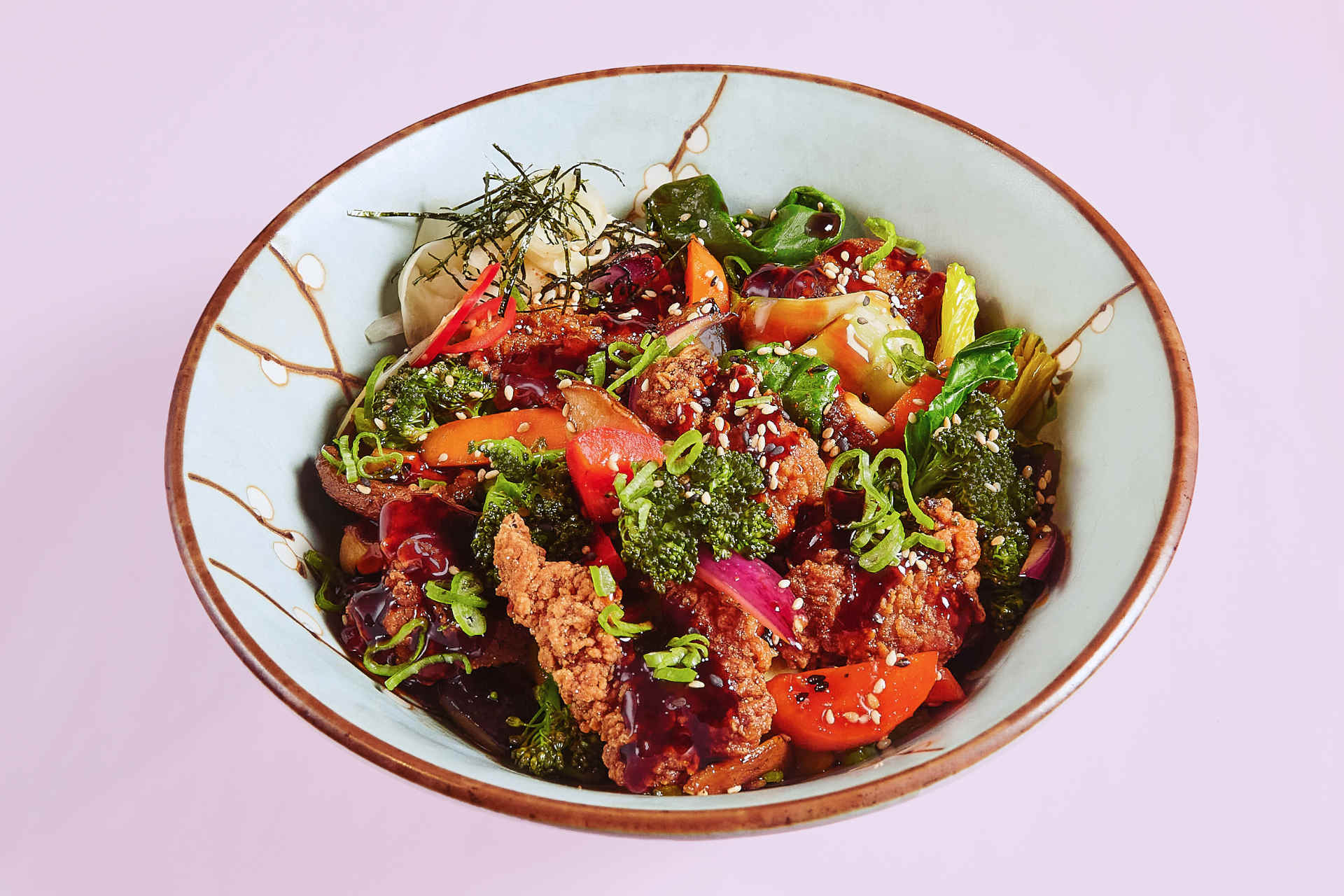
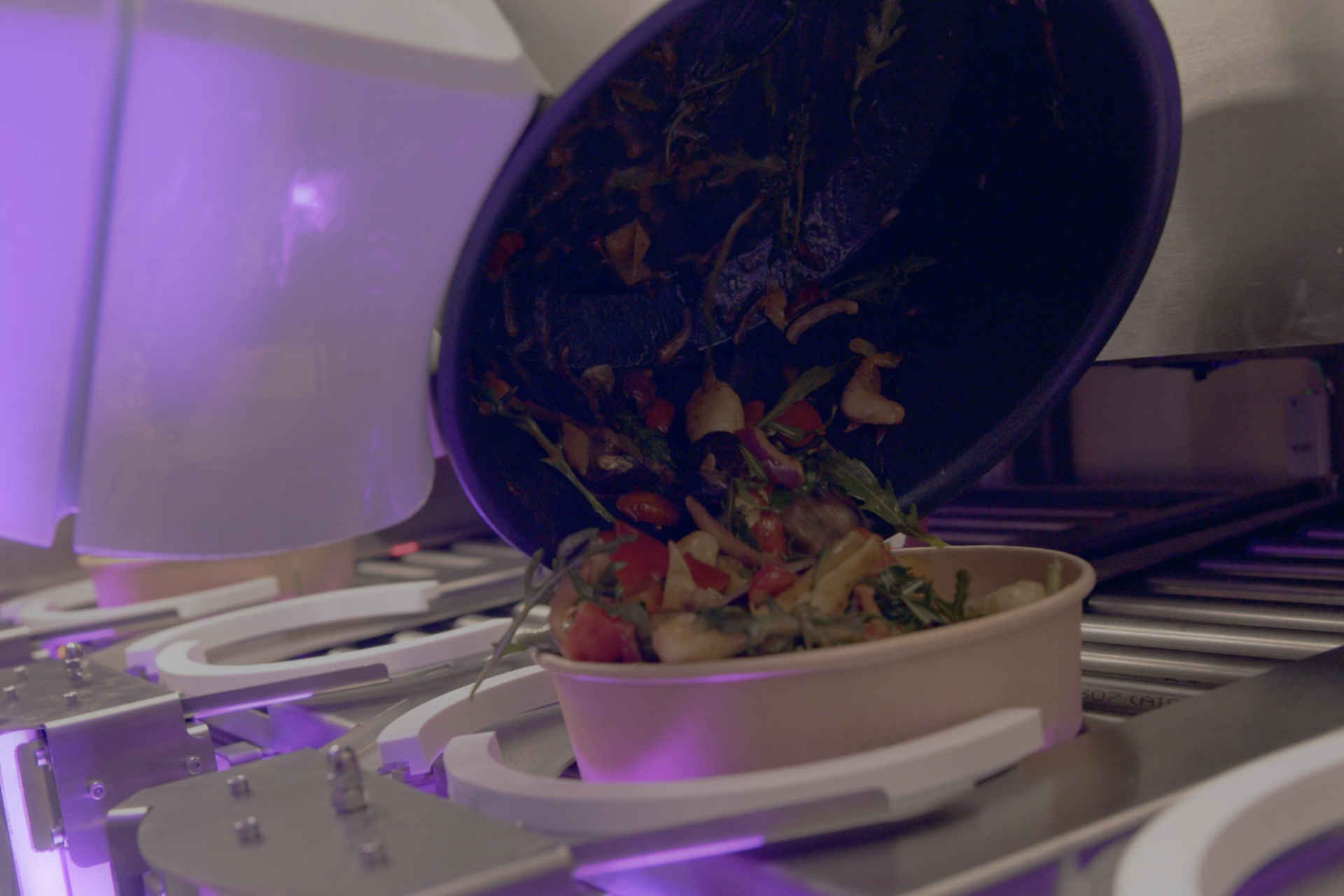
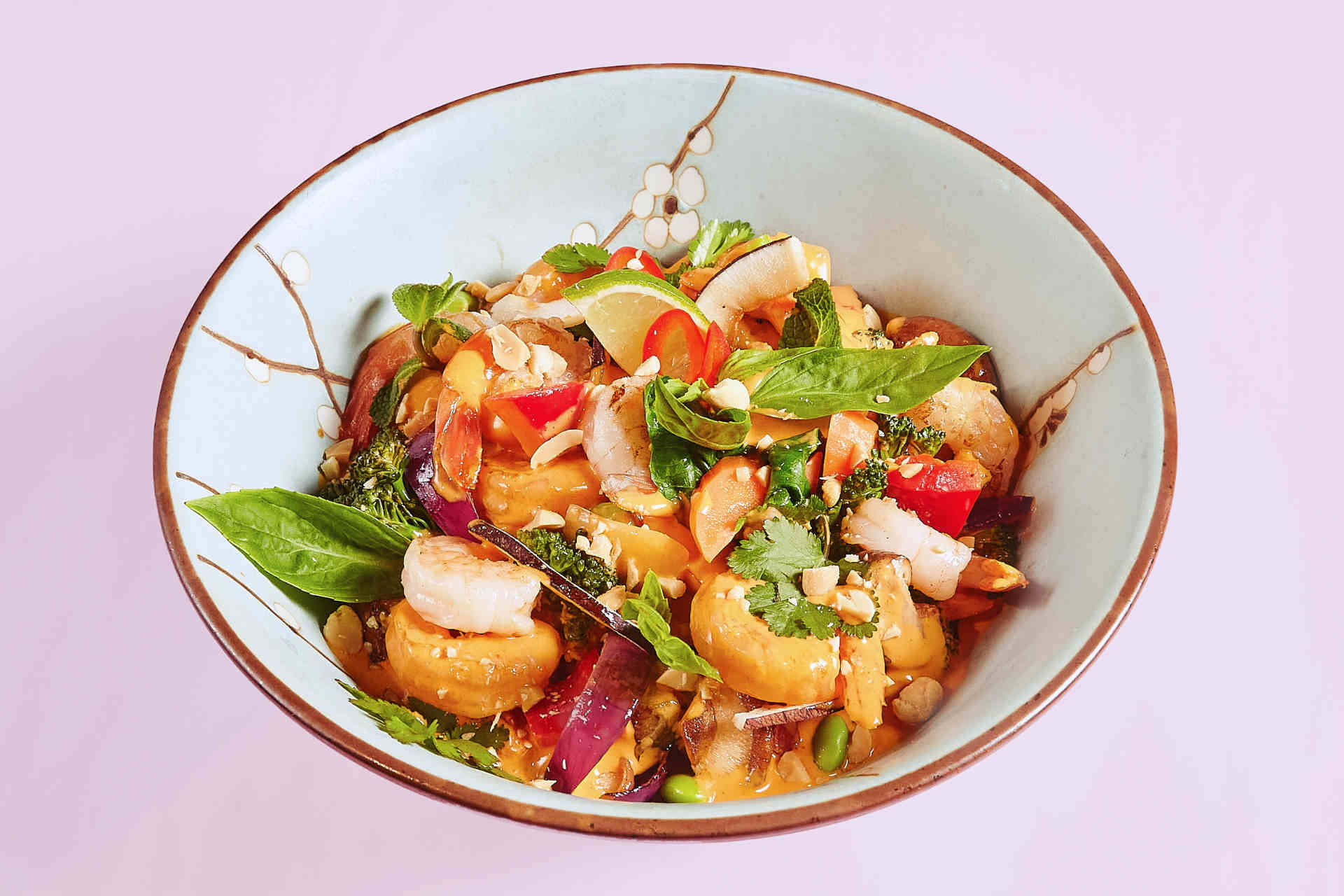
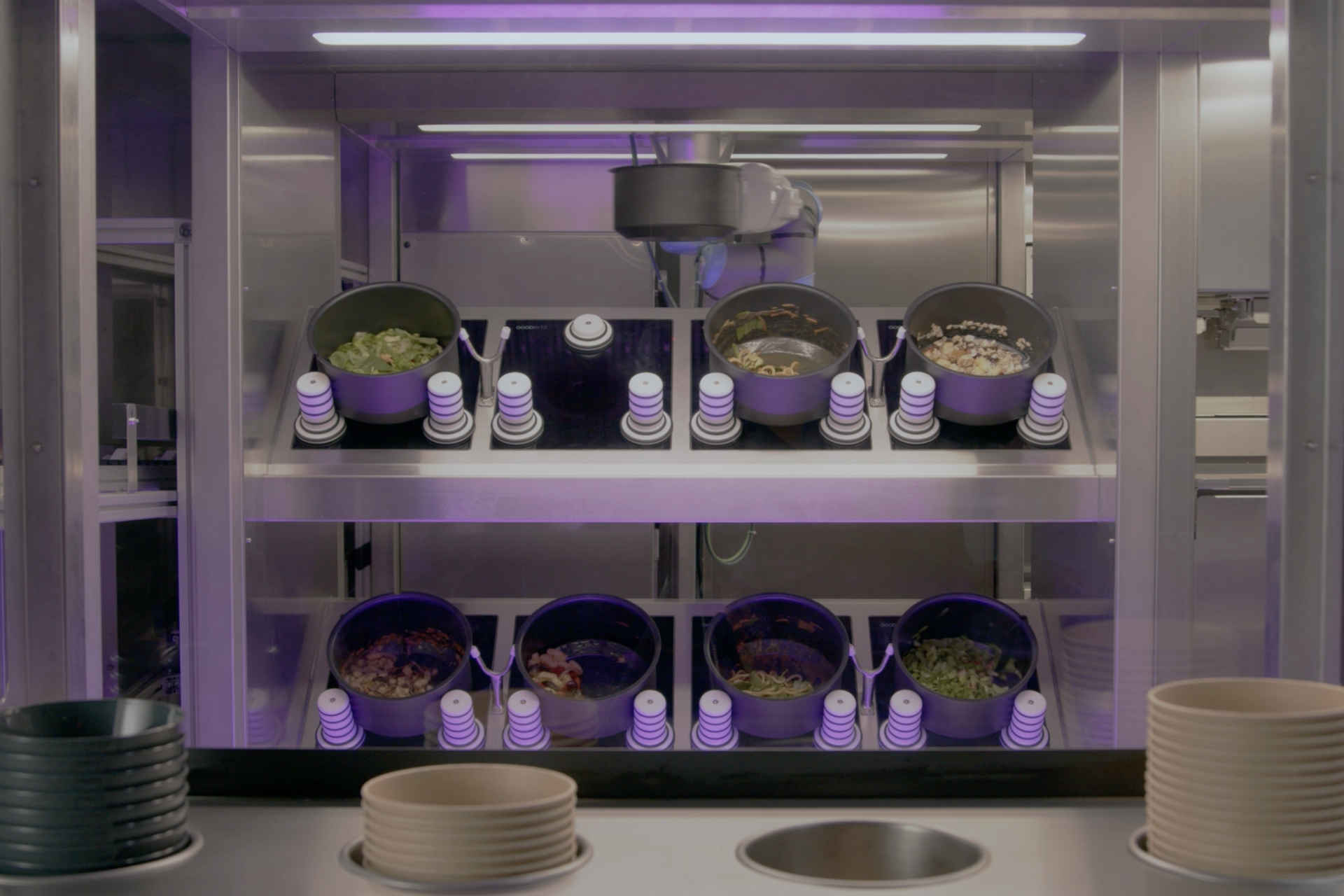
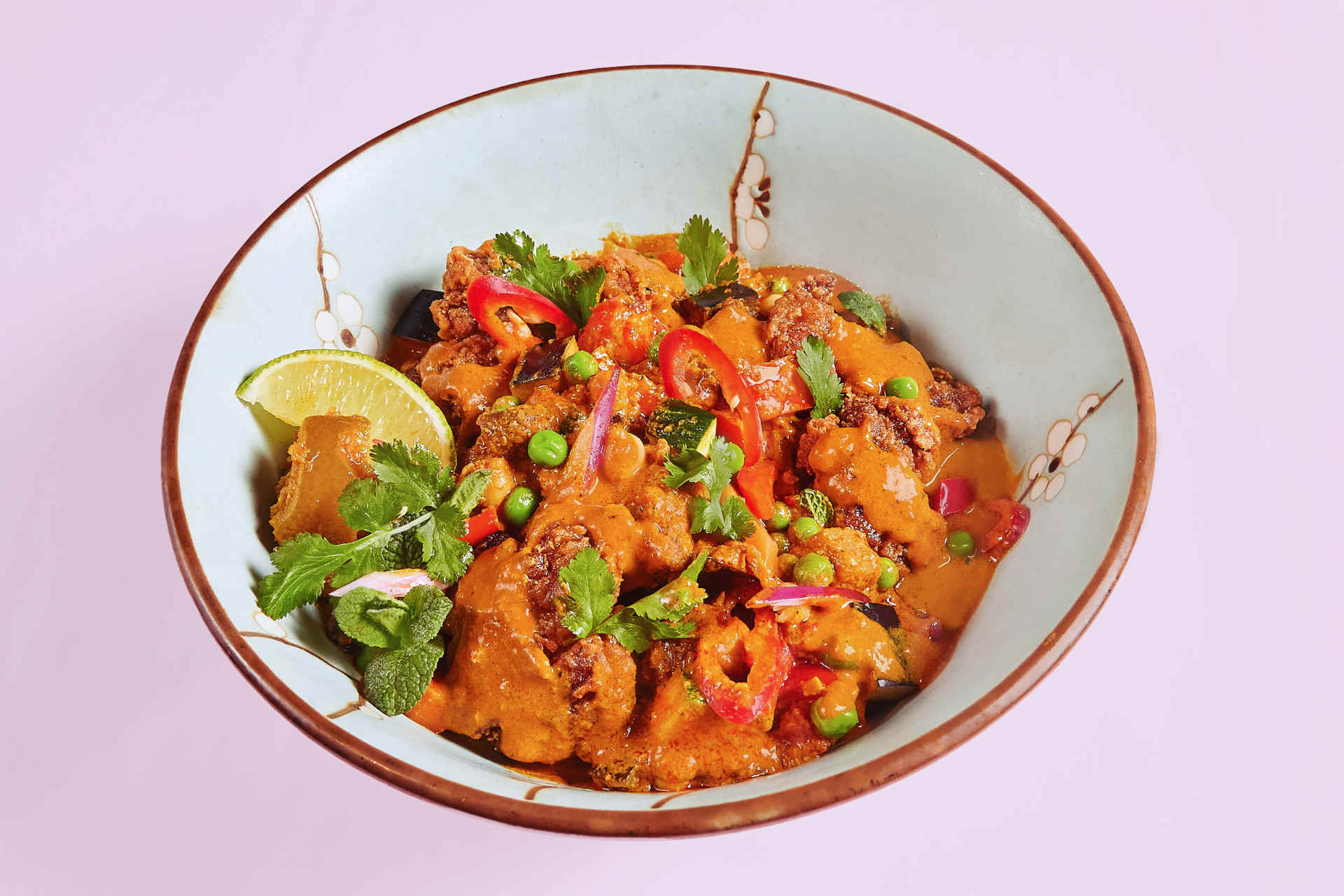
Can a robot have cooking talent? In Frankfurt, the answer is now: yes - and how. With Lady Umami, the F&B Heroes are launching Germany's first fully autonomous Ghost Kitchen. No chef, no brigade - just a specially developed cooking robot that produces dishes precisely, quickly and with consistent quality. This is made possible by a combination of robotics, a smart concept and the courage to innovate.
The concept is far more than just a PR stunt. It is a serious step towards the future of system catering - scalable, efficient and with up to 33% higher margins than the industry average. The smart cooking arm was developed together with technology partner GoodBytz, while the menu was implemented by the F&B Heroes concept developers themselves. The initial results: top ratings on the Wolt delivery platform (9.4/10 points) and a remarkably high reorder rate.
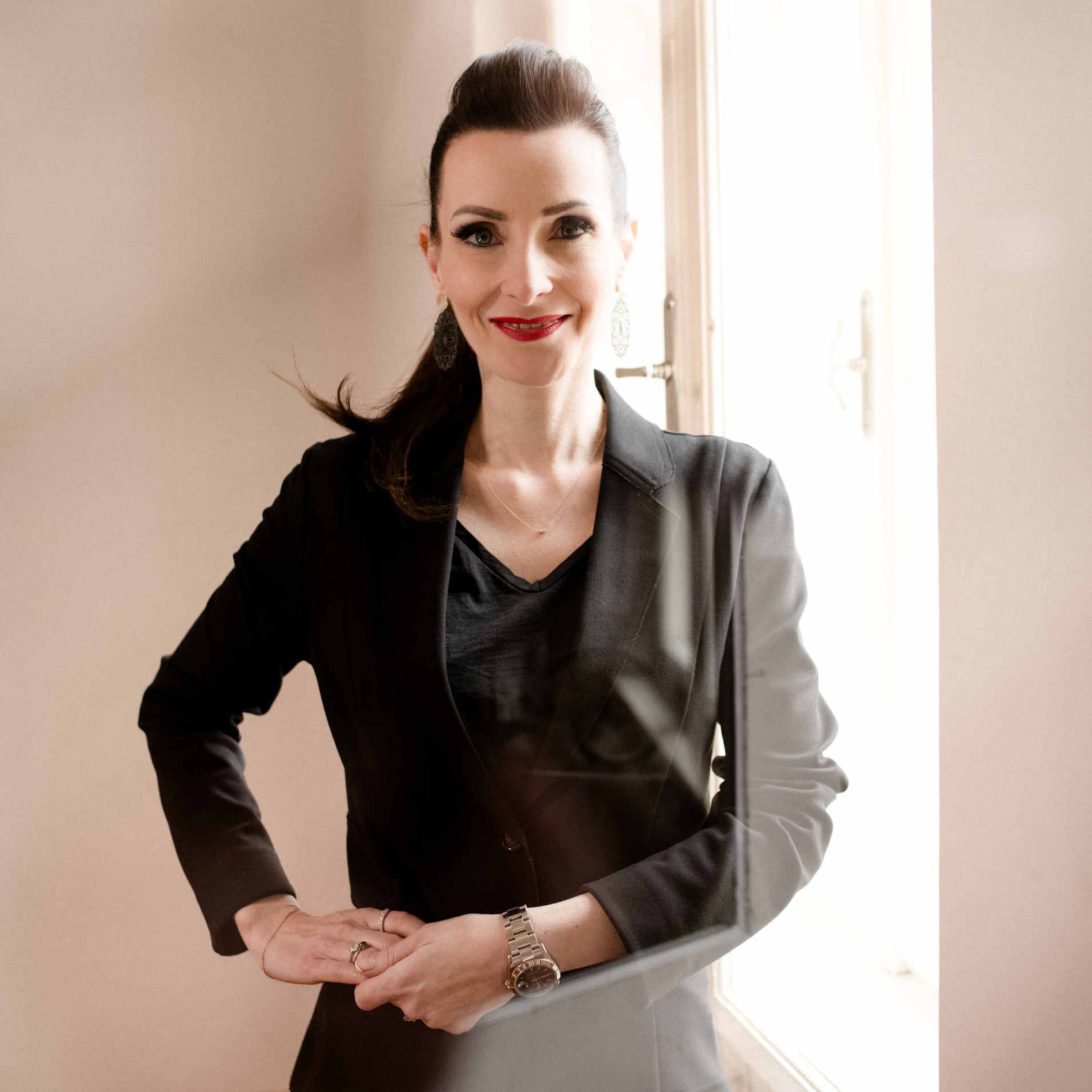
"Fully autonomous kitchens have become a reality. With Lady Umami, we have created a concept that combines quality, scalability and cost-effectiveness," says Tim Plasse, Managing Director of F&B Heroes.
Ghost kitchens: a development with billion-dollar potential
The “ghost kitchen” concept - kitchens without a dining room that operate exclusively on delivery platforms such as Wolt, Uber Eats or Deliveroo - has developed massively in recent years. According to Statista, global sales in the online food delivery sector will exceed 1.6 trillion US dollars by 2027. By 2030, ghost kitchens could account for 50% of the global market share in the takeaway and drive-thru sectors. What was once considered a pandemic emergency solution is now a business model with prospects - and Lady Umami is an ambitious example of where the journey can take us.
What comes after Lady Umami? LIV.
The F&B Heroes are already thinking ahead: the new dining club concept LIV - a hybrid model of robot kitchen and community-driven self-service - will be launched in Düsseldorf in 2025. LIV will not only be a restaurant, but also a test laboratory for future club formats - including the possibility of multiple scaling in urban centers.
What does this mean for the hotel and restaurant industry?
A new option is opening up for operators and investors: ghost kitchens like Lady Umami function independently of staff shortages, space constraints or classic peak challenges - and still offer creative quality. The potential for hotels that dock external kitchen models or for restaurateurs who want to expand with little risk is enormous.
Our conclusion: the technology is there
And so is the demand. What is needed now is courage and concepts like this that show how robotic dining is not just science fiction - but is becoming reality.
From the Genusspunkt magazine May-Aug 2025