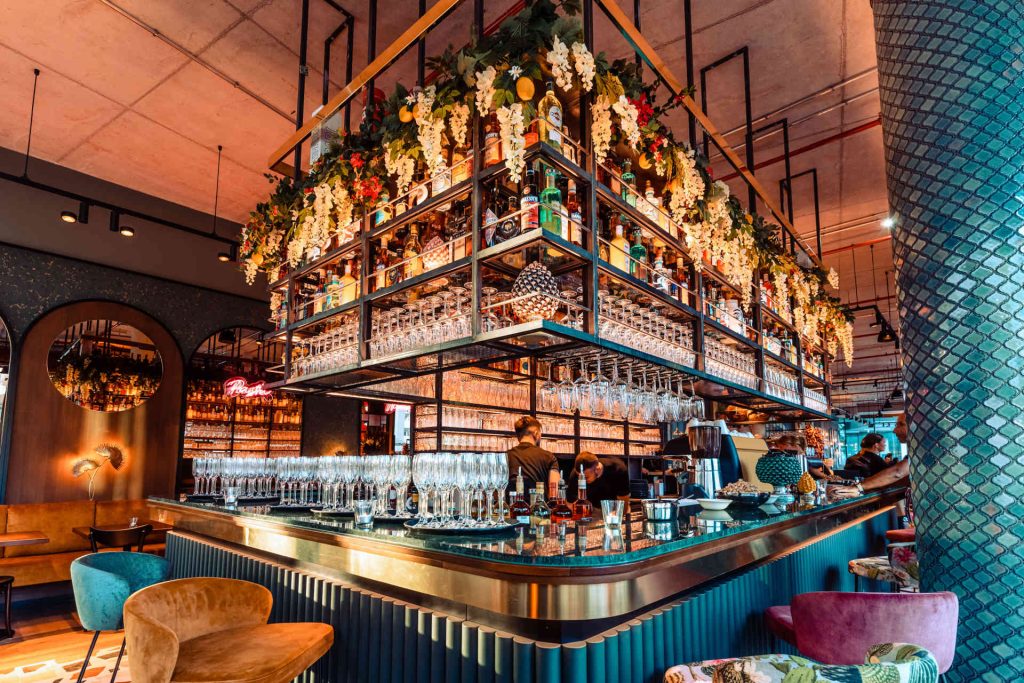

70% Standard, 30% Soul: Chain Restaurants
The chain restaurant industry is on the verge of a paradigm shift. Standards alone are no longer enough—they must be infused with character. Guests expect flexibility, transparency, and a personal touch. The future belongs to systems that interpret recognizability not as uniformity, but as a stable foundation for local variation. 70% Structure, 30% Individuality: This mix enables both efficiency and personality.
Digital tools, modular formats, data-driven planning, and sustainable supply chains are accelerating the transformation. Chain restaurants are thus evolving from purely process-driven operations into strong-branded hosts that are consistent—but never boring.
Successful chains anchor clear values, promote local specialties, and consistently prioritize transparency. The combination of digitalization, sustainability, and emotional brand management is becoming a must. Convenience must never feel soulless—the guest perspective, warmth, and experience must be integral components.
BEST PRACTICES
- Kaspar SCHMAUSER – Vegan and “smart casual”
- Dean & David – Sustainability as the system’s DNA, consistent fresh logistics.
- L’Osteria – “German” Italian success story with well over 200 locations in 10 countries.
- The Ash – The steak’s comeback – but with a feel-good atmosphere.
- Flower Burger – A vegan color palette with cult potential.
- Sweetgreen – App-first and locally rooted: the blueprint for the modern system.
Transit needs an experience, not just speed: Transit dining
Transit dining is evolving from a secondary offering into a key experiential factor. Mobility is becoming more diverse, digital, and demanding—and with it, expectations regarding quality, wayfinding, and atmosphere are rising. Successful locations combine regional character with international accessibility, speed with enjoyment, and modularity with a clear identity. Architecture, design, and the quality of the experience are coming into sharper focus.
The new transit dining is hybrid: a mix of street food dynamism, chain restaurant structure, and retail convenience. Those who view transit merely as a thoroughfare lose out—those who view it as a stage gain foot traffic and loyalty.
Success comes to those who view convenience and quality not as opposites, but as synergies. Regional stories, sensory design, and digital services enhance relevance and the quality of the experience. Light, scent, acoustics, and service become underestimated differentiators.
BEST PRACTICES
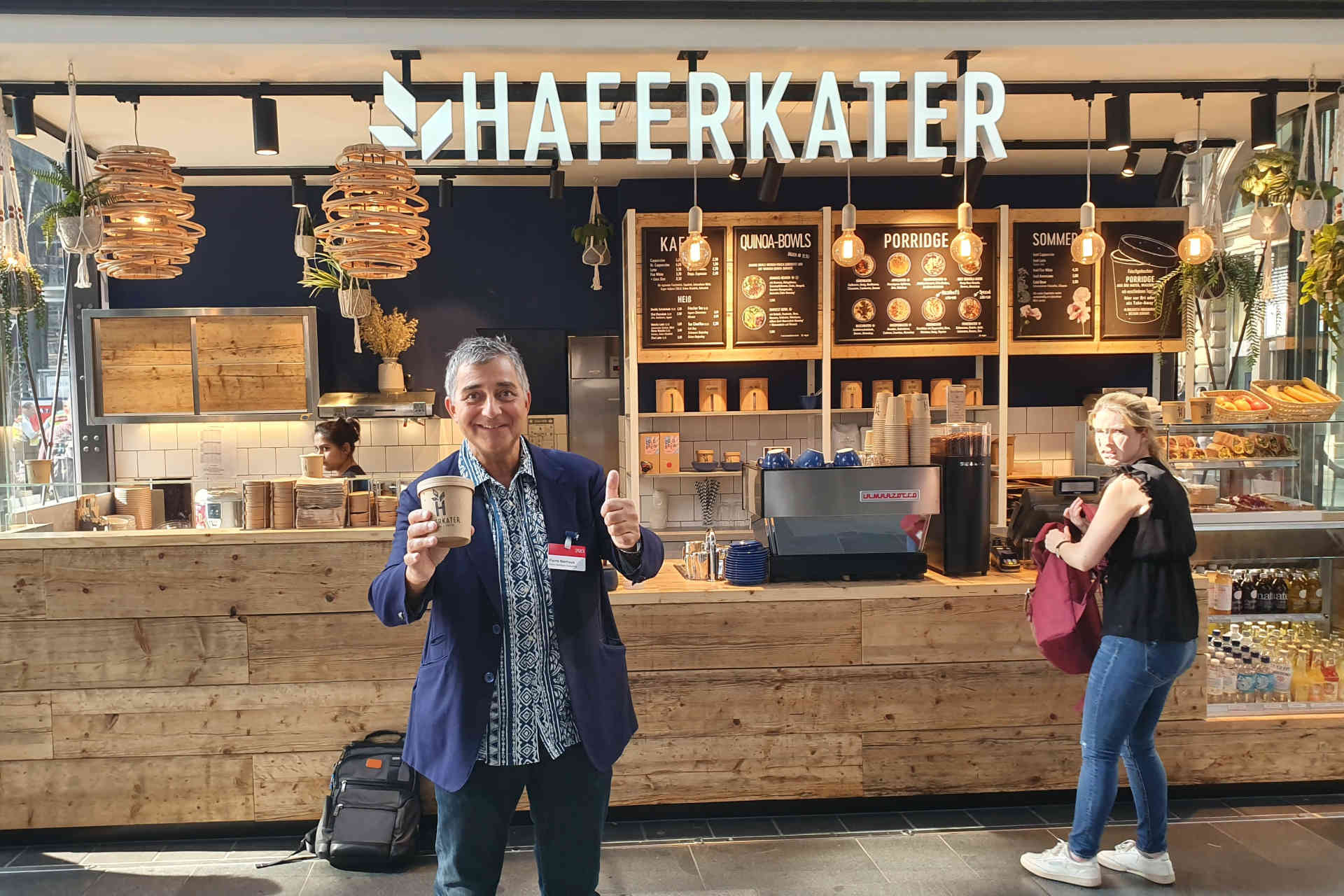
- Haferkater – Porridge and bowls – fast, healthy, vegetarian.
- SUSHIDOG London – Combines sushi with street food convenience – “Build your own sushi.”
- Pret A Manger – A global success model for mindful convenience.
- Le Grand Comptoir, CDG – Brasserie-quality dining in the terminal.
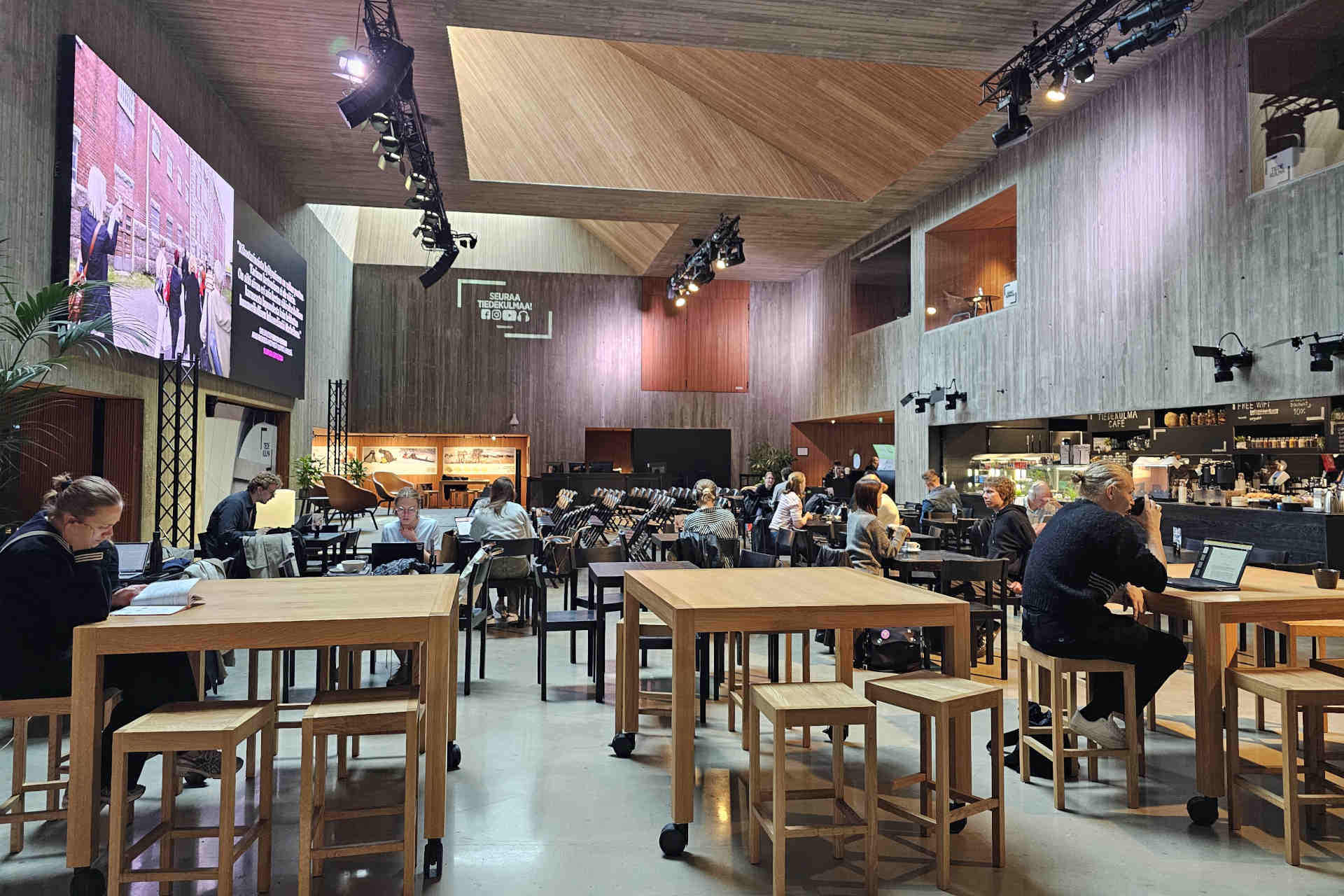
The cafeteria is dead. Long live the social dining room: workplace dining & education
The cafeteria has become a strategic component. New Work, health, sustainability, and employer branding shape the requirements. Food becomes a cultural expression, a social space, and a sign of appreciation. Flexible formats—from grab-and-go to community tables—are replacing rigid setups. Atmosphere instead of canteen ambiance, community instead of function. Especially on office days from Tuesday to Thursday, lunch becomes an important point of contact—both culinarily and socially. Strong concepts are in demand even as meal volumes decline. Workplace catering is no longer just logistics, but a service that shapes identity.
The educational landscape—student dining halls, university catering, and school food services—is increasingly emphasizing professionalism and food culture, with a focus on freshness, responsibility, and educational standards.
The key to success is the combination of sustainability, a focus on health, and the quality of the social experience. Cafeteria spaces are becoming meeting places, learning spaces, and cultural anchors.
BEST PRACTICES
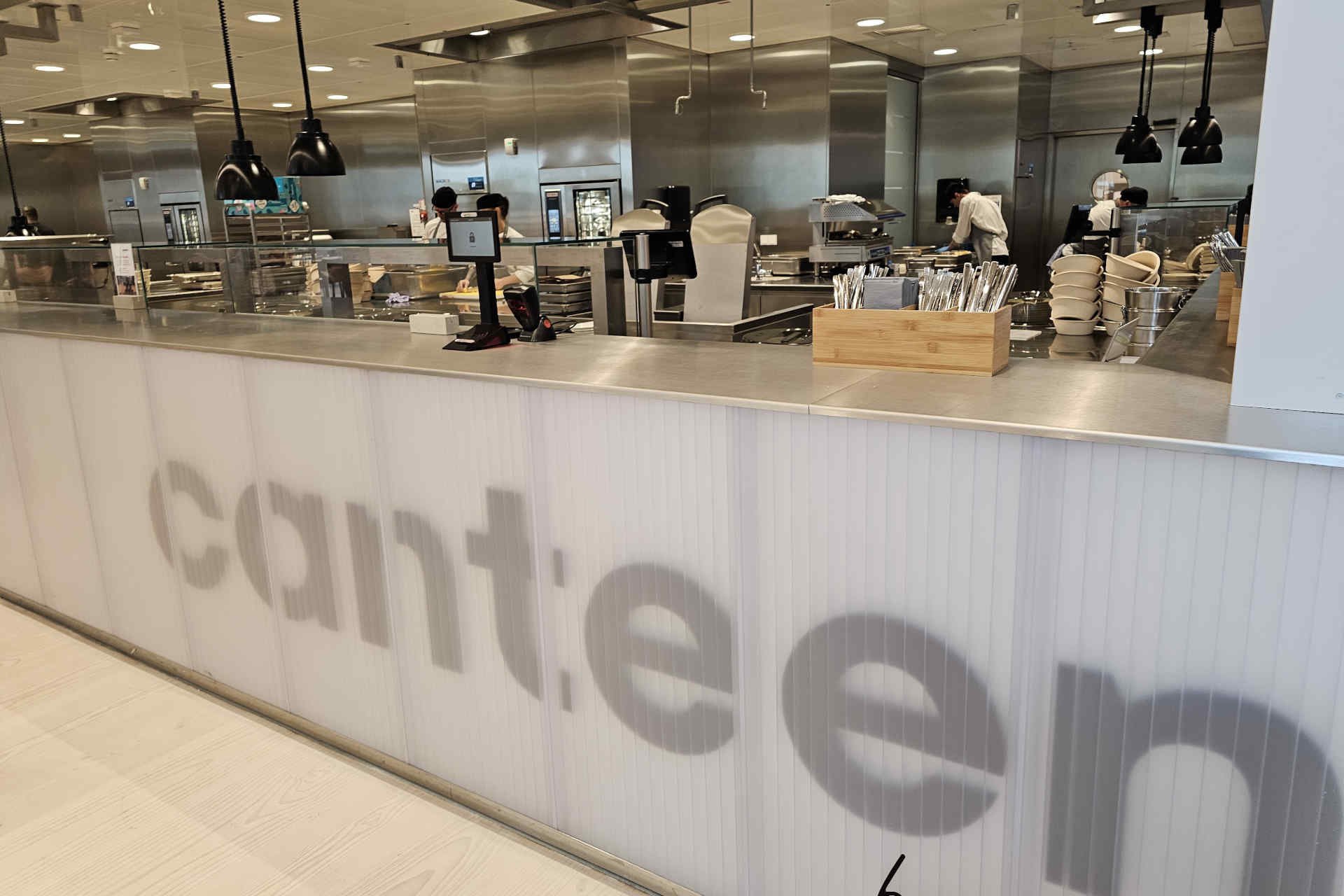
- CANTEEN – Plated meals in the new Axel Springer building, Berlin.
- Apetito Catering – Freshness + educational integration.
- Leonardi – Artisanal production instead of mass production.
- Google Food Programs – Global benchmark for sustainable campus culture.
- Food for Thought, UK – Educational catering with a pedagogical approach.
- THINK CORNER – Café-shop-open workspace at the University of Helsinki.