
“This is a tasty burger.”
In the cult film Pulp Fiction, professional gangster Jules Winnfield takes a hearty bite out of a hamburger from “Big Kahuna Burger,” which wannabe gangster Brett is only too happy to give him—in the hope of being spared. He rarely eats meat because his wife is a vegetarian – which makes him “quasi” vegetarian too, explains Winnfield, played by Samuel L. Jackson, before the scene escalates in the well-known manner.
Raised vegetarian
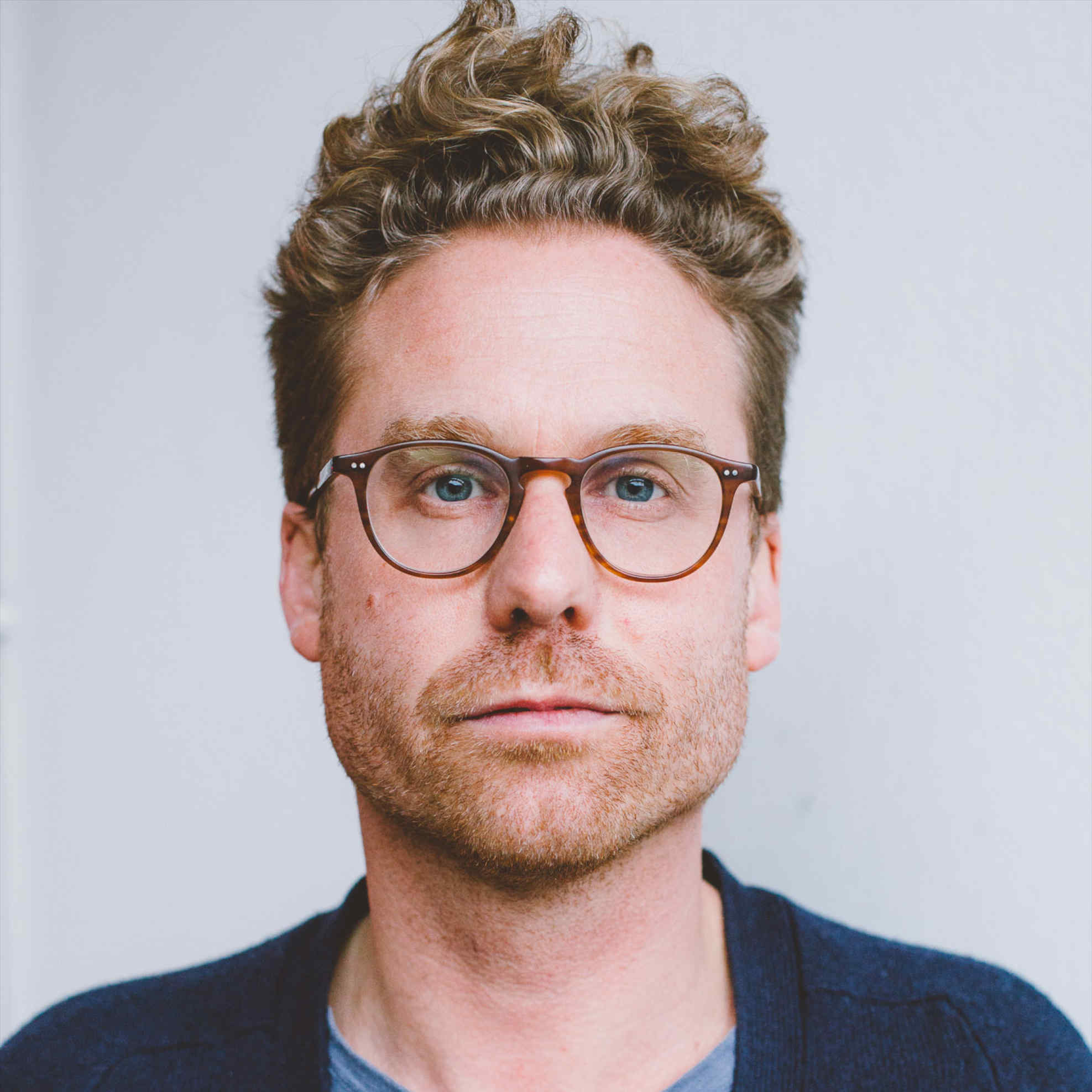
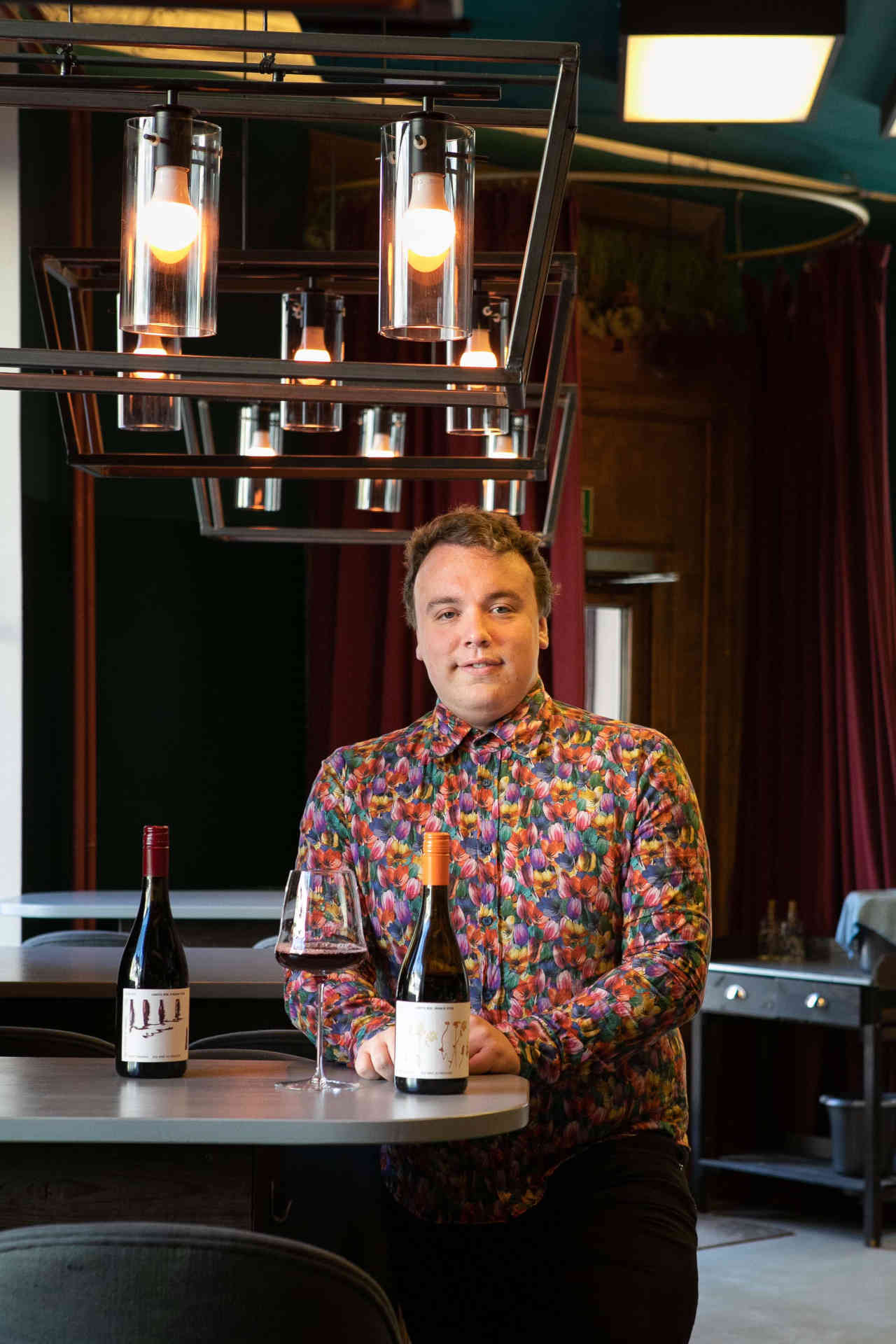
Berlin-based Jules Winnfield is not a quasi-vegetarian. He has always been one. His parents met in the 1980s in one of the city's first vegetarian restaurants—his father, a native of the US, worked there as a chef, while his mother worked in service. At home, too, the family ate vegetarian and organic food. “That was at a time when it was still considered uncool,” says Winnfield, now 37, the youngest of three children, all of whom are still vegetarian or vegan today.
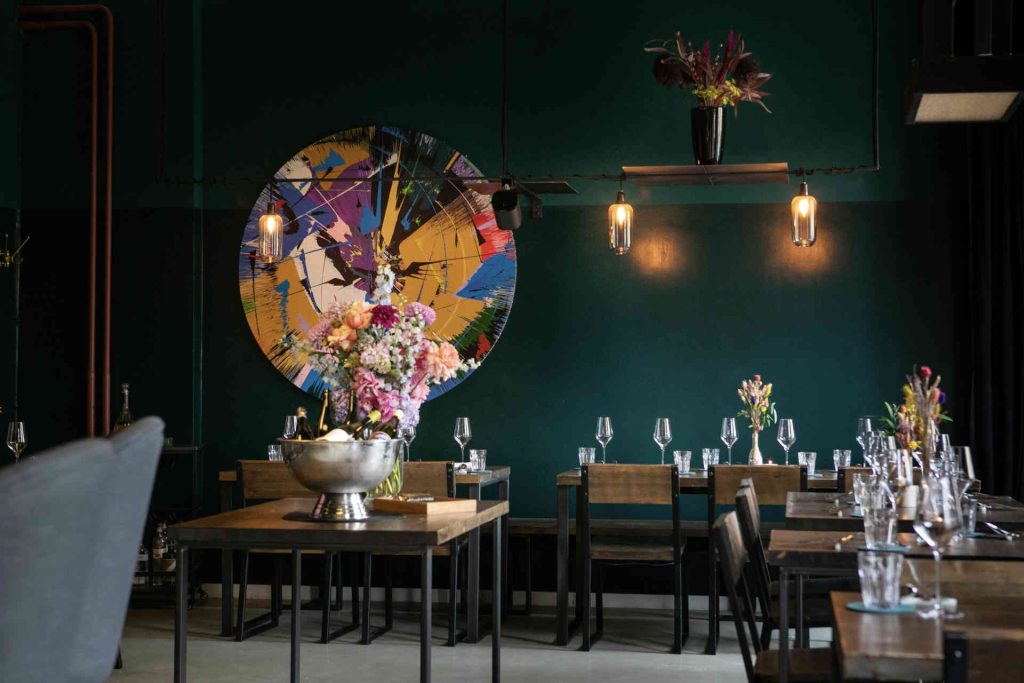
After several years as a successful party organizer and club operator (including the “E4 am Potsdamer Platz”), he turned his plant-based lifestyle into a gastronomic concept. Together with his business partner at the time, he opened the “Bonvivant Cocktail Bistro” in the Schöneberg district in the summer of 2019 – right around the corner from his home. Even during his club days, he enjoyed going out to eat, but he felt there was a lack of really good vegetarian options. When his beverage supplier offered him the opportunity to take over a space in a historic corner building on Goltzstraße, he jumped at the chance—without even having found a chef yet. His requirement: “The main thing is that it's vegetarian, awesome, and delicious.”
The first head chef, Ottmar Pohl-Hoffbauer, proved to be a stroke of luck—an organic and regional expert with a large network and many creative ideas. “He conjured up some amazing dishes,” recalls Winnfield. Local food critics were enthusiastic, and many guests came specifically because of the positive reviews. At the same time, the restaurant established itself as a hip brunch and bar spot. The mixed concept was just gaining momentum when COVID-19 hit: lockdown, the restaurant completely closed, no delivery service, no takeaway.
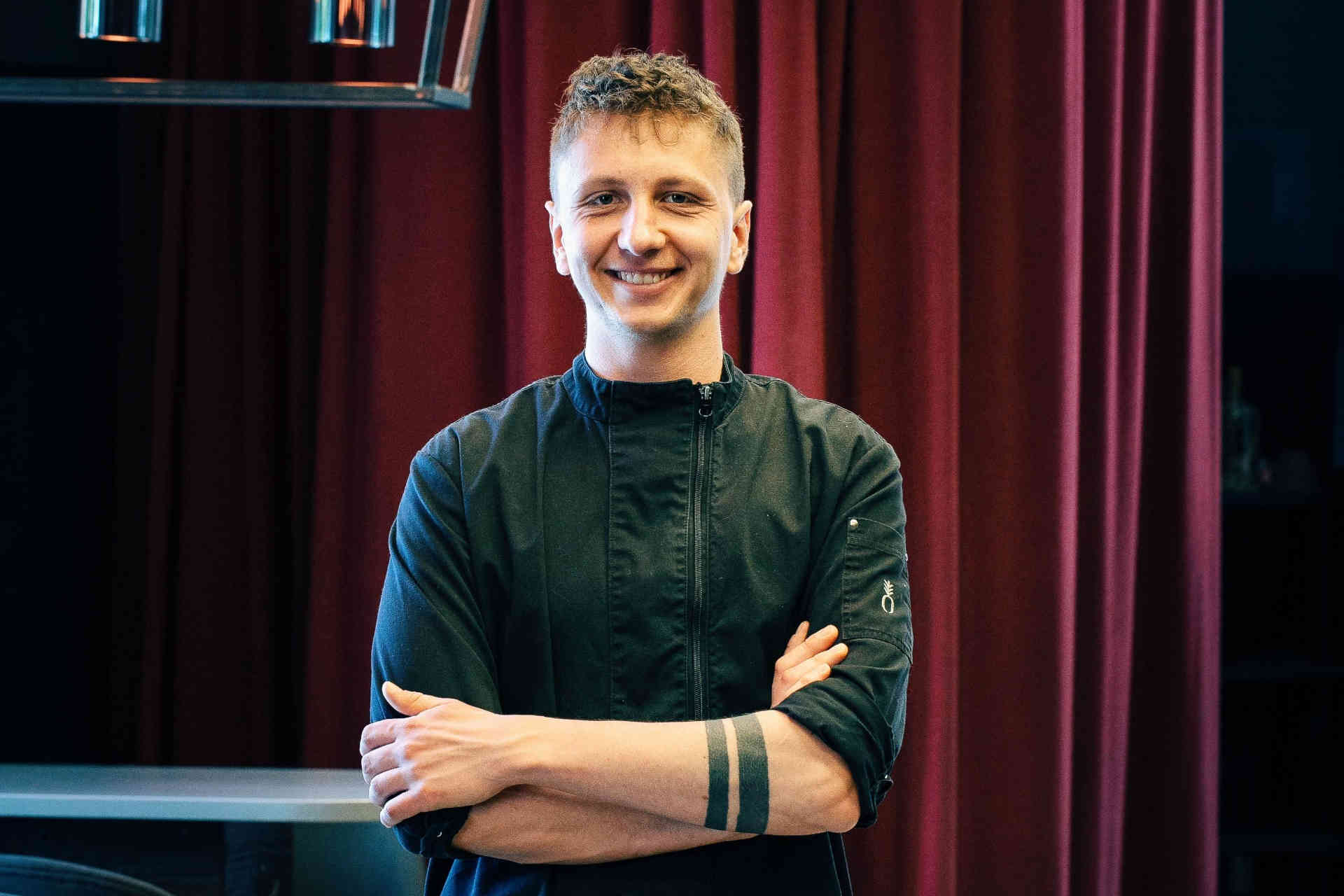
But internally, things were anything but at a standstill: the two trainees in the kitchen were intensively trained in vegetarian cuisine, new dishes were tried out, and later pop-ups were organized. Despite all the adversity, Winnfield stuck to his vision – and Bonvivant survived the pandemic-induced crisis. With Nikodemus Berger as the new head chef from 2021, the concept continued to gain momentum. Born and raised in Vienna, a vegetarian since early childhood, with stints at Le Meridien Vienna, Reinstoff, and Le Faubourg in Berlin, he further developed the dining concept—in close collaboration with bar manager Elias Heintz, exciting food-cocktail pairings were created, including non-alcoholic options.
Modern star-rated gastronomy
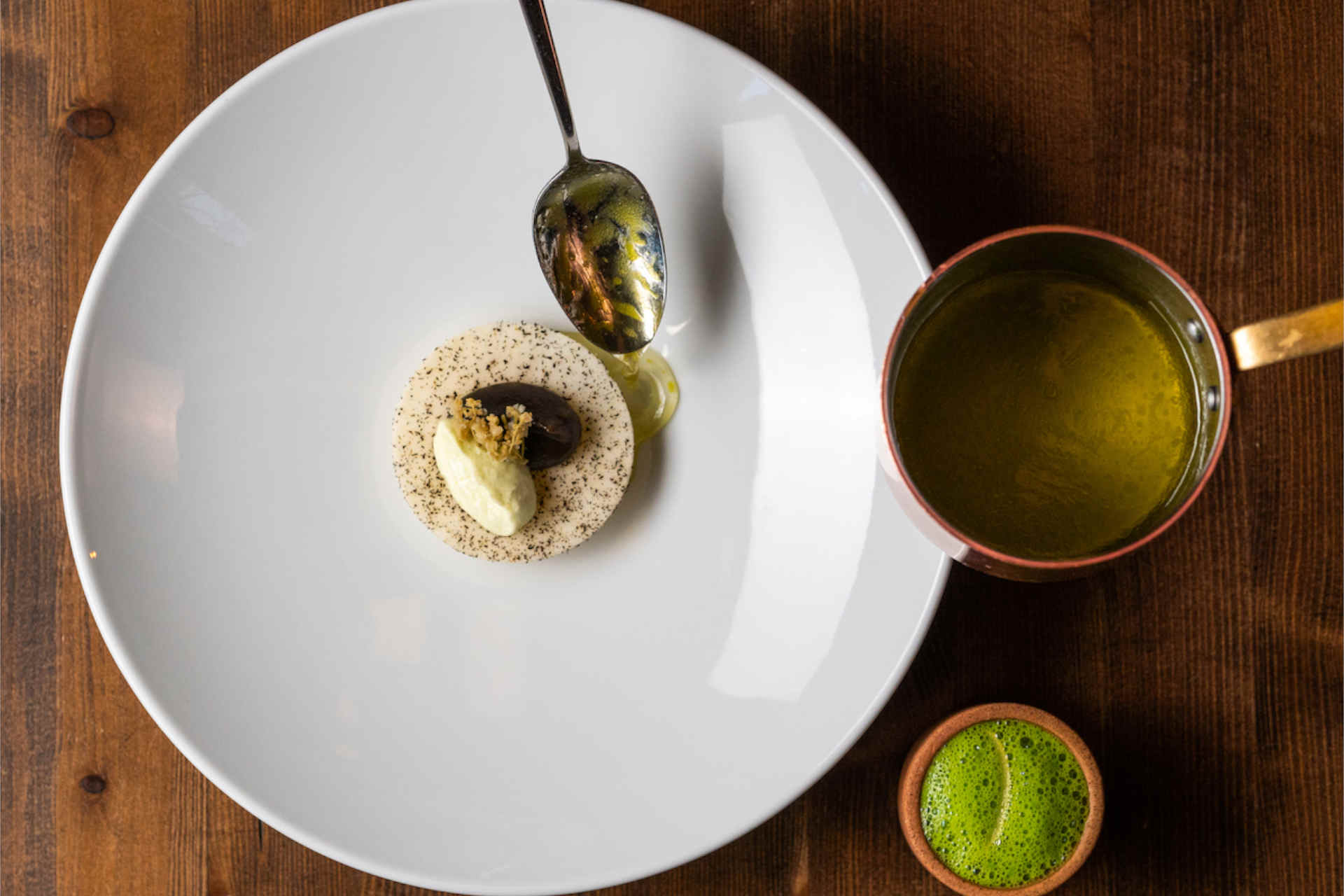
In April 2023, their efforts were rewarded with a Michelin star. According to Winnfield, this was never the declared goal, but it symbolizes the change in top-class gastronomy. The Bonvivant Cocktail Bistro shows that there is another way: without imported luxury products, but with regional ingredients – some of which are collected, fermented, and refined in-house. With a relaxed, often exuberant atmosphere – whether in the evening or at brunch. With a structure that focuses on co-determination and variety instead of top-down principles and monotonous support work.
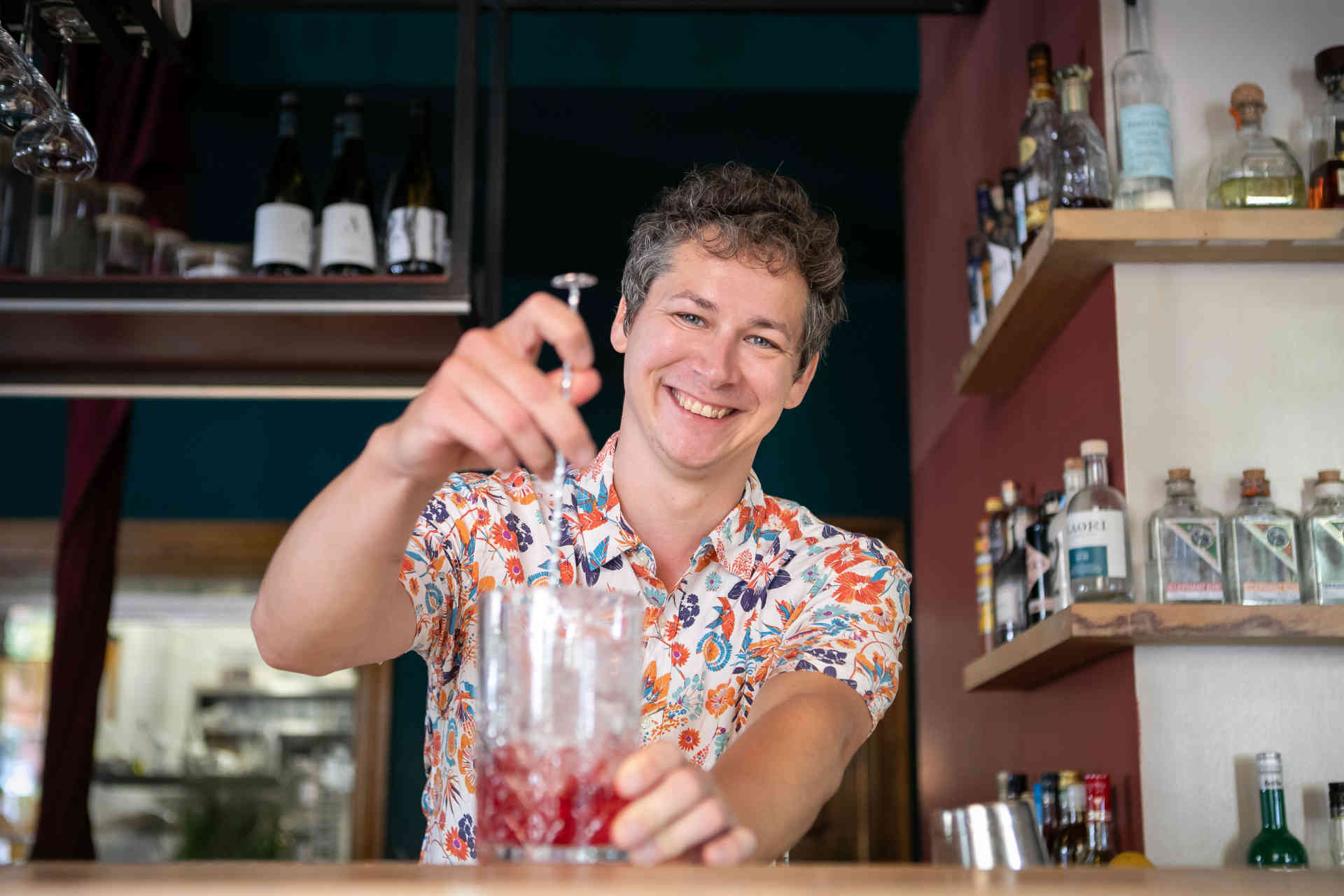
“It mustn't be boring, that's the most important thing,” emphasizes Winnfield. In his opinion, burnout and boreout in the industry are mainly caused by employees having to do the same thing every day and having little opportunity to contribute creatively. At Bonvivant, the service staff also work behind the bar – and vice versa. Everyone is allowed to get involved in the kitchen, for example at the “Nachwuchs-Takeover” dinner event, where the trainees design the menu. "To this day, there is no memo stating what I expect. Everyone should bring their ideas to the table. If you don't get the opportunity to contribute, you don't feel like it's your concept too." At the large round table in the gallery, decisions are made collectively about what to try out or adopt – such as oshibori towels, an idea from the service team.
A young team
The result: employees stay here significantly longer. “Or they complete their training, work elsewhere in the meantime, and then return,” reports Winnfield. The team is very young, with an average age of mid-twenties. This also presents challenges: few of them go to restaurants in this price category themselves – even though Bonvivant remains one of the most affordable one-star restaurants in the city.
He sometimes has to explain that upselling is not a rip-off, but can be an added value for both the business and the guest. To strengthen their sense of the league they are playing in, they sometimes play poker: the winnings from a poker evening were vouchers for restaurants such as Cookies Cream, Merold, or the vegan Oukan.
Since January 2025, the menu at Bonvivant has been completely plant-based. The plan is to replace eggs with plant-based alternatives at brunch as well. However, vegetables alone are not always enough: “Who wants celery and kohlrabi when they come to us with a hangover?” says Winnfield with a laugh.
On course for expansion
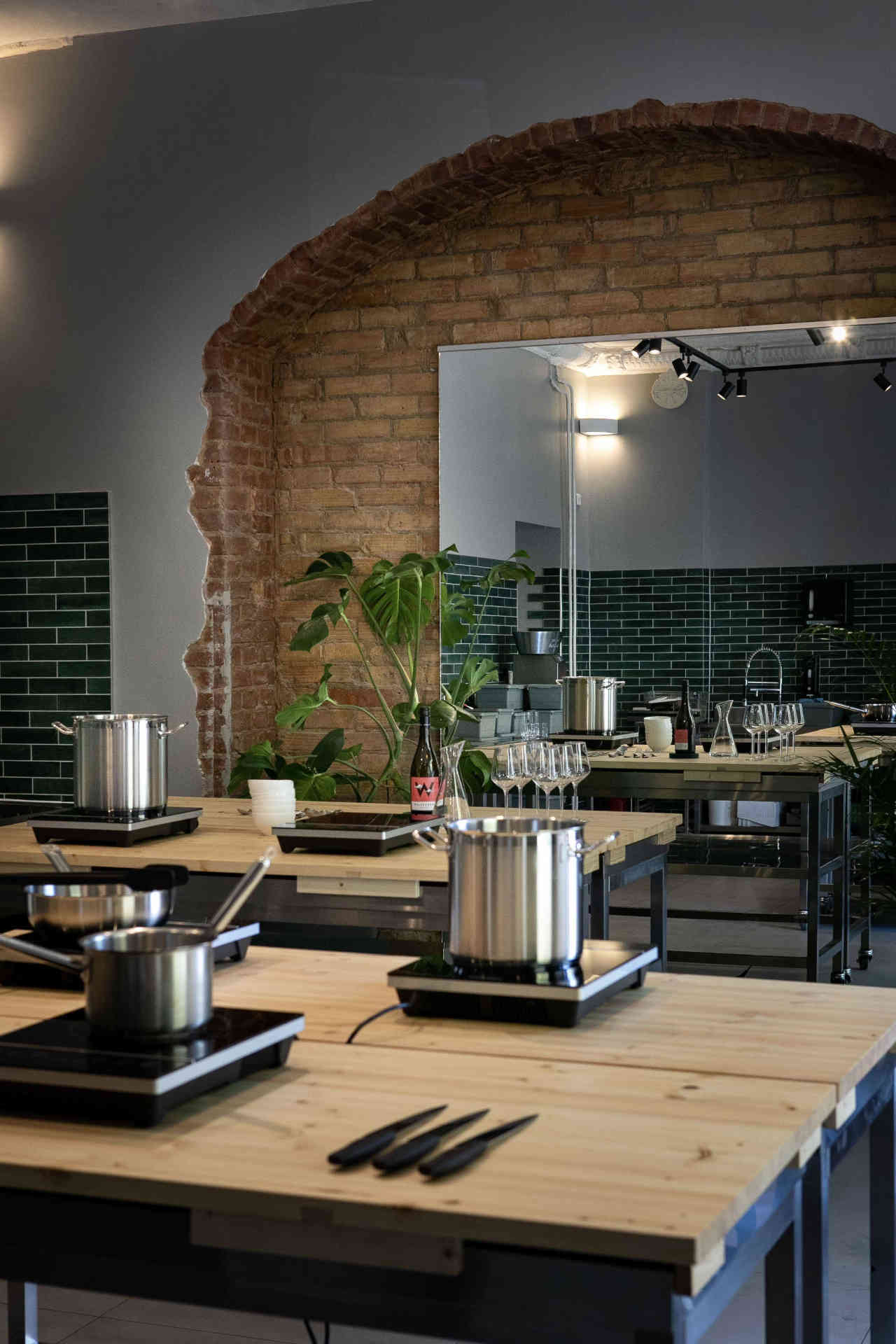
Several satellites have now sprung up around Bonvivant. In 2023, the former second-hand shop next door became Studio 32, which offers cooking, baking, and cocktail courses. Thanks to a breakthrough to the restaurant kitchen, the space also serves as a preparation kitchen. The neighboring focacceria “caramia” was also taken over and continued under the existing concept. In 2024, a second studio opened in Kreuzberg for culinary B2B and B2C events. And in 2025, the “Bonvivant” was awarded the Green Michelin Star for its well-thought-out sustainability concept.
Bonviwandel communicates sustainability
Sustainability is a matter of course for him, says Winnfield: “That's how I live and how I was raised.” Using resources sensibly and not wasting anything was normal for him—until he entered the restaurant industry. “I didn't know before that things were different here.”
That's why many things are done “differently” at Bonvivant: broccoli stalks are not thrown away, but peeled and used as salad ingredients. Glasses with small flaws are sanded down and reused. These are just two examples of many. The restaurant now even has its own sustainability officers in its team of over 40 employees to take care of the big picture. The Bonviwandel campaign aims to share even more sustainable tips on Instagram in the future and promote exchange with other businesses. Winnfield: “Broccoli stalks and cauliflower leaves are not waste. Many people think that sustainability costs time and money – but if you use it wisely, it can be economical.”
Focus on catering
Winnfield will host the next team event—a sports tournament—in the gym of the neighboring school, whose students already take cooking classes at Studio 32. Parallel to its local involvement, the company's international visibility is also growing through participation in master classes, four-hands dinners, and other events at home and abroad.
Expansion is also on the agenda: the catering business, which has been successful but hardly advertised to date, is to be significantly expanded. And Winnfield is already looking at other restaurant spaces in the city. His motivation remains unbroken: “I get up on Mondays and feel like going to work. I think that's a good sign – after six years.”
One last question remains: where does the name Jules Winnfield actually come from? Of course, the creator of Bonvivant has a different real name. He will be happy to tell you how he came up with the name – if you are his guest.
7 things restaurateurs can learn from the Bonvivant concept
- Variety is everything:
Frequent changes between positions and tasks, new themes, and offers help combat monotony and “boreout.” - Transferring responsibility:
Being able to have a say and help shape things, from decoration to trainee dinner events, promotes a sense of togetherness. - Teasing out vegan wow effects:
The variety of flavors in plant-based products and skillful preparation techniques will win over even meat eaters. - Cocktail pairings with and without:
Mixed drinks can be used to create fantastic, complementary, and complementary pairings. Without alcohol, of course! - Living sustainability holistically:
Ecologically, economically, and socially—from the complete utilization of food to respectful treatment within the team. - Making sustainability visible:
A campaign such as “Bonviwandel” makes the commitment transparent to guests and invites colleagues to participate. - Using USPS beyond the restaurant:
Showcase sustainable expertise in cooking and cocktail courses, catering, collaborations, and at trade events!
From Genusspunkt 3/2025