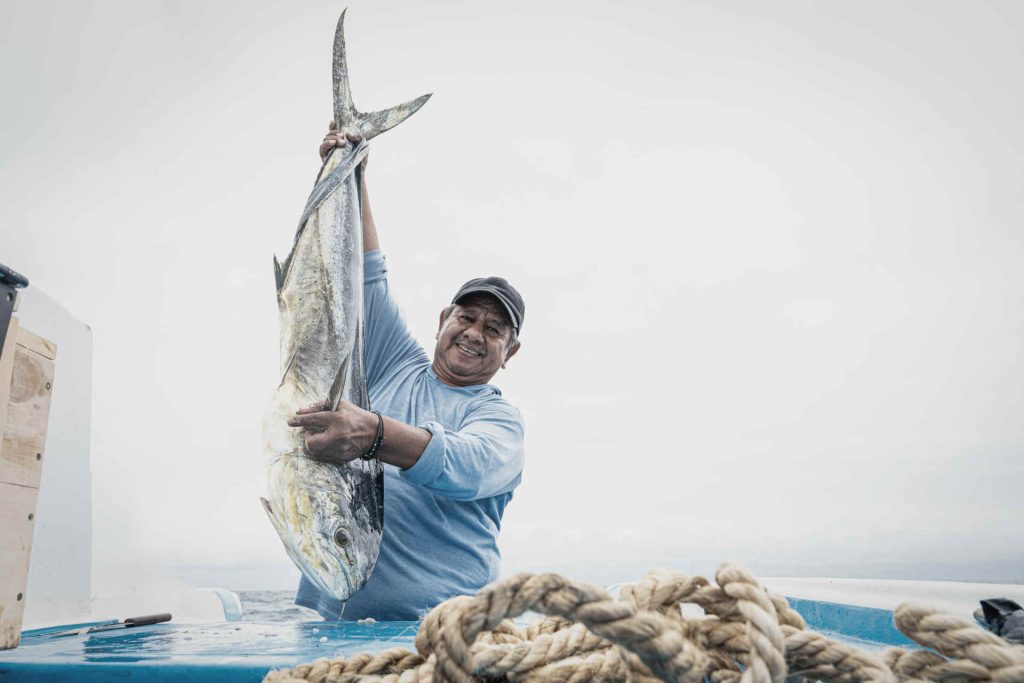
“Let's listen to the ocean together before it falls silent.”
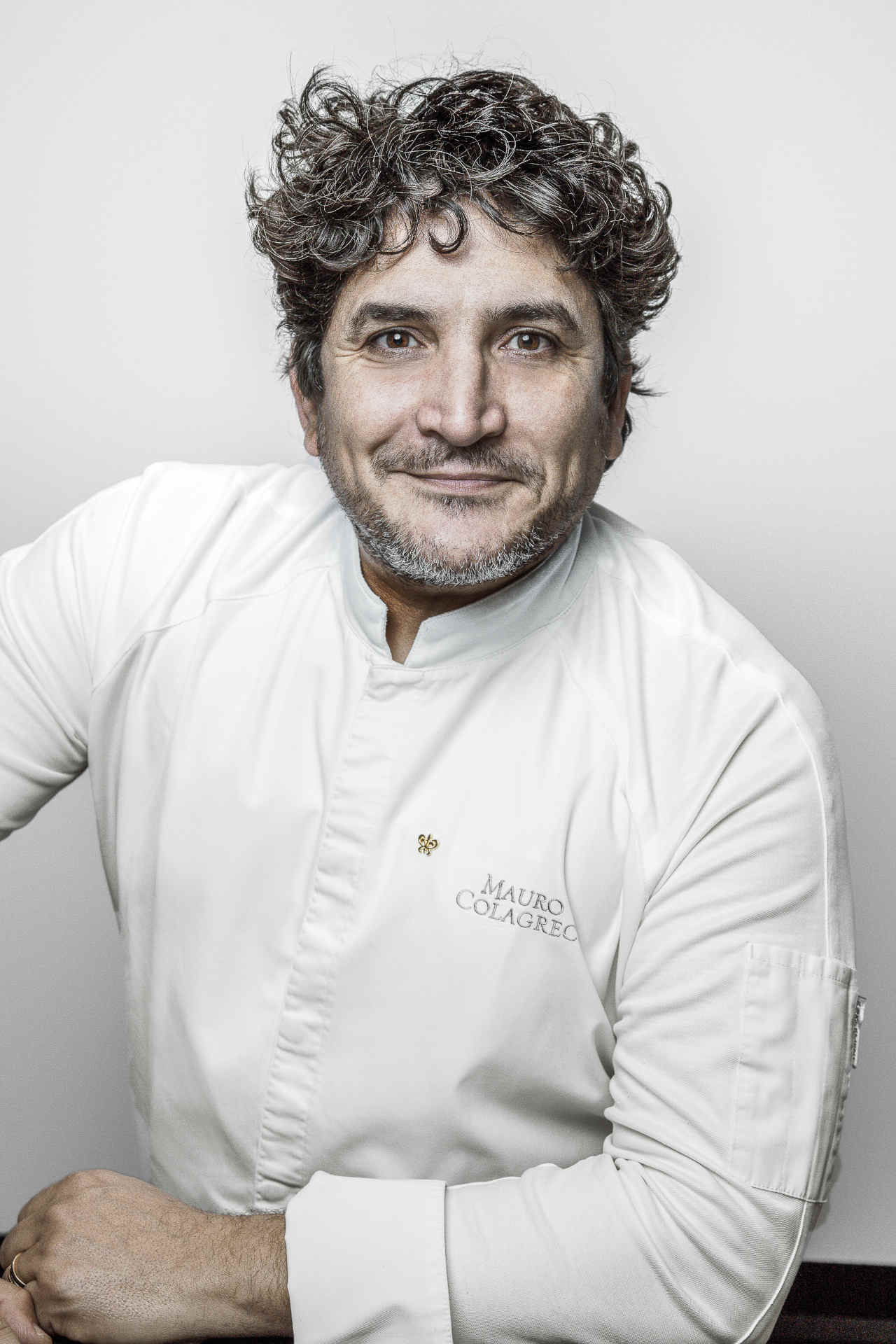
Mauro Colagreco, Vice President of Chefs, Relais & Châteaux
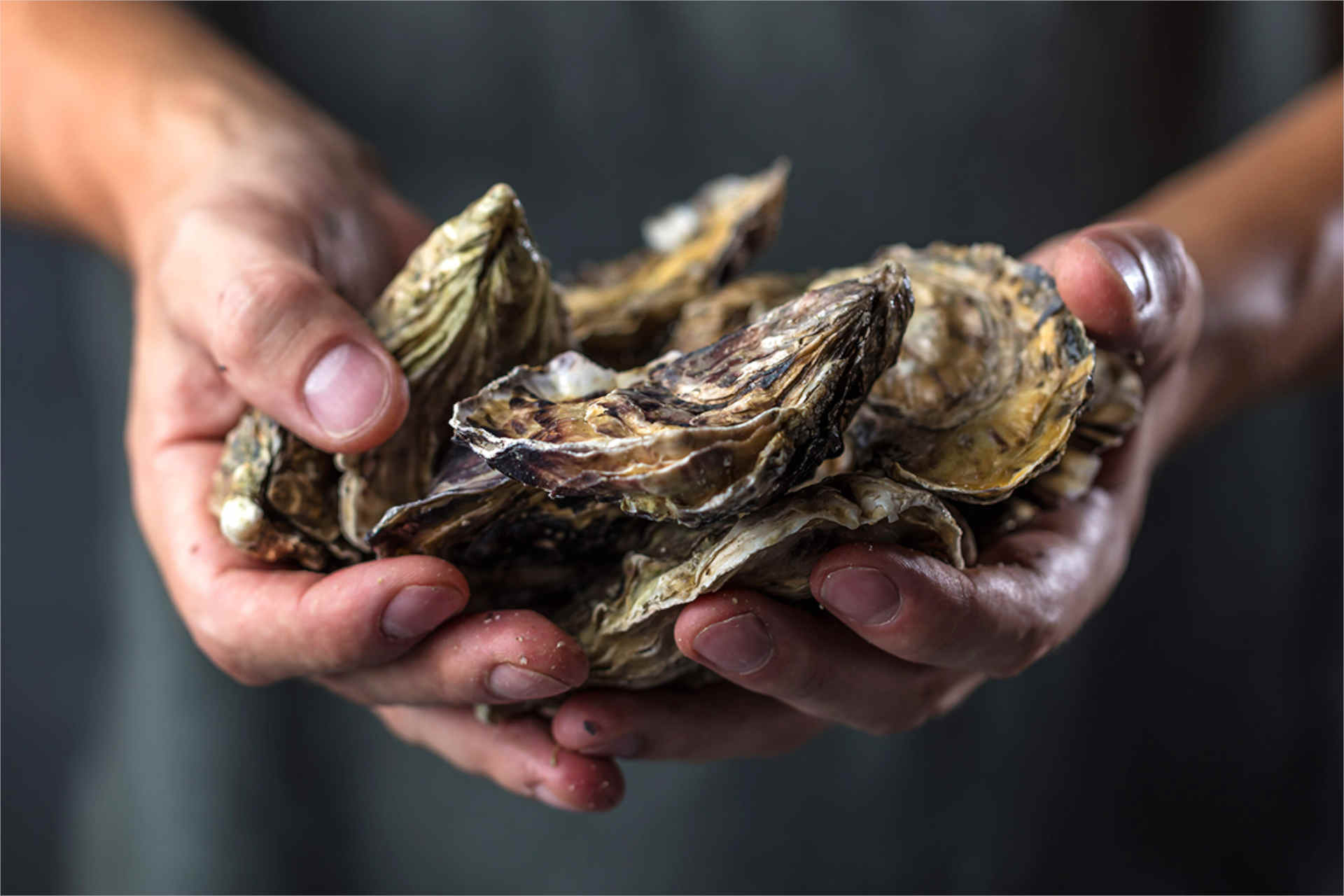
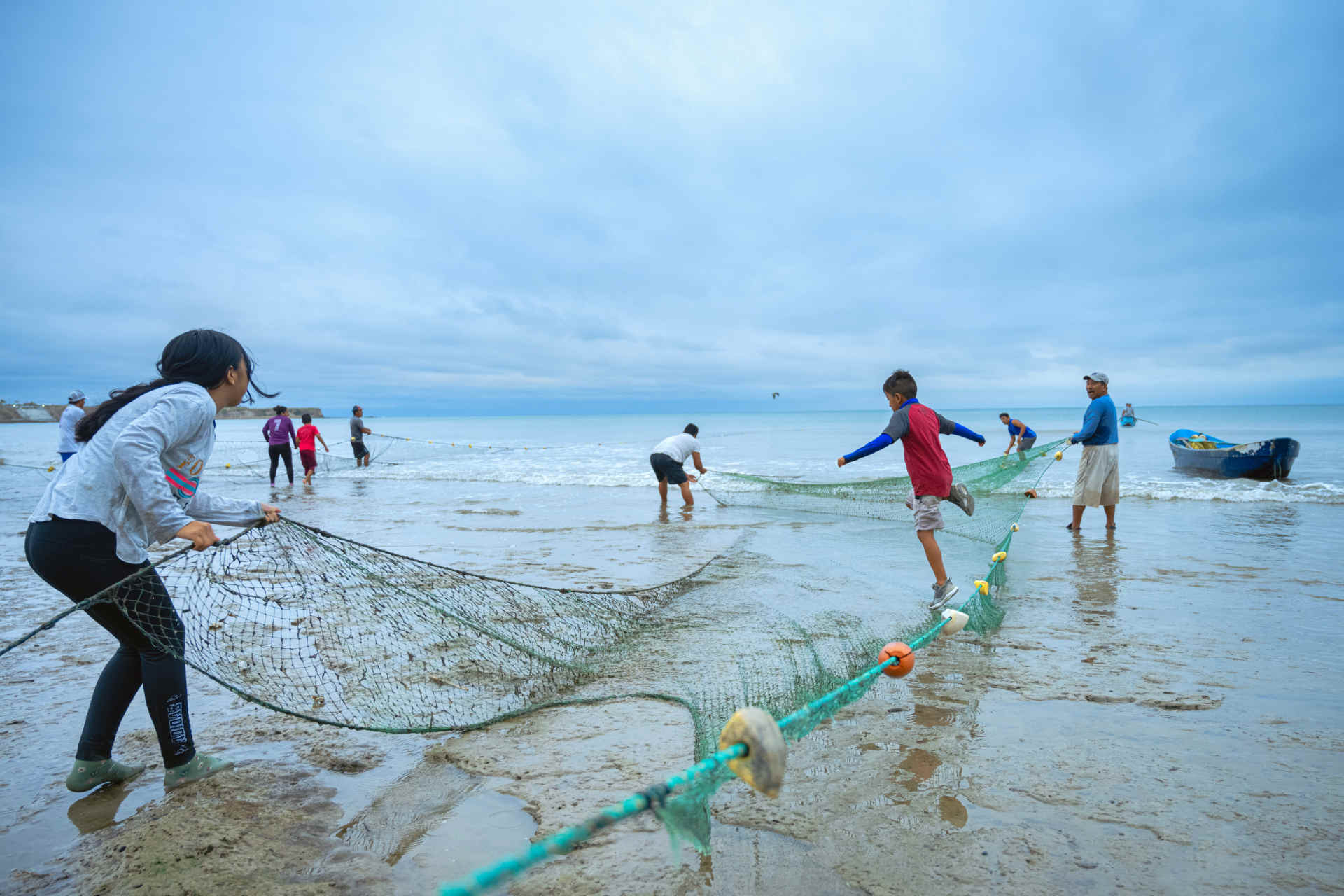
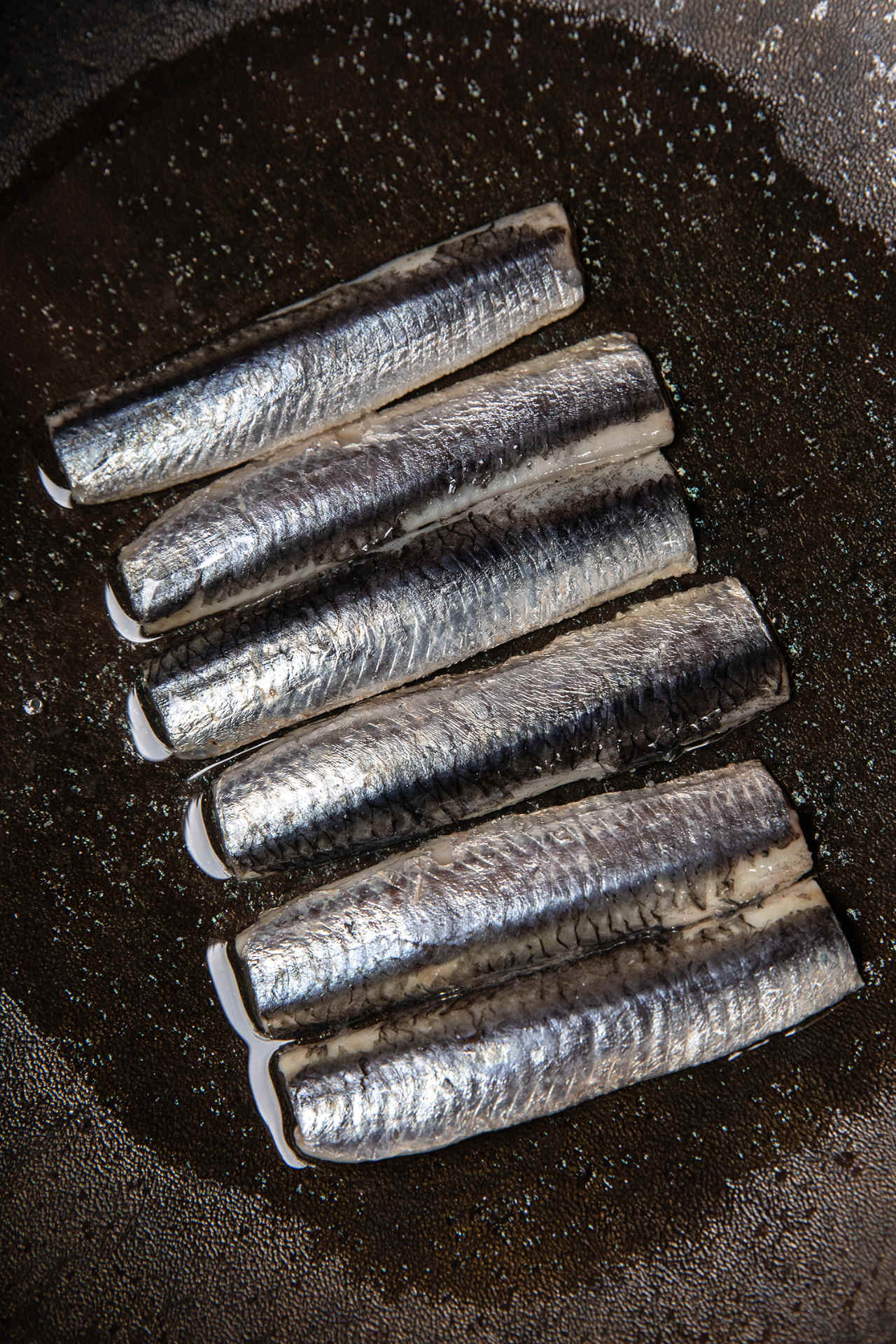
When culinary excellence becomes an ecological statement—and top chefs take responsibility: Sustainability doesn’t end with packaging—it begins with product selection. This is impressively demonstrated by the Relais & Châteaux association, which, with over 580 member establishments, is considered the world’s largest gourmet community. Together with the NGO Ethic Ocean, it has launched an initiative that could not be more consistent: its chefs are committed to removing endangered fish and seafood species from their menus until stocks have recovered.
With these words, Mauro Colagreco, three-star chef and pioneer of ethical cuisine, calls on his colleagues worldwide to take action. Because what ends up on our plates affects not only our enjoyment, but entire ecosystems. Whether Atlantic wild salmon, European eel, or crab: many popular species are on the Red List. And this is exactly where the campaign comes in.
The initiative is having an impact: 84% of members have already stopped serving eel, many of them permanently. Other species such as bluefin tuna were banned back in 2009, with measurable success: thanks to such measures, stocks in the Northeast Atlantic are no longer considered overfished (ICCAT 2022).
With this stance, Relais & Châteaux is positioning itself not only as a network for first-class hotels and cuisine, but also as a voice for change in the restaurant industry. A voice that should be heard – before the ocean falls silent.
Takeaway without a guilty conscience – and with social added value: since its relaunch in 2024, the TafelBox has become one of the most effective tools against food waste in Austria. The simple principle: guests take leftover food home with them – and at the same time donate to a good cause. For every box sold, 20 cents go directly to Die Tafel Österreich to provide people affected by poverty with rescued food.
Vienna-based start-up and-less is revolutionizing commercial kitchens with a simple but ingenious reusable idea: Sustainability in the hospitality industry doesn’t start with the guest’s plate – it often starts much earlier, behind the scenes. One example of this is communal catering: every day, thousands of meals are delivered to schools, nursing homes, and canteens in disposable containers, which end up in the trash immediately after being emptied. Barely visible to the public, this creates a mountain of waste that, according to and-less, is equivalent to the area of around 181 soccer fields every year.
When culinary excellence becomes an ecological statement—and top chefs take responsibility: Sustainability doesn’t end with packaging—it begins with product selection. This is impressively demonstrated by the Relais & Châteaux association, which, with over 580 member establishments, is considered the world’s largest gourmet community. Together with the NGO Ethic Ocean, it has launched an initiative that could not be more consistent: its chefs are committed to removing endangered fish and seafood species from their menus until stocks have recovered.