
Employer branding with substance: a strong team is no coincidence
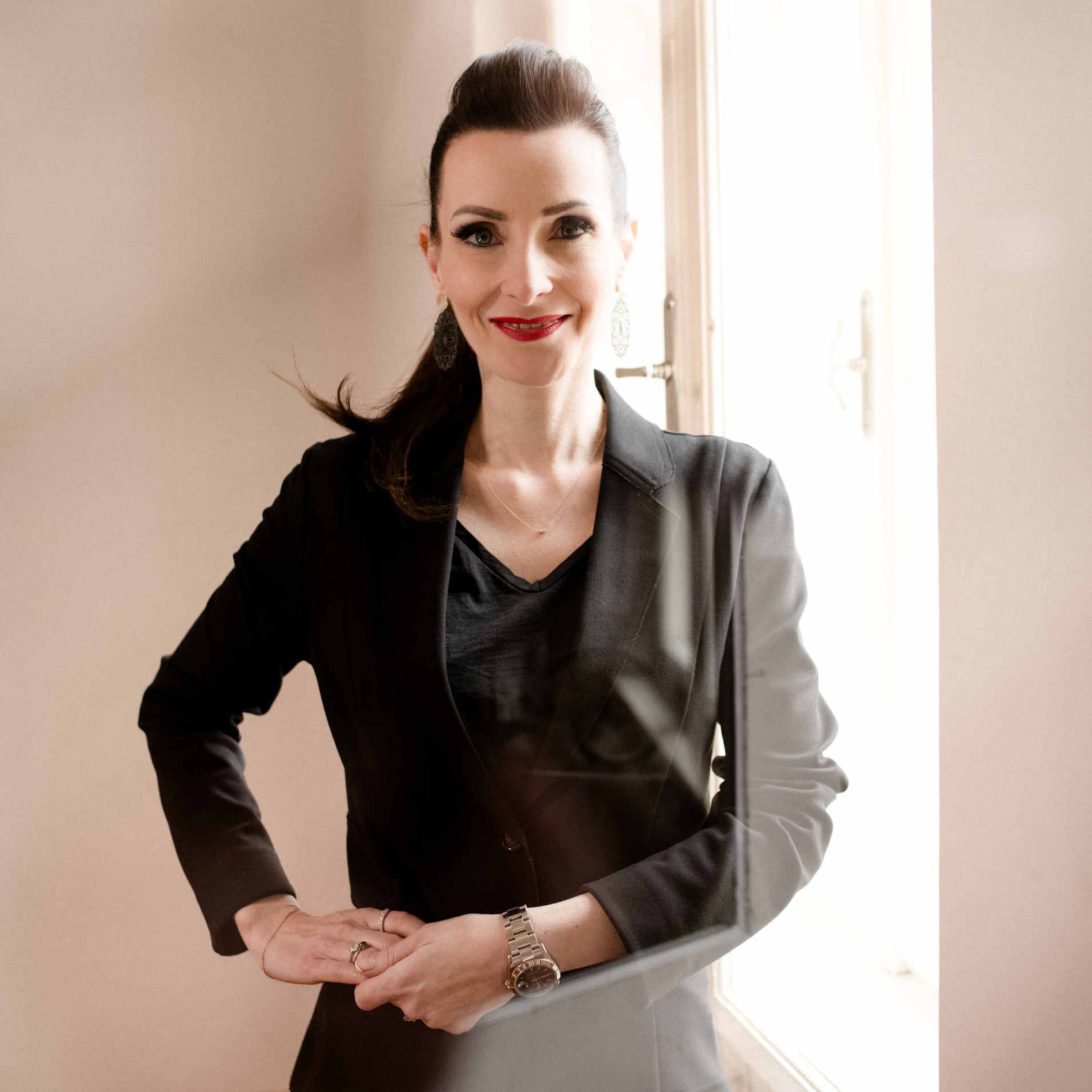
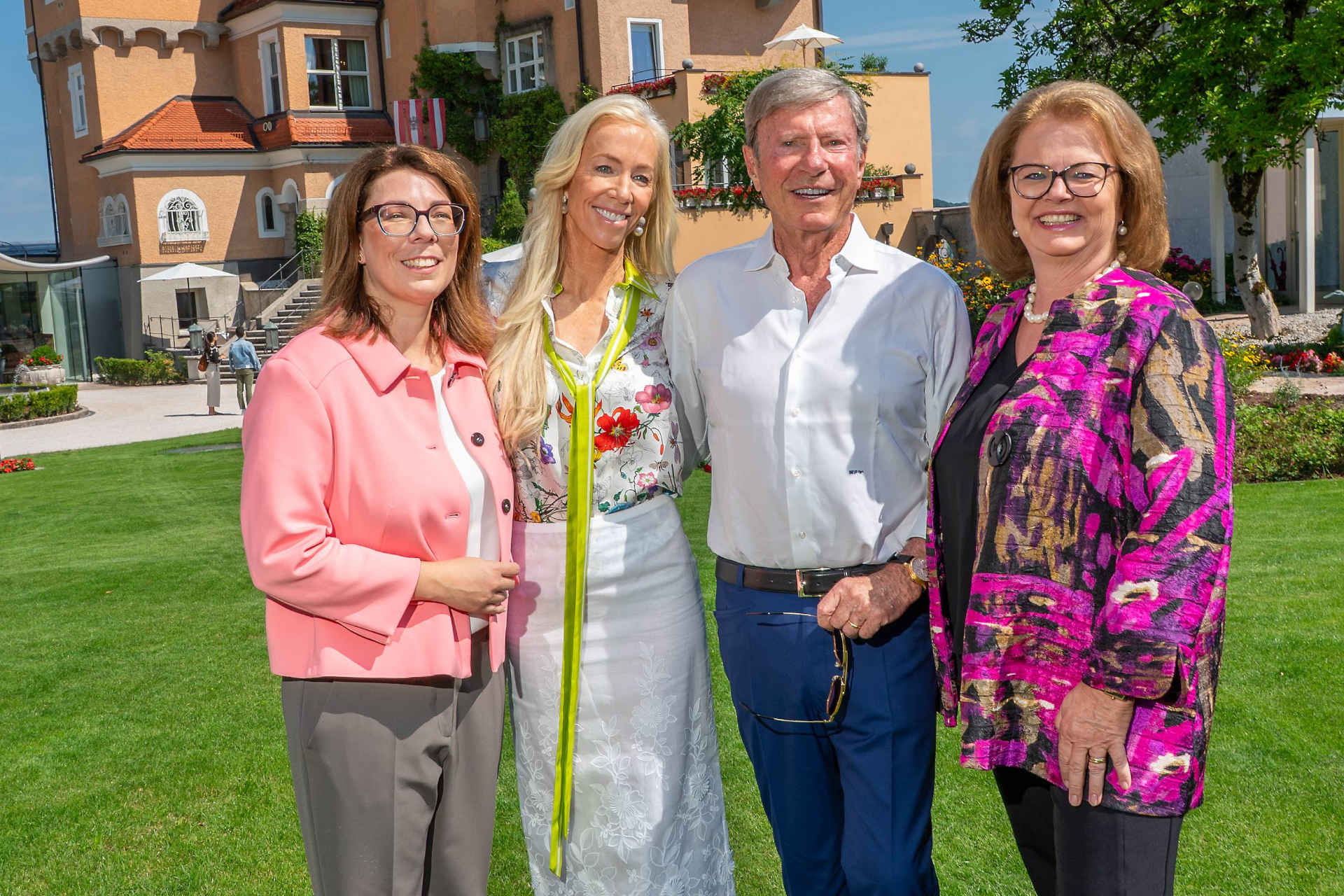
While other hotels complain about high staff turnover and a lack of new talent, Hotel Schloss Mönchstein focuses on employee loyalty through attitude. Many team members have been part of the hotel for more than a decade - a phenomenon that has become rare in the hotel industry. Hotel Director Samantha Teufel puts this down to a consistent and employee-oriented concept: family-friendly structures, targeted further training and the opportunity to gain experience in partner companies.
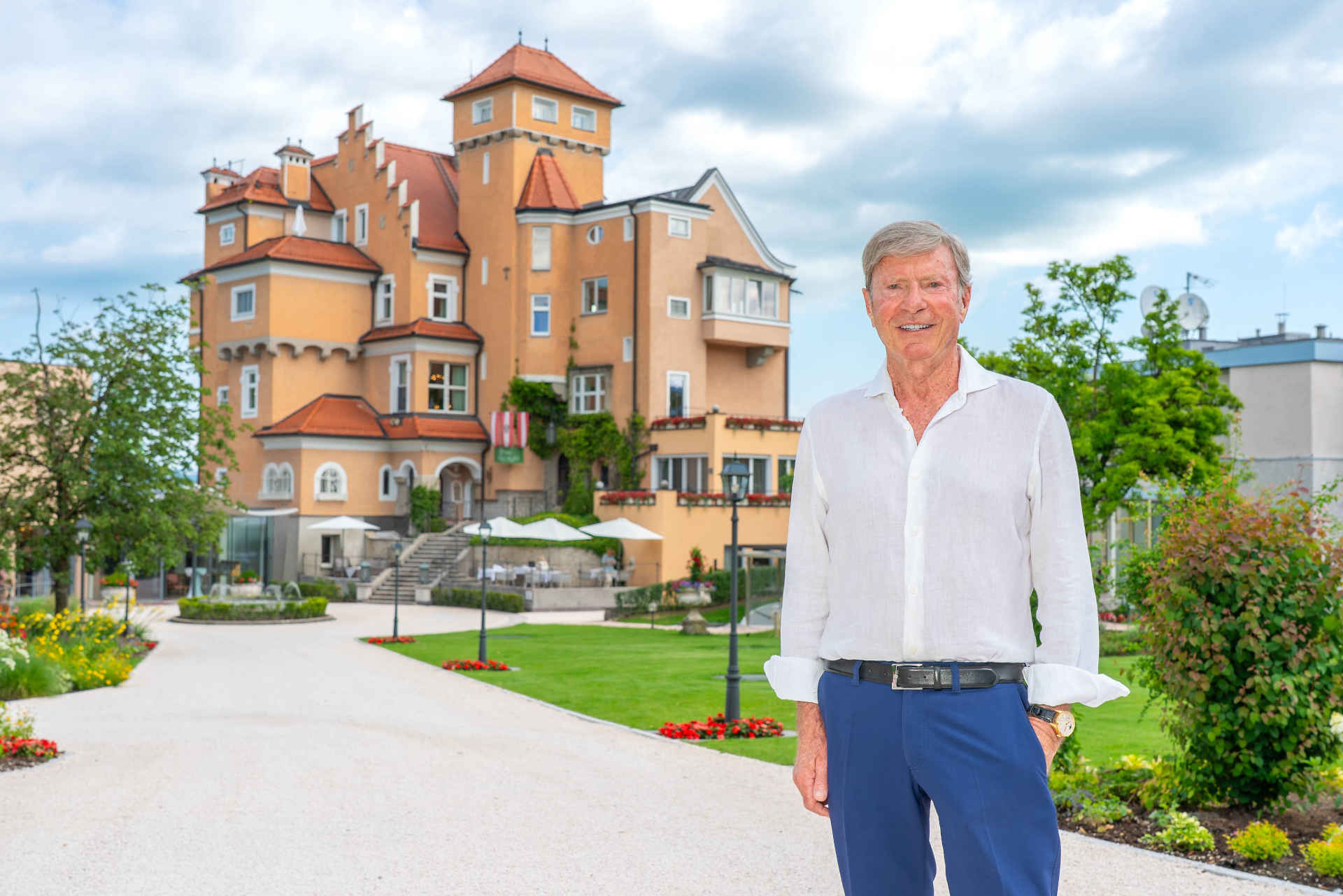
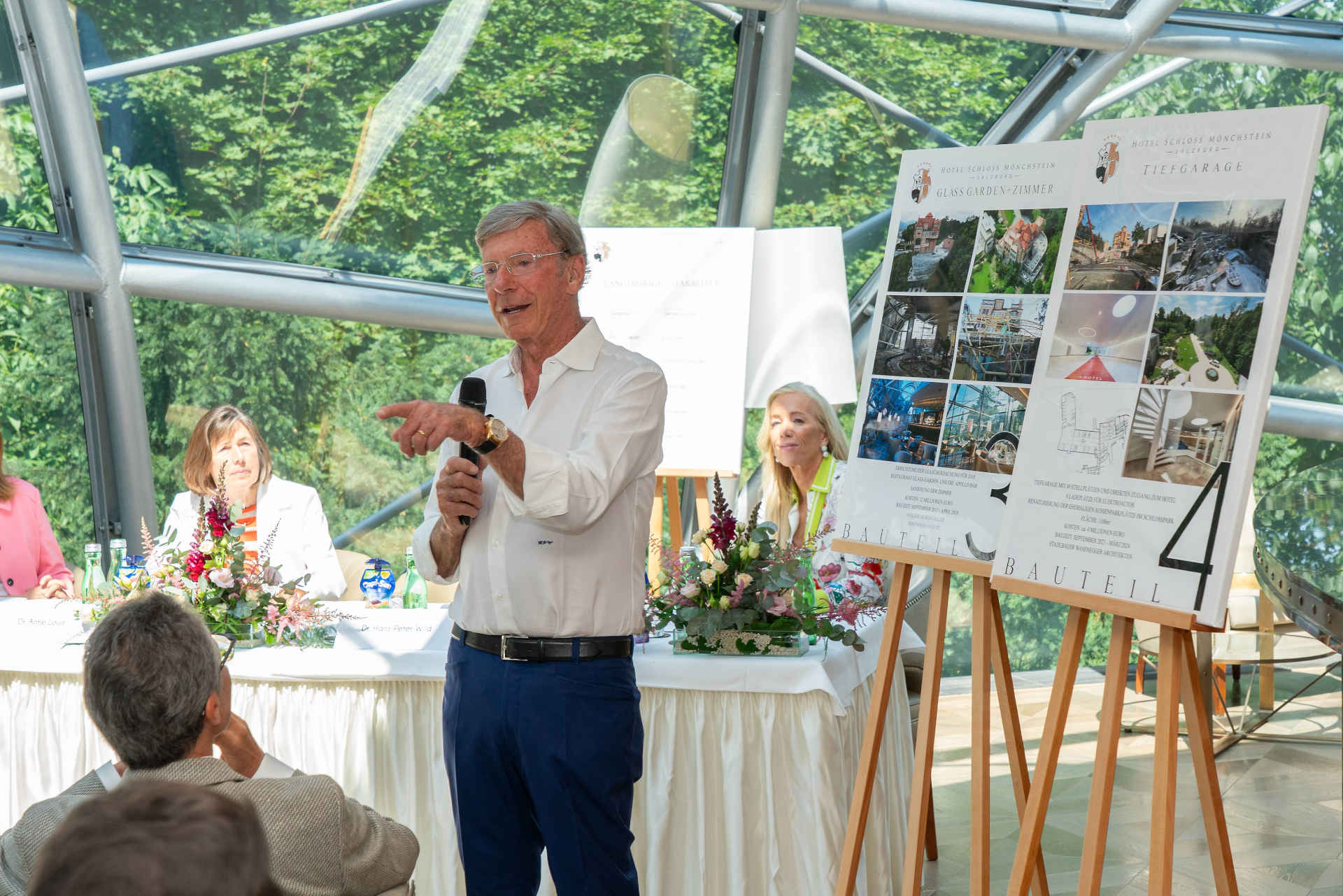
The fact that this model works is also evident in 2025 - the year in which the hotel celebrates 20 years under the management of owner Hans-Peter Wild. Instead of a grand self-presentation, the focus is on what characterizes this place: the people who run it.
Industry conclusion: Sustainable employer branding only works if appreciation is visible and development is possible. The Mönchstein is a best-practice example of this.
Living individuality: 24 suites - 24 characters
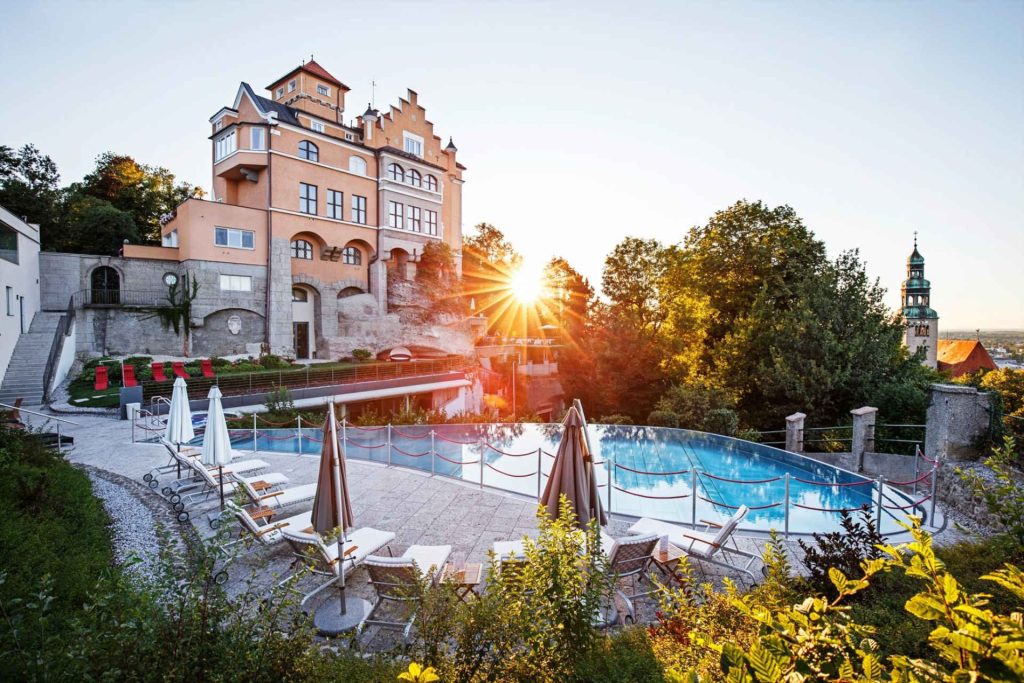
Instead of standardized luxury rooms, the Schlosshotel focuses on unique pieces with personality. Designer pieces by Christopher Guy, original paintings from the 17th and 18th centuries and custom-made furniture make each of the 24 rooms and suites an architectural statement. At the same time, all are equipped with state-of-the-art technology - a perfect interplay of tradition and innovation.
SEO tip for hotels: Individual positioning is increasingly becoming a differentiating feature - especially in the digital age, where visual staging (social media!) is crucial for branding.
The Glass Garden: Cuisine as an art form and stage
The hotel's own restaurant, The Glass Garden, under head chef Simon Wagner, has established itself as a major player in Austria's gourmet landscape with one Michelin star and four toques. Wagner interprets French cuisine seasonally and regionally and relies on a network of selected small producers. The iconic glass dome with the mouth-blown sculpture by Dale Chihuly creates a sensual and spectacular setting for fine dining enjoyment.
Lesson for the industry: authenticity, product quality and aesthetics in harmony - these are the three pillars of modern top gastronomy.
Wellness rethought: with Pilates, infinity pool and Cadillac
Wellness at Schloss Mönchstein is not just a service, but part of a holistic relaxation concept. Spa manager Georgios Kountouris offers targeted treatments, Pilates sessions and the innovative “Cadillac” training device for regenerative experiences with personal support. External guests also use the offer - an important source of income and touchpoint outside the accommodation business.
Industry insight: The spa area is increasingly becoming a brand within the brand hotel - an attractive additional offer with high potential for local guests and day visitors.
Our conclusion for the future: castle thinking for modern hosts
Hotel Schloss Mönchstein is far more than just a romantic luxury address in Salzburg. It is a successful model for future-oriented hotels that consistently builds on quality, personality and trust. Anyone in the industry looking for long-term positioning, brand-building architecture and a loyal team structure will not only find inspiration here - but also answers. And for those wondering how to celebrate a 20th anniversary without putting themselves at the center of attention - this is how it's done.