
Self-sufficiency
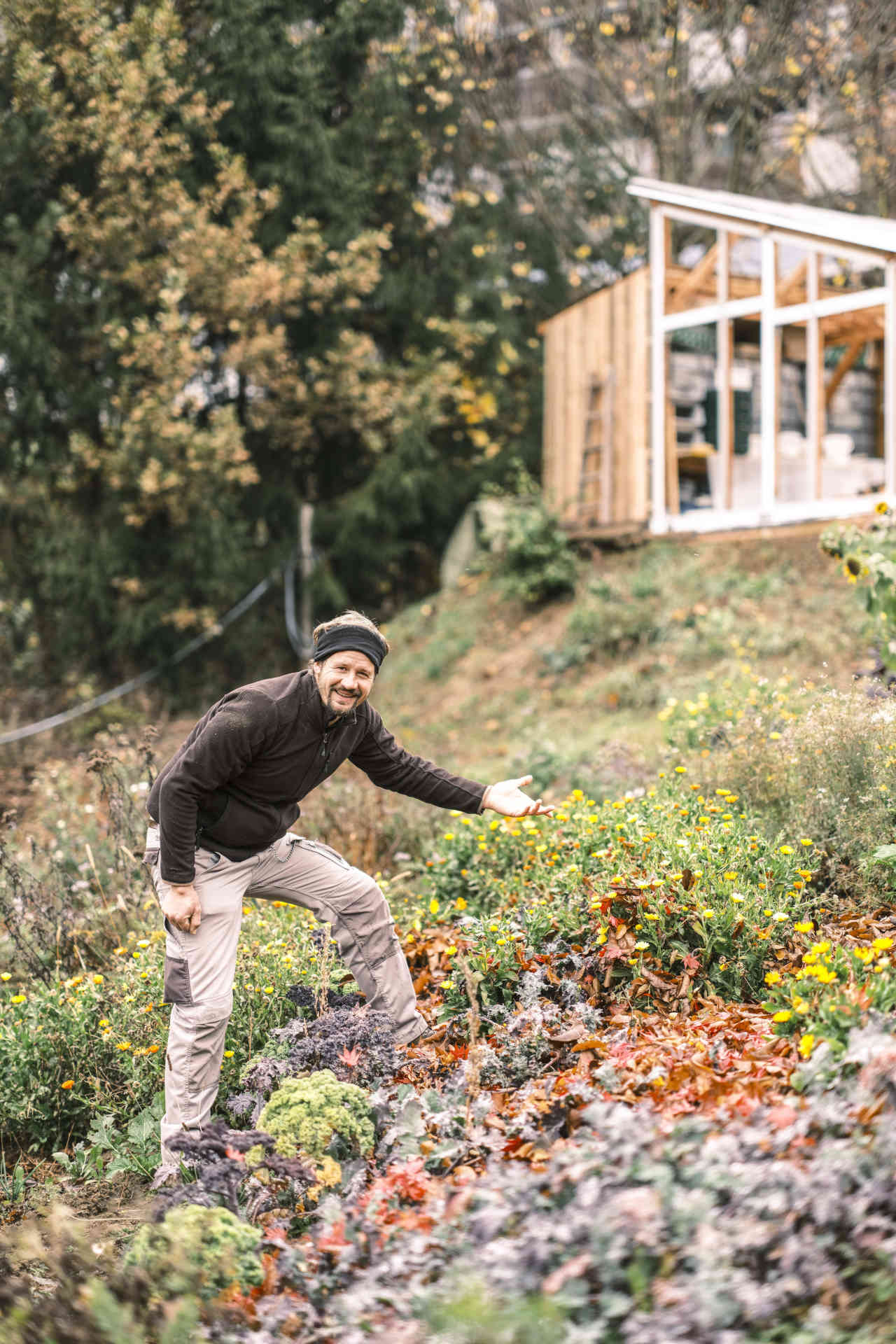
The vegan month has been a fixed part of the hotel program for five years, and the permaculture garden has been around for just as long. It is Austria's largest hotel garden of its kind, designed as a permanent agricultural system based on natural cycles and aimed at creating a closed, resilient ecosystem. Biodiversity takes precedence over aesthetics, even though many hotel guests now use the garden as an idyllic retreat.
The resort's entire culinary concept now follows the rhythm of nature: under the motto “Cook The Garden”, whatever is currently growing in the garden is served on the plate—supplemented by regional and seasonal ingredients such as bread, cheese, and eggs from local producers. “Our permaculture garden only serves to partially supply the hotel – the exact proportion depends heavily on the season, of course,” explains Angelika Stranner, General Manager of the Falkensteiner Balance Resort Stegersbach, adding: "Unfortunately, complete self-sufficiency is unrealistic given the size of our resort, but we get as much out of it as possible. From year to year, the garden produces a richer harvest, which not only finds its way into the kitchen and onto our guests' plates, but is also used in our spa, for example."
Organic vegetable rarities and market gardening
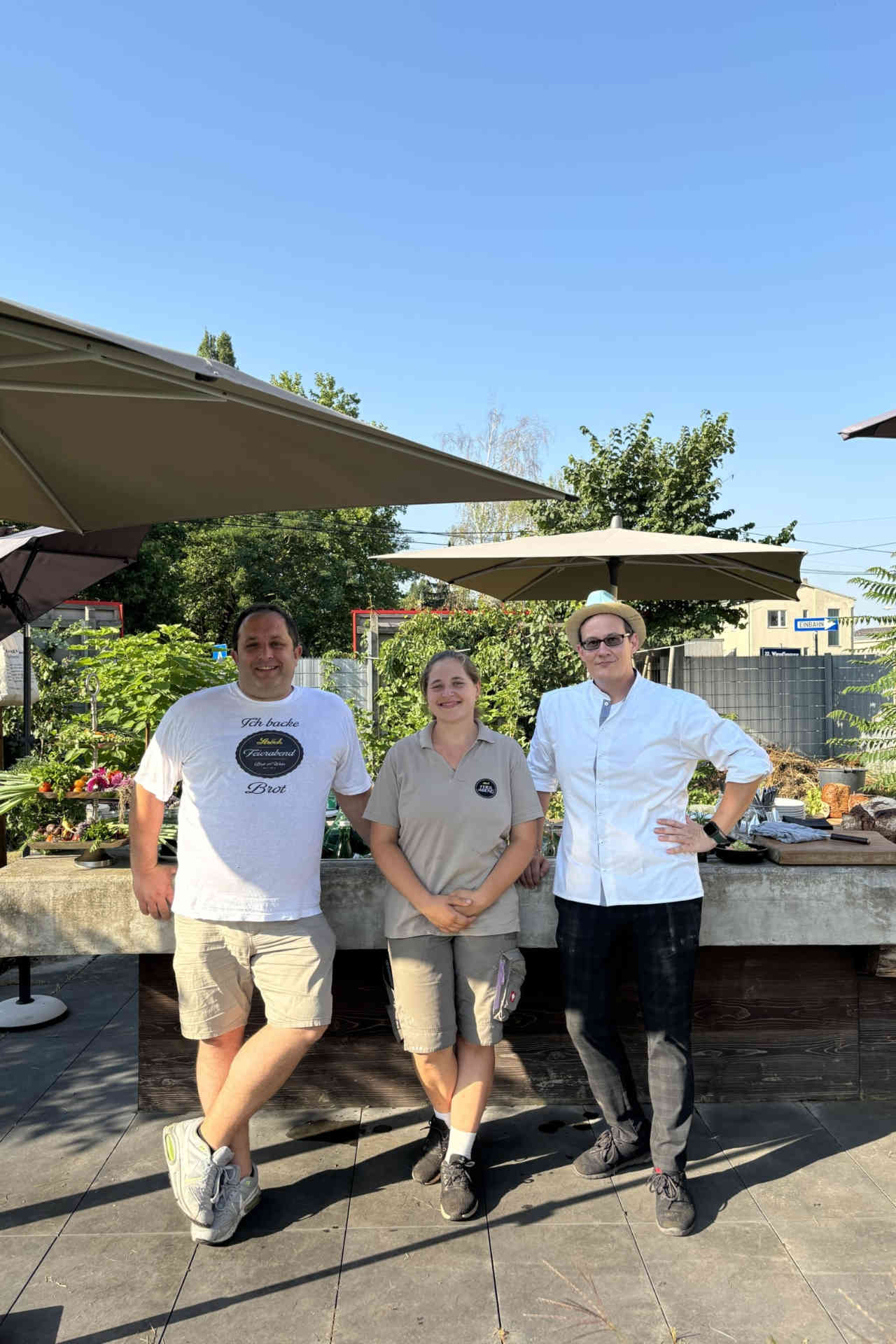
Saskia Detz is head gardener at Austria's largest bakery company, Ströck, and in this role is responsible for the vegetables used in the two Ströck Feierabend restaurants. The vegetables are grown in a 2,500 square meter garden in Vienna's Aspern district according to market gardening principles, i.e., resource-saving, biointensive vegetable cultivation on a small area. To this end, Detz has created uniform, narrow permanent beds, the width of which is designed to accommodate all machines, tools, and aids such as mulch films. One-third of the compost consists of stale bread.
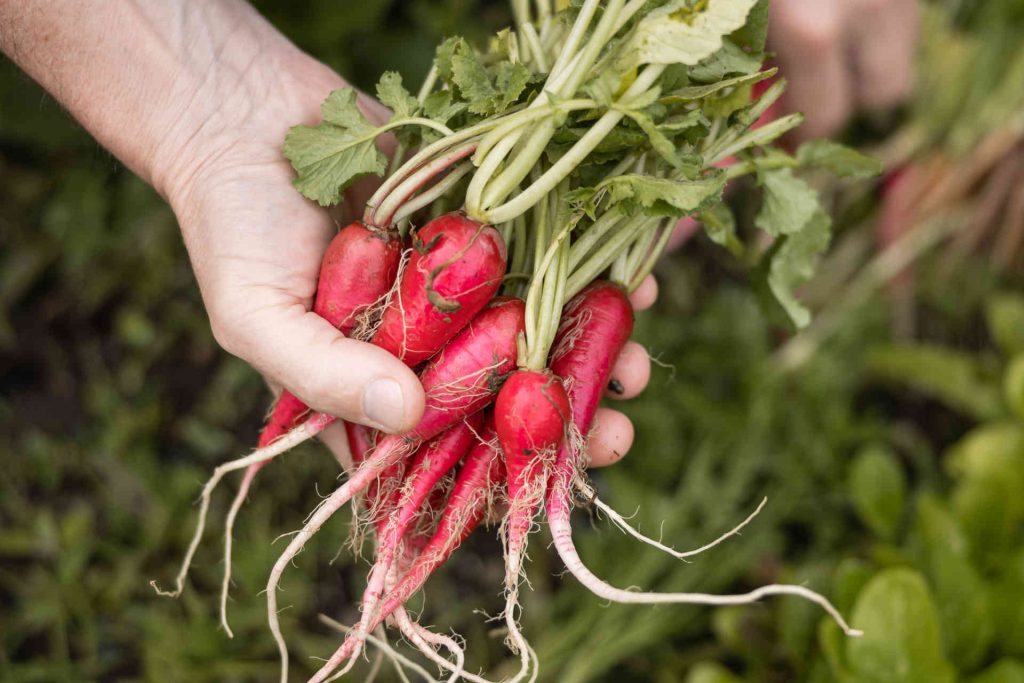
During the summer months, the Feierabend garden covers up to 90 percent of the demand: Detz then supplies Swiss chard in five colors, zucchini in four varieties, two types of red beets, pointed early cabbage, lettuces such as Forellenschluss, Salanova, and Romana, pickling cucumbers and Mexican mini cucumbers (Melothria), lots of herbs, tomatoes, and much more. All her knowledge of vegetable growing comes from her time at her parents' organic market garden Krautwerk – her father Robert Brodnjak supplies his organic vegetable rarities to top chefs such as Heinz Reitbauer (Steirereck) and Paul Ivić (Tian).
Saskia Detz is currently also working on the cultivation plan for the new Ströck roof garden, which is being built on top of the bakery in Vienna's Lexergasse. In future, herbs, chili peppers, turmeric, ginger, eggplants, tomatoes, and peppers will also be grown here in a greenhouse during the cold season. The greenhouse will be heated using residual heat from the ovens.

Altitude
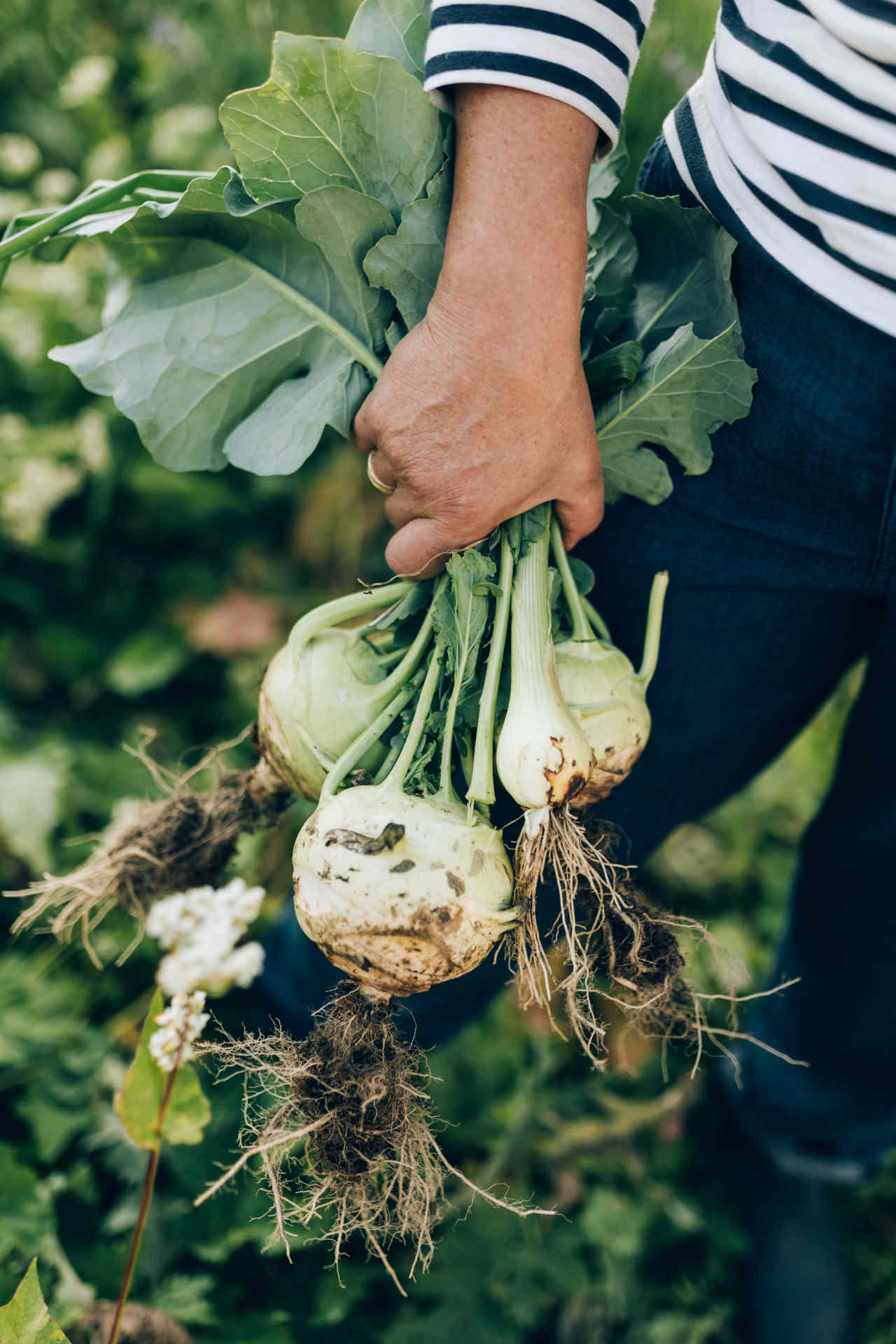
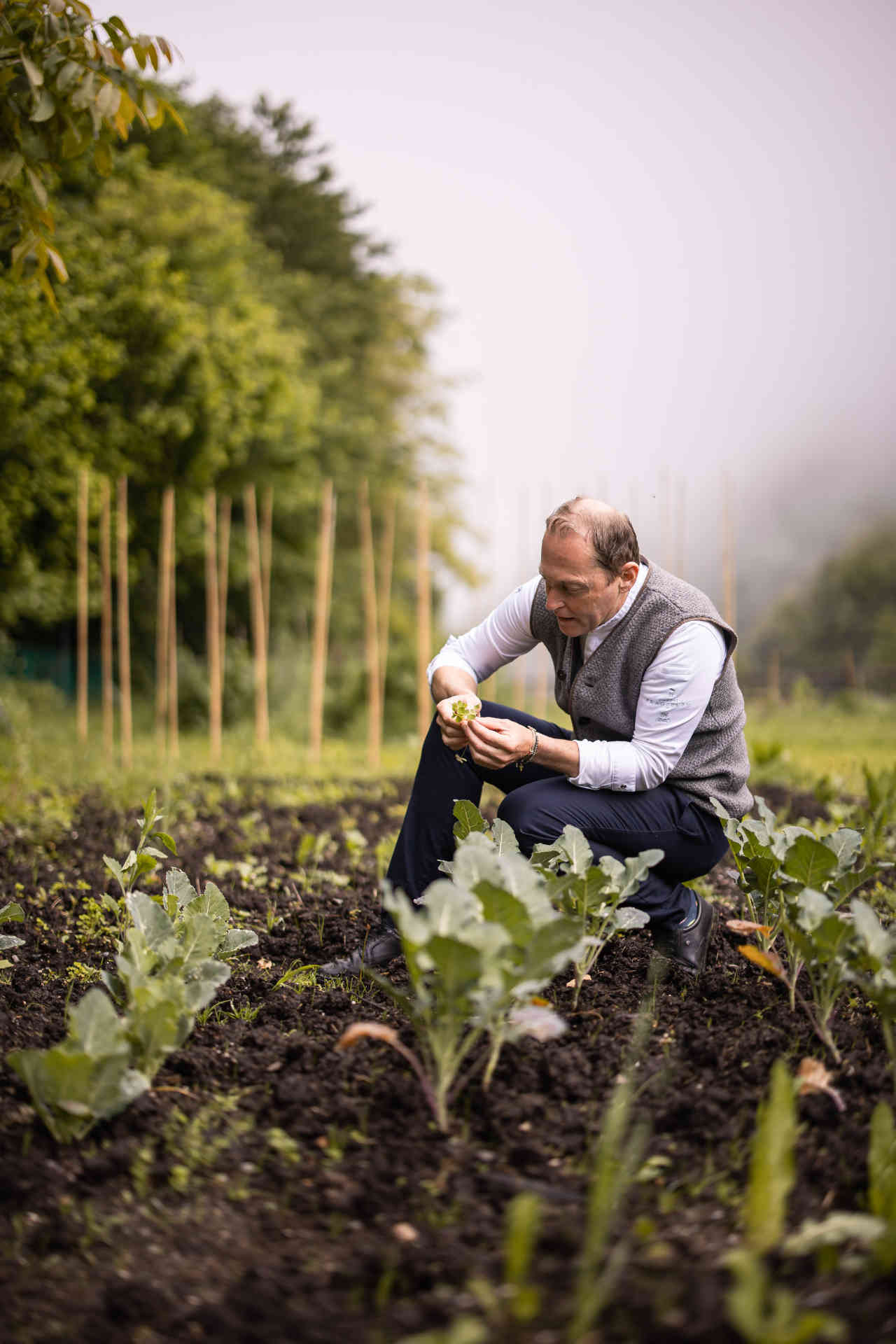
Hillo Rieder could also use some warmth. Her kitchen garden is located at 1,500 meters above sea level and belongs to the Rote Wand Gourmet Hotel in Lech am Arlberg, which is run by her brother Joshi Walch and his family. Rieder is currently exploring the extent to which vegetable cultivation is possible at this altitude; the garden has only been in existence for two years. “The growing season is very short. We now only work with young plants that are grown for us by a farmer. These are planted at the end of May or beginning of June. The first snow has already reached us in mid-September for the last two years – only for a short time, but it still didn't do some plants any good,” says Rieder.
Potatoes (450 kg harvest in the first year), Swiss chard, horseradish, peas, beans, various lettuces, and herbs have worked well so far. "It's interesting to observe that many things need a little more time to get used to the conditions. Hops had a pretty hard time last year, but this year they are growing all over the fences." The harvest ends up at Jamie Unshelm's Culinary Lab or in the main kitchen at Rote Wand, among other places. Mashed potatoes form the basis of sourdough focaccia, while the potato peels are used in stocks or puffed into chips.
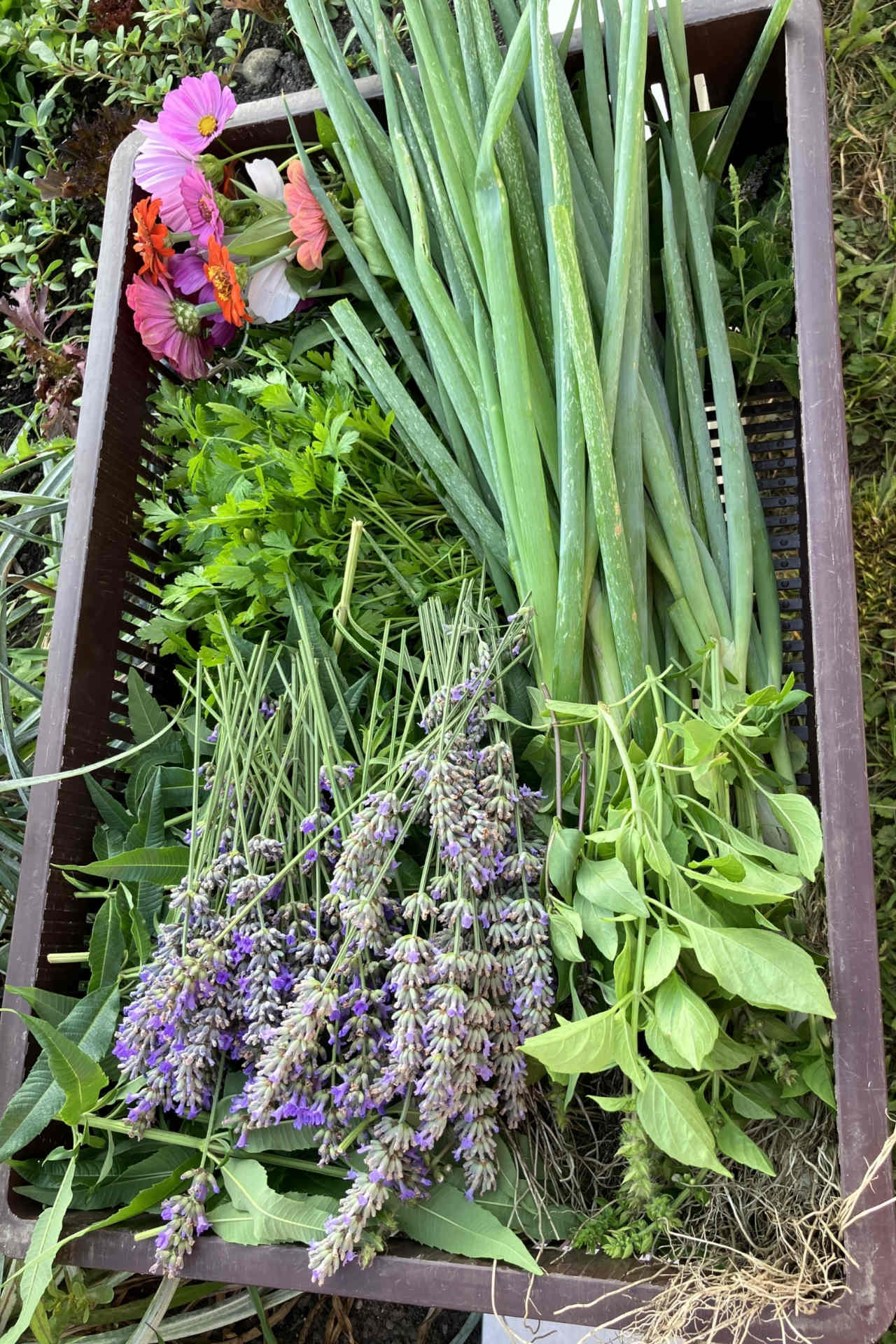
Mizuna is often included in the menu “as a separate component or, when it explodes, is processed into a pesto.” Dahlia blossoms are used to make sorbet, and when dried, they are used to dye old table linens. Fennel is processed into fennel sauerkraut, and cabbage varieties are fermented into kimchi.
Social aspect
Guests at Denmark's first rooftop farm, ØsterGRO, in the Østerbro district of Copenhagen should have a head for heights, even when climbing the narrow spiral staircase on the facade of a former car auction house. Covering around 600 square meters, the farm grows vegetables, fruit, herbs, and edible flowers, and is home to a chicken coop, a rabbit hutch, beehives, a greenhouse, and a community table, which is the heart of the Gro Spiseri restaurant. A team of eight people, including founders Livia Urban Swart Haaland and Kristian Skaarup, prepare the five-course menu using seasonal and local ingredients, most of which come from local farmers, producers, fishermen, and hunters, with only a small portion coming from their own farm. The reason: ØsterGRO is a community-supported agriculture project. The profits are divided among the members. This does not detract from the hype surrounding Gro Spiseri.
The Soul Garden at the Prezioso gourmet restaurant at Castel Fragsburg in Merano, South Tyrol, is also sustainable in both an ecological and social sense. Since 2022, the 2,000-square-meter field has been managed and maintained by young people from the region as part of a social project in collaboration with the Merano Youth Service. They work closely with chef Egon Heiss, who creates his menus using ingredients that are freshly harvested every morning. The young people cultivate the soil, sow, fertilize, weed, compost, and harvest. In this way, in addition to a variety of vegetables, fruits, and herbs, the creativity, responsibility, and confidence of the young people, who often come from difficult social backgrounds, also grow. Their work lays the foundation for Heiss' Michelin-starred cuisine. But for the top chef, they are – as he once put it in an interview with the Merano spa administration – the heart of the garden.
Our conclusion for the future
Gardens in the hotel and restaurant industry are increasingly becoming laboratories of the future: they combine sustainability, regional value creation, social responsibility, and creative cuisine. Permaculture, rooftop gardens, and social projects show how closely food culture and ecosystems are intertwined—and how businesses can build trust through transparency and home-grown produce. For the industry, this means that those who not only delight their guests with culinary delights, but also immerse them in stories of origin, cultivation, and community, are setting new standards for enjoyment, authenticity, and hospitality.
From Genusspunkt 3/2025