
Aruba's environmental visionary – and what Europe can learn from him
The Bucuti & Tara Resort: Why the world's most sustainable hotel is run by an Austrian – and what steps are now necessary in Europe: When Ewald Biemans came to Aruba in 1969, the island was a paradise – but unprepared for the impact of growing tourism. “I grew up on a farm with an awareness of nature and resources. Becoming a hotelier didn't change that,” Biemans said in an interview with Genusspunkt.
He observed how mountains of trash piled up on the roadsides, how fossil fuels became increasingly expensive – and how guests, operators, and the government alike failed to live up to their responsibilities. Concern turned into vision, and vision turned into an entire system. The Bucuti & Tara Beach Resort currently holds several leading sustainability certifications, including Travelife Gold and LEED Gold.
From idea to infrastructure – what makes the resort special
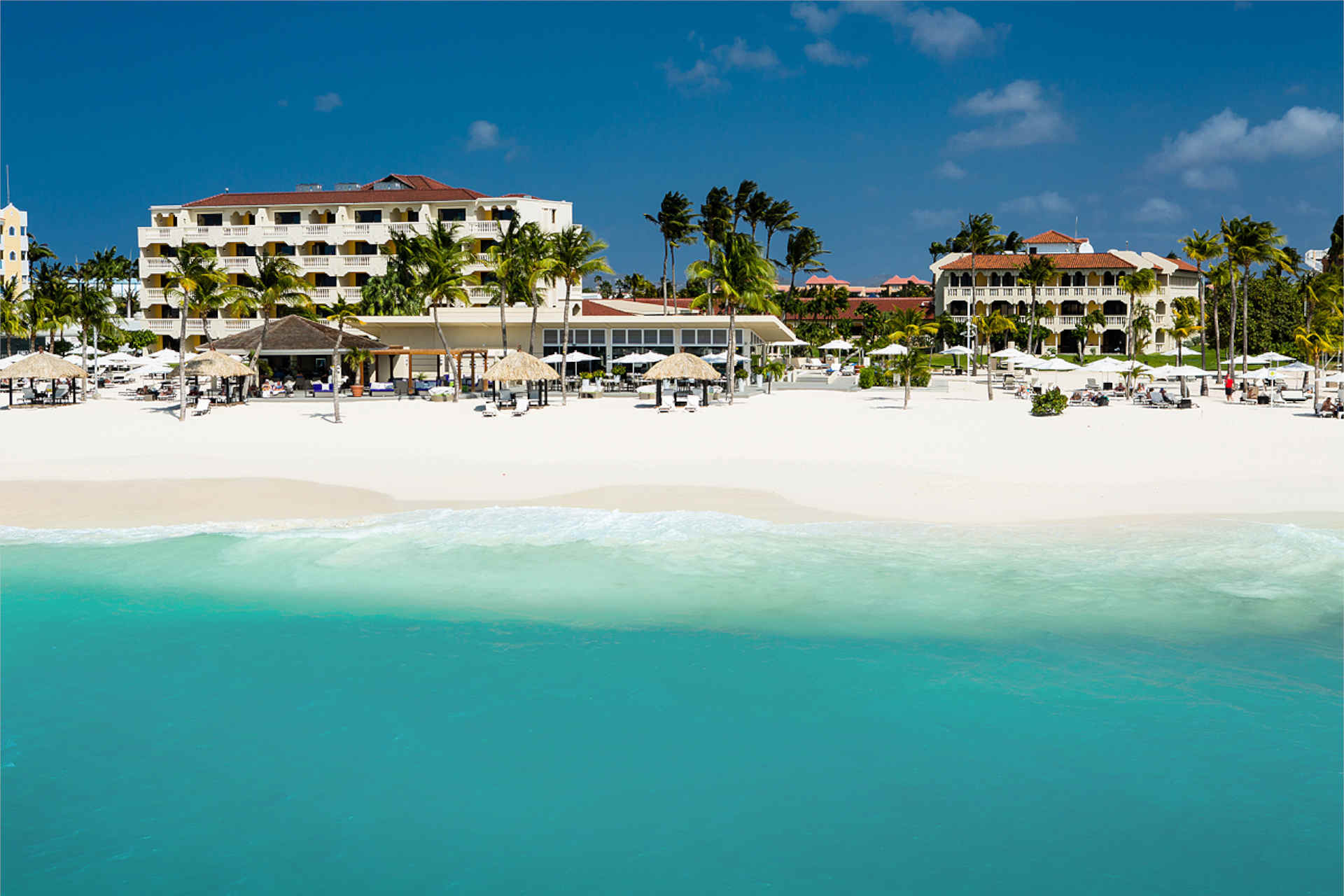
The adults-only resort on Eagle Beach is a showcase for systemic sustainability management. Biemans began installing solar panels for hot water production back in the 1980s. Today, exercise equipment in the gym generates electricity, climate-neutral shuttle services transport guests, and motion detectors automatically switch off air conditioning systems.
“There is no plan B for the hotel industry – those who don't move step by step toward net zero will have a hard time.”
Ewald Biemans, founder of Bucuti & Tara Beach Resort
From vision to impact: What businesses can learn from this
- Education as a success factor
Employees receive training in sustainability, but also financial support: Anyone who wants to buy an electric car or install solar panels on their own home can obtain low-interest loans from the resort. This strengthens loyalty—and multiplies the impact in the everyday life of the community. - Targeted use of technology
Whether it's energy-generating fitness equipment or special building paints to reduce heat gain, sustainability requires innovation. Biemans consistently invests in technology if it reduces long-term operating costs and saves resources. - Transparency as a driver of trust
Guests can not only get involved – for example, in beach clean-ups or animal welfare campaigns – they are actively involved. “We show that climate protection can be fun. And that as a guest, you become part of the solution,” says Biemans.

Looking to the future: sustainability is becoming the norm
For Ewald Biemans, one thing is clear: hotels that are not climate neutral in 10 years' time will have a problem – not only legally, but also economically. “Operating costs will skyrocket if we don't act today. Certifications such as Green Globe or LEED are not a matter of prestige – they are a guideline.”
Conclusion: Sustainability is not a luxury – it is leadership
The Bucuti & Tara Resort proves that sustainability is not an obstacle to excellence, but its foundation. Biemans has not only built a hotel – he has created a model that is considered a global benchmark. It is time for hoteliers and restaurateurs in Europe to take this benchmark seriously.
Bucuti & Tara Beach Resort
- CO2-neutral since 2018 – the first hotel in the Caribbean with a complete carbon footprint
- 38% reduction in energy consumption through intelligent control systems
- 13.6 liters of water saved per year (equivalent to around 3.6 million gallons)
- 12 hectares of private nature reserve, over 1,000 trees planted
- Employee training and microloans for sustainable investments
- Monthly beach cleanups with guests and staff for over 32 years
From Genusspunkt Sept-Oct 2025