
An interview with Thomas Schult
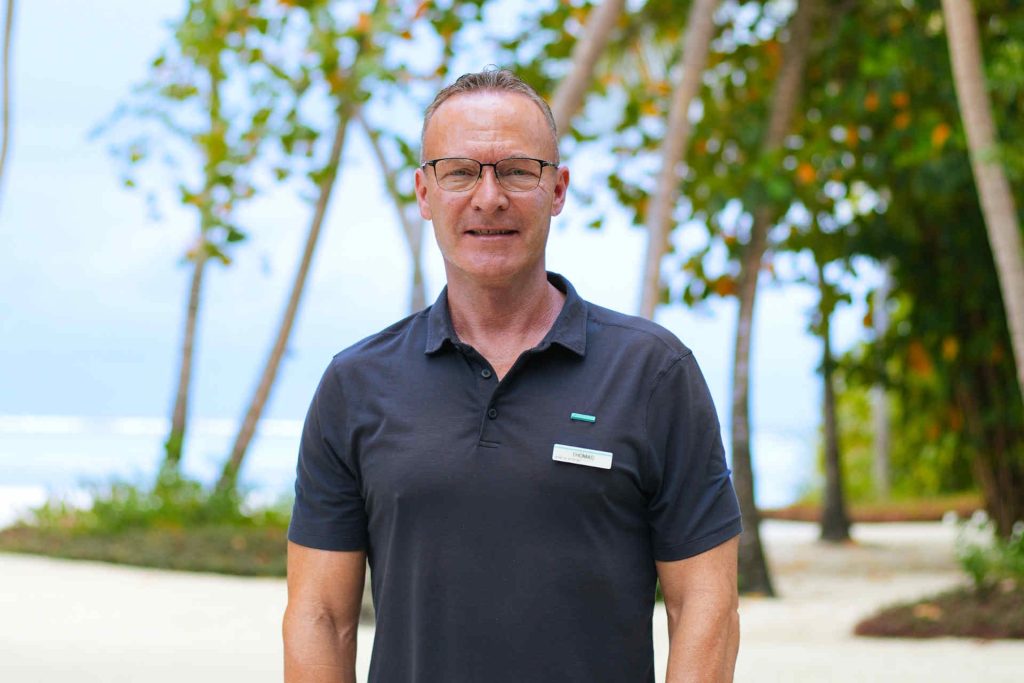
In the heart of the Indian Ocean, the reins of Le Méridien Maldives Resort & Spa have been in the hands of a native of Cologne for over three years. General Manager Thomas Schult is breaking with traditional patterns in the luxury hospitality industry: shaped by over 25 years’ experience at Marriott International and posts around the world, he steers Le Méridien Maldives with his data-driven yet approachable management style.
Drawing on his own career path, he offers insights into his context-dependent leadership philosophy, discusses the constant intensity of island life and explains why true luxury today must be more informal, more transparent and inextricably linked to sustainability.
“That’s why culture is crucial”
SVENJA LIEBHART: Many general managers traditionally come from F&B or the Rooms Division, whilst you have a background in sales and revenue management. How does that shape your leadership role?
THOMAS SCHULTE: My background gives me a very strong external perspective. I consistently think from the guest’s and the market’s point of view, rather than focusing on internal processes. This helps me to set clear priorities and make data-driven decisions. At the same time, I’ve had to learn that excellence in the details – particularly in operations – ultimately makes all the difference. Today, my role is to combine both: strategic clarity and operational passion.
You’re originally from Cologne, but you’ve worked all over the world. Which ‘German’ virtues have helped you in an international context?
Reliability and structure are certainly two things that have helped me everywhere. But what I’ve learnt is that these virtues only really work well when combined with cultural sensitivity. Not everything has to be equally direct or efficient everywhere; sometimes the journey is just as important as the result.
You have worked in many different countries and cultures, including China and Bali. What did you take away from those experiences, and what do you consciously do differently today compared to the start of your career?
I have learnt that leadership is highly context-dependent. In China, for example, hierarchy plays a very different role, whilst in Bali, community and harmony take centre stage. I used to often want to see results more quickly. Today, I invest more consciously in relationships and understanding, because that is precisely where sustainable success stems from.
What does a successful team need in an island context – culturally, mentally and logistically?
Above all, an island team needs resilience and cohesion. People live and work in the same place, often far from their families. That’s why culture is crucial: trust, mutual respect and a genuine sense of togetherness. At the same time, clear structures, good planning and a certain degree of flexibility are needed; logistically, you’re simply more limited here than in a city.
Beyond the picture-postcard idyll
What challenges are often underestimated by outsiders when it comes to life on a resort island?
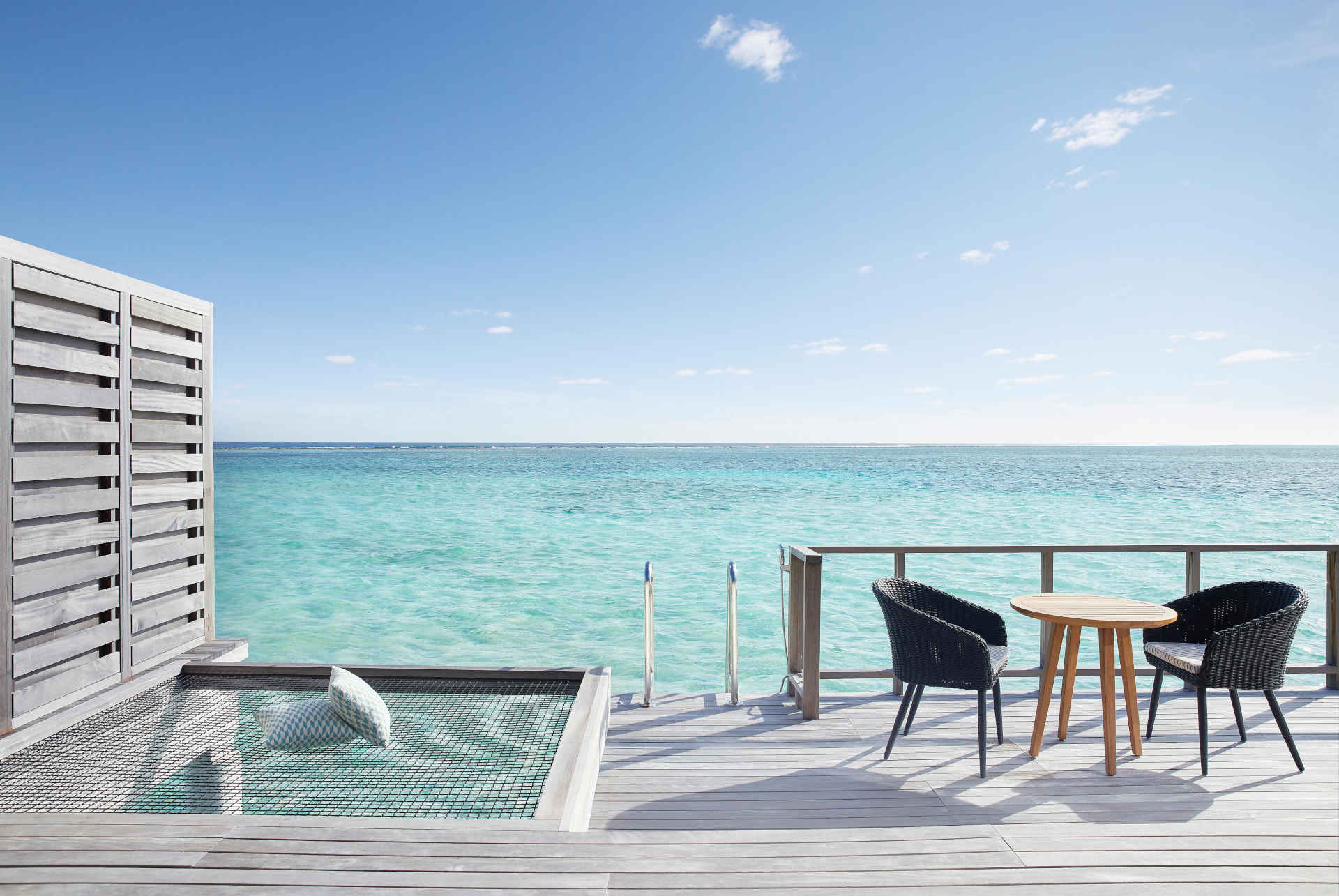
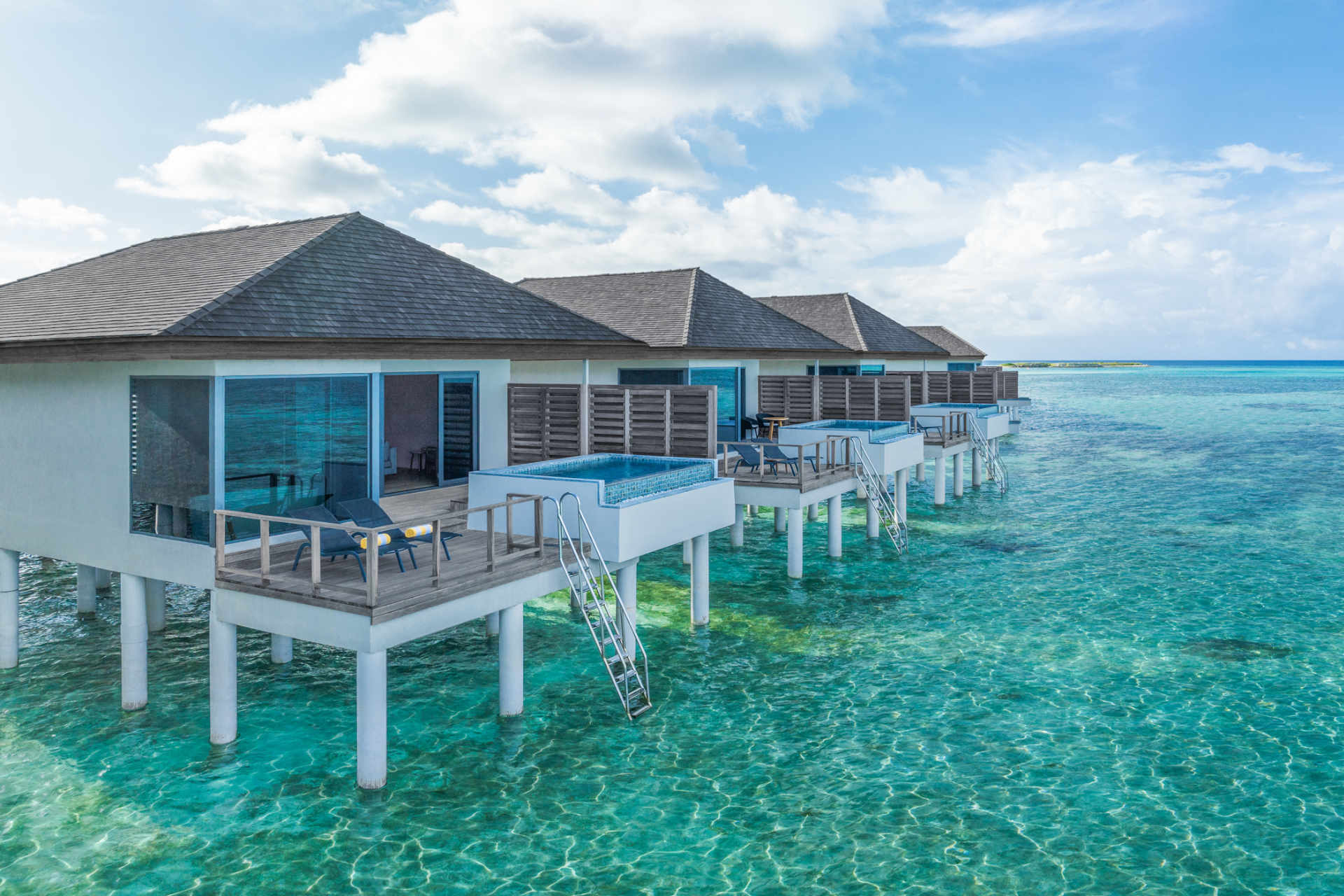
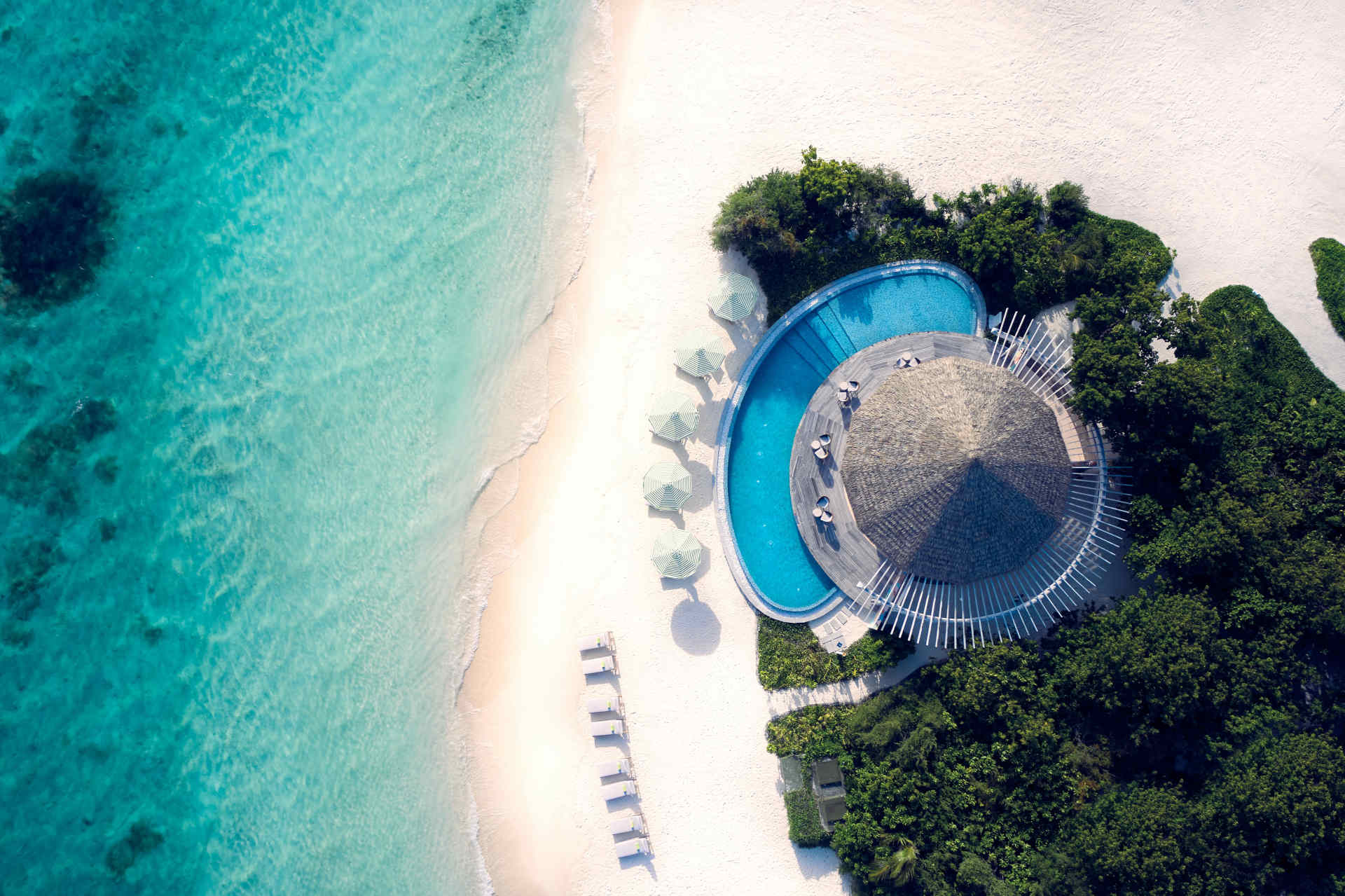
Many people only see the picture-postcard idyll. What is often underestimated is the constant intensity: you’re always ‘on’, both for guests and for the team. Added to this are logistical issues, ranging from supply chains to dependence on the weather. And last but not least, there’s the responsibility of keeping a small, self-contained world running smoothly every day.
What sets Le Méridien Maldives Resort & Spa apart from other resorts in the Maldives?
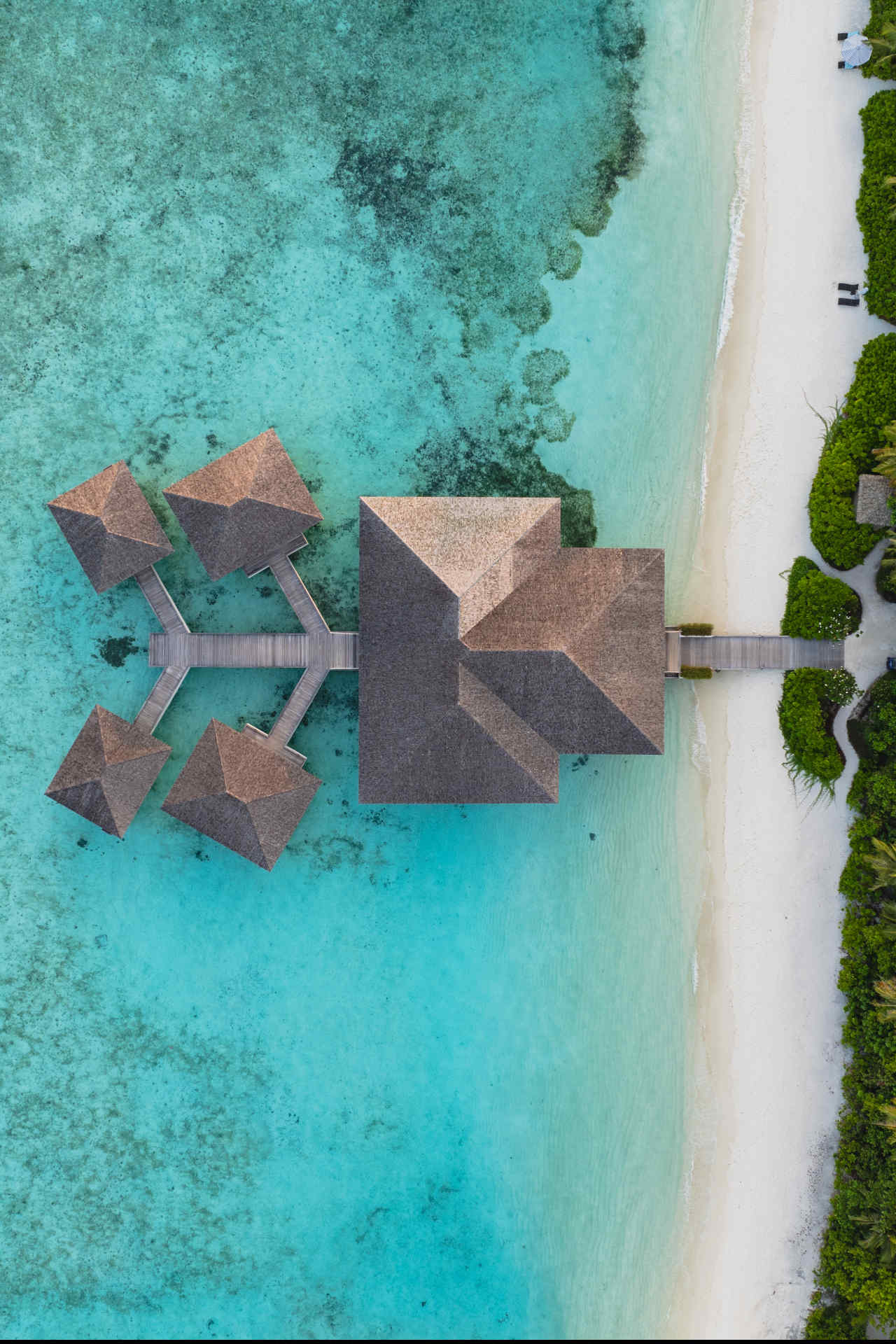
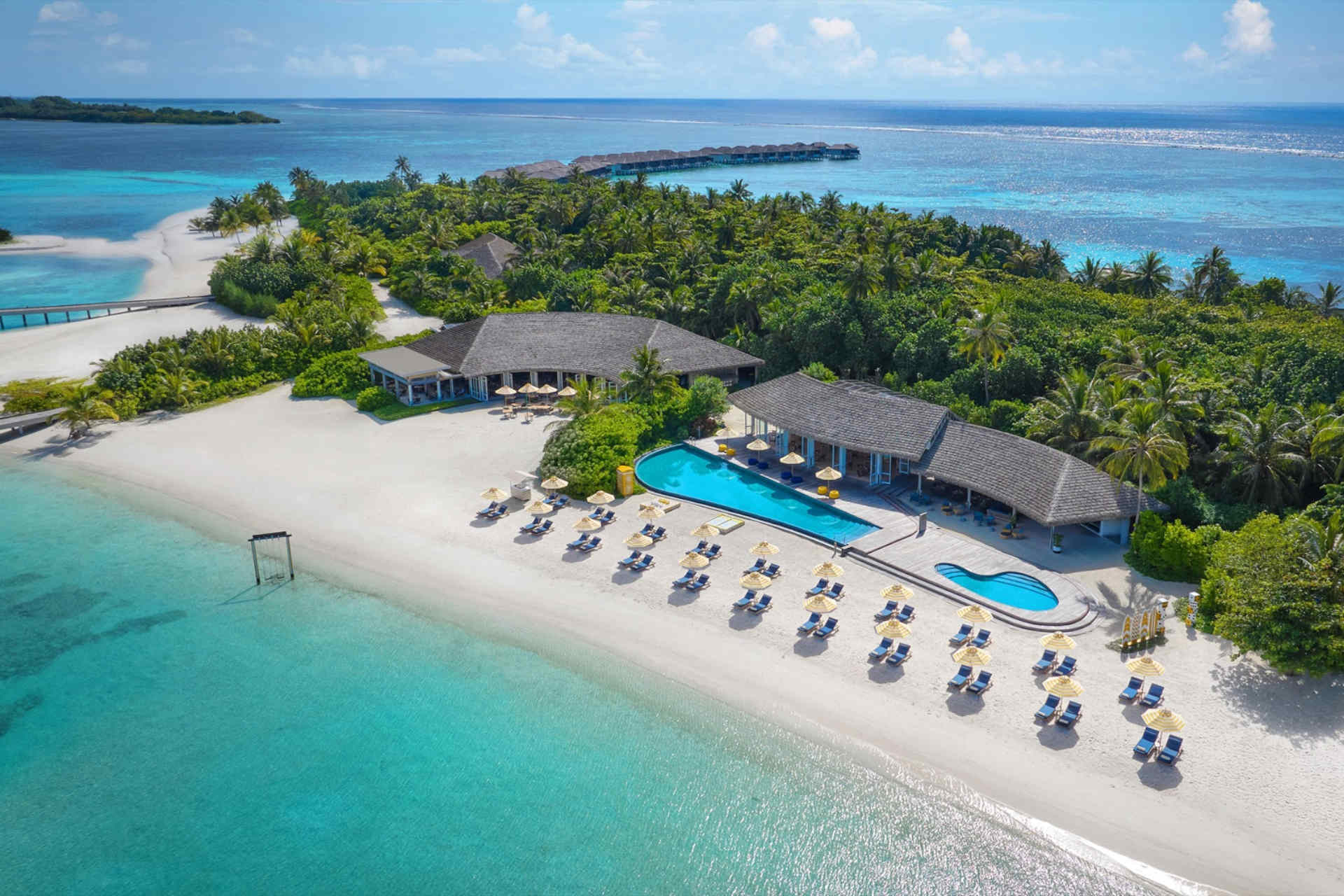
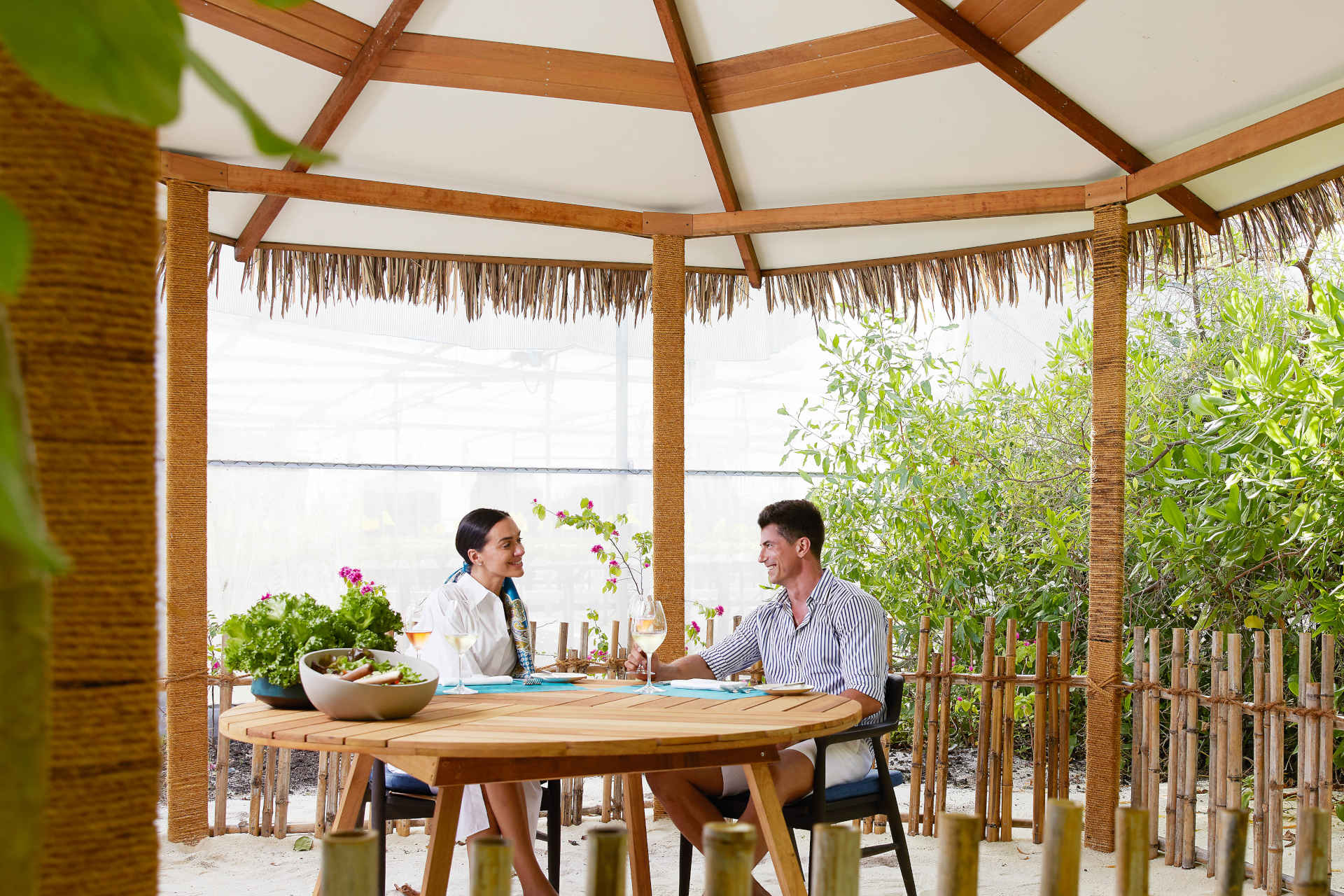
We have a very distinctive positioning: light-hearted, creative, almost playful, yet at the same time offering a high standard of quality. It’s less about a formal display of luxury and more about a certain way of life. Art, cuisine and a certain European spirit meet a very natural island, and this blend is what makes us special.
The resort combines European flair with Maldivian nature – how do you manage this balancing act in practice?
By not trying to over-stylise nature. The island sets the tone, and our European influence is evident more in the details, in the design, in the cuisine and in our approach to service. It’s a curated yet relaxed approach, not ‘contrived’ luxury.
How do you interpret the concept of sustainability on a natural island like Thilamaafushi?
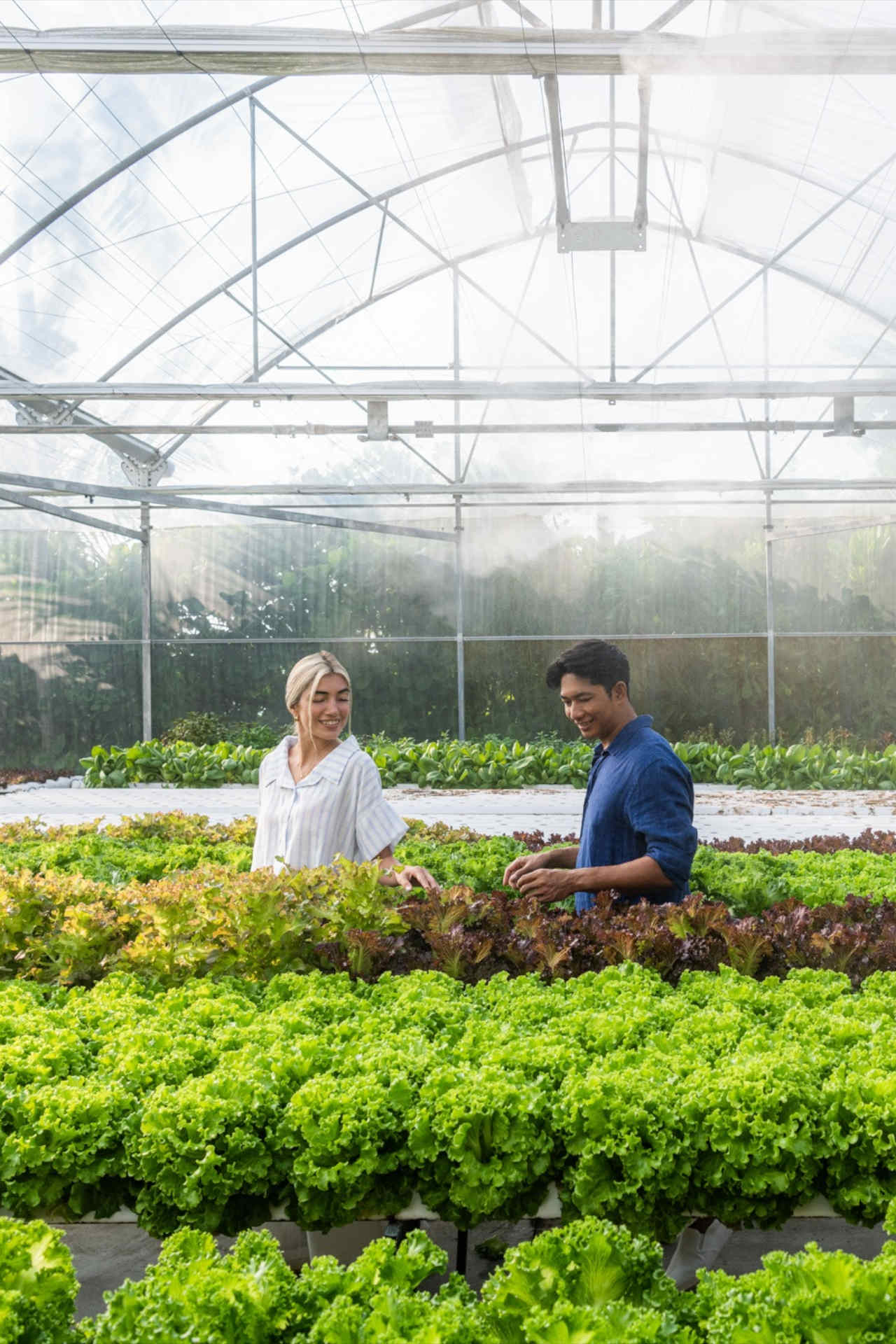
Here, sustainability is not an option, but a prerequisite. It involves very specific issues: energy, water, waste management, but also the protection of the ecosystem surrounding the island. At the same time, we see it as our duty to engage guests – not by lecturing them, but by inspiring them. Through ‘Good Travel with Marriott Bonvoy’, travellers can actively contribute to issues such as environmental and marine conservation through selected experiences, whilst building a deeper connection with the destination. If someone leaves with a different mindset, we’ve achieved a great deal.
In your view, what is currently changing the most in the luxury hospitality sector, particularly in the resort sector? Travel trends show a growing interest in all-inclusive offers, especially among younger generations – is this also noticeable at Le Méridien Maldives?
Luxury is becoming more informal and experience-oriented. Guests are seeking less status and more authenticity and simplicity. The trend towards all-inclusive, particularly among younger guests, is definitely noticeable, here too. However, it’s less about ‘all-inclusive’ and more about transparency and carefree enjoyment. Guests don’t want to be constantly preoccupied with decisions or additional costs.
If you could recommend just one experience on your island to guests, what would it be?
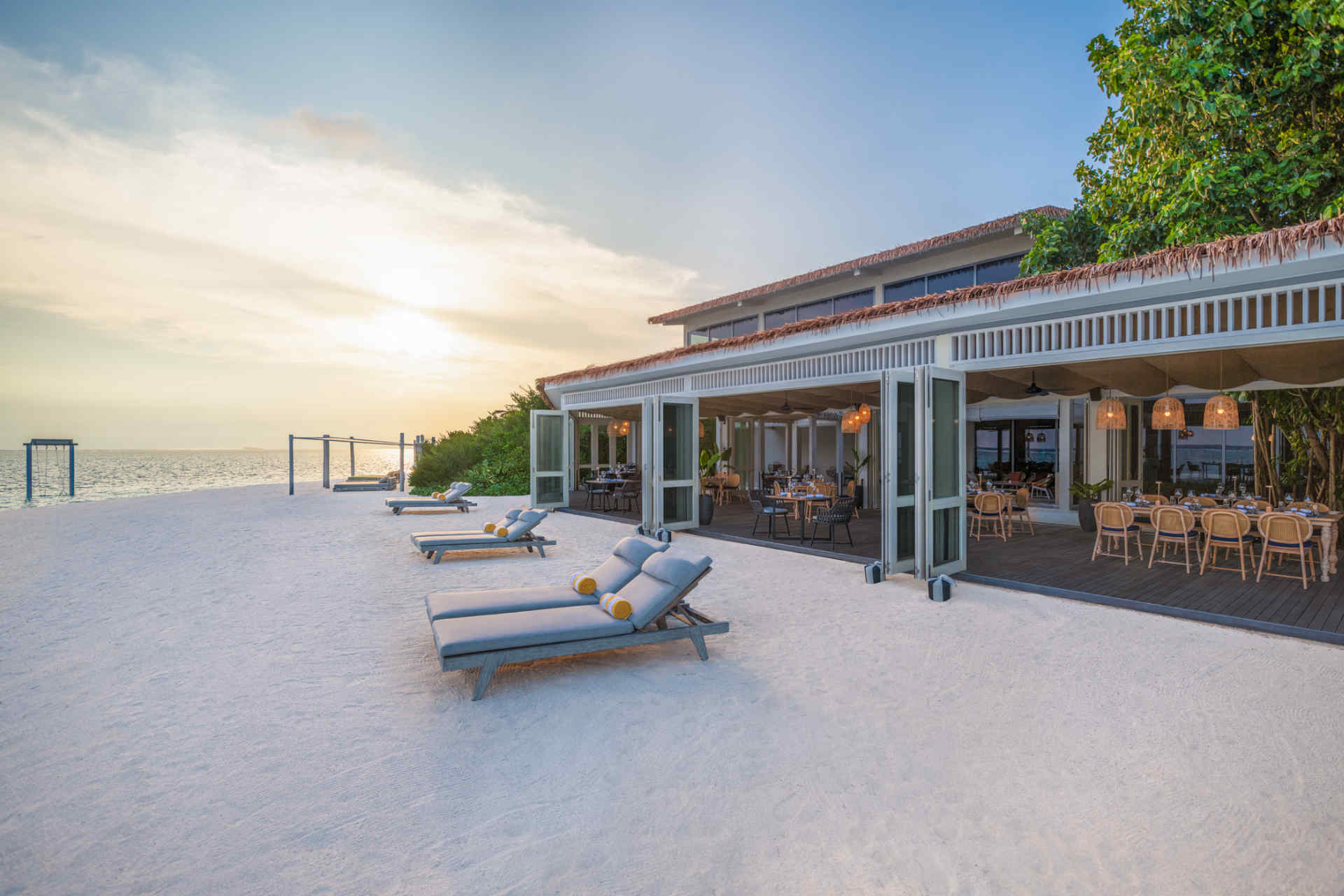
If I had to single out one experience, it would be an evening by the water, ideally at sunset. There’s something very special about that moment when the light slowly fades and everything becomes quieter. It is precisely this sense of slowing down and vastness that many guests associate with the Maldives, and which stays with them for a long time.