
The Oven as a Stage: Bakery-Café
Bakeries are transforming from mere suppliers into places of experience. Bread is becoming emotional again—through open bakeries, fragrant dough, visible craftsmanship, and standout signature products. This new concept combines artisanal production, a café, a community hub, and a design space.
Smaller product ranges and more iconic products shape the experience. Quality, origin, and artisanal integrity become the narrative core. The bakery becomes a “third place,” shaping urban routines and enhancing everyday moments. It is no longer a place of passage but a destination—a sign of the return of authenticity in a digitalized world.
The key to success is the visible stage of baking—open, multisensory, and accessible. Breakfast and brunch become social events. Product selection follows a clear narrative: less variety, more impact. Quality replaces compromise; presentation replaces interchangeability.
BEST PRACTICES
- Steinleitner – Purism and a radical focus on tradition and in-house sourdoughs.
- Zeit für Brot – Open bakery + iconic hero products.
- Bread & Roses, Munich – French flair + brunch culture.
- E5 Bakehouse, London – Slow fermentation + community building.
- Sain, Paris – Hip, purist, artisanal, style-defining.
The room is secondary. Dining is what matters: Hospitality & Tourism
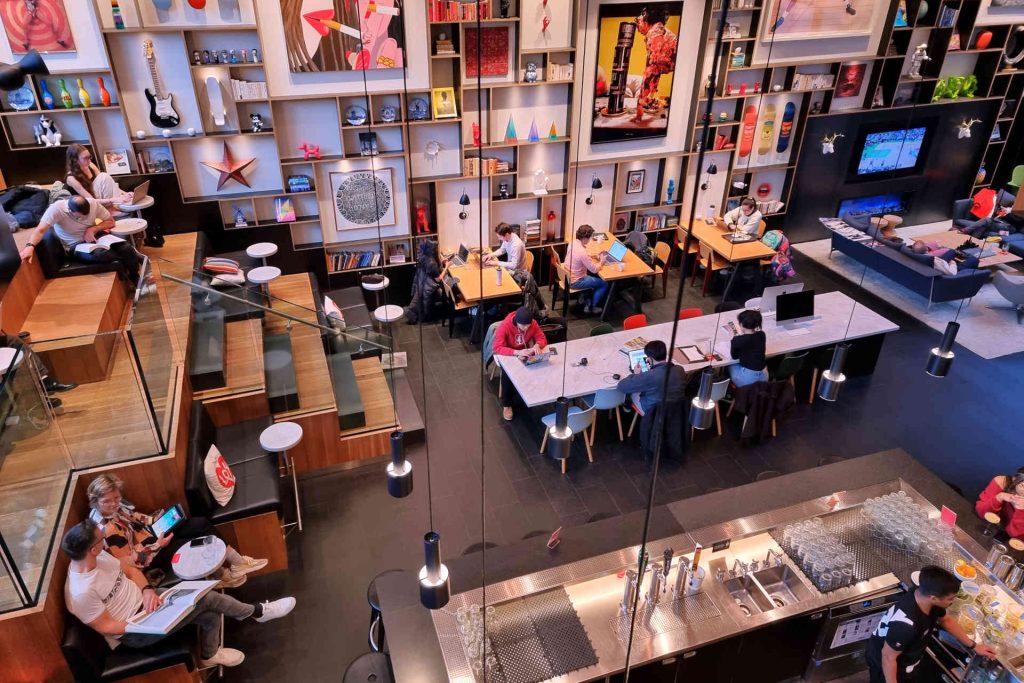
Travel is changing radically, becoming more spontaneous, digital, and experience-driven. Guests aren’t looking for places to sleep, but for atmospheres. Hotels are becoming emotional destinations where dining makes all the difference. Lobbies, bars, rooftops, and restaurants are turning into social stages—for locals and travelers alike. Rooms are getting smaller, while common areas are getting larger. Hotels that view F&B as the core of identity-defining experiences are setting the standard—everyone else is falling behind.
At the same time, new competitive dynamics are emerging: Google, AI, and OTA platforms are changing booking behavior. It’s becoming more digital and emotional; visibility comes from content, not from classification.
Success comes to those who develop unique concepts, integrate local communities, and use digital tools for booking and distribution. Spaces must radiate charm, not just function.
Best Practices
- 25hours Hotels – Dining as identity, not as an afterthought.
- Beyond by Geisel – Living room instead of lobby – dining as a gathering.
- citizenM – 12 square meters, always digital – with huge communal spaces.
- Mama Shelter – Urban, loud, colorful – community first.
- The Hoxton – Public spaces as the heart of the brand.