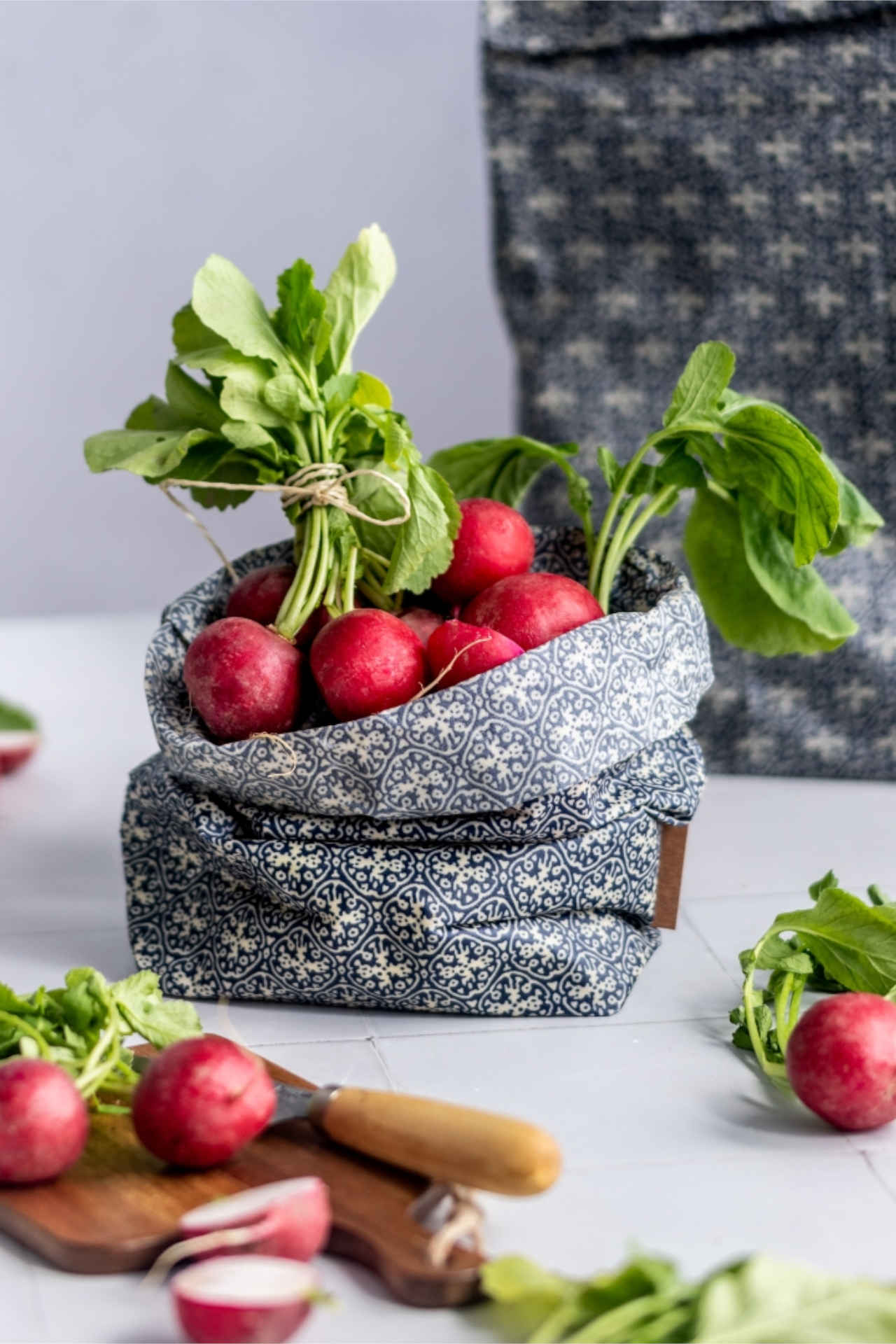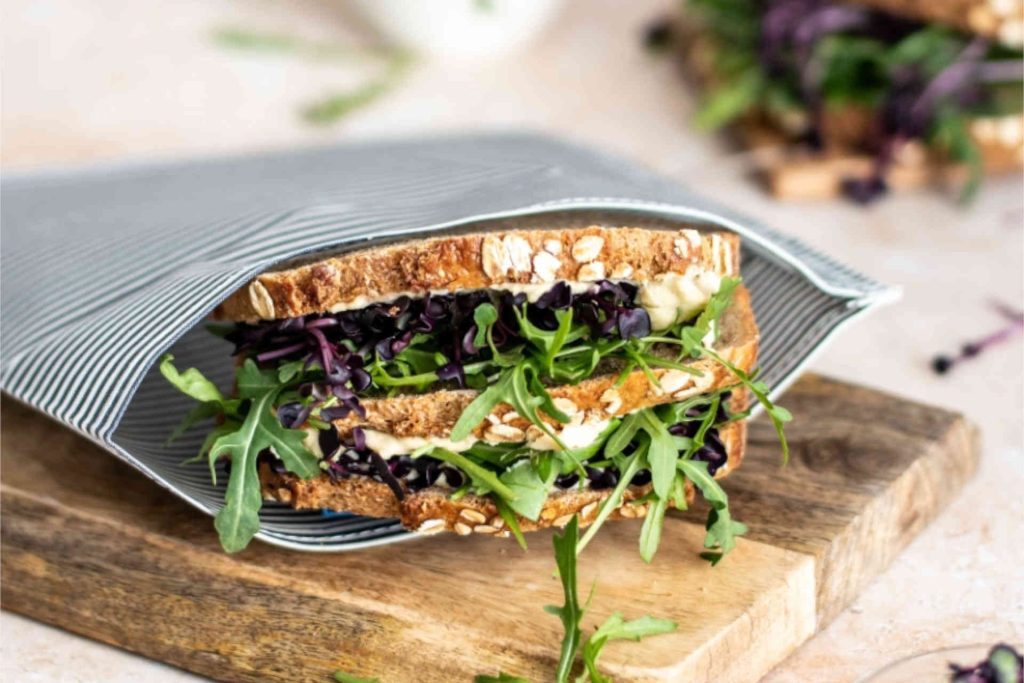
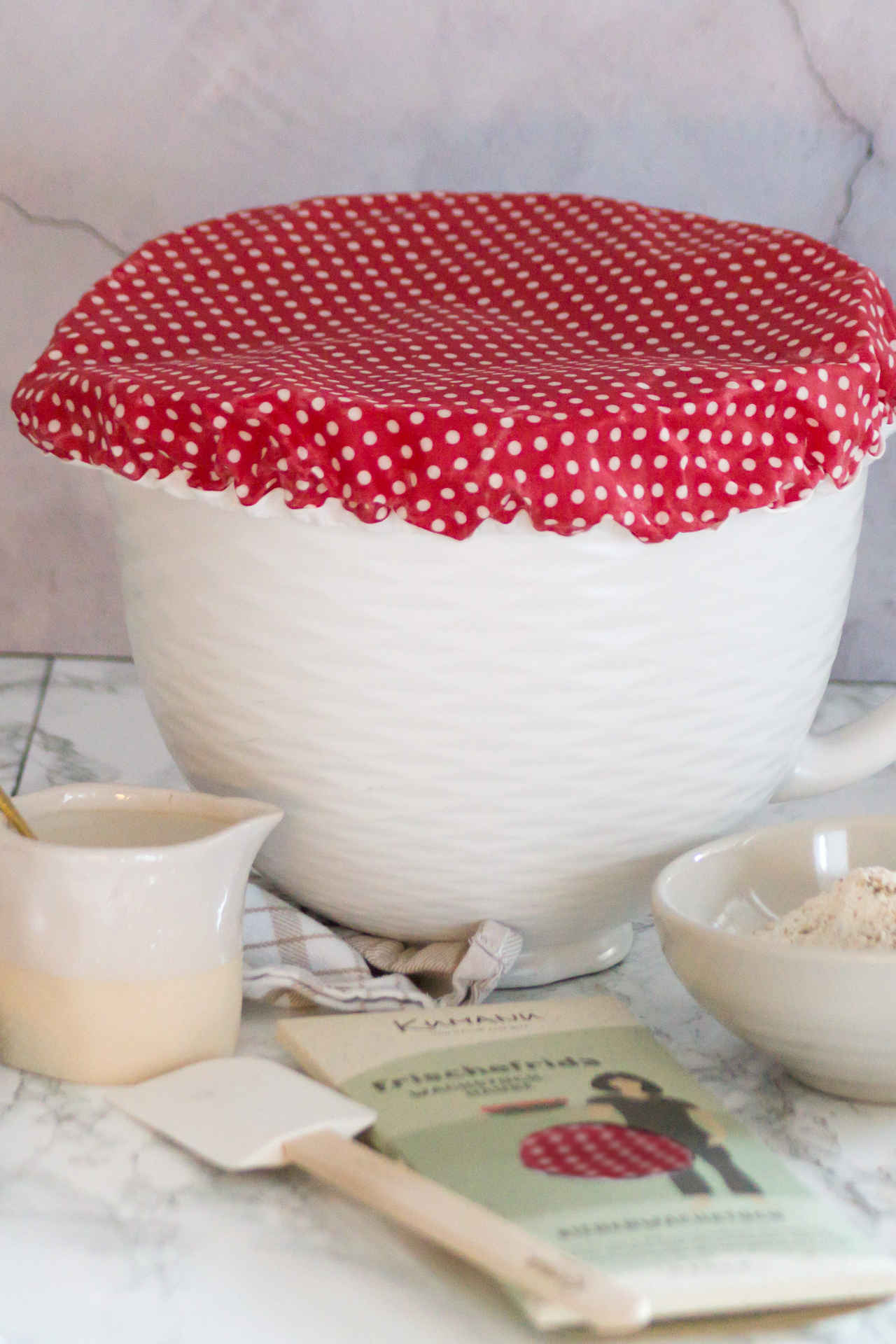
The Austrian brand Kumanu shows how circular thinking can be applied in everyday life—and makes doing without plastic both practical and aesthetic. With its “Frischefritz” beeswax wraps and ‘Krümelkarl’ and “Pausenpaul” bread and snack bags, it provides the industry with a well-thought-out solution for keeping food fresh for longer – without any plastic or aluminum foil.
The products are made from GOTS-certified organic cotton, organic beeswax from Austria and Germany, and tree resin from traditional pitch production – a combination that has an antibacterial effect and guarantees natural durability.
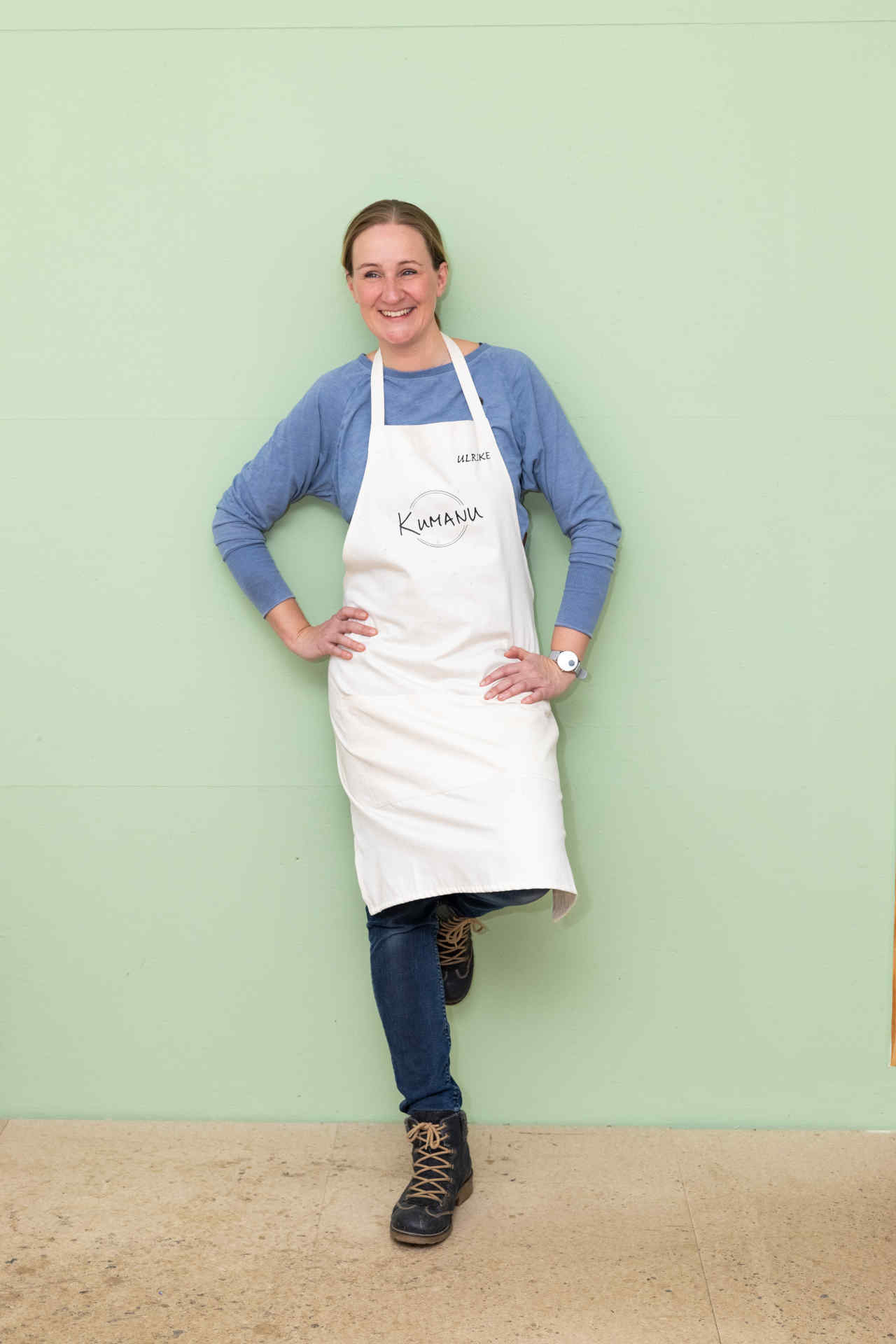
“When my children were still small, I became increasingly aware of the responsibility we have for the world we leave behind for them. I started to ban single-use plastic from our household, stopped buying reusable plastic, and began shopping more regionally and seasonally,” says founder Ulrike Knoblauch.
“At some point, I came across beeswax wraps on the internet and started making them for ourselves. Then I gave them to friends and family as gifts—and they were so enthusiastic that I was repeatedly asked to make them for Christmas presents. So my laundry room became a wax kitchen—and eventually a small factory in the middle of the Tyrolean Oberland.”
Today, Ulrike Knoblauch runs a company that relies on a lot of manual labor, regional raw materials, and a strong awareness of sustainability. “We want to show adults and children how to make a big difference with little effort. Our goal is to drastically reduce plastic waste and leave the next generation a world in which they can feel comfortable.”
We live in a world that moves faster than we can keep up with. Artificial intelligence writes texts in seconds, booking systems optimise entire hotels, and self-check-in is replacing reception desks. The future unfolds by the second, and yet many people feel as though they are standing still inside.
The paradox of our time is this: technology speeds us up, but it does not help us develop further. Whilst machines are becoming ever more intelligent, we often lose the ability to think clearly, make conscious decisions and be truly present. We live faster, but feel less. We know more, but understand less. And it is precisely in sectors such as the restaurant and hotel industries, which thrive on humanity, that this divide becomes dramatically apparent.
Artificial intelligence has become part of everyday life in many businesses – but by 2026, it will become a structural imperative. The focus is no longer on testing individual tools, but on the question of how AI can be deployed reliably, effectively, and across the entire organization. Examples from tourism, events, and organizations already demonstrate today how scaling works in practice – and where AI specifically reduces the workload.
A clear turning point is emerging for the year 2026. The company-wide deployment of AI is taking center stage. This is the conclusion reached by Hamburg-based AI expert and interim manager Eckhart Hilgenstock, who has analyzed numerous national and international studies on the development of artificial intelligence. His conclusion is clear: “Following the pilot project phase in 2024/25, many companies are aiming to scale AI within their organizations by 2026.”
Dry January is no longer just a month of abstinence. It’s a barometer. For changing guest preferences. For more conscious consumption patterns. For a new aesthetic of enjoyment. Anyone who still believes in 2026 that non-alcoholic drinks are merely lemonade in a crystal glass has failed to grasp the trend. At Bar Montez in the Rosewood Munich, Bar Manager Mario Sel demonstrates just how sophisticated, structured, and gastronomically relevant non-alcoholic creations can be today – and why they have long been a strategic component of contemporary bar culture.
The Austrian brand Kumanu shows how circular thinking can be applied in everyday life—and makes doing without plastic both practical and aesthetic. With its “Frischefritz” beeswax wraps and ‘Krümelkarl’ and “Pausenpaul” bread and snack bags, it provides the industry with a well-thought-out solution for keeping food fresh for longer – without any plastic or aluminum foil.
The products are made from GOTS-certified organic cotton, organic beeswax from Austria and Germany, and tree resin from traditional pitch production – a combination that has an antibacterial effect and guarantees natural durability.