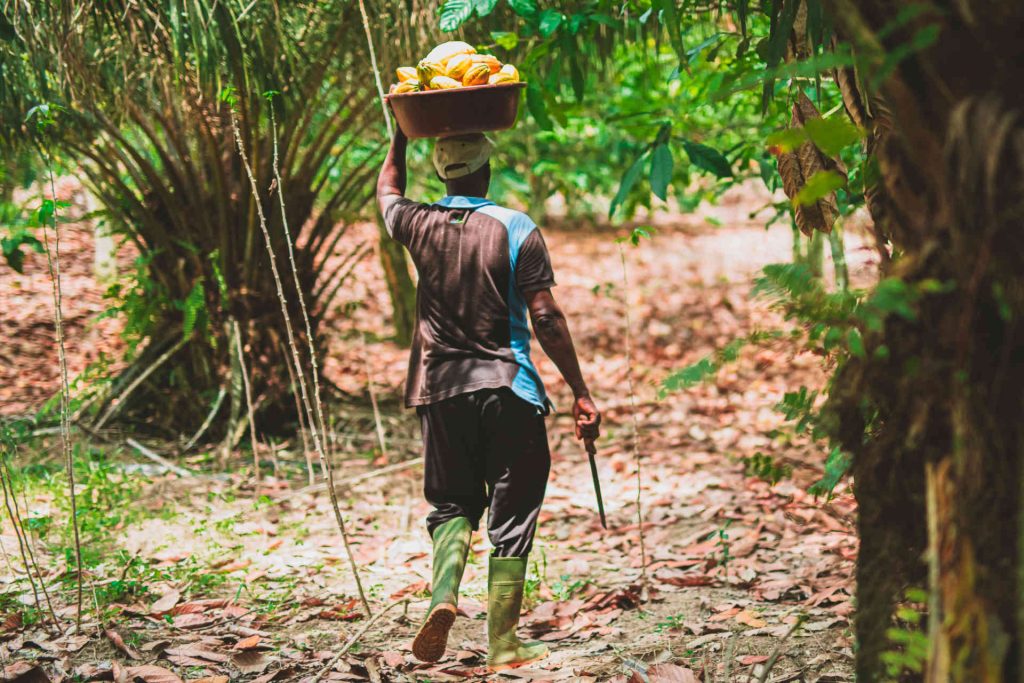

Health program for cocoa farmers
An expanded health program for 5,000 families shows that sustainability begins with fairness in the supply chain. Anyone talking about sustainability in the hospitality industry today needs to think beyond organic ingredients and fair trade labels. Sustainable gastronomy begins where the ingredients are grown. A prime example of this is Tony's Chocolonely, the Dutch impact company that fights exploitation, poverty, and child labor in cocoa farming with its open supply chain and radically fair business model.
The latest milestone: Together with the Elucid health network, Tony's is expanding its successful health program for cocoa farmers from Ghana to Côte d'Ivoire. This will give 5,000 more families access to medical care, vaccinations, and mobile clinical care – in a region where health is still a luxury.

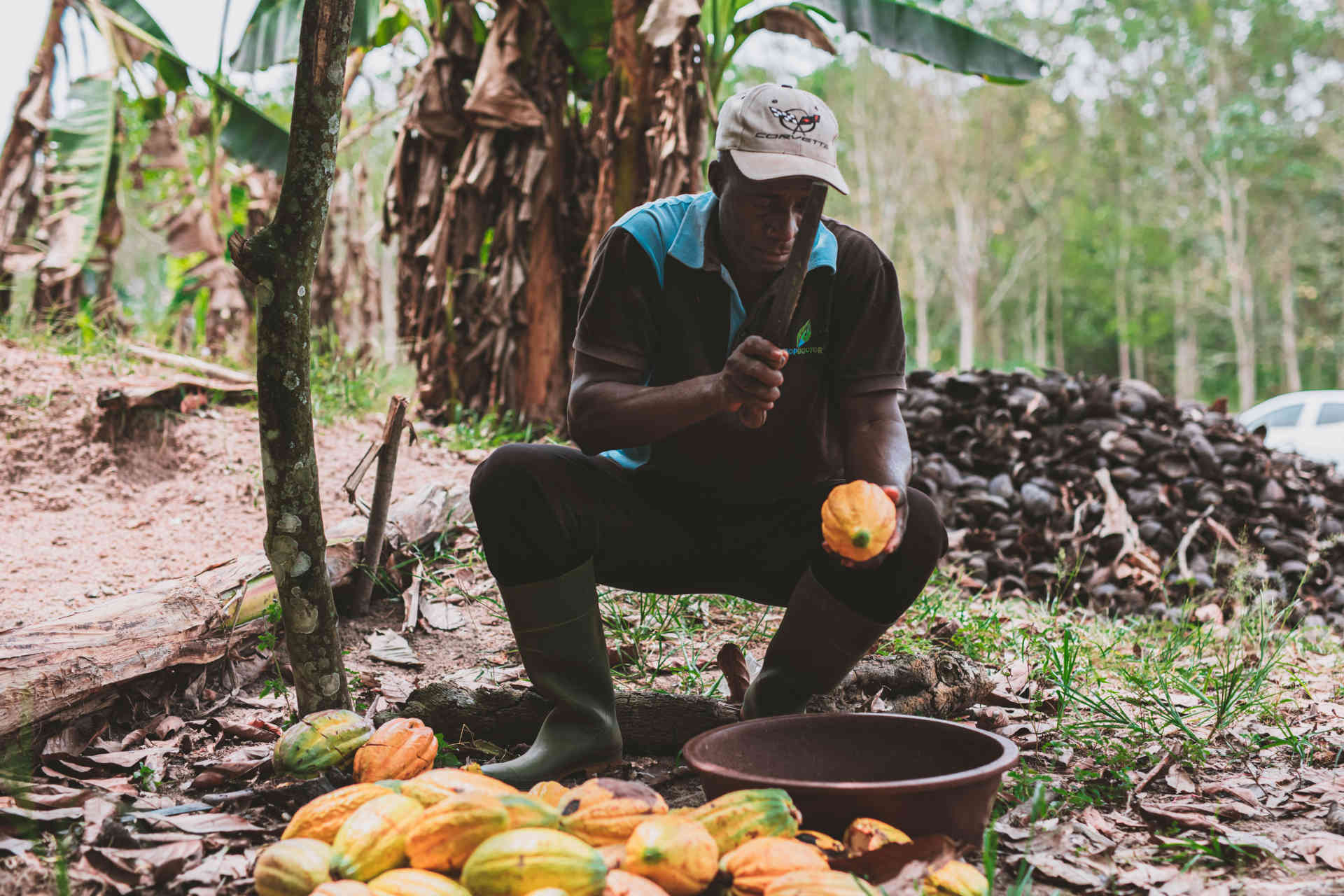
Tony's health program in Côte d'Ivoire
- Access to health insurance (CMU) for 5,000 families
- Vaccinations for over 140,000 children, including malaria
- Mobile clinics reach remote cocoa communities
- Financing through long-term higher cocoa prices & support from GIZ, BMZ, GAVI
- Goal: community-supported, lasting improvement in living conditions
Active step against exploitation
This is not just about medical aid, but about structural change: farmers are to gradually take on contributions themselves in order to support the programs in the long term. At the same time, Tony's continues to pay a premium for fair trade cocoa – an active step against the poverty that fuels exploitation in the industry.
Impetus for the industry:
- Sustainability must be considered throughout the entire supply chain
- Health care is a human right – and an economic lever against poverty
- Brands that make responsibility visible and verifiable gain trust and relevance
From Genusspunkt 3/2025