
Status quo: Figures that point the way forward
According to Circana's market survey (May 2025), the restaurant industry in Europe recorded a +1% increase in sales in the first quarter despite declining visitor numbers – growth that can be attributed to digital touchpoints such as click & collect, online orders, and mobile payments. These now account for 7% of all restaurant visits, with annual growth of +7%.
In Germany in particular, there are fewer visits but higher spending per occasion. This is a new logic that combines efficiency and experience. Edurne Uranga, VP Foodservice EMEA at Circana, sums it up: “Those who use digital channels wisely will survive in a challenging market environment.”
Voices from the field: Digitalization as an attitude
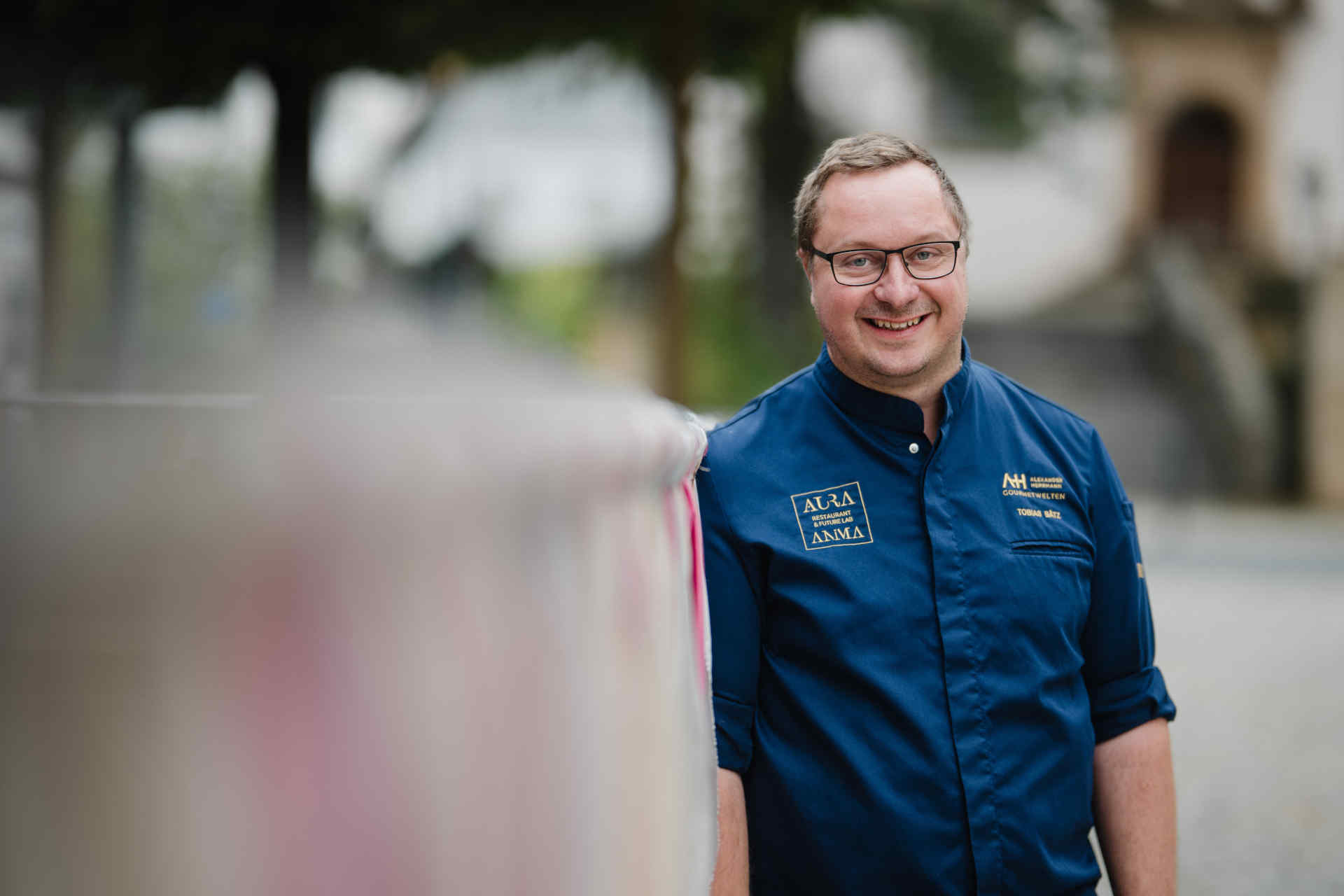
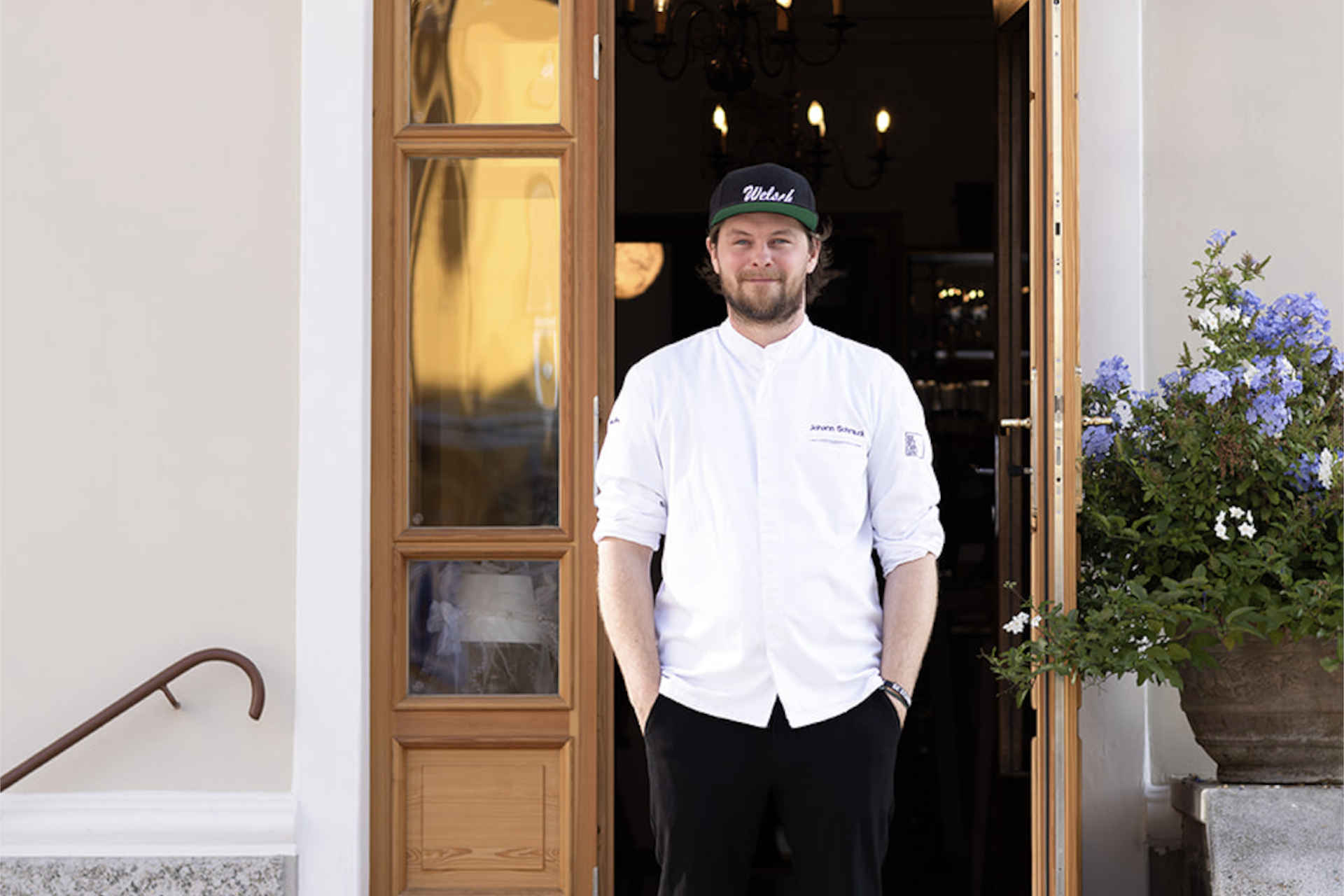
Johann Schmuck, restaurateur in Stainz, digitized his booking and billing processes long ago: “It saves time, paper, and stress. We communicate everything directly online.” For him, AI is currently a tool for texts, not a kitchen assistant. Tobias Bätz (Posthotel Alexander Herrmann) sees it similarly: "We use AI as a sparring partner. No tool can give you emotion, but it can give you perspective."
David Daxner and Mike Süsser rely on an intelligent ticketing system at the Gmundnerberghaus: no classic reservations, but plannable events. “This gives the team structure and creates space for genuine hospitality,” says Süsser. Daxner adds: "Anyone who starts working with us knows months in advance what's happening and when. That changes the work culture."

Robots, cloud computing, and more: When the future cooks
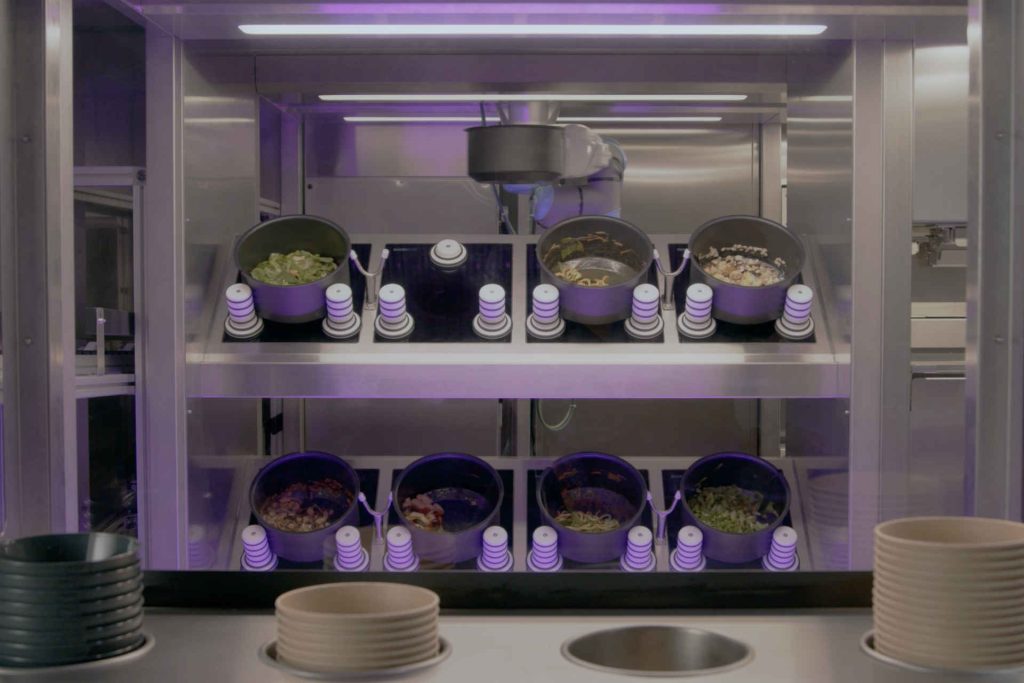
With Lady Umami, F&B Heroes has created Germany's first fully autonomous ghost kitchen. The cooking robot, developed with GoodBytz, achieves an operating margin of +33% above the industry average, top ratings on Wolt, and high reorder rates. Tim Plasse, CEO of F&B Heroes: “This isn't the future, it's reality.”
Service robots and delivery drones are also gaining momentum. Companies such as Starship Technologies have already carried out over six million autonomous food deliveries. In Germany, the market is lagging behind, but is showing growing openness.
A new approach to hospitality: hybrid systems and data intelligence
Digital feedback tools, targeted newsletters, and movement analyses cannot replace intuition, but they do strengthen the basis for decision-making. “Hybrid systems work,” says Süsser. “Many guests don't say anything to our faces, but they write online. We use both.”
According to Statista, 45% of restaurants have digital POS systems, and 26% are planning to introduce them. Contactless payment, mobile menus, and online reservations are desirable features for 71% of guests.
Barriers & potential: Where the industry needs to catch up
Although public funding is available for digitization projects, only 19% of companies take advantage of it. 42% are not even aware of the possibility. Many fail due to complex application procedures or a lack of external help. At the same time, 28% of companies are planning to invest in mobile device management and collaboration software. The course has been set – what is often missing is the courage to implement it.
Tip for businesses:
Whether it's subsidies, grants, or digitalization consulting—if you want to invest, don't be put off. Initial points of contact could include:
- Tax advisors and auditors, who can often provide information about current subsidy programs
- Chambers of commerce, industry associations, or chambers of trade (e.g., WKO, DIHK, HGV, etc.)
- EU-wide funding portals such as EU Funding & Tenders
- Regional or national innovation and funding agencies such as FFG (Austria), KfW (Germany), or Innosuisse (Switzerland)
In the field of digitalization in particular, many countries have programs that explicitly support catering businesses – often all that is missing is the right information.
Our conclusion for the future: a balance between humans and machines
The restaurant industry of the future is hybrid: it combines technology with temperament, planning with passion. Robots can cook, but they cannot feel. AI can write, but it cannot touch. The attitude of the people who use these tools remains crucial. Those who see digitalization not as a replacement but as an enabler create space for genuine hospitality – efficient, inspiring, and sustainable.
From Genusspunkt 3/2025