
Cachaça still has an image problem
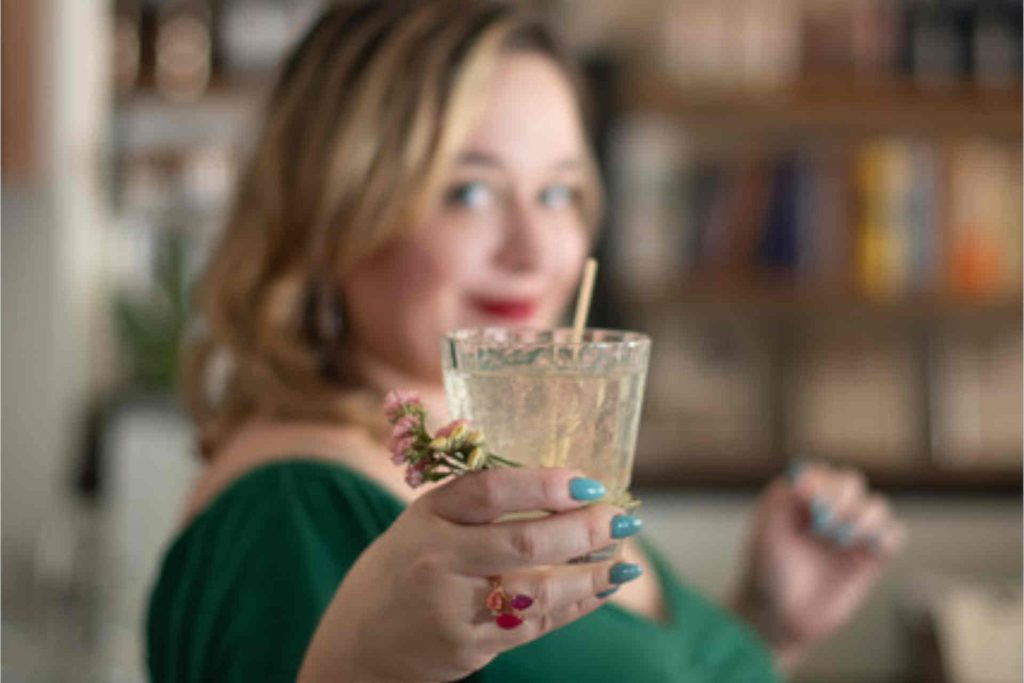
Outside Brazil, cachaça is often reduced to the caipirinha, perceived as a simple base spirit or associated with industrialised mass-produced products from the 1980s. Back then, heavily column-distilled varieties flooded the international market and left a lasting impression of a one-dimensional spirit. “Cachaça has much more to offer than just a basic spirit”, says Letícia Nöbauer, known in the industry as ‘Mrs Cachaça’. “My aim is to raise the profile of this Brazilian spirit and show just how diverse, high-quality and contemporary it can be. For me, it’s not just about a spirit, but about culture, heritage and identity – and my roots.”
An underrated range of flavours
First produced in Brazil between 1516 and 1532, cachaça is now a national treasure. Around 700 million litres are produced annually. More than 30 different types of wood are used for storage and maturation, ranging from French oak to distinctive Brazilian woods such as Amburana, Bálsamo, Jequitibá and Jaqueira. This enormous variety of cask materials gives cachaça an aromatic range that is virtually unique in the international spirits market: spicy, balsamic, nutty, floral, vanilla-like, sometimes with exotic fruit, sometimes with a dry herbal structure. Whilst large producers supply technically flawless, consistent distillates, artisanal alambic cachaças stand for provenance, microclimate, sugarcane varieties and sensory depth.
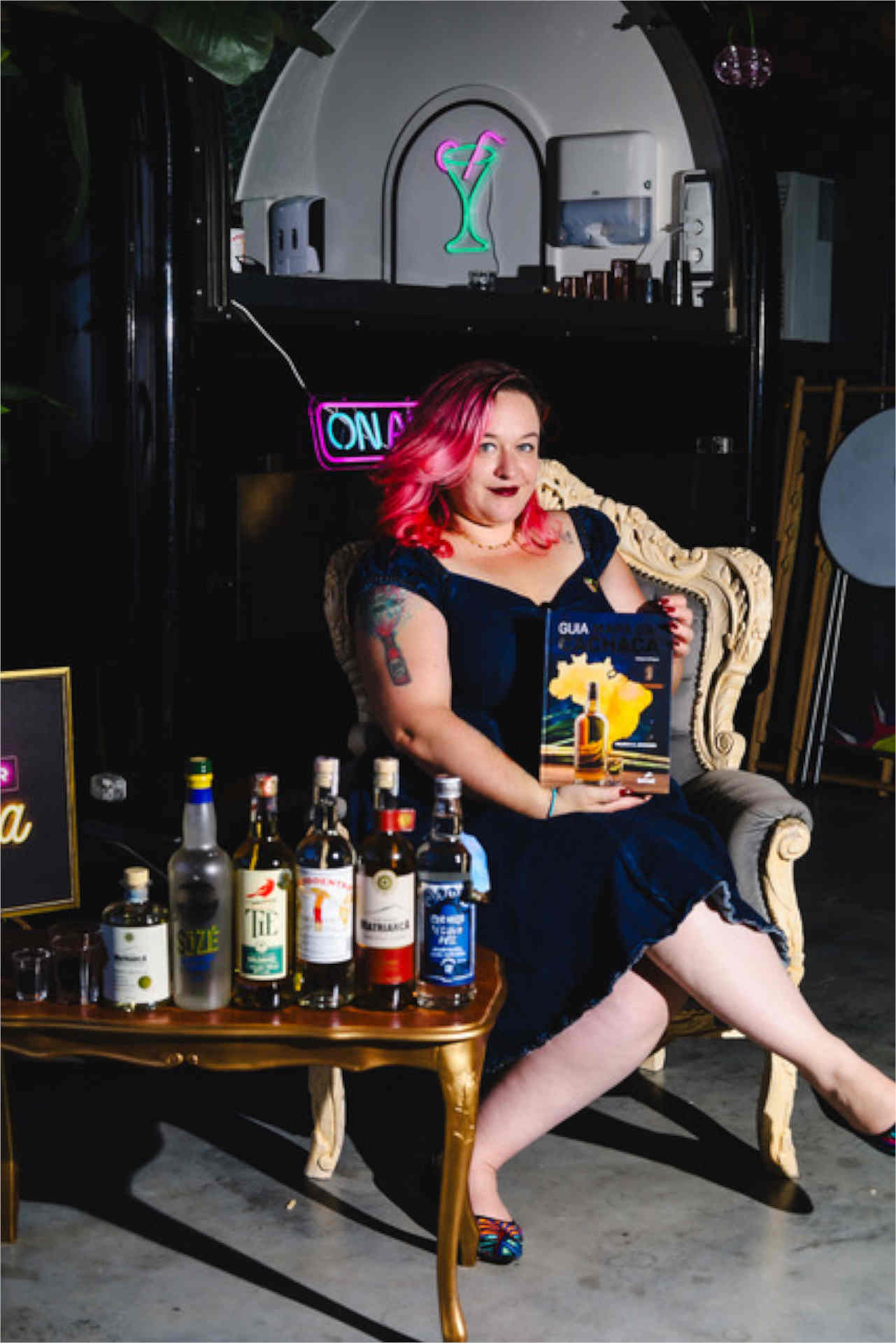
This is precisely where the discussion on quality begins, and this is exactly where Ms Cachaça comes into her own. Letícia Nöbauer is an official taster for the ‘Guia do Mapa da Cachaça’ project, one of the world’s most important reference works on cachaça. Published in two languages, the book documents distilleries, production methods, sensory profiles and cultural backgrounds, and is regarded in specialist circles as the standard work on Brazilian sugarcane spirit. It focuses on questions of terroir and regional styles, the influence of different sugarcane varieties and microclimates, as well as barrel management and the extraordinary variety of wood that characterises cachaça. Added to this is expert-level sensory analysis, structured, comparative and situated within an international context. In doing so, she not only acts as a communicative ambassador but is deeply involved in the industry’s structural discourse on quality, actively contributing to the professional classification and further development of Brazilian premium cachaças.
Premium cachaça for the European market
As an active importer of premium cachaças to Austria and other European markets, Nöbauer is responsible not only for selecting individual products, but also for strategically introducing an entire spirits category to a new market. She works directly with family-run distilleries in Brazil, conducts tastings on site, analyses style, maturation and quality levels, and uses this to develop a curated portfolio with clear positioning. In doing so, she oversees the entire process, from sensory selection and quality control to brand strategy and the logistical and legal structuring of the import. For the hospitality industry and specialist retailers, this means: verified provenance, transparent production conditions, reliable supply chains and a range that is not arbitrary but deliberately differentiated.
Cachaça as a differentiating factor
Since 2016, she has been professionally positioning cachaça on the European market from her base in Vienna, through tastings, masterclasses, team training sessions, recipe development and strategic consultancy for bars and restaurants. “Cachaça offers the opportunity to serve something new yet authentic – a genuine point of differentiation”, she explains. She sees enormous potential, particularly in German-speaking countries. For establishments, a world of flavour opens up that lends itself to storytelling and can justify premium prices. New customer demographics and the expansion of the classic cocktail menu create fresh opportunities to stand out. Cachaça works as a base for almost any classic cocktail: from a Negroni twist to a structured Old Fashioned interpretation. It lends itself to fresh, accessible drinks as well as minimalist recipes where the base spirit is clearly the star. The only real exception is absinthe-based drinks, due to the louche effect. Otherwise, the rule is: creative freedom with a Brazilian twist.
Best Practice: How Vienna is putting a new spin on cachaça
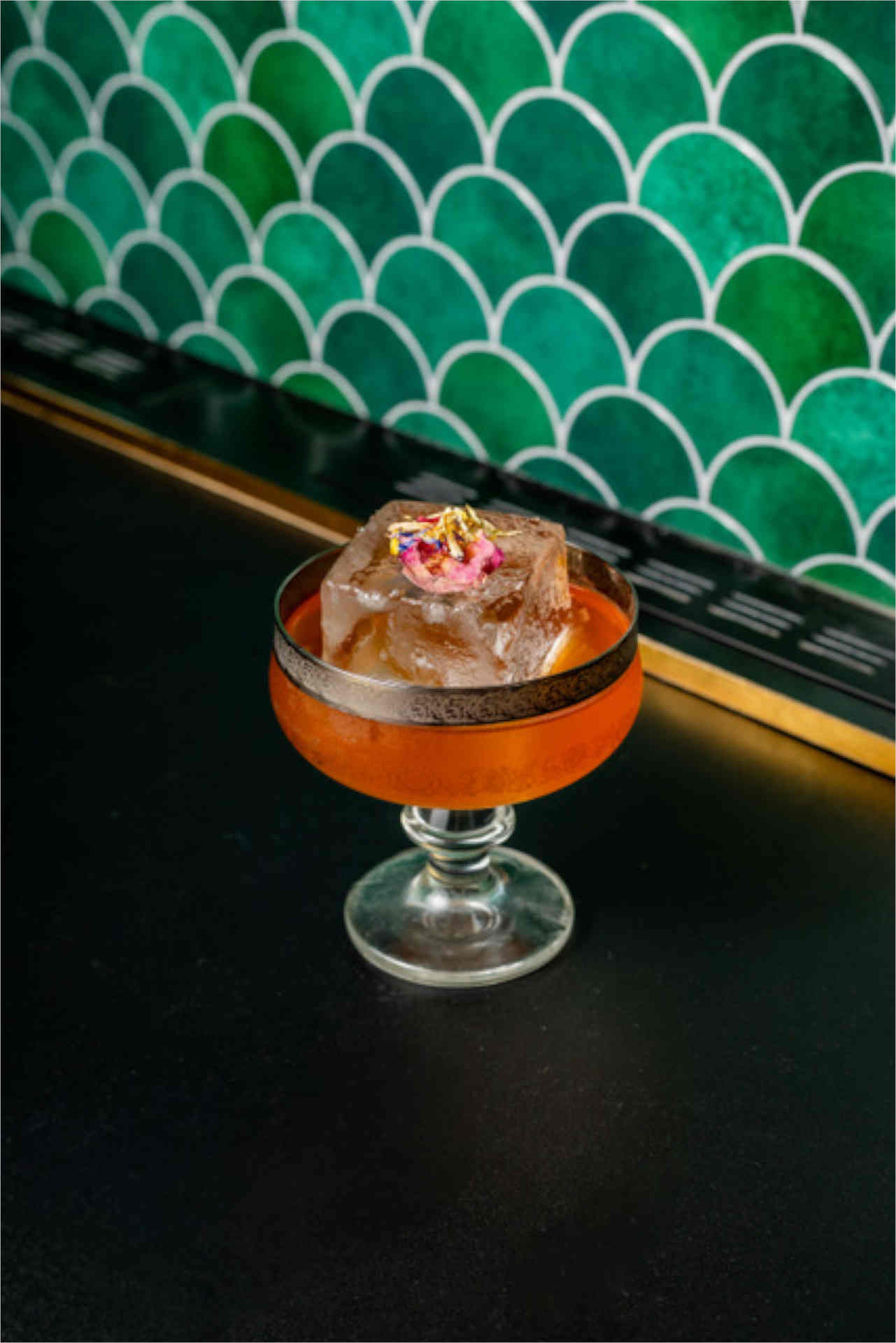
There are already some remarkable examples of best practice in Vienna. Kias Restaurant offers a cachaça list – virtually unique in Europe – presented in the style of a wine list, complete with tasting menus and pairings. From 2026, Graviola Café will be offering a curated selection. At the internationally acclaimed Bar Pani, the menu features a cocktail named after her: ‘Delícia da Letícia’. The rooftop bar Cayo Coco at the Hoxton Hotel serves Brazilian classics such as Rabo de Galo and Macunaíma, whilst the Gleisgarten offers an accessible introduction with expertly crafted caipirinhas.
A key element of her mission is also the mobile concept Frau Cachaça. BAR – a high-quality cachaça cocktail bar set to tour Austria in 2026. Alongside classics such as Caipirinha, Rabo de Galo and Macunaíma, the range includes signature drinks like the Jambu Smash, low- and no-alcohol options, slushies and – depending on the occasion – even Gummy Cachaça Shots.
Particularly when it comes to low- and non-alcoholic drinks, she places great emphasis on technical precision. By law, cachaça must have an alcohol content of between 38% and 48% vol.; so-called ‘Cachaça Zero’ products are not legally classified as cachaça. She sees the modern solution in intelligently designed low-alcohol drinks and non-alcoholic alternatives, such as an alcohol-free passion fruit caipirinha – respectful towards guests and in line with current consumer trends.
She sums up what cachaça means to her best herself: “For me, cachaça is more than just a spirit. It is cultural heritage, an expression of identity and a language of its own in the glass.” Distilleries, some with over 300 years of history, regional production methods and the diversity of Brazilian woods make it unique. “What’s needed is openness and curiosity. And in my view, we’re only just getting started here.”
About Letícia Nöbauer
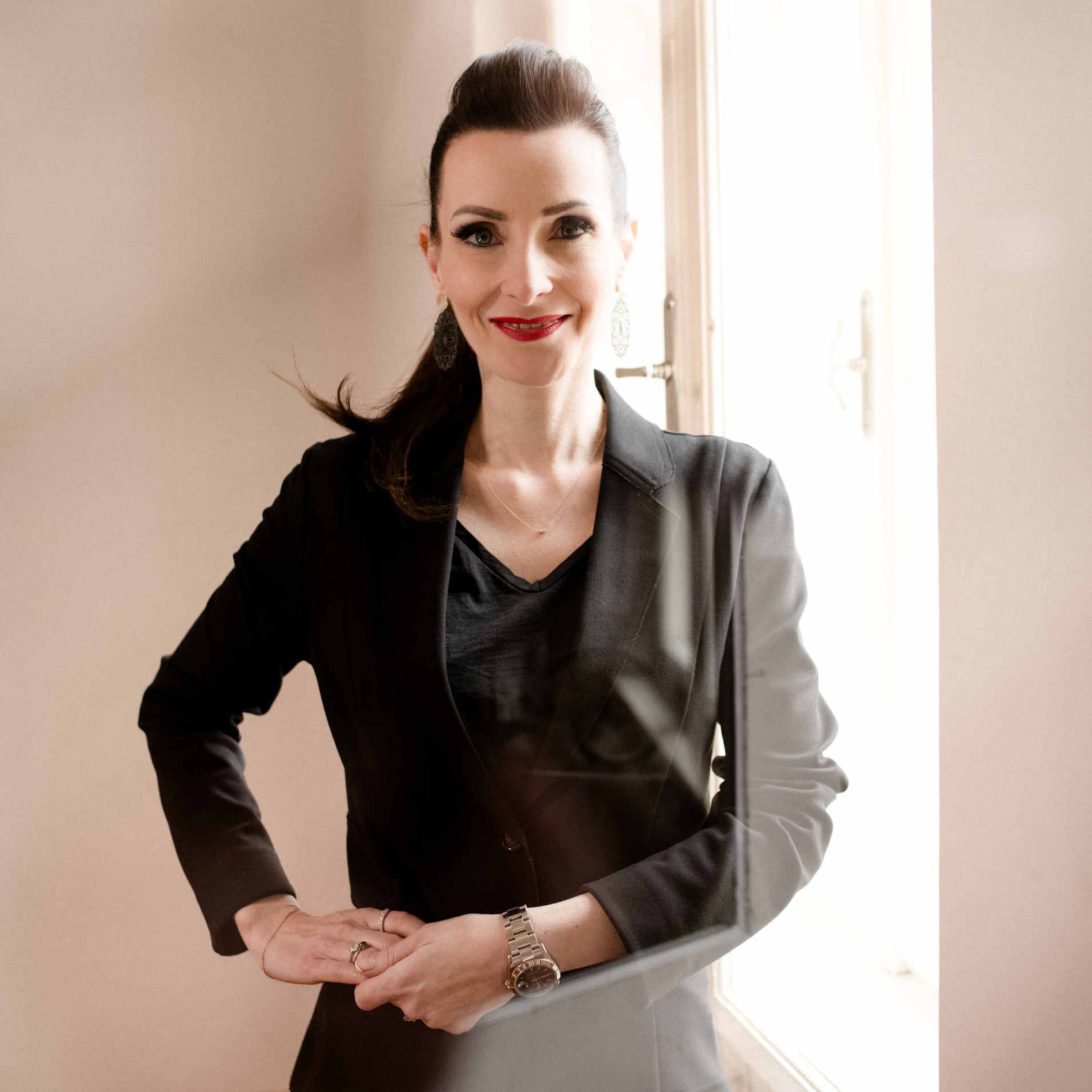
Letícia Nöbauer, known as Frau Cachaça, has been one of the leading voices for cachaça in Europe since 2016. Through multilingual tastings, masterclasses and workshops, strategic consultancy for bars and restaurants, and the development of bespoke menu and cocktail concepts, she has played a decisive role in shaping the professional engagement with Brazilian drinking culture in German-speaking countries. In 2021, she made history as the first woman to win the national Rabo de Galo competition in Brazil. She is also the initiator of the world’s first podcast about cachaça (“The Frau Cachaça Show”) and serves as brand ambassador for the Rabo de Galo competition in Europe.
Another key element is the “Frau Cachaça.BAR”, a mobile, curated cocktail bar serving as a platform for Brazilian drinking culture. Here, she combines expertise, storytelling, product development and contemporary mixology into a format that unites enjoyment, education and cultural context. The aim is to raise the profile of cachaça in Europe in a nuanced, high-quality way that transcends stereotypical simplifications.
Her extensive training as a certified wine sommelier, a prospective wine academic, a qualified barista and a graduate of Manchester Metropolitan University in Hospitality & Tourism adds sensory depth and strategic market insight to her entrepreneurial practice. With her cultural roots, analytical precision and clear positioning, Letícia Nöbauer is increasingly establishing herself as a benchmark for innovation, quality and sustainable brand development in the international premium cachaça market.
From Genusspunkt 1/2026