
Nutrition is becoming a new form of self-care
Food has always been a source of pleasure, but in 2026 it will increasingly become a personal optimization strategy. Longevity, wellbeing, and functional nutrition are merging into a new self-image: what we eat should not only satisfy our hunger, but also support our skin, intestines, immune system, and performance.
Gurkerl already sees this change very clearly in shopping data. Demand for superfoods such as chia, spirulina, blueberries, nuts, and kale has risen by 32 percent within a year. The market for probiotic drinks such as kefir, kombucha, and functional sodas is growing even faster, with an increase of 45 percent. At the same time, “protein everything” is conquering almost all categories – from fresh pasta and ready-to-eat meals to plant-based products and dairy products.
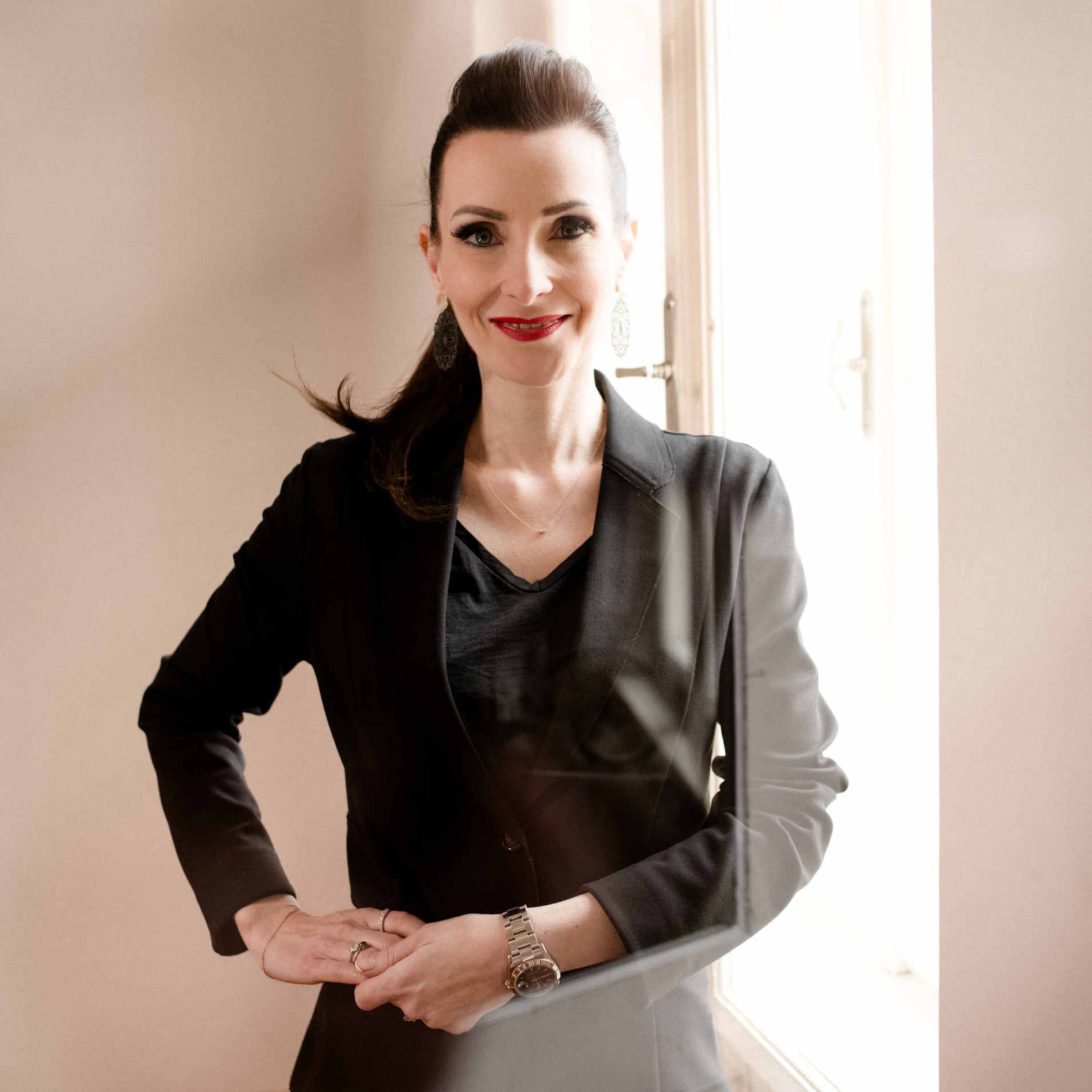
“We can clearly see that skin food, gut health, and functional snacks are no longer short-term trends. They will become even more of the new normal in 2026 because consumers increasingly see nutrition as part of their holistic health strategy,” says Nina Gerhardt, chief buyer at Gurkerl.at.
Collagen-containing products are benefiting particularly strongly from this – fueled by the global anti-aging discourse and the trend toward thinking about beauty from the inside out.
Non-alcoholic drinks are moving from abstinence to the premium category
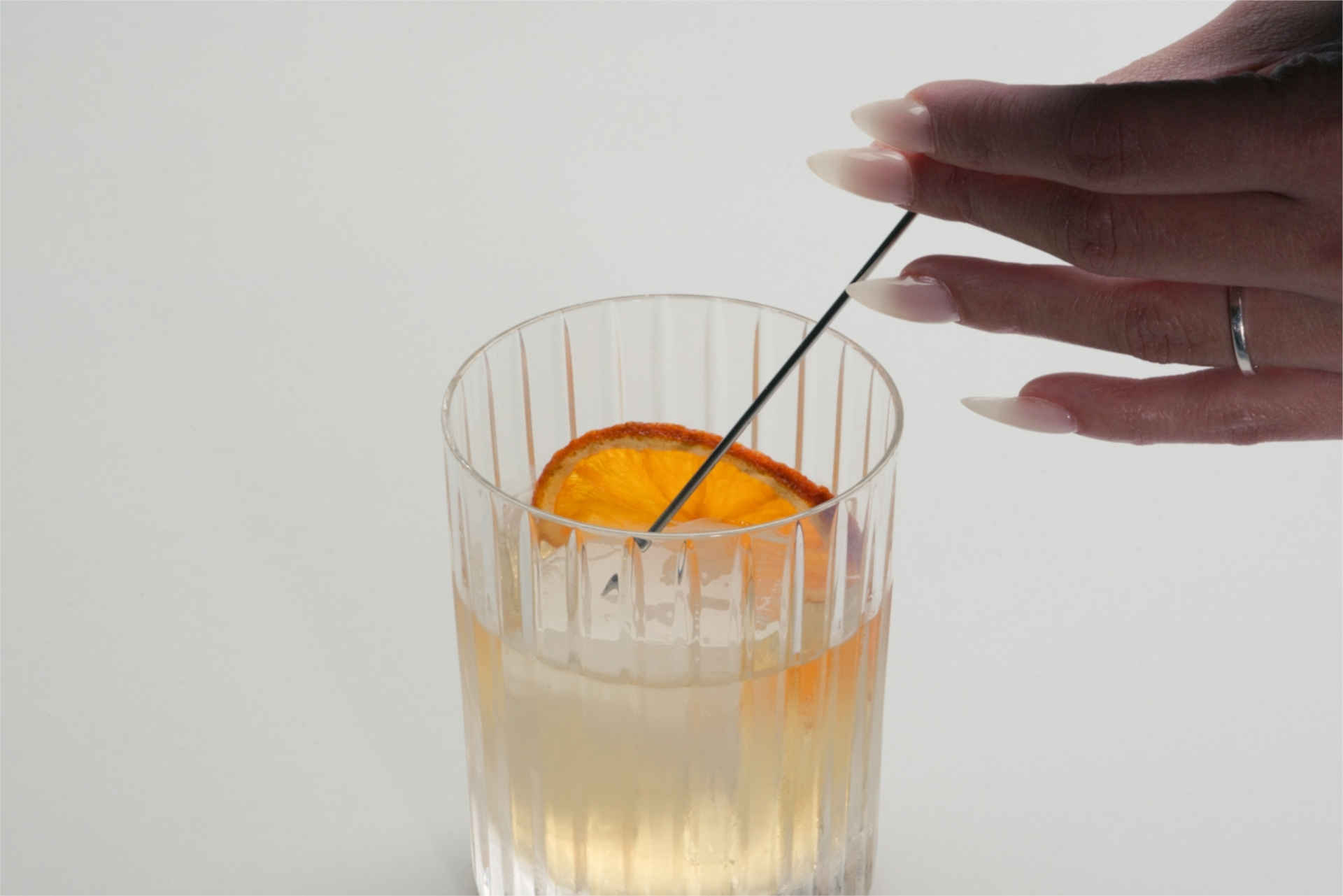
What was considered a niche market just a few years ago will finally become mainstream in 2026: non-alcoholic beverages. This is no longer about abstinence, but rather a conscious lifestyle choice.
The figures speak for themselves: orders for alcohol-free alternatives at Gurkerl have already risen by 40 percent year-on-year – and the trend is continuing upwards. At the same time, the products are becoming more complex, aromatic, and sophisticated: exotic fruits, spicy notes, fermented profiles, and multi-layered flavor concepts are shaping new mocktails, alcohol-free beers, wines, and kombuchas.
“Today, alcohol-free is no longer a compromise, but a conscious premium choice. We are seeing more and more target groups discovering this new drinking culture for themselves,” explains Nina Gerhardt. Gurkerl is already one of the suppliers with one of the largest non-alcoholic ranges outside the specialist trade – an area that will be massively expanded in 2026.
When AI becomes your personal sous chef
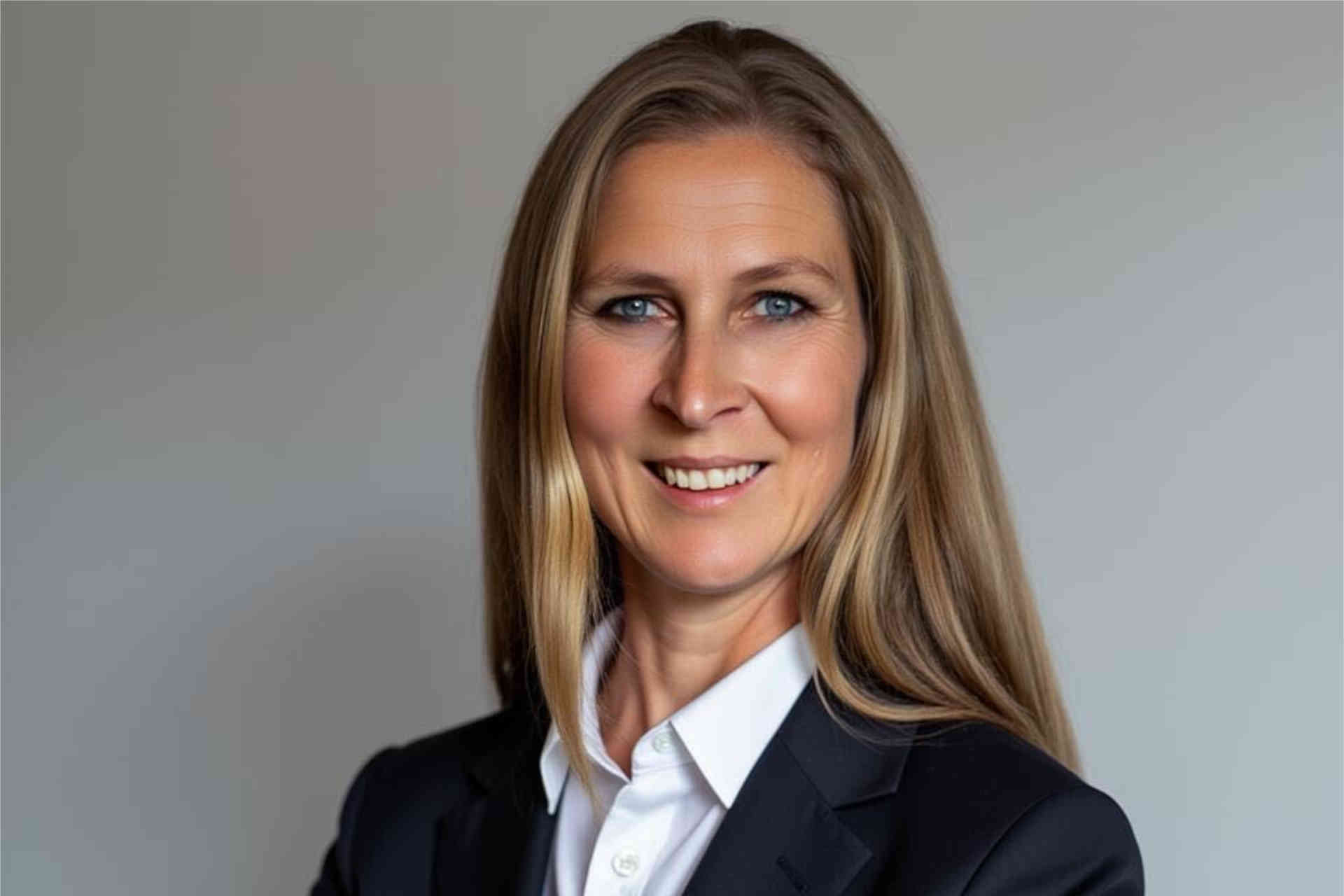
Artificial intelligence is also finding its way into the kitchen. While it cannot replace nutritional advice, it is increasingly becoming a creative and organizational aid in everyday life. From meal planning to recipe inspiration, AI will become the digital sous chef for many households by 2026. “AI can take stress out of everyday life by tailoring shopping lists, meal plans, and recipes to individual life situations—such as families, allergies, or time budgets,” says Nina Gerhardt. Gurkerl is already working on its own AI shopping assistant that will combine precisely these functions—taking convenience to a whole new level.
Social media drives shopping carts
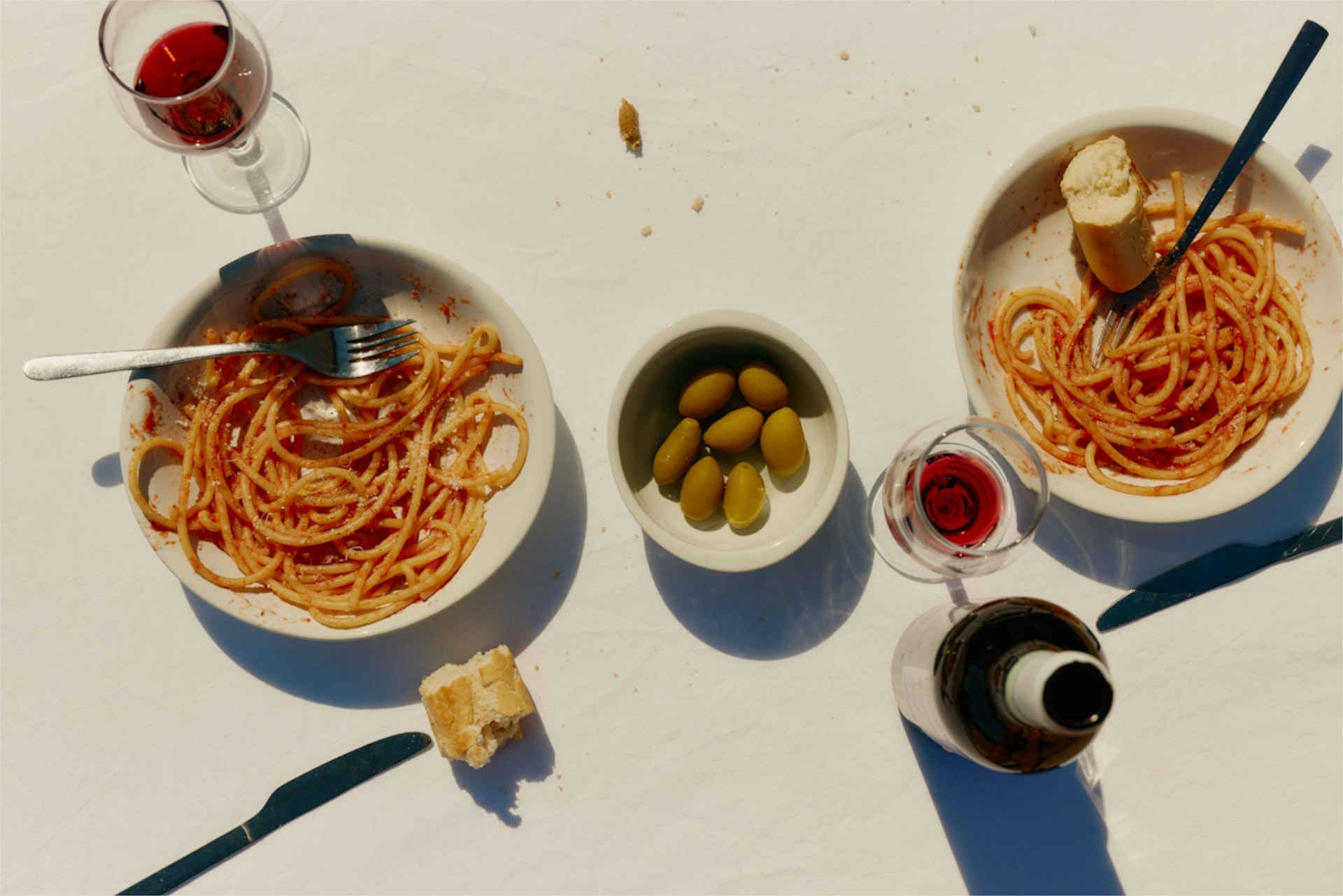
Whether it's Dubai chocolate or Cedric Grolet's iconic fruit cakes, viral food trends have long been determining what people buy. Social media will remain the most important trend driver in 2026. Aesthetics, scarcity, and storytelling ensure that certain products generate explosive demand. “In uncertain times, people seek small pleasures to escape reality. Food trends offer precisely these emotional breaks – and will therefore continue to boom in 2026,” says Nina Gerhardt.
To identify such trends early on, Gurkerl uses AI tools that analyze TikTok and Instagram in real time. Only if a hype is strong across all channels, has everyday potential, and is stably available is it included in the product range. “Our online model allows us to list trends very quickly – and scale them sustainably at the same time,” says Gerhardt.
Our conclusion for the future: The supermarket is becoming a lifestyle hub
The four food trends for 2026 clearly show that modern shopping has long been about more than just supplies. It is becoming an interface between health, enjoyment, technology, and cultural affiliation. For the restaurant and hotel industry and brands, this means that if you want to remain relevant, you not only have to offer products, but also understand lifestyles – and accompany them both digitally and emotionally