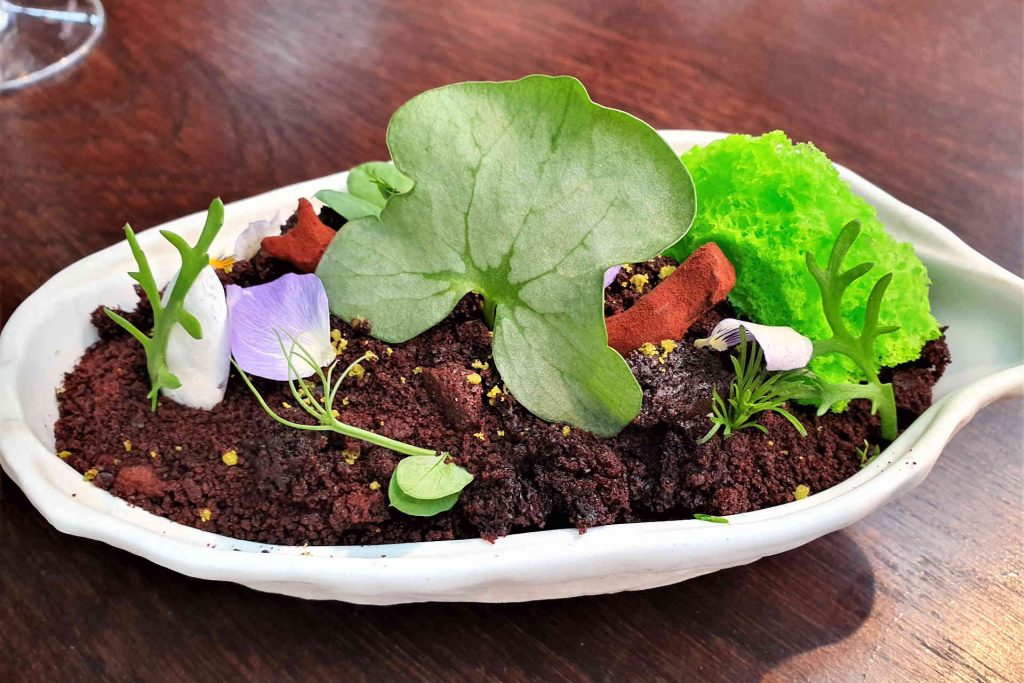
Food trends in gastronomy and nutrition are shifting strongly towards sustainability, naturalness and innovation. Consumers want less and less GMOs and are reluctant to eat cultured meat. It is important for restaurateurs to be aware of these trends and implement them in a well-considered manner. After all, the most important requirement for the food service industry in 2025 is to set a clear focus and simplify offerings and processes as much as possible – also using automation and AI. Food trends are part of this change: it is important to make targeted use of them.
The most important food trend is naturalness. Plant-based cuisine remains popular. Guests love freshly cooked dishes without additives – aspects that apply to individual gastronomy and represent an opportunity. Restaurateurs are increasingly focusing on working with businesses that cultivate the soil and ecosystem in a regenerative way – also in response to the growing demand for transparency and authenticity. In many cases, not only the region but also the producers are presented to guests. The Honesty Food concept in Scandinavia goes even further, with restaurants publishing the origin and price composition of their dishes.
Exciting restaurant concepts are emerging in the field of zero-waste cuisine, such as Blue Hill in New York, which offers creative dishes made from leftover ingredients, such as bread bowl soups or vegetable stalk chips. Nolla in Finland operates hyper-local production, takes guests behind the scenes and shows how waste is completely avoided. In the future, urban farming could continue to grow as an integral part of gastronomy concepts, as in the farm-to-table restaurant Bite in New York.
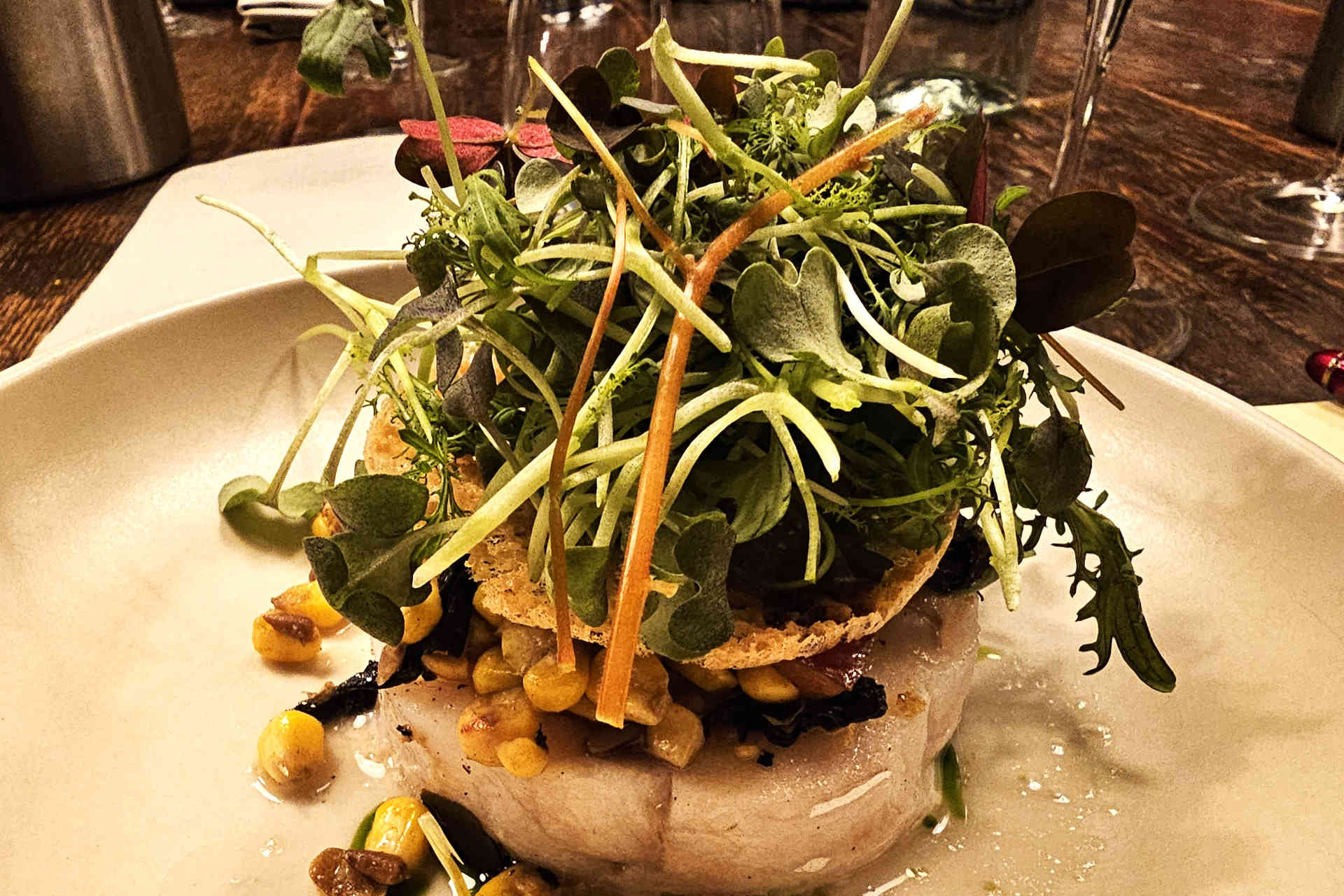
The development of alternative proteins, including plant-based products, cultured meat and insect proteins, is progressing worldwide. The Grub Kitchen restaurant in Wales offers cricket burgers and mealworm pasta. In a case study by Upside Foods in the US, Michelin-starred chefs are using cultured meat to optimize taste and texture. Restaurants such as Crustacean Beverly Hills in the USA already offer cultured shrimp as a delicacy. Alongside plants, algae are becoming popular as sustainable superfoods. There is also a growing trend towards hyper-personalized nutrition based on DNA tests and health data.
Preparation methods are also changing, moving away from deep-frying to steaming, such as at the British, Asian-inspired fast food chain itsu. Fermentation is increasingly emphasized, especially in Scandinavian cuisine. Umami as a flavor trend is becoming more and more important, with vegetarian and vegan dishes increasingly featuring grilled and umami flavors. The trend towards vegification – the transformation of classic dishes into vegan versions - is another expression of this change. Currently, 9% of the population in Germany is vegetarian and 2% vegan. Among Gen Z, the proportions are 14% and 7% respectively.

Imola is much more than just a race track: the city combines top-class cuisine, cultural monuments, and traditional producers to create an experience that delights connoisseurs, Italy fans, and curious travelers alike. From 2-star gastronomy at Ristorante San Domenico to creative pizza experiences and slow food osterie to historic libraries, palazzi, and award-winning wineries: this guide shows you the best places for cuisine, culture, and shopping—authentic, high-quality, and with real added value for your next visit to Imola.
The two-star Berlin restaurant Horváth returns to Vienna in early 2026 with an exclusive pop-up, presenting an uncompromising new menu based on “emancipated vegetable cuisine.” For two weeks, Sebastian and Jeannine Frank’s team will take over the Herzig restaurant and serve a 7-course menu that shows how innovative, precise, and luxurious vegetables can be today. A culinary highlight for foodies, fine dining fans, and anyone who doesn’t want to miss Austria’s most exciting pop-up experience of 2026.
This time, Sebastian Frank is taking an even more uncompromising approach, with a new menu and a clear message: vegetables can be luxurious – even without caviar.
With the opening of its new distillery in Mosbach, Aromahopping is sending a strong signal about the future of artisanal spirits. Between extraordinary gin compositions, creative tastings, and a high-caliber supporting program, it became clear what makes the Odenwald brand so special: attention to detail, curiosity about new flavors, and a passion for honest craftsmanship.
Food trends in gastronomy and nutrition are shifting strongly towards sustainability, naturalness and innovation. Consumers want less and less GMOs and are reluctant to eat cultured meat. It is important for restaurateurs to be aware of these trends and implement them in a well-considered manner. After all, the most important requirement for the food service industry in 2025 is to set a clear focus and simplify offerings and processes as much as possible – also using automation and AI. Food trends are part of this change: it is important to make targeted use of them.