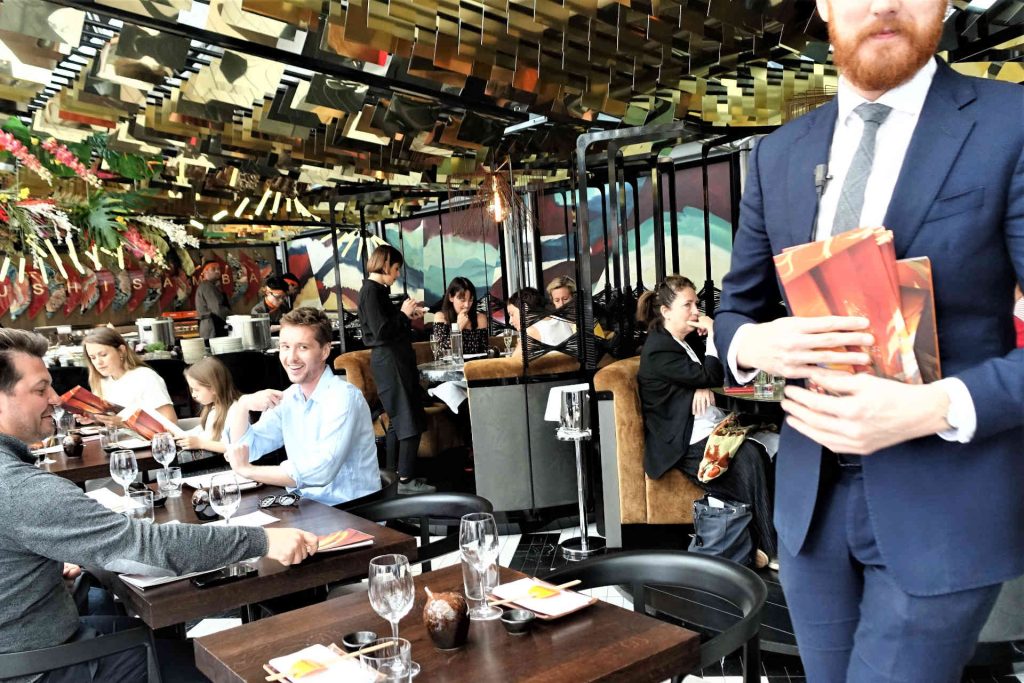
Individual gastronomy has a great opportunity to position itself as a unique and distinctive alternative in the hospitality industry. Individuality is its greatest USP: establishments that stand out through their uniqueness offer guests a personalized and interactive experience that can also be controlled through the use of technologies such as smartphones, without replacing personal hospitality.
Especially at a time when revenue kills hospitality is becoming a global challenge, emotional, analog hospitality remains the decisive factor. Revenue is important, but successful restaurateurs are good hosts and can still do the math.
The interplay of efficient digitalization for internal processes and authentic, human interaction with guests is the key. Genuine emotions, authentic storytelling and analog experiences through F&B, service, design and atmosphere create lasting impressions. Gastronomy needs and brings experience and emotion. This also includes the pleasure experience. Individual gastronomy stands for good food: home-cooked dishes made from high-quality products, as natural as possible and from regional producers, plus vintner wines, home-made juices, high-quality teas and coffee specialties.
New concepts such as multi-use spaces (combination of café, co-working, bar and event location) or experience gastronomy with interactive elements, live shows and storytelling menus (e.g. theater gastronomy) offer innovative ways to appeal to guests. Examples such as the Social Kitchen in Vienna with cooking courses combined with shared dinners and networking or the Chamäleon Theater in Berlin (live performances with a 4-course menu) show how creative formats can be successfully implemented.
The pandemic has triggered a shakeout in the industry. What remains are often economically stronger and more professional providers who work more efficiently with well thought-out concepts and digital support. At the same time, higher wages are required for fewer employees, which increases the focus on excellent analog service and individually tailored offers. A clear profile, smaller but well thought-out menus, personalized offers in the form of menu options or a boutique character highlight individual gastronomy. Digitalization optimizes processes, but emotional, analogue hospitality remains crucial – the dining out experience is and will remain indispensable.

What happens when traditional Swiss cheese-making meets plant-based fermentation? The result isn’t a substitute product, but an entirely new category. New Roots describes itself as a “vegan dairy” and produces artisanal, plant-based cheese alternatives in Oberdiessbach. Founded in 2016 in Thun, the company is one of the pioneers of European vegan cheese culture and now produces around 30,000 cheese products weekly. Particularly noteworthy: Production follows traditional ripening methods using fermentation, ripening cultures, and artisanal care rather than texturizing additives. For establishments looking to elevate their vegan offerings to fine-dining standards, it’s worth taking a closer look at the following products.
Whether it’s quality meat saved through Too Good To Go, plant-based steaks from Planted, or Zero Waste BBQ according to the Kotányi Grill Study: The 2026 grilling season stands for mindful enjoyment, new taste experiences, and smart ways to save money while grilling.
Most great wines are opened too early. Michael Kerschbaum turns this principle on its head and, with the Blaufränkisch “X” 2015, brings a wine to market that is available precisely when it has reached its full potential. A rare statement in favor of patience, terroir, and the true greatness of Blaufränkisch.
With the Blaufränkisch “X” 2015, the Kerschbaum Winery is making a deliberate statement against the fast-paced nature of the wine world. Ten years of aging, uncompromising selection, and a clear vision: to make a Blaufränkisch available precisely when it has reached its full potential.
Individual gastronomy has a great opportunity to position itself as a unique and distinctive alternative in the hospitality industry. Individuality is its greatest USP: establishments that stand out through their uniqueness offer guests a personalized and interactive experience that can also be controlled through the use of technologies such as smartphones, without replacing personal hospitality.
Especially at a time when revenue kills hospitality is becoming a global challenge, emotional, analog hospitality remains the decisive factor. Revenue is important, but successful restaurateurs are good hosts and can still do the math.