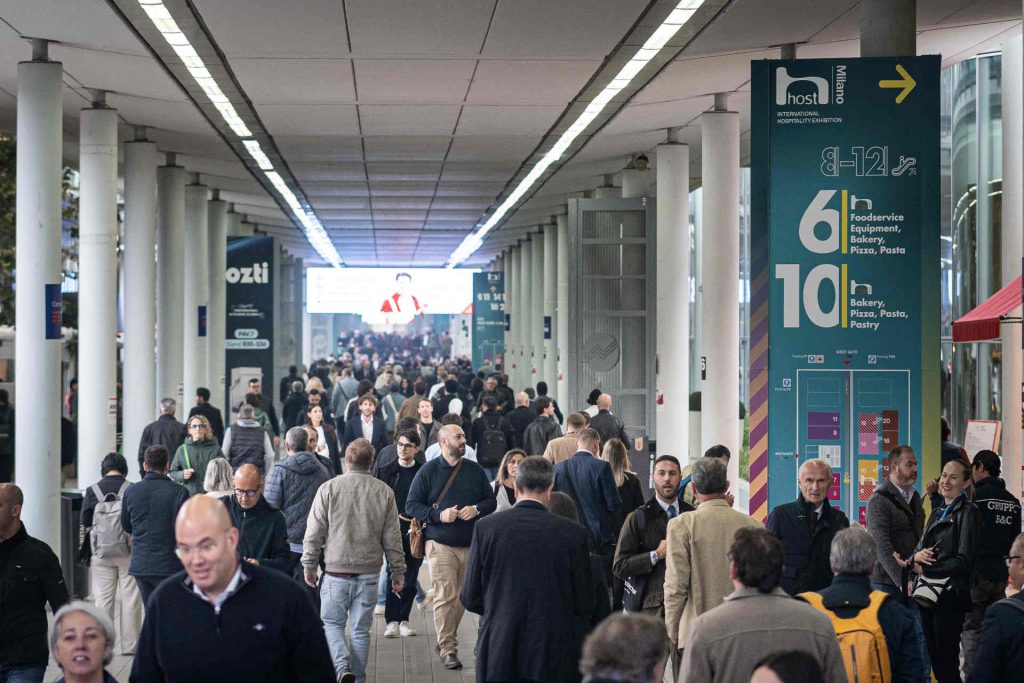

The professional kitchen is becoming the business driver of a new hospitality industry
The hospitality industry is undergoing a phase of profound structural change. What was once primarily regarded as an operational area is increasingly becoming the strategic centre of a business. Kitchen technology, interior design, automation, menu development and the guest experience are merging into an integrated business model.
This development is also reflected in the latest market figures. According to exclusive data from ExportPlanning for the HostMilano Observatory, global production of professional foodservice equipment reached a volume of 77.7 billion euros in 2025. Compared to the pre-pandemic period, this represents growth of around 35 per cent. The average annual growth rate stands at 5.2 per cent.
This makes it clear that investment in professional kitchens, automation and flexible operational concepts are now among the most important competitive factors in the international HoReCa sector.
Why the professional kitchen is becoming a strategic success factor
The economic significance of professional kitchen technology is growing significantly worldwide. At the same time, catering concepts, operational processes and investment priorities are undergoing fundamental changes. For hoteliers, restaurateurs and foodservice decision-makers, the kitchen is thus increasingly becoming a strategic centre of value creation. HostMilano 2027 will take place in Milan from 22 to 26 October 2027 and is regarded as one of the world’s most important platforms for hospitality, foodservice and food retail. The trade fair is particularly relevant for industry decision-makers because it highlights technological developments, market trends and new business models at an early stage.
The following key figures are already emerging:
- More than 1,000 companies have confirmed their participation
- Around 50 per cent of exhibitors come from abroad
- The 2025 event attracted over 2,200 exhibitors and 183,000 trade visitors
International networking is becoming increasingly important
The growing internationalisation of the foodservice market is also reflected in new strategic partnerships.
- Host Arabia will take place for the second time from 7 to 9 December 2026.
- In collaboration with NAFEM, the event concept will be implemented in the USA for the first time in 2027.
- This will create closer links between Europe, North America and the Middle East.
For manufacturers, operators and investors, this means stronger international networking as well as better access to new markets and innovations.
Global market for professional kitchen equipment reaches €77.7 billion
According to the latest data from ExportPlanning for the HostMilano Observatory, global production of professional foodservice equipment amounted to €77.7 billion in 2025. This represents an increase of around 35 per cent compared to pre-pandemic levels.
Which product groups are growing particularly strongly
The largest product categories are cookware and pots at €26.9 billion, and electric cookers, hobs and ovens at €23 billion. Small electromechanical appliances are developing particularly dynamically, with an average annual growth rate of 10.3 per cent.
In practical terms, this is a clear indication of three key developments:
- increasing automation
- greater process standardisation
- rising demand for efficient, compact kitchen technology
The key markets for professional kitchen equipment
With an import volume of €8.4 billion, the United States remains the world’s largest single market. Other significant markets include Germany (€4.8 billion), the Netherlands (€2.5 billion), Poland (€2.5 billion) and France (€2.4 billion). The European market is developing particularly dynamically. An additional increase in demand of around €906 million is expected for Germany by 2029. This shows that investment in professional kitchen equipment remains a central component of modern hospitality strategies, even in economically challenging times.
Open-plan kitchens and modular spaces: the architecture of the future
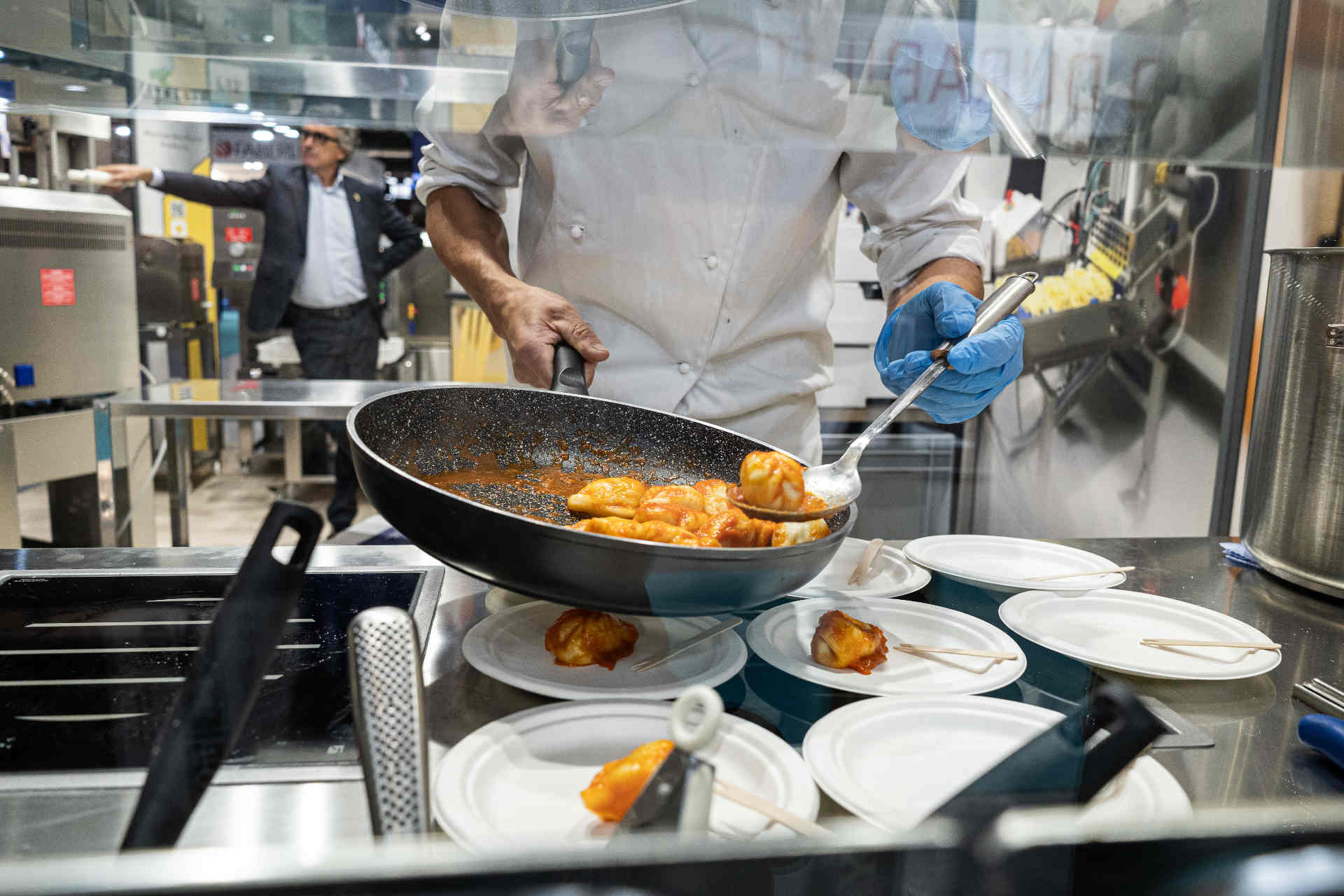
One of the most important structural trends is and remains the visibility of the kitchen. It is evolving from a back-of-house area into the central stage of the dining experience. Open kitchen concepts create transparency, trust and a sense of spectacle. Guests want to experience the processes, see the craftsmanship and feel the authenticity. The kitchen thus becomes the emotional and economic heart of the establishment.
At the same time, modular space concepts are becoming increasingly important. Restaurants are designed to adapt flexibly to different usage scenarios, ranging from lunch service, through aperitivo and dinner, to private dining, delivery, pick-up and events. Indoor and outdoor areas merge into adaptive integrated systems that maximise capacity utilisation and revenue potential.
AI in the catering industry: from concept to operational reality
A key driver of this transformation is artificial intelligence. As demonstrated by the ‘Future Menus 2026’ report from Unilever Food Solutions, analysed by Genusspunkt, AI is increasingly becoming a practical tool for the hospitality industry. Over 1,100 industry experts and 250 chefs from 20 countries identified four strategic developments. Of particular relevance is the use of AI-powered systems that analyse restaurant concepts, compare global trends against a database of more than 35,000 recipes, generate concrete recommendations for action and reduce trial and error in product development. As a result, artificial intelligence is evolving from a buzzword into a data-driven decision-making tool for procurement, menu engineering and operational processes.
Borderless cuisine and fermentation are shaping new worlds of flavour
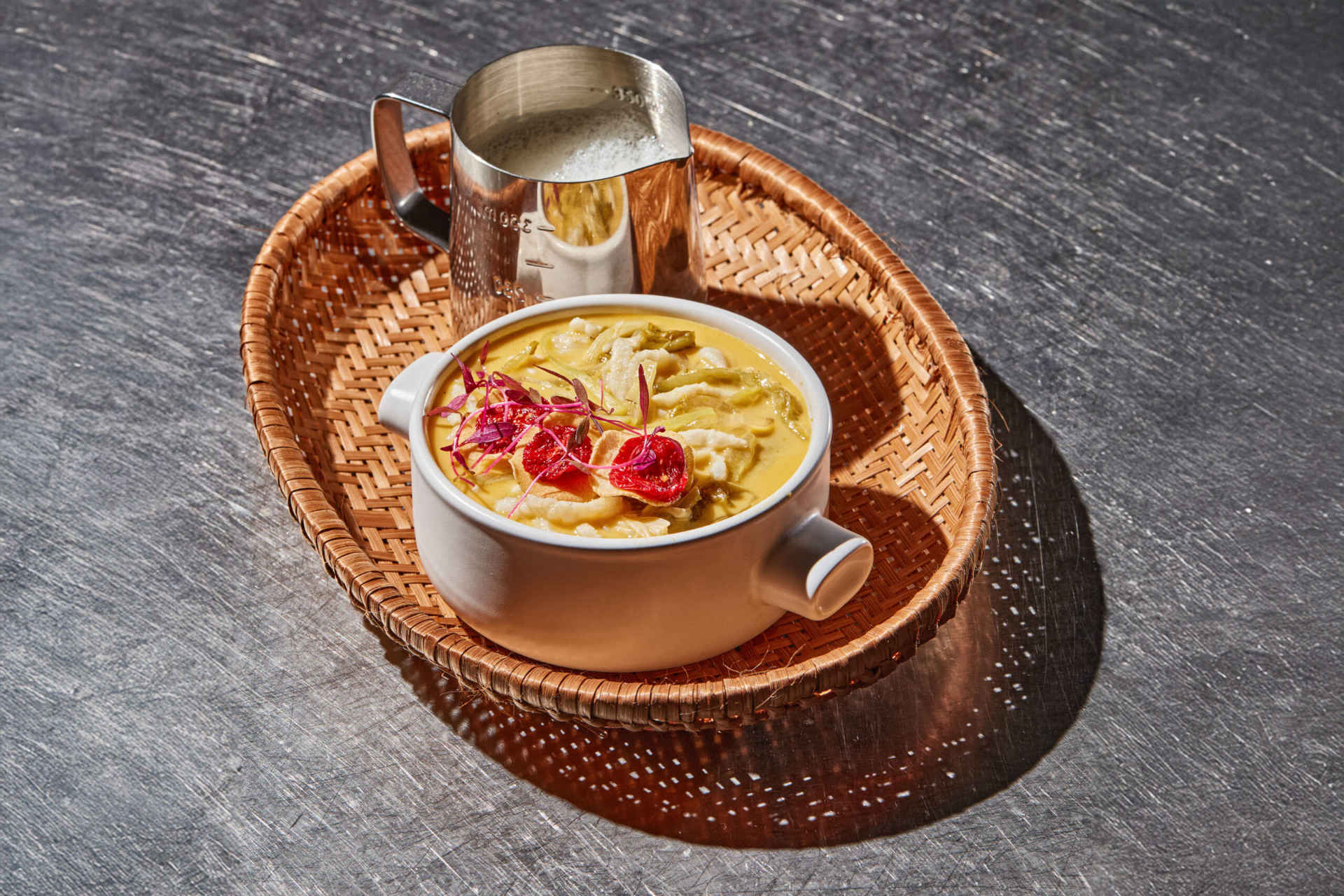
Two major culinary trends are emerging worldwide. Firstly, ‘borderless cuisine’ – a globally inspired style of cooking that focuses on cultural depth and authenticity – is becoming established. Miso, kimchi, tahini and ube are not used as trendy ingredients, but as integral components of well-thought-out flavour concepts. Secondly, fermentation, umami and live-fire cooking are gaining significant traction. Charcoal grills, fermented dairy products and complex flavour profiles are creating differentiation in both fine dining concepts and the accessible premium segment. These trends align directly with the observations of the HostMilano Observatory and confirm that innovation and authenticity go hand in hand today.
Italian Table Abroad: 90,000 culinary ambassadors of ‘Made in Italy’
A study by FIPE and Sociometrica highlights the global appeal of Italian gastronomy. There are nearly 90,000 Italian restaurants worldwide, acting as cultural ambassadors. Authentic formats such as pizzerias are particularly successful. With 657 mentions, the Margherita pizza remains the most frequently listed dish, followed by spaghetti alla carbonara and tiramisu.
Fragmented consumption creates new revenue opportunities
The traditional pattern of lunch and dinner is becoming less important. Instead, numerous ‘micro-occasions’ are emerging:
- Advanced snacking
- Sharing plates
- Weekday brunch
- Grab-and-go
- Aperitivo
For operators, this means longer operating hours, but also greater demands on production speed, equipment flexibility and standardised processes.
Street Food Couture: Premiumising the Everyday
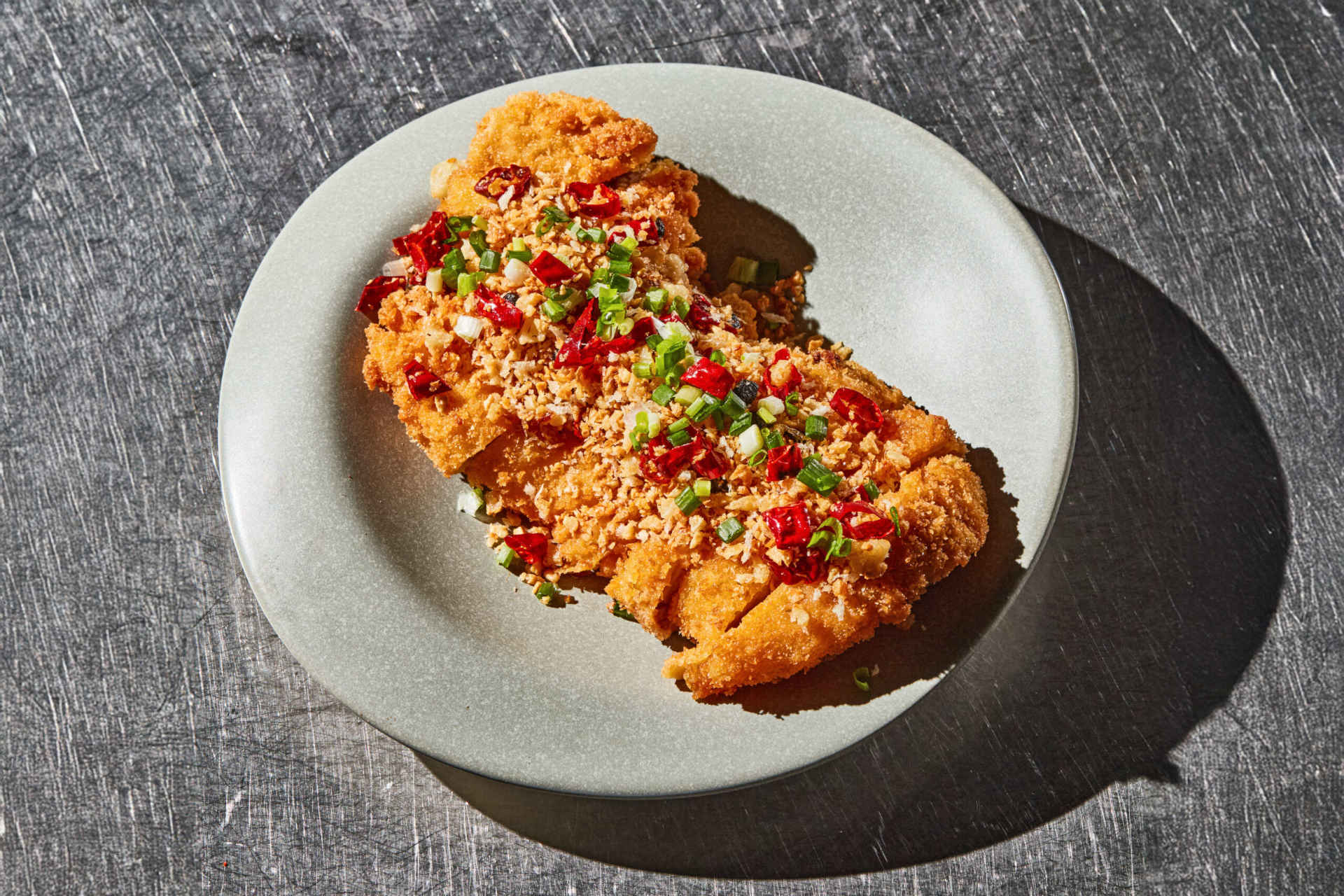
Another trend highlighted in the “Future Menus 2026” report is “Street Food Couture”. Bao buns, tacos and fried chicken are given an artisanal twist, presented in a high-end style and transformed into signature dishes with high brand recognition. The economic benefits are clear: higher margins through premiumisation, greater social media appeal and reduced complexity thanks to focused menus. The combination of simplicity, storytelling and visual appeal thus becomes a key factor for success.
Conclusion: The kitchen is finally becoming a strategic space
Current market data and trend analyses point in a clear direction. The hospitality industry is evolving into a data-driven, highly flexible and emotionally engaging business model.
Anyone wishing to succeed in the future must consistently combine five factors:
- Investment in high-performance kitchen technology
- Flexible and modular spatial concepts
- AI-supported decision-making processes
- Authentic and global flavour concepts
- Personalised guest experiences
HostMilano 2027 will highlight precisely these developments, once again becoming the central platform for all those who wish to actively shape the future of hospitality. What matters is how intelligently, flexibly and strategically gastronomy is conceived today.
About Alexandra Gorsche
Alexandra Gorsche is an Austrian food journalist, moderator, speaker, consultant and culinary voice with a strong focus on fine dining, hospitality and contemporary restaurant culture. She is editor-in-chief of Genusspunkt, responsible for the culinary direction of stayinart and contributes to renowned publishers and media brands such as Callwey Verlag. Her work explores the intersection of gastronomy, culture, design, travel and entrepreneurship from Michelin-starred restaurants to emerging food trends, chefs and hospitality concepts.